
When it comes to gardening, few things are more crucial than understanding your soil. But what makes good garden soil? Is it just about adding fertilizer or is there something more to it? The physical characteristics of soil play a significant role in determining its overall quality and how well plants will thrive. From the composition of clay, silt, and sand to the structural aspects that affect drainage and root growth, knowing these essential details can make all the difference between a struggling garden and a lush one.
This article aims to break down the key physical characteristics of soil and explore their practical applications for optimal plant growth. We’ll delve into what makes good garden soil and how you can use this knowledge to create an ideal environment for your plants to flourish. By understanding these essential aspects, you’ll be better equipped to tackle common gardening challenges and unlock the full potential of your garden.
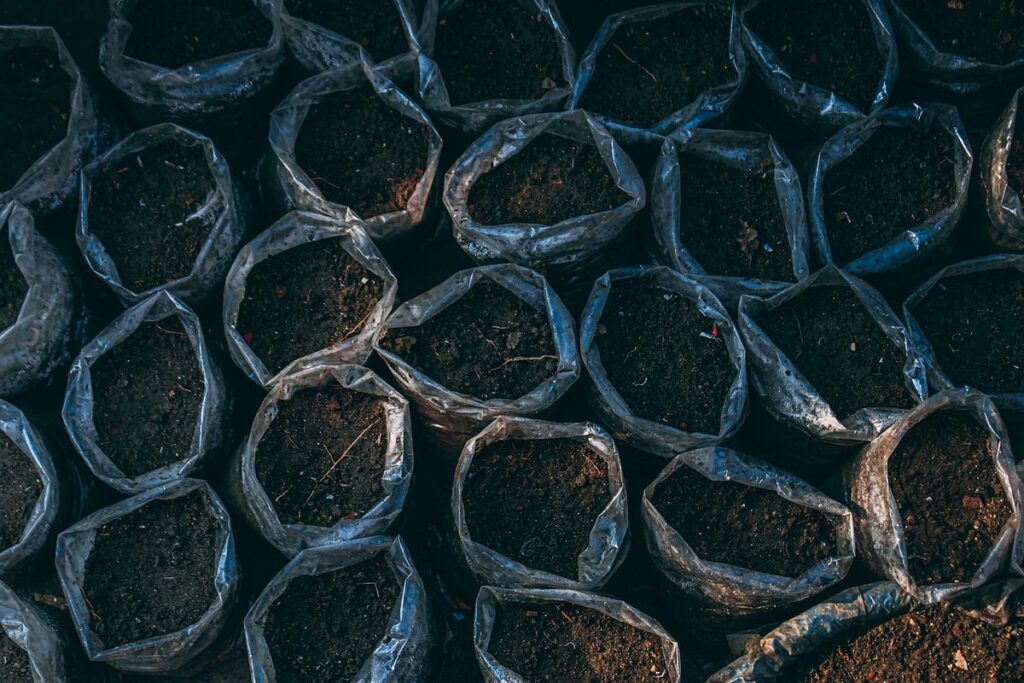
Understanding Soil Composition
Soil composition is a complex mix of minerals, organic matter, and living organisms that can greatly impact your garden’s health. Let’s take a closer look at what makes up this essential foundation.
Mineral Content and pH Levels
Mineral content and pH levels play a crucial role in determining soil’s fertility and its ability to support plant growth. The mineral content of soil is derived from the parent material it was formed from, such as rocks, sediments, or organic matter. Weathering processes, including physical, chemical, and biological breakdown, release essential minerals like nitrogen, phosphorus, and potassium into the soil.
However, factors such as over-tilling, erosion, and nutrient depletion can deplete mineral content over time. A healthy balance of minerals is necessary for plant growth, but an excess or deficiency can be detrimental. For example, too much phosphorus can lead to environmental pollution, while a lack of nitrogen can stunt root development.
pH levels also significantly impact plant growth, with most plants thriving in slightly acidic to neutral soils (pH 6-7). Acidic soils (pH < 5.5) can lead to nutrient deficiencies and reduced microbial activity, while alkaline soils (pH > 8) can cause nutrient lockup and root damage. To maintain optimal mineral content and pH levels, gardeners should focus on sustainable soil management practices, such as crop rotation, composting, and minimal tilling. Regular soil testing is also essential to identify areas for improvement.
Organic Matter and Nutrient Cycles
Organic matter plays a vital role in soil fertility, and understanding its importance is crucial for gardening success. There are several types of organic matter, including compost, leaf mold, peat moss, and manure. These materials contribute to nutrient cycles by providing essential nutrients like nitrogen, phosphorus, and potassium that plants need to thrive.
As organic matter breaks down, it releases these nutrients into the soil, making them available for plant uptake. The rate at which this decomposition occurs is influenced by factors such as temperature, moisture levels, oxygen availability, and microbial activity. For example, composting kitchen scraps and yard waste can create a nutrient-rich amendment that adds life to your garden.
To maximize the benefits of organic matter in your soil, it’s essential to incorporate it regularly. Aim to add 2-4 inches of compost or well-rotted manure to the top 6-8 inches of soil each year. This will help maintain a stable nutrient supply and support healthy microbial populations. By making organic matter a priority, you’ll be creating a fertile foundation for your garden’s success.
Textural Classification and Its Implications
Understanding soil texture is key to gardening success, so let’s dive into the different textural classifications and how they affect plant growth.
Soil Texture and Water Retention
Soil texture refers to the relative proportions of sand, silt, and clay particles that make up its composition. The three main soil texture classes are clay, silt, and sand, each with distinct characteristic particle sizes. Clay soils have the smallest particles, typically less than 0.002 millimeters in diameter, resulting in high water retention capacity. This means that clay soils can hold a significant amount of water, making them ideal for areas with low rainfall.
On the other hand, sandy soils have the largest particles, usually between 0.05 and 2 millimeters in diameter, leading to poor water retention. As a result, plants grown in sandy soils require more frequent watering. Silt soils fall somewhere in between, having particle sizes of around 0.002 to 0.05 millimeters. Their moderate water-holding capacity makes them suitable for areas with average rainfall.
When gardening, understanding your soil’s texture is crucial for determining irrigation needs. Knowing whether you have a clay, silt, or sandy soil will help you adjust watering schedules accordingly, ensuring optimal plant growth and minimizing the risk of overwatering or underwatering. If you’re unsure about your soil type, consider performing a simple textural analysis using the feel test or the sieve test to determine its particle size distribution.
Compaction and Structure
Soil compaction is a common issue that can significantly impact plant growth and overall garden health. It occurs when soil particles are pressed together, reducing pore space and making it difficult for roots to grow. Causes of compaction include heavy foot traffic, machinery use, and poor drainage. If left unchecked, compaction can lead to reduced water infiltration, decreased oxygen supply, and increased nutrient deficiencies.
To identify soil compaction issues in your garden, look for signs such as:
• Hard or dense soil that’s difficult to dig into
• Reduced plant growth and vitality
• Water pooling on the surface
Mitigating soil structure issues requires a multi-faceted approach. Start by reducing foot traffic and using lighter gardening tools to avoid further compaction. If your garden has poor drainage, consider installing French drains or adding organic matter like compost to improve water infiltration.
Regularly incorporating organic amendments can also help break up compacted soil over time. Consider using techniques like double-digging or raised beds to create a more porous and well-draining soil structure. With these simple adjustments, you can promote healthier root growth and a thriving garden ecosystem.
Structural Characteristics of Soil
Soil structure plays a crucial role in determining how well your plants will grow, and it’s essential to understand the different types to make informed decisions for your garden.
Porosity and Drainage
Soil porosity plays a crucial role in allowing air, water, and roots to move through it. When soil is porous, it can absorb and retain water, but still permit air pockets to remain, giving roots room to breathe. On the other hand, poorly draining soils can become waterlogged, leading to root rot and reduced plant growth.
Drainage mechanisms in soil occur due to various factors, including pore space, capillary action, and gravity. Pore space refers to the empty spaces between soil particles that allow air and water to pass through. Capillary action, on the other hand, is responsible for drawing water upwards into plants’ roots. Gravity helps move water downwards through the soil profile.
Soil texture and structure significantly influence drainage. Sandy soils tend to drain quickly due to their large pore spaces, while clay soils can retain water due to their smaller pores. Adding organic matter like compost can improve soil’s porosity and drainage capabilities by increasing its water-holding capacity and aeration.
By understanding and improving soil porosity and drainage, gardeners can create an optimal growing environment for plants. Regularly testing your soil and adjusting its structure accordingly will help ensure healthy root growth and prevent common issues like waterlogging.
Erosion and Sedimentation
Soil erosion is a major concern for gardeners, as it can lead to soil loss, decreased fertility, and even structural damage to the surrounding landscape. There are three primary types of soil erosion: splash erosion, sheet erosion, and gully erosion.
Splash erosion occurs when heavy rainfall hits the soil surface, causing water droplets to bounce off and carry away topsoil particles. Sheet erosion is a more gradual process where steady rain or runoff flows over the soil, wearing it away. Gully erosion is the most severe type, forming deep channels through which large amounts of soil can be carried away.
These types of erosion can have devastating effects on garden ecosystems, including reduced water quality, increased sedimentation in nearby water bodies, and altered microclimates. To mitigate these processes, gardeners can use techniques such as mulching to reduce runoff, using cover crops to stabilize the soil, and installing terracing or swales to slow down water flow.
For example, a simple way to prevent splash erosion is by creating small mounds of soil and placing plants on top, allowing them to absorb excess rainfall.
Soil Physical Properties for Plant Growth
Soil structure, texture, and consistency play a huge role in determining how well your plants will grow, so let’s dive into what these physical properties mean for gardening success.
Root Depth and Development
When it comes to plant growth, one of the most critical factors is root development. But what drives this process? The answer lies in two key areas: oxygen availability and nutrient supply.
Roots need oxygen to breathe, just like we do. When soil has sufficient aeration, roots can grow deeper and more extensive, allowing plants to absorb essential nutrients and water more efficiently. Conversely, compacted or poorly draining soils can suffocate roots, stunting growth and reducing yields.
Nutrient supply is another crucial factor influencing root development. Plants require specific macronutrients like nitrogen, phosphorus, and potassium to develop a robust root system. A lack of these nutrients can limit root growth, making plants more susceptible to disease and pests.
To promote healthy root development, focus on creating an environment that balances oxygen availability and nutrient supply. Add organic matter to your soil to improve drainage and structure. Use mulch or compost to retain moisture and provide essential nutrients. By understanding the relationship between roots and their surroundings, you can create a soil environment that fosters robust plant growth and high yields.
Aeration and Oxygen Levels
When it comes to plant growth, soil aeration and oxygen levels play a crucial role. But what exactly is aeration, and how does it affect our beloved plants? Simply put, aeration refers to the movement of air through the soil, which allows for the exchange of gases between the atmosphere and the roots.
Soil texture, structure, and organic matter all influence oxygen levels in the soil. For instance, sandy soils tend to drain quickly, allowing for better aeration, whereas clay soils can become waterlogged and suffocate roots due to poor drainage. Loamy soils, on the other hand, strike a balance between water retention and aeration.
To ensure optimal oxygen levels for your plants, you can take a few steps: Add organic matter like compost or well-rotted manure to improve soil structure and increase porosity. This will enable better air circulation and prevent waterlogging. You can also mulch around plants to retain moisture while allowing for airflow. By paying attention to these subtleties, you’ll be giving your plants the best chance at healthy growth.
Factors Influencing Soil Physical Characteristics
Soil physical characteristics are heavily influenced by factors such as texture, structure, and composition, which can affect how water and air penetrate your garden soil. Let’s take a closer look at what affects these essential properties.
Climate and Weather Patterns
Climate and weather patterns play a significant role in shaping soil physical properties over time. Temperature fluctuations, for instance, can cause soil particles to expand and contract, leading to changes in structure and porosity. During hot summers, the increased heat causes water molecules to evaporate more rapidly, reducing soil moisture levels and potentially causing soil compaction.
On the other hand, heavy rainfall events can lead to increased runoff, washing away nutrient-rich topsoil and altering the soil’s surface characteristics. Repeated exposure to these extreme weather conditions can result in a gradual decline in soil fertility and overall health.
To mitigate these effects, gardeners can adopt a few simple strategies. For one, incorporating organic matter like compost or manure into the soil helps improve its water-holding capacity and resistance to erosion. Additionally, using mulch or cover crops can reduce soil temperature fluctuations and prevent nutrient loss during heavy rainfall events. By taking proactive measures to adapt to local climate conditions, gardeners can create a more resilient and thriving soil ecosystem. Regular monitoring of soil moisture levels and adjusting irrigation schedules accordingly is also crucial for maintaining optimal soil health.
Land Use and Management Practices
When it comes to gardening, understanding the impact of land use and management practices on soil physical characteristics is crucial. Different types of land use can significantly influence the structure, texture, and water-holding capacity of the soil.
For example, intensive agriculture often leads to compaction, erosion, and nutrient depletion, resulting in poor soil health. Urban development, on the other hand, can cause soil sealing, reducing infiltration and increasing surface runoff. In contrast, sustainable land use practices like permaculture, agroforestry, and organic farming promote soil health by conserving moisture, reducing erosion, and promoting beneficial microbial activity.
To maintain healthy soils in your garden, consider implementing best management practices such as:
* Rotating crops to minimize soil degradation
* Mulching to retain moisture and suppress weeds
* Avoiding over-tilling, which can damage soil structure
* Planting cover crops to replenish nutrients and improve soil biota
* Monitoring and adjusting irrigation systems to prevent waterlogging and erosion
By adopting these practices, you can create a more resilient and productive garden ecosystem.
Practical Applications: Soil Testing and Assessment
Now that we’ve explored the physical characteristics of soil, it’s time to put that knowledge into action by learning how to test and assess your soil for optimal gardening results. You’ll discover simple methods to determine your soil’s pH level, nutrient content, and structure.
Choosing the Right Test
When it comes to choosing the right soil test for your gardening needs, there are several methods to consider. Laboratory analysis is a comprehensive approach that involves sending a sample of your soil to a laboratory for detailed examination. This method can provide valuable insights into nutrient levels, pH, and other factors, but it’s often more expensive and time-consuming.
Field tests, on the other hand, offer a quicker and more affordable alternative. These portable kits allow you to test your soil in situ, providing immediate results on parameters such as pH, nutrient levels, and moisture content. However, they may not provide the same level of detail as laboratory analysis.
To choose the right test for your needs, consider what specific factors you want to assess. If you’re looking to address a particular problem or optimize your soil’s fertility, laboratory analysis might be the better choice. For simpler assessments or quick checks, field tests can suffice. Some common field tests include pH meters, which provide instant pH readings, and moisture gauges, which help determine optimal watering schedules.
Ultimately, selecting the right test depends on your specific gardening goals and constraints. Consider your resources, time, and what information you need to make informed decisions about your soil.
Interpreting Soil Test Results
When you receive your soil test results, it’s essential to understand what they mean and how to apply that information to improve your garden’s soil health. Let’s break down the most common types of soil tests and what actions to take based on their outcomes.
pH Level: This measures the acidity or alkalinity of your soil, ranging from 0-14. A pH between 6.0-7.0 is ideal for most plants. If your test reveals a high or low pH level, you can adjust it with lime (to raise) or sulfur (to lower). For example, if your pH is too alkaline, adding elemental sulfur at 2 pounds per 100 square feet will help balance the soil.
Nutrient levels: These tests measure essential macronutrients like nitrogen (N), phosphorus (P), and potassium (K). If you’re deficient in any of these, consider using fertilizers that provide a balanced ratio of N-P-K. Keep in mind that overfertilization can harm your plants, so it’s crucial to follow the recommended application rates.
Bacterial and fungal counts: These tests assess the presence of beneficial microbes that help break down organic matter and fight pathogens. If your results show low microbial activity, try incorporating compost or well-rotted manure to boost soil biodiversity.
By interpreting your soil test results accurately and taking corrective actions, you’ll be able to tailor your gardening practices to address specific needs, ultimately leading to healthier plants and a more thriving garden.
Conclusion: Putting It All Together
Now that we’ve explored the various physical characteristics of soil for gardening, it’s time to put everything together. Understanding the texture, structure, and composition of your soil is crucial for creating a thriving garden. By knowing what you’re working with, you can tailor your gardening approach to suit your specific soil type. For example, if you have heavy clay soil, you’ll want to add organic matter to improve drainage and aeration.
This newfound knowledge will also help you make informed decisions about fertilizers, irrigation, and pest management. By considering your soil’s characteristics, you can choose the right tools and techniques for optimal plant growth. With this comprehensive understanding, you’ll be well on your way to creating a garden that flourishes and meets its full potential.
Frequently Asked Questions
How do I assess my garden’s current soil condition before making changes?
You can start by taking a small sample of your garden’s topsoil to send for laboratory testing, which will provide you with detailed information on its composition, pH levels, and nutrient content. Alternatively, you can use DIY testing kits or consult with local gardening experts who may have knowledge of the specific soil conditions in your area.
What’s the best way to amend my garden’s soil without disrupting its existing ecosystem?
When amending your garden’s soil, it’s essential to introduce new materials gradually and in small quantities. Start by mixing them into the top 6-8 inches of soil, then gradually work your way down. Be cautious not to over-fertilize or add too many organic matter sources at once, as this can lead to an overabundance of nutrients and potentially harm your plants.
How do I know if my garden’s soil is experiencing erosion or sedimentation?
Watch for signs such as uneven terrain, washed-out planting areas, or the presence of water-scarred plants. Erosion typically occurs when water flows too quickly across the soil surface without sufficient vegetative cover to hold it in place. Sedimentation can be a sign that your garden’s water retention is off-balance.
Can I improve my garden’s drainage by adding organic matter?
Yes, adding compost or other organic matter can significantly enhance your garden’s drainage properties. However, make sure not to overdo it, as excessive organic material can lead to waterlogging and root rot. A general rule of thumb is to maintain a balance between 20-30% organic matter in your topsoil for optimal results.
How do I choose the right soil testing method for my garden?
The choice of soil testing method depends largely on the specific concerns you have about your garden’s condition. If you’re concerned about nutrient deficiencies or pH imbalances, a comprehensive laboratory test might be the best option. For more basic needs like assessing water retention or drainage, DIY kits or field tests could suffice.