
As a small greenhouse owner, you know how challenging it can be to maintain optimal temperatures during the scorching hot summer months. High temperatures can lead to heat stress in your plants, reduced growth rates, and increased energy costs. But don’t worry, there are effective temperature control strategies that can help you regulate the perfect climate for your plants while keeping energy expenses under control. In this article, we’ll explore some clever solutions such as evaporative cooling systems and shading options that will ensure your plants receive the ideal conditions for growth. We’ll also dive into the world of smart greenhouse technology, which uses data and sensors to optimize temperature control, giving you peace of mind and a thriving garden all summer long.
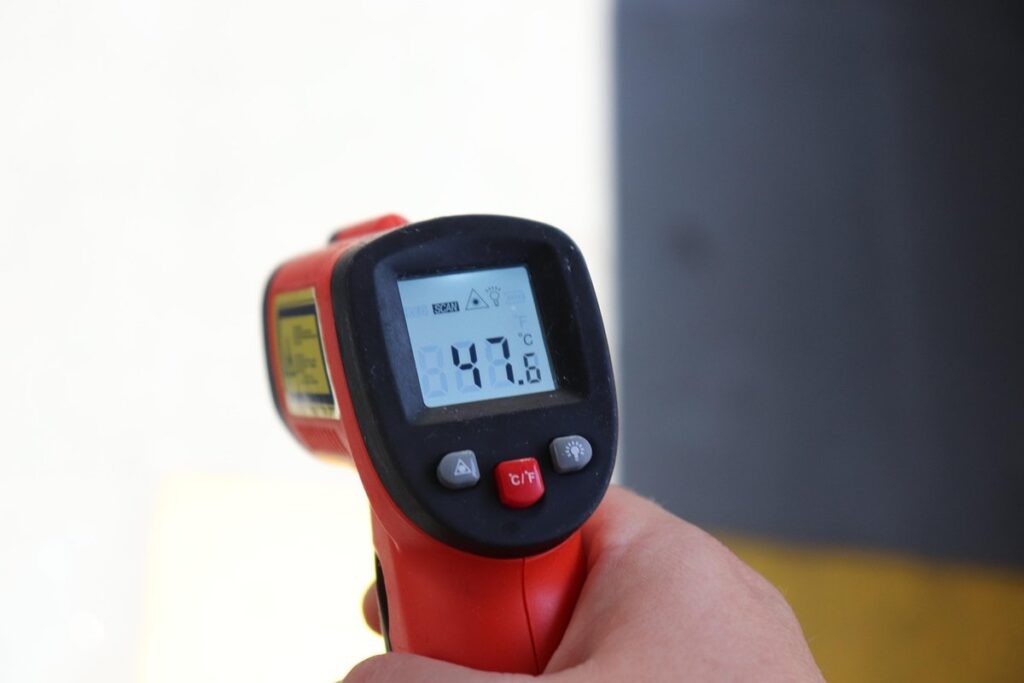
Understanding the Importance of Temperature Control in a Greenhouse
Temperature control is crucial for small greenhouses, especially during summer months when plants are most vulnerable to heat stress and damage. In this next part, we’ll explore its importance further.
The Impact of High Temperatures on Plant Growth
When temperatures soar in the summer months, it’s essential to understand the impact of high temperatures on plant growth. High temperatures can cause plants to lose more water through transpiration, leading to drought stress and reduced growth rates. Photosynthesis is also affected, as extreme heat can slow down or even halt the process altogether. This can lead to stunted growth, weakened immunity, and increased susceptibility to pests and diseases.
In a small greenhouse setting, it’s crucial to maintain an optimal temperature range for different types of plants. For example, most vegetable crops prefer daytime temperatures between 65-75°F (18-24°C), while flowers and herbs thrive in slightly warmer conditions around 70-80°F (21-27°C). Tropical plants, on the other hand, require a more humid environment with consistent temperatures above 75°F (24°C).
To mitigate these risks, consider using shading materials, such as shade cloth or row covers, to reduce direct sunlight and heat. Regularly monitoring temperature fluctuations and adjusting ventilation systems can also help maintain optimal conditions for your plants.
Setting Up Your Greenhouse for Temperature Control
When setting up your small greenhouse for summer, it’s essential to prioritize temperature control. A well-designed system will not only maintain optimal temperatures but also protect your plants from heat stress and damage.
To achieve effective temperature control, you’ll need to consider four key components: heating and cooling systems, ventilation, shading, and insulation. Start by assessing your climate and determining the ideal temperature range for your greenhouse. In summer, most greenhouses benefit from a daytime temperature between 65-75°F (18-24°C) and a nighttime temperature around 55-65°F (13-18°C).
For heating, consider investing in a reliable propane or electric heater that can be easily controlled with thermostats. Cooling systems, on the other hand, may include evaporative coolers or misting systems to lower temperatures without compromising humidity levels. Proper ventilation is also crucial to prevent overheating and ensure air circulation around your plants.
In addition to these systems, don’t forget about shading devices such as louvers, shades, or awnings that can filter intense sunlight and reduce heat gain during the summer months. Finally, ensure your greenhouse is well-insulated with materials like foam board, bubble wrap, or reflective film to minimize heat loss through walls and ceilings.
When setting up these components, remember to:
* Install thermostats to monitor and control temperatures
* Use timers for heating and cooling systems to optimize energy consumption
* Regularly inspect your ventilation system to ensure proper airflow
* Maintain a clean and clear space around plants to promote healthy growth
Choosing the Right Cooling Methods for Small Greenhouses
When it comes to cooling your small greenhouse, there are several methods to consider, and choosing the right one can make a big difference in keeping your plants comfortable and thriving.
Evaporative Cooling Systems: A Popular Choice for Small Greenhouses
Evaporative cooling systems have become an increasingly popular choice for small greenhouses due to their energy efficiency and low upfront costs. These systems work by using water to cool the air through evaporation, which is a natural process that requires very little energy. In fact, evaporative cooling systems can be up to 75% more efficient than traditional air conditioning units.
To choose the right type of evaporative cooling system for your greenhouse, consider factors such as space constraints and maintenance needs. For example, if you have limited space in your greenhouse, a compact or wall-mounted unit may be the best option. On the other hand, if you prioritize low maintenance, look for systems with self-cleaning pads that don’t require frequent replacement.
When selecting an evaporative cooling system, also think about the humidity level in your greenhouse. If you live in a dry climate, you may need to add a humidistat to ensure the air is not too dry for your plants. By choosing the right evaporative cooling system and considering these factors, you can keep your small greenhouse cool and comfortable during the hot summer months while keeping energy costs low.
Shading and Insulation Options for Small Greenhouses
When it comes to small greenhouses, controlling temperature is crucial during summer. One effective way to keep the interior cool is by utilizing shading options that block direct sunlight. Let’s explore three popular choices: shade cloth, louvers, and umbrellas.
Shade cloth is a cost-effective solution that provides adequate shade without obstructing ventilation. Choose from various percentages of shade (e.g., 30%, 50%) to balance light exposure with temperature control. Installing shade cloth on the south or west sides of your greenhouse is particularly beneficial during peak sun hours.
Louvers, often seen in commercial greenhouses, are a more substantial investment but offer excellent shading and ventilation capabilities. These adjustable panels allow you to fine-tune airflow and adjust to changing weather conditions. For smaller spaces, consider using a louver system with a fixed angle for optimal performance.
Umbrellas can also serve as an effective shade solution, especially for smaller greenhouses or specific areas within the structure. You can find various shapes and sizes of umbrellas specifically designed for greenhouse shading. Be sure to secure them firmly to withstand wind conditions.
In addition to these shading options, don’t underestimate the importance of proper insulation in retaining cool temperatures. Use materials like bubble wrap, foam boards, or reflective mulch to line walls and floors. This helps reduce heat gain during the day and keeps your greenhouse cooler at night.
Advanced Temperature Control Strategies for Small Greenhouses
When it comes to maintaining optimal temperatures in your small greenhouse during summer, more advanced strategies can make all the difference in protecting your plants and crops. Let’s dive into some effective temperature control methods you can try.
Using Sensors and Automation to Regulate Temperature
When temperatures soar during summer, maintaining a consistent temperature within your small greenhouse can be challenging. To ensure optimal growing conditions for your plants, consider integrating sensors and automation systems into your temperature control strategy. These technologies work together to provide real-time monitoring and automated adjustments, ensuring that the temperature stays within a safe range.
By installing temperature sensors throughout your greenhouse, you can monitor temperature fluctuations in real-time. This data is then fed into an automation system, which can make adjustments to cooling methods, such as fans or evaporative coolers, to maintain a stable temperature. For example, if the temperature rises above 80°F (27°C), the automation system can trigger the cooling method to kick in, bringing the temperature back down to the optimal range.
Integrating sensors and automation systems with existing cooling methods creates a highly efficient temperature control system. This approach not only saves energy but also extends the lifespan of your cooling equipment by reducing wear and tear. By leveraging these technologies, you can enjoy a cooler greenhouse even on the hottest summer days, ensuring healthy plant growth and high yields.
Implementing Smart Greenhouse Technology
Implementing smart greenhouse technology is an essential step in optimizing temperature control within small greenhouses. These advanced systems enable you to monitor and adjust temperatures in real-time, ensuring optimal conditions for plant growth.
With smart greenhouse technology, you can track various parameters such as temperature, humidity, light, and soil moisture levels. This data is then analyzed using predictive analytics algorithms that forecast potential issues before they arise. As a result, you can automate decision-making processes to maintain perfect temperatures for your plants.
For instance, if the temperature begins to rise excessively, the system can automatically activate cooling systems or adjust ventilation rates to prevent overheating. Real-time tracking also allows you to address issues promptly and make adjustments as needed.
Some smart greenhouse technologies include automated climate control units, IoT sensors, and cloud-based monitoring platforms. These solutions often integrate with existing systems, streamlining operations and reducing manual labor. By embracing smart technology, small-scale growers can achieve superior temperature management and unlock their full potential for crop yields and quality.
Troubleshooting Common Temperature Control Issues
Sometimes small greenhouses can be finicky, and temperature control issues can pop up unexpectedly. Let’s go through some common problems you might encounter and how to troubleshoot them.
Identifying and Fixing Temperature Fluctuations
When it comes to maintaining optimal temperature control within small greenhouses during the summer months, temperature fluctuations can be a significant challenge. One common cause of these fluctuations is a malfunctioning cooling system. This could be due to a clogged condenser coil, dirty evaporator coils, or a faulty thermostat. To identify the issue, check your cooling system’s performance by monitoring its output and comparing it to the recommended specifications.
Inadequate insulation is another culprit behind temperature fluctuations in small greenhouses. Ensure that your greenhouse is well-insulated with adequate ventilation to maintain a stable internal climate. A simple rule of thumb is to ensure that there is no more than 10% air exchange per hour to prevent excessive heat gain or loss.
Some other common causes include: Overheated heating systems Inadequate shading or sun protection * Poor greenhouse layout and orientation
To fix these issues quickly, perform routine maintenance on your cooling system, inspect for signs of wear and tear on insulation materials, and consider installing a thermal mass, such as concrete blocks or water barrels. Regular monitoring of temperature fluctuations will also help you identify potential problems before they become severe, allowing you to make necessary adjustments and maintain a stable environment for your plants.
Maintaining Your Greenhouse Cooling System
Regular maintenance is crucial to ensure your greenhouse cooling system runs efficiently and effectively during the hot summer months. A well-maintained system will not only help regulate temperature but also prevent potential breakdowns that can lead to costly repairs.
Start by cleaning the filters, which should be done at least once a week, especially if you have high humidity levels in your greenhouse. Clogged filters can cause fans and pumps to work harder, leading to increased energy consumption and reduced lifespan. Replace any damaged or worn-out filters with new ones.
Next, check the thermostat accuracy to ensure it’s providing accurate readings. This might involve calibrating the thermometer or replacing batteries if applicable. Inaccurate temperature readings can lead to overcooling or overheating, causing damage to your plants.
Additionally, inspect fan belts for signs of wear and tear. Worn-out belts can cause motors to overheat, resulting in premature failure. Replace any damaged belts with new ones to maintain the system’s efficiency. By incorporating these routine tasks into your maintenance schedule, you’ll be able to keep your greenhouse cooling system running smoothly all summer long.
Case Studies: Real-World Examples of Small Greenhouse Temperature Control Success Stories
Take a look at these inspiring case studies, where small greenhouses successfully implemented temperature control strategies to maintain optimal conditions for their plants during the sweltering summer months. You’ll see real-world solutions in action!
Successful Temperature Management in a Small Commercial Greenhouse
Meet Sunny Side Up Farms, a small commercial greenhouse operation that successfully implemented temperature management strategies to boost crop yields and cut energy costs during the sweltering summer months. By leveraging advanced climate control technology, they were able to maintain optimal temperatures for their plants.
Specifically, they employed a combination of evaporative cooling and misting systems to lower ambient air temperatures by up to 10°F. This not only protected their crops from heat stress but also reduced energy consumption by minimizing the need for air conditioning.
Additionally, Sunny Side Up Farms implemented a data-driven approach to temperature management, using sensors and monitoring software to track temperature fluctuations and adjust cooling systems in real-time. This allowed them to fine-tune their climate control strategy and respond quickly to changing weather conditions.
By adopting this multi-faceted approach, Sunny Side Up Farms was able to increase crop yields by 15% and reduce energy costs by an impressive 20%. These results demonstrate the effectiveness of thoughtful temperature management in small commercial greenhouses during the summer months.
DIY Temperature Control Solutions for Small Home Greenhouses
When it comes to small home greenhouses, temperature control can be a challenge, especially during the sweltering summer months. However, with a little creativity and resourcefulness, you can create effective DIY solutions that won’t break the bank. One way to achieve this is by repurposing materials you may have lying around the house or garden.
For instance, old window frames can be converted into a ventilation system for your greenhouse. Simply attach them to a wooden frame and adjust their angle to allow for airflow while keeping pests out. Alternatively, you can use an old metal drum as a rainwater collection system, which can then be used to cool the greenhouse through evaporation.
Another cost-effective solution is to install a shading system using materials like shade cloth or bamboo. These can be easily installed on existing frames and adjusted according to the season. You can also create a cooling system by installing a misting system, which can help lower temperatures by up to 20°F. With a little imagination, you can adapt these DIY solutions to meet your individual greenhouse needs and enjoy a comfortable growing environment all summer long.
Conclusion: Optimizing Your Small Greenhouse for Summer Temperatures
Now that you’ve learned how to manage summer heat in your small greenhouse, let’s put it all together and create a plan for optimal temperature control. We’ll walk through the final steps to ensure a thriving garden this season.
Recap of Key Takeaways
As we wrap up our exploration of small greenhouse temperature control for summer, let’s recap the key takeaways. By now, you should have a solid understanding of the importance of maintaining optimal temperatures within your small greenhouse during the hot summer months.
We discussed the critical role of ventilation in managing heat buildup and the benefits of using roof vents, side vents, and automatic vent openers to regulate air flow. You learned about the effectiveness of shading techniques such as shade cloth, louvers, and awnings to reduce direct sunlight exposure and prevent overheating.
Additionally, we explored the use of evaporative cooling systems, misting fans, and foggers to lower temperatures through evaporation. These technologies can provide a significant cooling boost without increasing energy consumption.
You also discovered how important it is to monitor temperature fluctuations using accurate thermometers and hygrometers, allowing you to make informed decisions about when to implement cooling strategies. By applying these key technologies and strategies, you’ll be well-equipped to maintain a comfortable growing environment for your plants even in the most scorching summer temperatures.
Final Tips and Recommendations
As you near the end of your growing season, it’s essential to remember that temperature control is an ongoing process. Continuously monitor your greenhouse temperature and adjust as needed to maintain optimal conditions for your plants.
Pay attention to weather forecasts and plan ahead to prevent extreme temperatures from affecting your greenhouse. For example, if a heatwave is predicted, ensure your cooling system is functioning correctly and make any necessary adjustments to ventilation rates.
Don’t be afraid to adapt your strategy mid-season if you notice temperature fluctuations impacting plant health. Be prepared to adjust your irrigation schedule to account for changes in temperature, which can affect soil moisture levels.
Remember that small greenhouses are susceptible to internal heat buildup, so prioritize shading strategies during peak sun hours. Consider installing louvers or shade cloth to reduce direct sunlight and alleviate heat stress on your plants.
Frequently Asked Questions
Can I use a combination of shading and evaporative cooling systems for optimal temperature control?
Evaporative cooling systems can be an effective way to regulate temperatures, but using them in conjunction with shading options like shade cloth or louvers can help reduce the load on your cooling system and create a more stable microclimate within your greenhouse. By combining these methods, you can achieve even better temperature control and energy efficiency.
How often should I inspect my evaporative cooling system for maintenance?
Regular maintenance is crucial to ensure your evaporative cooling system runs efficiently and effectively. Inspect your system at least once a week during peak summer months to check for clogged pads, damaged fans, or other issues that can impact performance. Cleaning the pads and replacing them as needed will help maintain optimal cooling rates.
Can I use smart greenhouse technology with existing greenhouses without major renovations?
Yes, many smart greenhouse technologies are designed to be retrofittable, allowing you to integrate advanced temperature control systems into your existing greenhouse setup. This can involve installing sensors, automation controls, or other devices that work seamlessly with your current infrastructure, making it easier to upgrade and enhance your temperature management capabilities.
What’s the ideal temperature range for most plants during summer months?
While specific temperature requirements vary depending on the plant species, most plants thrive in temperatures between 65°F (18°C) and 85°F (29°C). However, some sensitive plants may require more precise temperature control to prevent heat stress or damage. Researching the specific needs of your plants will help you set the optimal temperature range for their growth.
Can I use DIY solutions as a temporary fix before implementing more advanced temperature control strategies?
Yes, in some cases, simple DIY solutions like shading materials or homemade evaporative cooling systems can be effective temporary fixes until you can implement more permanent and efficient temperature control measures. However, keep in mind that these solutions may not provide long-term relief and might not address the root causes of temperature fluctuations in your greenhouse.