
Starting seeds indoors is an exciting time for gardeners, but it can also be a bit intimidating. One crucial aspect to get right is choosing the right seed starting mix. This specialized blend is designed specifically for germinating and growing young seedlings, and using the wrong type of potting soil can lead to poor results. In this article, we’ll take a closer look at the best ingredients to choose from, including peat moss, coir, and natural fibers. We’ll also explore DIY recipes for making your own seed starting mix, so you can tailor it to your specific needs. By the end of this guide, you’ll know exactly how to create an optimal environment for your seeds to thrive, setting them up for success as they grow into healthy, robust plants.
What is a Seed Starting Mix?
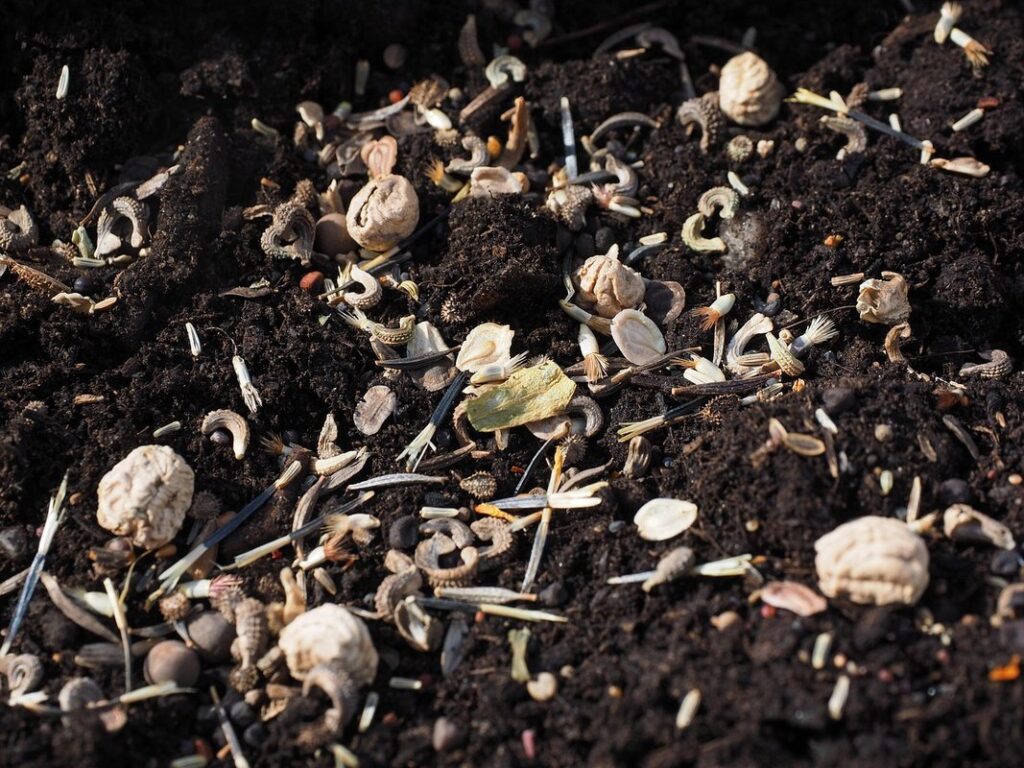
So, you’re wondering what sets seed starting mix apart from regular potting soil? Let’s dive into what makes a good seed starting mix and why it matters for your seeds’ success.
Importance of a Good Seed Starting Mix
Using a specialized seed starting mix is crucial for successful germination and seedling growth. Regular potting soil can actually hinder seed development due to its high salt content and compacted structure, which can prevent seeds from accessing oxygen and water.
When you use regular potting soil to start seeds, the salts in the soil can leach out of the container through watering, causing a phenomenon known as “salt burn.” This can result in stunted or deformed seedlings that struggle to grow. Additionally, regular potting soil is often too dense for young roots to penetrate easily, which can lead to weak and leggy seedlings.
To avoid these issues, it’s essential to use a high-quality seed starting mix specifically designed for germination and early growth stages. These mixes typically have the right balance of ingredients, such as perlite or vermiculite, to provide adequate drainage and aeration for young roots to grow.
When selecting a seed starting mix, look for one that is labeled as “sterile” or “seed starting blend.” These mixes are specifically designed to promote healthy germination and early growth.
Types of Seed Starting Mixes Available
When it comes to selecting a seed starting mix, you’ll notice there are various options available. Each type has its unique characteristics and benefits. Let’s take a look at some of the most popular types of mixes.
One common option is peat-based mixes. These blends typically contain sphagnum peat moss as the primary ingredient. They retain moisture well and have excellent water-holding capacities, which are essential for seedlings’ healthy growth. However, peat-based mixes can be acidic and may require additional pH adjustments to suit your plants’ needs.
Another option is coconut coir mix. Coconut coir has gained popularity due to its sustainability and eco-friendliness. It’s a byproduct of the coconut industry and offers good water retention without being as acidic as peat moss. Coconut coir mixes often blend well with other natural ingredients, making them an attractive choice for gardeners.
Natural fiber-based mixes are another alternative. These blends typically incorporate various plant fibers like cotton, hemp, or bamboo into their composition. They can be more expensive than peat-based or coconut coir options but provide excellent aeration and drainage properties. Natural fiber-based mixes also tend to have neutral pH levels, which means you won’t need to worry about adjusting the soil’s acidity.
It’s worth noting that many seed starting mix manufacturers now offer blends that combine different ingredients, such as peat-free mixes or organic seed starters. These options cater to specific needs and preferences, allowing gardeners to choose the best mix for their particular requirements.
Understanding Seed Starting Mix Ingredients
When creating a seed starting mix, understanding the individual ingredients and their roles is crucial. Let’s take a closer look at the essential components that make up a high-quality blend.
The Role of Peat Moss in Seed Starting Mix
Peat moss has been a staple ingredient in seed starting mixes for decades, and for good reason. One of its primary benefits is its ability to retain moisture, which helps young seedlings get off to a healthy start. Peat moss can hold up to 20 times its weight in water, making it an excellent desiccant that prevents the mix from drying out too quickly. This is particularly important during the first few weeks after sowing seeds, when they’re most vulnerable to dehydration.
However, there are some drawbacks to using peat moss in seed starting mixes. For one, it’s a non-renewable resource – peat bogs can take thousands of years to form, and harvesting them too quickly can disrupt ecosystems. Additionally, peat moss can be acidic, which may not be suitable for all types of seeds or plants.
Despite these drawbacks, many gardeners swear by the benefits of peat moss in seed starting mixes. If you do choose to use it, look for peat-free options that are blended with other ingredients to mimic its moisture-retentive properties. This way, you can reap the benefits without contributing to environmental concerns.
Coir vs. Peat: Which is Best for Your Seeds?
When it comes to seed starting mixes, two of the most debated ingredients are coir and peat. Both have their unique characteristics and advantages, making them popular choices among gardeners. Coir, a byproduct of coconut husks, is known for its excellent water retention properties and ability to prevent soil-borne diseases. It’s also a more sustainable option compared to peat, which is often sourced from peat bogs that can take centuries to form.
Peat, on the other hand, has been used in seed starting mixes for decades due to its acidity and ability to retain moisture. However, it’s facing criticism due to its environmental impact. Coir-based mixes have gained popularity in recent years, especially among organic gardeners who prioritize sustainability. When choosing between coir and peat, consider the pH level of your seeds and the type of plants you’re starting. If you’re growing acid-loving plants like blueberries or azaleas, peat might be a better option. But for most seedlings, a coir-based mix is a great choice. Look for mixes that contain a blend of both ingredients to get the best of both worlds.
Natural Fiber-Based Seed Starting Mixes
When it comes to seed starting mixes, natural fiber-based options are gaining popularity among gardeners. These mixes use materials like cotton or bamboo as their primary component, offering several benefits over traditional peat moss-based blends.
One of the main advantages of natural fiber-based mixes is improved drainage. Cotton and bamboo fibers allow for better water penetration and aeration, reducing the risk of waterlogged soil and root rot. This is particularly important during the seed starting process, when tiny roots are most vulnerable to drowning. For example, a study by the University of California found that cotton-based seed starting mixes reduced damping-off (a common disease affecting young seedlings) by up to 30%.
Another benefit of natural fiber-based mixes is their ability to promote healthy root growth. The fibers in these mixes help to create a more favorable environment for roots to expand, reducing transplant shock and promoting stronger plant establishment. To make the most of natural fiber-based mixes, be sure to choose a blend that includes a balanced mix of cotton or bamboo with other ingredients like perlite or vermiculite. This will ensure optimal drainage, aeration, and root growth support.
How to Choose the Right Seed Starting Mix for Your Needs
When it comes to selecting a seed starting mix, you’ll want to consider factors like drainage, fertility, and the specific needs of your plants. Let’s break down what to look for in a blend that works best for you.
Considerations for Different Types of Plants
When it comes to choosing the right seed starting mix for different types of plants, you’ll want to consider their specific needs. For example, tomatoes and peppers require a well-draining mix that’s high in organic matter, as they can be prone to overwatering. Look for a blend with perlite or vermiculite to ensure excess water drains quickly.
Leafy greens, on the other hand, prefer a more moisture-retentive mix that’s rich in nutrients. A mix specifically designed for seed starting or potting mixes is usually a good choice. These blends are often made from a combination of peat moss, compost, and perlite.
For seeds that are sensitive to fungal diseases, such as tomatoes and peppers, you may want to choose a sterile or pasteurized mix. This will help reduce the risk of disease spreading through the soil.
Some popular seed starting mixes on the market cater specifically to different plant types, so be sure to read labels carefully and follow the manufacturer’s recommendations for use.
Soil pH and Nutrient Requirements
When choosing a seed starting mix, it’s essential to consider its potential impact on soil pH and nutrient availability. Different mixes can have varying levels of acidity or alkalinity, which may affect the way plants absorb nutrients.
For example, some mixes may be formulated with peat moss, which is acidic and can lower the pH of the growing medium. This can be beneficial for acid-loving plants like tomatoes and peppers, but may not be suitable for vegetables that prefer a more neutral to slightly alkaline environment.
On the other hand, mixes containing limestone or dolomitic limestone can increase the pH level, making them better suited for alkaline-tolerant crops. However, if you’re growing plants that require acidic conditions, these mixes might be too alkaline and could lead to nutrient deficiencies.
To adjust your seed starting mix to meet your plants’ needs, consider getting a soil test kit to determine the pH level of your current mix. Based on the results, you can add amendments like sulfur or aluminum sulfate to lower the pH or dolomitic limestone to raise it.
Mix Reviews and Ratings: What Do They Mean?
When browsing online marketplaces for seed starting mix, you’ll often come across products with glowing reviews and high ratings. But what do they really mean? Let’s break down the importance of reviews and ratings when choosing a seed starting mix.
First, be wary of fake or incentivized reviews. Some manufacturers may pay reviewers to leave positive feedback, which can artificially inflate a product’s rating. Look for reviews from verified purchasers who have actually used the product. Check the reviewer’s profile to ensure they’re not affiliated with the manufacturer. A good rule of thumb is to look for reviews that mention specific benefits or issues with the product.
Red flags include reviews that use overly promotional language, seem repetitive, or are extremely short. Be cautious of products with an unusually high number of 5-star reviews – it may be a sign of fake reviews. Instead, focus on reading reviews from customers who have used the product for its intended purpose.
DIY Seed Starting Mix Recipes and Alternatives
If you’re looking for a more affordable or sustainable seed starting mix option, we’ve got three simple recipes to try at home. They’re perfect for gardeners on a budget!
Homemade Seed Starting Mix Recipe
One of the simplest ways to get started with seed starting is by creating your own mix using readily available ingredients. Here’s a basic recipe you can follow:
Mix 2 parts peat moss or coconut coir, 1 part vermiculite, and 1 part perlite. You can also add a small amount of compost or worm castings to provide nutrients for your seedlings.
If you don’t have these ingredients on hand, you can substitute with similar materials like sphagnum moss or even regular potting soil as a last resort. However, keep in mind that these alternatives may not drain well and could lead to waterlogged seeds.
To make this mix more effective, consider adding 1-2 tablespoons of Epsom salt per gallon of mix. This will provide magnesium and sulfur for your seedlings, promoting healthy growth.
By creating your own seed starting mix using this recipe, you’ll be able to customize the blend to suit your specific needs and save money in the long run. Plus, it’s a great way to reduce waste and get creative with your gardening endeavors!
Using Compost or Worm Castings in Your Mix
When it comes to creating a nutrient-rich seed starting mix, incorporating compost or worm castings can make all the difference. These organic amendments offer numerous benefits that can give your seeds a strong head start on their growth journey.
One of the primary advantages of using compost or worm castings is improved nutrient availability. Compost is rich in macronutrients like nitrogen, phosphorus, and potassium, as well as micronutrients like iron, zinc, and magnesium. Worm castings, produced by worms breaking down organic matter, are also packed with nutrients, including a balanced mix of NPK (nitrogen, phosphorus, potassium).
By adding compost or worm castings to your seed starting mix, you can expect faster germination rates, healthier root development, and more robust seedling growth. For example, using worm castings in place of traditional fertilizer has been shown to increase seedling biomass by up to 25%. When mixing compost into your blend, aim for a ratio of 10-20% compost to 80-90% other ingredients.
When selecting compost or worm castings for use in your seed starting mix, look for products that are certified organic and free from contaminants. You can also make your own worm casting by setting up a worm composter at home.
Upcycling and Repurposing Materials for Your Mix
When it comes to creating a seed starting mix, why not get creative and repurpose some household materials? You’d be surprised at what you can use! Coffee grounds, for instance, are rich in nitrogen, phosphorus, and potassium – perfect for promoting healthy root growth. Simply add 1-2 cups of coffee grounds to your mix for an extra boost.
Eggshells are another great option. They’re packed with calcium carbonate, which helps neutralize acidic soil conditions. Crush the eggshells into a fine powder and mix them in at about 1 cup per gallon of mix. You can also use crushed brick or stone to improve drainage and prevent waterlogged soil.
But that’s not all – you can also repurpose other household items like banana peels, which are high in potassium, and used tea bags, which are rich in nitrogen. Mix these materials into your blend along with some composted soil, perlite or vermiculite for moisture retention, and you’ll have a custom-made seed starting mix that’s tailored to your garden’s specific needs. Experiment with different combinations to find what works best for you!
Seed Starting Mix vs. Potting Soil: What’s the Difference?
When it comes to growing seeds, you’re likely wondering what sets seed starting mix apart from regular potting soil, and which one is right for your garden. Let’s dive into the differences between these two types of mixes.
Key Differences Between Seed Starting Mix and Potting Soil
When it comes to seed starting and potting soil, many gardeners assume they’re interchangeable. However, these two types of soils have distinct characteristics that make one more suitable than the other for specific tasks.
Seed starting mix is formulated to provide optimal conditions for seeds to germinate and develop their first set of leaves. It typically has a slightly acidic pH level (around 5.5-6.0), which helps prevent seedlings from becoming leggy or developing fungal diseases. Seed starting mixes also have lower nutrient levels than potting soil, as seeds don’t require a lot of nutrients to get started.
In contrast, potting soil is designed for established plants and contains higher levels of fertilizers and nutrients. Its pH level can range from neutral to slightly alkaline (around 6.0-7.5), depending on the type of plant it’s intended for. Potting soil also tends to hold more water than seed starting mix, which can be beneficial for mature plants.
It’s essential to choose the right type of soil based on your specific needs. For example, if you’re planting seeds in cell trays or seed starting pots, use a dedicated seed starting mix.
When to Use Each Type of Soil
When it comes to seed starting mix vs. potting soil, understanding when to use each type is crucial for successful gardening. Let’s break down the tasks where one blend excels over the other.
For new seeds and delicate seedlings, seed starting mix is the clear choice. It’s designed with a higher water-holding capacity and improved drainage, which helps prevent overwatering and root rot. This is especially important during the initial stages of growth when roots are still developing. In contrast, potting soil can be too dense for young seeds, potentially causing them to struggle or even drown.
On the other hand, once seedlings have matured and are ready to be transplanted into larger containers, potting soil becomes a better option. It’s formulated with more organic matter and nutrients, which provide essential support as plants continue to grow. A mix of both blends can also be used for established plants that require an extra boost of fertility.
Ultimately, the choice between seed starting mix and potting soil comes down to the specific needs of your plants at each stage of growth. By selecting the right blend for the task, you’ll be setting your garden up for success from the very beginning.
Tips for Using Your Seed Starting Mix Successfully
Now that you’ve chosen your perfect seed starting mix, let’s dive into some essential tips for using it successfully to give your seeds a healthy head start.
Proper Watering Techniques
Watering seeds correctly is crucial when using seed starting mix. Overwatering can lead to root rot and poor germination rates, while underwatering can cause seeds to dry out and fail to thrive. To achieve the perfect moisture level, start by checking the soil’s moisture daily with your finger or a moisture meter.
As a general rule of thumb, water your seeds when the top 1-2 inches of the mix feel dry to the touch. Avoid getting water on the leaves or crown of the seedling to prevent fungal diseases from taking hold. Instead, gently water at the base of the pot, allowing excess water to drain out.
Aim to maintain a consistent moisture level throughout the germination period, which is usually around 7-14 days. You can achieve this by watering lightly but frequently, rather than infrequently and heavily. For example, you might water your seeds once or twice a day when they’re first sprouting, then gradually reduce the frequency as they grow.
Keep in mind that different seed starting mixes have varying moisture levels, so be sure to follow the specific instructions provided with your blend.
Thinning and Transplanting Seeds
Thinning and transplanting seedlings is an essential part of the seed starting process. As your seeds germinate and grow into tiny seedlings, they’ll need to be thinned out to give them room to develop their root systems and avoid overcrowding.
To thin seedlings, gently reach in with your fingers or a small tool and carefully remove any weak or spindly growth. Leave only the strongest, healthiest seedling per pot or cell. This will ensure that each remaining seedling receives adequate light, water, and nutrients to thrive. For example, if you’re growing lettuce, it’s best to thin them out when they have 2-3 sets of leaves.
When transplanting seedlings into larger containers or directly into the garden, choose a well-draining mix specifically designed for young plants. Harden off your seedlings by gradually exposing them to outdoor conditions over the course of 7-10 days before transplanting. This will help prevent shock and ensure a smooth transition for your young plants.
When transplanting, handle the roots gently and avoid disturbing the soil around them. Water thoroughly after transplanting and keep the soil consistently moist during the first few weeks as the seedlings establish themselves in their new environment.
Frequently Asked Questions
Can I use a seed starting mix recipe as is, or do I need to adjust it for my specific growing conditions?
You can start with a pre-made seed starting mix recipe, but it’s essential to consider your local climate, water quality, and soil pH when adjusting the ingredients. For example, if you have hard water, you may want to reduce the amount of peat moss to prevent salt buildup.
How do I store my seed starting mix for future use?
Seed starting mixes can be stored in a dry place, like a closet or cupboard, for up to six months. Make sure to keep them away from direct sunlight and moisture. You can also consider labeling and dating your mixes to ensure you’re using the freshest one.
Can I reuse my seed starting mix, or is it only suitable for one season?
While some components of seed starting mixes can be reused, such as perlite or vermiculite, others like peat moss may break down over time. It’s generally recommended to create a new batch each season to ensure optimal results.
What are the most common mistakes people make when using a DIY seed starting mix?
Common mistakes include using too much compost or worm castings, which can lead to waterlogged mixes and root rot. Another mistake is neglecting to sterilize their equipment, which can introduce contaminants into the mix.
How do I know if my homemade seed starting mix is suitable for sensitive plants like orchids or African violets?
When creating a custom seed starting mix, consider factors like pH level, water retention, and nutrient content. For sensitive plants, aim for a slightly acidic to neutral soil pH (around 6.0-7.0) and use ingredients that provide consistent moisture and nutrient release.