
Salsa vegetables have been a staple in many cuisines for centuries, offering an array of flavors and textures that enhance any dish. But beyond their delicious taste, these nutrient-dense ingredients pack a punch when it comes to our health. Packed with antioxidant-rich compounds and anti-inflammatory properties, salsa vegetables are not only a tasty addition to your meals but also provide a wealth of benefits for the body.
In this article, we’ll delve into the rich history and numerous health benefits of salsa vegetables, exploring how they can be used in simple recipes and everyday cooking. From tomatoes and peppers to onions and garlic, we’ll cover the most common ingredients and expert tips on preparing and cooking with these nutritious staples. Whether you’re a seasoned chef or just starting out in the kitchen, get ready to unlock the full potential of salsa vegetables and discover how they can elevate your meals while supporting your overall well-being.
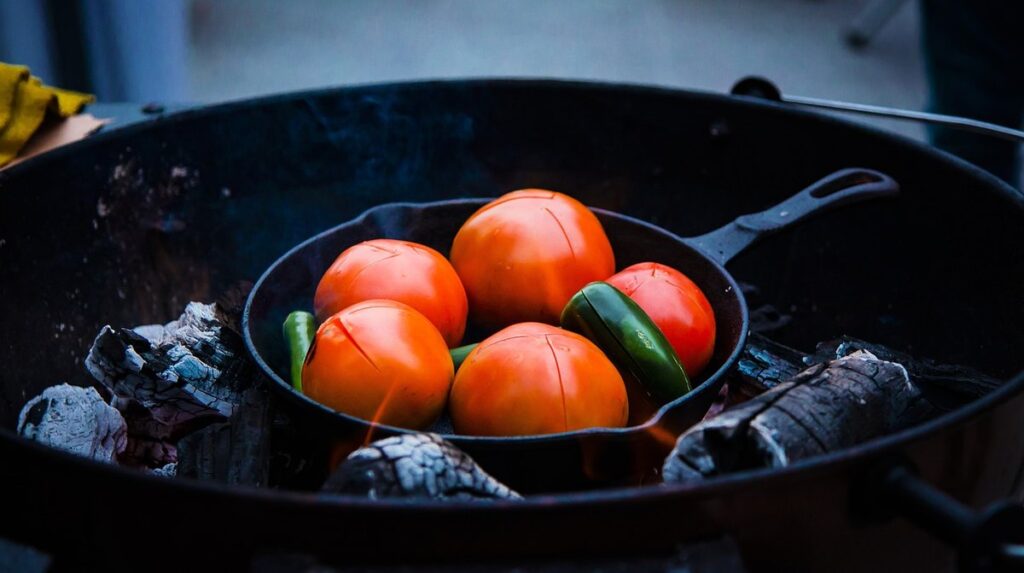
A Brief History of Salsa Vegetables
Salsa vegetables have been a staple in many cuisines for centuries, their rich history and versatility making them a beloved ingredient worldwide. Let’s take a journey through time to explore their origins.
Origins and Evolution
Salsa vegetables have their roots in diverse cultures around the world. The term ‘salsa’ itself comes from Latin America, where it refers to a mixture of ingredients, often served as a condiment or side dish. However, similar vegetable combinations can be found in various cuisines, such as the Indian raita or the Middle Eastern salad with yogurt and herbs.
In Mexico, salsa vegetables originated as a way to use up leftover vegetables and add flavor to meals. Over time, they evolved into a staple in many Mexican households. Today, you’ll find different variations of salsa vegetables throughout Latin America, each reflecting local tastes and ingredients.
As global cuisine has become more diverse and interconnected, salsa vegetables have spread beyond their native regions. They’re now found on restaurant menus worldwide, often with unique twists and flavor profiles. When experimenting with your own salsa vegetable creations, remember that the key to success lies in balancing flavors and textures. Experiment with different combinations of vegetables, spices, and herbs to create a sauce or side dish that suits your taste preferences.
Global Variations and Traditions
Salsa vegetables have evolved over time to become an integral part of various cuisines worldwide. Let’s explore some global variations and traditions that showcase the diversity of these tasty condiments.
In Mexico, salsas are a staple condiment, with different regions specializing in unique flavor profiles. For instance, Oaxaca is famous for its mole negro, a complex sauce made from chocolate, spices, and chilies. Meanwhile, Salsa Roja from Yucatan boasts a smoky flavor from the chipotle peppers. Similarly, Korean kimchi has gained worldwide recognition for its bold, sour taste. This fermented cabbage dish is often seasoned with ginger, garlic, and gochugaru (Korean red pepper flakes). Indian chutneys add a tangy twist to meals, typically made with ingredients like mango, cilantro, or tamarind.
When exploring global salsa vegetables, consider experimenting with new flavors and textures. Start by trying different types of kimchi or salsas in your local market. Then, attempt making some yourself using unique combinations of spices and chilies. For example, add Korean chili flakes to your homemade salsa for an extra kick. As you venture into the world of global salsa vegetables, keep in mind that these condiments are not only delicious but also offer numerous health benefits due to their high antioxidant content and rich probiotic properties.
The Nutritional Benefits of Salsa Vegetables
Salsa vegetables are more than just a tasty addition to your meals, they also pack a punch when it comes to nutritional benefits. Let’s dive into what makes them so healthy for you.
Antioxidant-Rich Ingredients
When it comes to salsa vegetables, one of the most significant nutritional benefits is their high antioxidant content. Antioxidants are compounds that help protect cells from damage caused by free radicals, which can contribute to chronic diseases like cancer and heart disease.
Tomatoes, a staple ingredient in many salsa recipes, are particularly rich in antioxidants like lycopene and beta-carotene. In fact, one medium-sized tomato contains more than 20% of the daily recommended intake of vitamin C, an essential antioxidant that helps boost the immune system.
Peppers, including jalapenos and Anaheim peppers, are also high in antioxidants like vitamin C and beta-carotene. Onions and garlic, often used as flavor enhancers in salsa recipes, contain a range of antioxidants, including quercetin and allicin, which have anti-inflammatory properties.
To maximize the antioxidant benefits of your homemade salsa, choose fresh, organic ingredients whenever possible and avoid over-processing or cooking your vegetables. This will help preserve the delicate balance of nutrients found in these nutrient-dense ingredients.
Anti-Inflammatory Compounds
Salsa vegetables are not only delicious, but they also contain powerful anti-inflammatory compounds that can help alleviate chronic pain and inflammation. One of the most well-known anti-inflammatory compounds found in salsa vegetables is capsaicin, a naturally occurring compound in chili peppers. Capsaicin has been shown to reduce inflammation by inhibiting the production of pro-inflammatory enzymes, which can help alleviate symptoms of conditions such as arthritis.
In addition to capsaicin, salsa vegetables are also rich in quercetin and kaempferol, two polyphenolic compounds that have potent anti-inflammatory effects. Quercetin has been shown to reduce inflammation by inhibiting the production of inflammatory cytokines, while kaempferol has been found to have antioxidant properties that can help protect against cellular damage.
To reap the benefits of these anti-inflammatory compounds, try incorporating salsa vegetables into your diet in a variety of ways. Add diced jalapenos or serrano peppers to your salads or sandwiches for an extra kick of flavor and nutrition. Try using quercetin-rich ingredients like onions and bell peppers in your salsas and sauces.
How to Choose and Store Salsa Vegetables
Choosing the freshest ingredients for your salsa is just as important as the recipe itself, so let’s dive into selecting and storing the perfect veggies.
Selecting Fresh Ingredients
When it comes to making delicious salsa vegetables, selecting fresh, high-quality ingredients is crucial. The first step in doing so is to choose a variety of colors and textures for added depth and visual appeal. Opt for vibrant red tomatoes, crisp cucumbers, and firm bell peppers, which will provide a great balance to your salsa.
Next, inspect the produce carefully before purchasing. Check for signs of spoilage such as soft spots, mold, or an off smell. For leafy greens like cilantro and parsley, look for fresh leaves with no wilted or yellowing edges. Tomatoes should be heavy for their size, indicating high water content and flavor.
When selecting ingredients from a farmer’s market or grocery store, consider the origin of the produce. Choose locally sourced ingredients to ensure freshness and support local farmers. Avoid overripe or bruised fruits and vegetables, as they can make your salsa taste bitter and unpleasant. By being mindful of these factors, you’ll be well on your way to crafting a delicious, homemade salsa that’s bursting with flavor.
Storage Methods and Shelf Life
When it comes to storing salsa vegetables, proper handling is crucial to maintain their freshness and flavor. For individual ingredients like onions, garlic, and cilantro, store them separately from each other to prevent cross-contamination of moisture and flavors.
For onions, keep them away from light and heat, as these can cause them to sprout or become bitter. Store them in a cool, dry place, such as a pantry or cupboard, rather than near the kitchen counter where they’re more likely to be exposed to heat and humidity. Onions can last for up to 2-3 months when stored properly.
Garlic, on the other hand, should be stored in a well-ventilated area to prevent moisture buildup. Keep it away from direct sunlight and heat sources, as these can cause garlic to become moldy or develop off-flavors. Garlic typically lasts for 1-2 months when stored correctly.
For cilantro, keep it fresh by storing it in an airtight container with the stems facing down in a small amount of water. This helps maintain humidity and prevents the leaves from drying out. Cilantro has a shorter shelf life compared to onions and garlic, typically lasting for 1 week.
When it comes to the final salsa product, store it in an airtight container in the refrigerator at a temperature below 40°F (4°C). A well-sealed container will help maintain the freshness of the ingredients. The salsa can last for up to 2 weeks when stored properly, although it’s best consumed within a week for optimal flavor and texture.
It’s essential to regularly check on stored salsa vegetables for any signs of spoilage or mold, as these can affect not only their quality but also your health.
Preparing and Cooking with Salsa Vegetables
Now that you have your favorite salsa vegetables on hand, it’s time to learn how to prepare and cook them to bring out their full flavor and nutritional potential. We’ll show you some simple techniques to get started.
Simple Recipes for Beginners
Getting started with cooking using salsa vegetables can be intimidating, especially for beginners. But don’t worry, we’ve got you covered! Here are some simple recipes to help you get started.
Grilled Salsa Vegetable Skewers are a great place to begin. Simply thread cherry tomatoes, bell peppers, onions, and mushrooms onto skewers. Drizzle with olive oil and sprinkle with salt, pepper, and your favorite herbs. Grill for 10-12 minutes or until the vegetables are tender.
Another easy recipe is Roasted Salsa Vegetables. Toss diced salsa vegetables (such as zucchini, eggplant, and red onion) with olive oil, garlic powder, and salt. Spread on a baking sheet and roast at 425°F (220°C) for 20-25 minutes or until the vegetables are tender.
To make it even easier, start by using pre-cut salsa vegetables from your local grocery store. This will save you time and reduce waste. As you become more confident in the kitchen, experiment with different seasoning combinations and recipe variations to keep things interesting. Remember, practice makes perfect, so don’t be afraid to try new recipes and techniques!
Advanced Techniques and Ideas
Now that you’re comfortable incorporating salsa vegetables into your daily meals, it’s time to take your skills to the next level. Advanced techniques and ideas will help you unlock new flavors and textures, making your dishes even more exciting.
To get creative with salsa vegetables, start by experimenting with different cooking methods. Roasting brings out their natural sweetness, while grilling adds a smoky depth. Try pairing roasted salsa vegetables with grilled meats or fish for a match made in heaven. You can also use them as a topping for salads or soups for added crunch and flavor.
Another idea is to use salsa vegetables as a base for sauces and marinades. Simply blend them with some olive oil, garlic, and herbs, and you’ll have a delicious dip or sauce for your favorite dishes. For example, try using roasted sweet potatoes as the base for a spicy harissa-style sauce. The possibilities are endless, so don’t be afraid to experiment and come up with your own unique creations.
You can also use salsa vegetables as a filling in tacos or wraps, adding texture and flavor to this classic dish. Simply sauté them with some onions and garlic, then fill your tacos with the mixture. The result is a flavorful and healthy twist on a traditional favorite.
Health Benefits of Including Salsa Vegetables in Your Diet
Adding salsa vegetables to your diet can have a significant impact on your overall health, from reducing inflammation to supporting healthy digestion. Let’s explore these incredible benefits together!
Immune System Support
When you incorporate salsa vegetables into your diet, you’re not only adding flavor to your meals but also giving your immune system a boost. One of the key reasons why these veggies are so beneficial is their high content of vitamin C. This essential nutrient plays a crucial role in supporting immune function by helping white blood cells to fight off infections.
In addition to vitamin C, salsa vegetables are rich in antioxidants, which help protect the body from free radicals that can cause oxidative stress and weaken the immune system. Bell peppers, for example, contain a powerful antioxidant called capsanthin that has been shown to have anti-inflammatory properties.
To get the most out of your salsa veggies’ immune-boosting potential, aim to consume at least two servings per week. Try adding sliced bell peppers or diced tomatoes to your salads, sandwiches, or stir-fries. You can also use salsa vegetables as a topping for soups or grilled meats. By incorporating these nutrient-dense foods into your diet, you’ll be taking a proactive step towards supporting your immune system and maintaining overall health.
Anti-Cancer Properties
Research has shown that certain ingredients found in salsa vegetables possess anti-cancer properties. For instance, capsaicin, a compound present in chili peppers, has been found to inhibit the growth of cancer cells and induce apoptosis (cell death). A study published in the Journal of Nutrition found that consuming capsaicin-rich foods reduced the risk of developing colon cancer by 26%. Another key ingredient in salsa vegetables is lycopene, an antioxidant abundant in tomatoes. Studies have demonstrated that high consumption of lycopene is associated with a lower risk of prostate cancer.
Tomatoes are also rich in alpha-tocopherol (vitamin E), which has been shown to prevent the formation of carcinogenic compounds and reduce oxidative stress. In fact, a study conducted by the University of Illinois found that consuming tomato-based sauces reduced the risk of breast cancer by 29%. Cruciferous vegetables like onions and garlic also contain sulforaphane, which has been found to induce apoptosis in cancer cells and inhibit tumor growth.
Incorporating these anti-cancer-rich ingredients into your diet can be as simple as adding them to your favorite salsa recipes. Try adding a diced onion or two to your next batch of homemade salsa, or using cherry tomatoes instead of regular tomatoes for added flavor and nutrition. With their potent anti-cancer properties, it’s no wonder why salsas are becoming an increasingly popular choice for health-conscious foodies looking to boost their immune system.
Tips for Making Salsa Vegetables at Home
Taking your salsa game to the next level starts with making it from scratch at home, and we’re here to guide you through the process. Learn how to prep and cook fresh vegetables for a delicious homemade salsa.
Customizing Flavors and Spices
Customizing flavors and spices is where the magic happens when making salsa vegetables at home. The beauty of cooking with fresh ingredients lies in its versatility, allowing you to tailor the taste to your liking. To get started, begin by considering what type of flavor profile you’re aiming for: smoky, spicy, tangy, or a combination.
For example, if you want to add a smoky element, try incorporating chipotle peppers in adobo sauce, roasted garlic, or smoked paprika into your mix. On the other hand, if you prefer a spicy kick, experiment with adding diced jalapeños, serrano peppers, or a pinch of cayenne pepper.
To further customize your salsa, think about the type of herbs and spices that complement the main ingredients. For instance, cilantro pairs well with tomatoes and onions, while parsley adds a fresh twist to the mix. Don’t be afraid to experiment and adjust proportions to suit your taste buds. Remember, there’s no one-size-fits-all approach to making salsa vegetables – it’s all about finding the perfect balance for you.
Incorporating citrus juice or vinegar can also help cut through richness and add depth. Try using a combination of lime and orange juice or apple cider vinegar to create a unique flavor profile that suits your taste.
Safety Precautions and Considerations
When working with ingredients like hot peppers and garlic to make salsa vegetables at home, it’s essential to take certain safety precautions to avoid discomfort or injury. The capsaicin present in hot peppers can cause skin irritation, burning sensations, and even temporary blindness if not handled properly.
Before handling hot peppers, wash your hands thoroughly with soap and water, and consider wearing gloves to prevent the oils from transferring to your skin. If you do get any capsaicin on your skin, rinse it off immediately with milk or a dairy product, as the casein in milk can help neutralize the heat.
When chopping hot peppers or garlic, use a sharp knife and cut away from your body to avoid accidental spills or slips. Also, be cautious when cooking with these ingredients, as the fumes can cause irritation to your eyes and respiratory system. If you experience any discomfort while working with hot peppers or garlic, consider taking breaks or wearing protective eyewear. By following these simple precautions, you can enjoy making delicious salsa vegetables at home without compromising your safety.
Conclusion: Incorporating Salsa Vegetables into Your Lifestyle
Now that you’ve explored the world of salsa vegetables, it’s time to think about how you can incorporate them into your daily meals and make a lasting impact on your health. We’ll wrap up by sharing our top tips for seamless integration!
Why Salsa Vegetables Should Be a Staple in Every Kitchen
Incorporating salsa vegetables into your kitchen is a game-changer for several reasons. First and foremost, they add an explosion of flavor to dishes without adding salt or sugar, making them a healthier alternative to other condiments. The vibrant colors of these vegetables also make them visually appealing, elevating the presentation of any meal.
But it’s not just about taste – salsa vegetables are packed with nutrients like vitamins A and C, potassium, and fiber. They’re a great way to boost your immune system, support heart health, and even aid in weight management. Plus, they can help reduce inflammation in the body, which is especially beneficial for people with chronic illnesses.
To get started, try incorporating salsa vegetables into your daily routine by adding them to omelets, salads, or stir-fries. Experiment with different combinations of colors and flavors to find your favorite pairings. You can also use them as a topping for tacos, grilled meats, or as a dip for chips. With their versatility and nutritional benefits, it’s no wonder salsa vegetables should be a staple in every kitchen.
Final Thoughts and Recommendations
As you’ve now embarked on this journey to explore the world of salsa vegetables, we hope you’re excited about the endless possibilities that lie ahead. These vibrant and flavorful ingredients are more than just a trend; they’re a gateway to a healthier, more diverse, and exciting culinary experience.
We encourage you to continue experimenting with different types of salsa vegetables, from classic bell peppers to more exotic options like Romanesco or Cauliflower. Don’t be afraid to try new recipes and flavor combinations – it’s all part of the fun! For example, pair roasted sweet potatoes with spicy salsa for a flavorful side dish, or add diced tomatoes to your favorite pasta sauce.
Remember, the key to fully incorporating salsa vegetables into your lifestyle is to have fun and be creative. Try new things, explore different cuisines, and share your discoveries with friends and family. By doing so, you’ll not only enjoy the many benefits of salsa vegetables but also become a master chef in the process! With this ultimate guide as your starting point, we’re confident that you’ll soon be a salsa vegetable expert.
Frequently Asked Questions
Can I use frozen or canned salsa vegetables as a substitute for fresh ones?
Yes, while fresh salsa vegetables are ideal, frozen or canned options can be a convenient alternative when they’re not in season or readily available. Just be mindful of the added preservatives and choose brands with minimal processing to maintain nutritional benefits.
How do I store salsa vegetables to maximize their shelf life and flavor?
Proper storage is key! Store fresh salsa vegetables in a cool, dry place, away from direct sunlight. For tomatoes and peppers, consider storing them at room temperature until they ripen, then refrigerate or freeze for longer preservation. Canned and frozen options can be stored as per the package instructions.
Can I make my own custom blend of salsa vegetables?
Absolutely! Experimenting with different ingredients and flavor profiles is one of the joys of working with salsa vegetables. Feel free to combine various peppers, onions, garlic, and herbs to create unique blends that suit your taste preferences.
How can I incorporate salsa vegetables into my diet for optimal health benefits?
To reap the rewards of salsa vegetables, aim to include a variety in your meals at least 3-4 times a week. Try adding them to salads, soups, stews, or using them as a topping for grilled meats or fish. Be mindful of portion sizes and choose organic options when possible.
Are there any specific health concerns I should be aware of when consuming salsa vegetables?
While generally considered safe, some individuals may experience digestive issues or allergic reactions due to sulfur compounds in certain ingredients like onions and garlic. If you’re sensitive, start with small amounts and gradually increase your intake.