
Are you tired of struggling with poor soil quality and limited space in your garden? A raised bed can be just the solution you need to transform your outdoor space into a thriving oasis. Not only do they provide excellent drainage and better soil structure, but they also allow for optimal crop growth and increased yields.
But designing and maintaining a raised bed requires some know-how. In this ultimate guide, we’ll take you through the essential steps of creating a successful raised bed garden. From choosing the perfect location to preparing the soil and selecting the right plants, we’ve got you covered. We’ll explore the benefits of using raised beds, including improved accessibility and reduced water usage, and provide expert tips on how to keep your garden looking its best all season long. Whether you’re a seasoned gardener or just starting out, this article will give you the confidence to create a beautiful and productive raised bed garden.
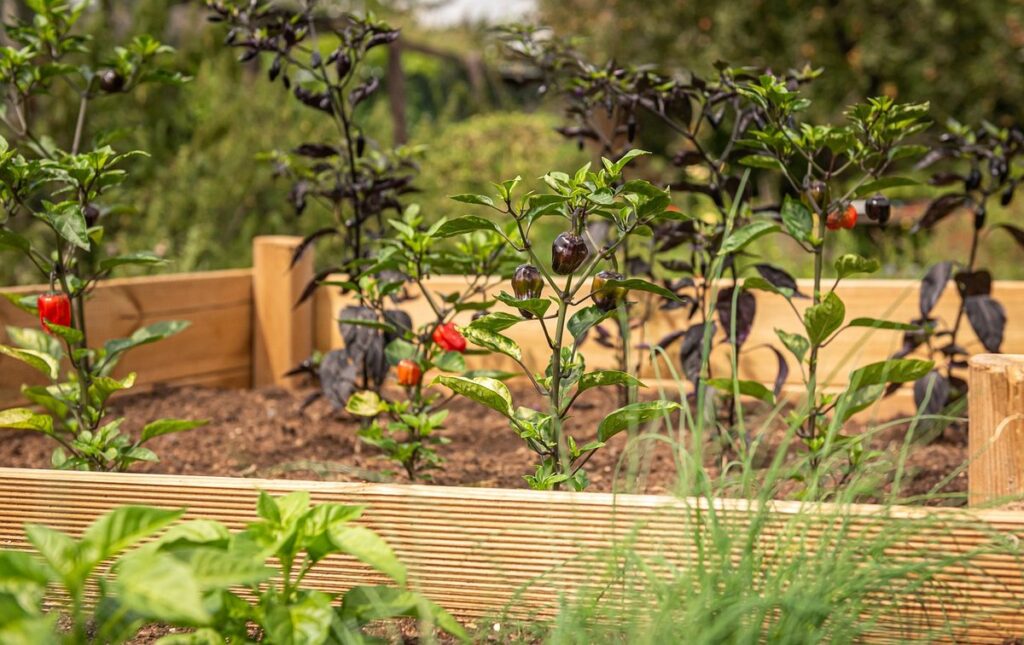
What is a Raised Bed?
A raised bed is essentially a container or frame that holds soil and allows you to grow plants without the need for traditional digging. Let’s take a closer look at what makes up this versatile gardening solution.
Definition and History of Raised Beds
Raised beds have been a staple in gardening practices for centuries. Their origins date back to ancient civilizations, where gardeners and farmers used wooden frames to create elevated planters for their crops. The earliest recorded use of raised beds was by the ancient Egyptians around 2500 BC, who used stone and mudbrick walls to create planting areas.
In Europe, during the 16th century, the concept of raised beds became popular among English gardeners. They built elaborate wooden frames with soil-filled compartments to grow a wide range of fruits, vegetables, and flowers. This innovative approach to gardening allowed for better drainage, improved soil quality, and increased yields.
The modern raised bed, however, is often attributed to the 19th-century horticulturist and landscape architect, William Robinson. He designed and built intricate stone walls with planting areas to create a visually stunning yet functional garden. Today, raised beds continue to evolve with advancements in materials and design, offering a versatile and accessible way for gardeners of all levels to cultivate their plots.
Advantages of Using Raised Beds
Raised beds offer numerous advantages over traditional gardening methods. One of the primary benefits is improved drainage. By elevating the soil above the ground level, excess water can easily drain away from the roots, reducing the risk of waterlogged soil and root rot. This not only promotes healthy plant growth but also reduces the need for frequent watering.
Better soil quality is another advantage of raised beds. Since the soil is contained within a defined area, you can use high-quality potting mix that’s specifically designed to promote optimal nutrient retention and water absorption. This ensures that your plants receive the necessary nutrients for healthy growth. Raised beds are also more accessible than traditional gardens, making it easier to plant, maintain, and harvest your crops. For example, individuals with mobility issues or back problems can enjoy gardening without putting excessive strain on their bodies.
Choosing the Right Location for Your Raised Bed
When it comes to building your raised bed, selecting a location that’s both functional and beneficial is crucial. Let’s dive into what you need to consider when choosing the perfect spot.
Sunlight Requirements for Plants
When choosing a spot for your raised bed, one of the most crucial factors to consider is sunlight. Most vegetables and fruits need at least 6 hours of direct sunlight per day to grow well. However, some plants like leafy greens and herbs can thrive with as little as 4-5 hours of indirect sunlight.
To determine if a spot receives sufficient sunlight, observe it during different times of the day. Check how many hours of direct sunlight it gets in the morning, afternoon, and evening. Keep in mind that even on cloudy days, some sunlight still filters through.
If you have a north-facing raised bed, it might receive partial shade throughout the day. While this is suitable for plants like lettuce and spinach, other vegetables may not get enough light to produce well. Consider moving your raised bed to a spot with more direct sunlight or using trellises to provide support for climbing plants.
When placing your raised bed in a sunny location, ensure that it’s at least 6-8 feet away from any obstructions like trees, buildings, or power lines. This will prevent shade and damage from falling debris. By choosing the right spot with sufficient sunlight, you’ll set your plants up for success and enjoy a bountiful harvest.
Soil Preparation for Raised Beds
Soil preparation is a crucial step before planting in raised beds. Not all soils are created equal, and selecting the right type for your raised bed is essential for optimal plant growth. If you’re using a pre-existing lawn or garden area, it’s best to start with a fresh sheet of soil. This will help prevent any weed seeds, pests, or diseases from being transferred into your new raised bed.
When choosing a soil type for your raised bed, consider the plants you’ll be growing and their specific needs. For example, if you’re planning to grow vegetables like tomatoes or cucumbers that prefer well-draining soils, select a mix with good drainage properties. A general-purpose potting mix can work well for most herb gardens and flower beds.
Before planting, remove any existing vegetation, debris, and rocks from the area. Till the soil to a depth of about 8-10 inches to loosen it up. Add organic matter like compost or manure to improve soil structure and fertility. For raised beds with poor drainage, consider adding a layer of perlite or vermiculite on top to enhance water penetration.
Remember to avoid over-tilling, as this can damage the soil’s ecosystem and affect its overall health. A well-prepared soil mix will provide your plants with the best chance at thriving in their new home.
Designing Your Raised Bed: Materials and Dimensions
When designing your raised bed, it’s essential to consider both the materials you’ll use and the dimensions that will suit your space and growing needs. Let’s explore these key factors together.
Common Materials Used in Raised Bed Construction
When it comes to building raised beds, the materials you choose play a crucial role in their durability, maintenance, and environmental impact. There are several common materials used in raised bed construction, each with its own set of benefits and drawbacks.
Wood is one of the most traditional options, offering a natural look and feel. However, it requires regular sealing to protect against rot and insects, which can be time-consuming and costly in the long run. Pressure-treated wood is another option, but it contains chemicals that can leach into the soil and potentially harm plants. Composite materials, on the other hand, are made from a combination of wood fibers and plastic, offering durability and low maintenance. They’re also resistant to rot, insects, and fading.
Recycled plastic options have gained popularity in recent years due to their eco-friendliness and long lifespan. These materials can withstand extreme temperatures and moisture levels, making them ideal for raised beds exposed to harsh weather conditions. Some popular brands even offer 100% recycled content, making it a guilt-free choice for gardeners looking to minimize their environmental footprint.
Determining the Ideal Size for Your Raised Bed
When deciding on the ideal size for your raised bed, there are several factors to consider. The first consideration is space availability – how much room do you have dedicated to gardening? Consider not just the physical space, but also accessibility and sunlight exposure.
Another crucial factor is the type of plants you plan to grow. Larger vegetables like pumpkins and squash require more space to spread out, while smaller herbs and leafy greens can thrive in compact spaces. A general rule of thumb for raised beds is to allocate at least 2-3 square feet per plant.
Consider also your personal mobility and ability to reach into the bed without straining. A height range of 30-36 inches is recommended for most gardeners, but this may vary depending on individual needs. Think about companion planting too – some plants benefit from being grown together, while others can be detrimental to each other’s growth.
Remember that a smaller raised bed can still be highly productive if well-planned and maintained. Measure your available space carefully and plan accordingly to ensure the perfect size for your gardening needs.
Building Your Raised Bed: Step-by-Step Guide
Now that you have a design plan, it’s time to build your raised bed – follow these easy-to-follow steps and bring your garden to life. We’ll walk you through each step of the process.
Preparing the Site for Construction
Before you start building your raised bed, it’s essential to prepare the site for construction. This involves clearing the area of any debris, leveling the ground, and marking out the bed’s dimensions. Start by removing any existing plants, weeds, or debris from the area where your raised bed will sit. Use a shovel or a garden fork to loosen the soil, making it easier to clear.
Next, level the ground to ensure it’s even and flat. You can use a spirit level to check for any dips or slopes in the area. If necessary, add some soil or gravel to fill in any low spots. Once you’ve leveled the ground, measure out the dimensions of your raised bed using a tape measure or a garden hose. Mark out the boundaries with stakes and twine, creating a clear outline of where your bed will sit.
It’s also a good idea to check for any underground utilities or obstructions before starting construction. A quick phone call to your local utility company can save you from costly mistakes later on.
Constructing the Frame and Filling with Soil
Now that you have your raised bed design and materials ready, it’s time to construct the frame. Start by laying out the corners of the bed and securing them with screws or nails. Make sure the corners are square and the frame is level. You can use a spirit level to double-check this.
Next, attach the sides and bottom panels to the corners using screws or nails. Ensure that the edges are flush and the joints are secure. For added durability, consider adding a second layer of wood on top of the bottom panel to create a solid base.
Before filling your raised bed with soil, add a 1-2 inch layer of weed barrier material such as landscape fabric or plastic sheeting to prevent weeds from growing up through the sides. This will also help retain moisture in the soil and reduce water loss due to evaporation.
Now you can start filling your raised bed with topsoil, leaving about an inch at the top for watering. Compact the soil gently but firmly to remove any air pockets and settle it evenly. As you fill, check that the sides are still level and make adjustments as needed.
Planting in Your Raised Bed: Tips and Tricks
When planting in your raised bed, it’s essential to consider factors like soil depth, drainage, and companion planting to ensure a thriving and productive harvest. Let’s dive into some expert tips for maximizing success.
Selecting Plants Suitable for Raised Beds
When selecting plants for your raised bed, it’s essential to choose varieties that thrive in these elevated containers. Vegetables are a popular choice for raised beds, and some of the best options include leafy greens like lettuce and kale, which can be harvested continuously throughout the growing season. Other vegetables like tomatoes, peppers, and cucumbers also love the warm, well-draining conditions found in raised beds.
If you’re looking to grow fruits in your raised bed, consider planting strawberries or blueberries. These plants prefer slightly acidic soil and consistent moisture, both of which can be easily managed in a raised bed. For a burst of color, add some annual flowers like marigolds, zinnias, or sunflowers, which are easy to care for and attract pollinators.
When choosing plants for your raised bed, remember to consider the mature size of each variety to ensure they have enough space to grow without overcrowding the bed. Also, select plants that suit your climate and growing conditions to avoid disappointment.
Companion Planting Strategies
Companion planting is an age-old technique that can revolutionize your raised bed garden. By pairing plants strategically, you can create a harmonious ecosystem that promotes optimal growth and minimizes pests. This approach involves selecting plants that complement each other’s needs, such as providing shade or repelling pests.
Some examples of beneficial pairings include the “Three Sisters” method, where corn, beans, and squash are planted together to provide mutual support. The beans use the corn stalks for support while the squash spreads its large leaves to shield the soil from weeds and retain moisture. Another effective pairing is marigold with tomatoes – marigolds repel nematodes that can harm tomato roots.
To implement companion planting in your raised bed, start by researching compatible plant combinations based on their growing requirements and characteristics. Consider factors like space, sunlight, watering needs, and pest resistance. Then, experiment with different pairings to find what works best for you and your garden.
Maintenance and Upkeep of Raised Beds
To keep your raised beds thriving, you’ll want to stay on top of regular maintenance tasks, such as watering, weeding, and replenishing soil nutrients. Let’s dive into what this involves.
Watering and Irrigation Techniques
Efficient watering is crucial for maintaining healthy plants in raised beds. Since these gardens are elevated and often made of materials that can retain heat, excess water can quickly become a problem. To avoid wasting resources, consider implementing a drip irrigation system. This type of irrigation delivers water directly to the roots of plants, reducing evaporation and runoff.
If a drip irrigation system isn’t feasible, you can also use soaker hoses or a sprinkler system with a timer to ensure consistent watering. When using these systems, it’s essential to adjust the frequency and duration of watering based on weather conditions and plant needs. For example, during periods of high heat or dry spells, plants may require more frequent watering.
Regular soil moisture checks can also help prevent overwatering. Insert your finger into the soil up to the knuckle, and if the soil feels dry, it’s time to water. Additionally, consider mulching around plants to retain moisture in the soil and reduce the need for frequent watering. By implementing these techniques, you’ll be able to provide your raised bed garden with the right amount of water while minimizing waste.
Mulching and Weeding Strategies
Mulch plays a crucial role in maintaining the health of your raised beds. Not only does it retain moisture in the soil, reducing the need for frequent watering, but it also suppresses weeds that can compete with your plants for nutrients and water. To effectively mulch your raised bed, start by applying a 2-3 inch layer of organic material such as wood chips, bark, or leaves around the base of the plants.
As the mulch breaks down, it will act as a natural barrier against weeds, preventing them from germinating and growing. For example, using pine straw can help suppress weeds by blocking light, thereby inhibiting seed germination. Similarly, applying a thick layer of cardboard or newspaper under the mulch can prevent weed seeds from sprouting.
When selecting a mulching material, consider its carbon-to-nitrogen ratio. Materials high in carbon (such as bark) tend to break down slowly, while those high in nitrogen (like leaves) decompose quickly. Mixing different types of mulch will create a balanced environment that sustains your plants and keeps weeds at bay.
Frequently Asked Questions
Can I use raised beds on slopes or uneven terrain?
Yes, you can adapt raised bed designs to fit slopes or uneven terrain by using retaining walls or modifying the frame’s design. This approach helps prevent soil erosion and ensures your plants receive adequate support. Consult local building codes for guidance on installing raised beds in challenging topography.
How do I ensure my raised bed remains stable and secure?
To prevent your raised bed from tipping over, make sure to fill it with a mix of heavy materials (like gravel or broken pottery) at the bottom layer. This weight helps stabilize the structure. Also, consider anchoring the frame to the surrounding soil using stakes or weights.
Can I use recycled materials for building my raised bed?
Yes, you can repurpose old pallets, bricks, or stones to create a unique and eco-friendly raised bed design. Just ensure these materials are free from chemicals and pesticides that might contaminate your garden’s soil.
How often should I water my raised beds during hot summer months?
During extreme heatwaves, it’s essential to check the soil moisture at least twice a week for raised beds with shallow root systems (like lettuce or herbs). For plants with deeper roots (such as tomatoes), you may need to water more frequently, ideally once every 3-4 days.
Can I use companion planting in raised beds?
Absolutely! Companion planting strategies can be highly effective in raised beds by leveraging the beneficial relationships between different plant species. For example, planting marigolds with tomatoes repels nematodes and attracts beneficial insects, while basil enhances tomato flavor and aroma. Experiment with various combinations to find what works best for your garden.