
Pumpkin flowers are more than just a beautiful sight to behold on your garden vines. Not only do they attract pollinators, but these edible blooms also add a burst of flavor and nutrition to a variety of culinary creations. Whether you’re a seasoned gardener or a curious foodie, learning about the growth habits, harvesting techniques, and preserving methods for pumpkin flowers is essential.
As we dive into the world of pumpkin flower uses, we’ll explore its significance in different cultures and how it can be incorporated into your cooking repertoire. From soups to salads, pickling to roasting, this article will guide you through various ways to enjoy pumpkin flowers while also providing tips on cultivating these delicate blooms in your own garden. Get ready to unlock the secrets of pumpkin flowers and take your gardening and cooking skills to the next level!
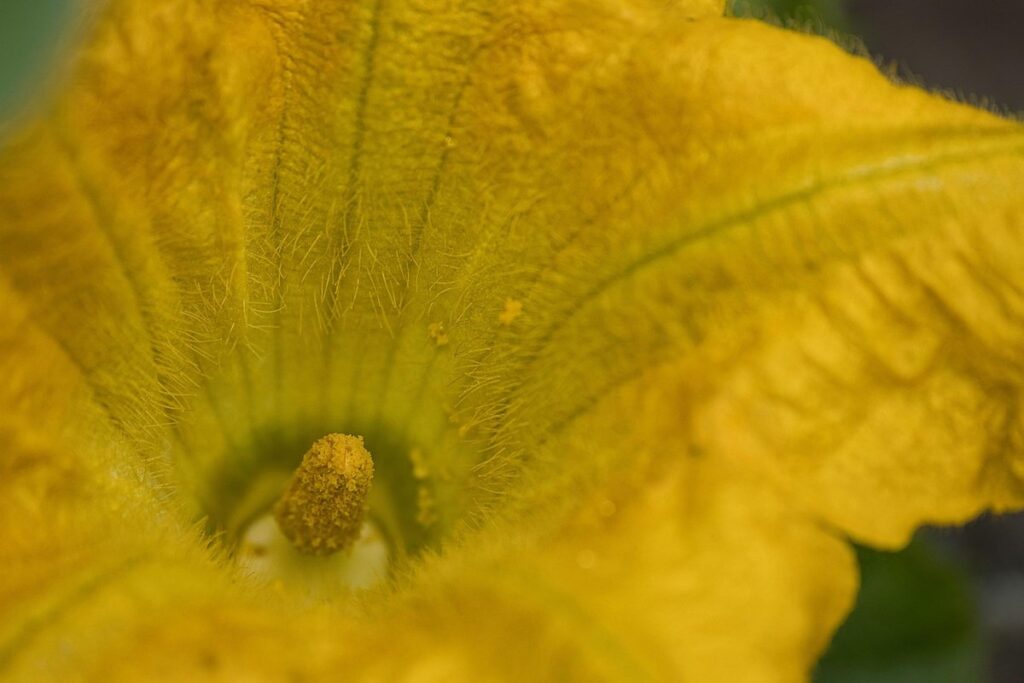
What are Pumpkin Flowers?
Let’s start with the basics: what exactly is a pumpkin flower, and where do these beautiful blooms come from on your very own pumpkin vine.
Definition and Purpose
Pumpkin flowers are more than just a pretty face – they’re also an edible and delicious addition to many dishes. Growing on the pumpkin vines that twist and turn through your garden, these vibrant blooms can be plucked and used in a variety of ways.
The term “pumpkin flower” actually refers specifically to the male flowers on the vine, which are typically larger than the female flowers. Both types are edible, but the male flowers have a more delicate flavor and texture. The female flowers, on the other hand, will eventually develop into the pumpkin itself if pollination occurs.
When it comes to harvesting your pumpkin flowers, simply snip them off with scissors or pinch them off by hand just above the stem. You can use them fresh in salads, sauté them as a side dish, or even pickle them for a tangy snack. Experiment with different recipes and find your favorite way to enjoy these tasty blooms!
Types of Pumpkin Flowers
There are several types of pumpkin flowers, each with its own unique characteristics and roles in the plant’s reproductive cycle. The most common types of pumpkin flowers are male and female flowers.
Male pumpkin flowers are typically smaller than their female counterparts and have a slender stem that attaches them to the vine. They produce pollen, which is necessary for fertilization to occur. Male flowers often bloom before female flowers and can be found throughout the plant’s growth cycle. They serve as pollinators, allowing the transfer of pollen from one flower to another.
Female pumpkin flowers are larger than male flowers and have a prominent ovary that contains the seeds. These flowers require pollination from male flowers in order to produce viable seeds. Without proper pollination, female flowers may wither away without producing any seeds.
Understanding the differences between male and female pumpkin flowers is crucial for gardeners looking to successfully cultivate pumpkins. By identifying and caring for both types of flowers, you can promote healthy growth and ensure a bountiful harvest.
Growing Conditions for Pumpkin Flowers
For pumpkin flowers to thrive, they require optimal growing conditions. When it comes to sunlight, these delicate blooms need at least six hours of direct sunlight per day. However, if you’re planting in a warmer climate, be cautious not to expose them to excessive heat, which can cause the flowers to wilt.
Soil quality is also crucial for pumpkin flower growth. They prefer well-draining, rich soil with a pH between 6.0 and 6.8. To achieve this, mix compost or well-rotted manure into the soil before planting. This will not only provide essential nutrients but also improve water retention.
Watering requirements are equally important. Pumpkin flowers need consistent moisture, especially when they’re producing fruit. Aim to provide about an inch of water per week, either through rainfall or irrigation. Avoid overwatering, as this can lead to root rot and other problems. By providing the right balance of sunlight, soil, and water, you’ll be well on your way to growing healthy, vibrant pumpkin flowers that will attract pollinators and produce a bountiful harvest.
Edible Uses and Benefits
Pumpkin flowers are a delicacy, not just for their beauty but also for their flavor. In this section, we’ll explore how to incorporate them into your cooking and reap their health benefits.
Culinary Applications
Pumpkin flowers are a delicacy waiting to be explored. Their tender petals and delicate flavor make them an excellent addition to various dishes. One of the most popular ways to enjoy pumpkin flowers is by incorporating them into fritters, adding a burst of sweetness to your meals. Simply dip the petals in a light batter, fry until crispy, and serve as a side or appetizer.
Incorporating pumpkin flowers into salads adds an explosion of flavors and textures. Simply sauté the petals with some olive oil, garlic, and herbs like basil or parsley, then toss them with mixed greens, your favorite dressing, and other toppings. This is a great way to showcase the versatility of pumpkin flowers in both sweet and savory dishes.
For a more sophisticated dish, try sautéing pumpkin flowers with butter, salt, and a pinch of nutmeg. The delicate flavor of the petals pairs beautifully with rich ingredients like truffle oil or shaved Parmesan cheese. Experiment with different seasonings to create unique flavor profiles that suit your taste.
Nutritional Value and Health Benefits
Pumpkin flowers are not only a delicacy to eat, but they’re also packed with nutrients that can provide numerous health benefits. One of the key reasons why pumpkin flowers are considered superfood is because of their high levels of vitamins and minerals. They are an excellent source of vitamin A, C, and E, as well as potassium, magnesium, and iron. These essential nutrients play a crucial role in maintaining good vision, immune function, and overall heart health.
In addition to these key vitamins and minerals, pumpkin flowers also contain a wealth of antioxidants that can help protect the body against free radicals and oxidative stress. Antioxidants are particularly important for reducing inflammation and preventing chronic diseases such as cancer, diabetes, and cardiovascular disease. Eating pumpkin flowers can provide an easy and delicious way to boost your antioxidant intake.
When preparing pumpkin flowers for consumption, it’s essential to use them in a way that maximizes their nutritional benefits. Simply sauté the flowers with garlic and olive oil, or add them to soups, salads, or pasta dishes for a nutrient-packed meal.
Preservation Methods for Pumpkin Flowers
Preserving pumpkin flowers for year-round enjoyment is a delicate process, but with the right techniques, you can enjoy their beauty and flavor long after they’ve faded. One popular method is air-drying, where individual blooms are tied in small bunches and hung upside down in a warm, dry location. This allows them to retain their texture and color, making for a lovely addition to potpourri or wreaths.
Another effective way to preserve pumpkin flowers is through freeze-drying, which involves placing the flowers on a sheet pan and freezing them until they’re brittle. Then, simply break off the dried petals and store them in an airtight container. This method is ideal for adding fresh flavor to soups and sauces later in the year.
If you prefer to preserve your pumpkin flowers through pickling, start by cleaning and preparing the blooms as you would for any other vegetable. Then, pack them tightly into a clean glass jar, covering them with a brine made from vinegar, salt, and spices. This method allows you to enjoy the delicate flavor of pumpkin flowers in salads and sandwiches throughout the year.
By preserving your pumpkin flowers using these methods, you can experience their beauty and taste all year round – adding an extra layer of magic to your cooking and decorating endeavors.
Cultivating and Harvesting Pumpkin Flowers
Pumpkin flowers are a delight for gardeners, not only because they’re edible but also because they signify a bountiful harvest. In this section, we’ll walk you through how to cultivate and harvest these beautiful blooms successfully.
Plant Selection and Preparation
When selecting pumpkin varieties for cultivating and harvesting their flowers, it’s essential to choose types that thrive in your local climate. Look for pumpkin varieties specifically bred for their abundant and flavorful blooms, such as ‘Jack Be Little’, ‘Baby Boo’, or ‘Small Sugar’. These compact vines produce an abundance of bright yellow flowers with a delicate, sweet fragrance.
Before planting pumpkin seeds, prepare the soil by loosening it to a depth of about 12 inches. Mix in compost or well-rotted manure to improve drainage and fertility. Pumpkins require full sun and warm temperatures to grow optimally, so choose a location that receives direct sunlight for at least six hours a day.
In regions with shorter growing seasons, opt for early-maturing varieties like ‘Sugar Pie’ or ‘Baby Pat’. These will give you a head start on harvesting the flowers before the first frost. In areas with longer growing seasons, consider planting multiple batches of pumpkin seeds to stagger the harvest and enjoy a prolonged bloom period.
Tips for Encouraging Flower Production
To encourage optimal flower production on your pumpkin plants, it’s essential to provide them with proper care. Pruning is a crucial aspect of this process. Regularly remove weak and spindly growth to direct the plant’s energy towards producing more flowers. This can be done by removing the tips of the main stems or any vigorous side shoots that are growing inwards.
Fertilizing your pumpkin plants will also promote healthy growth and encourage flowering. A balanced fertilizer high in potassium is ideal, as this promotes fruiting and flowering. You can apply a fertilizer specifically formulated for pumpkins around 30 days after sowing, following the product’s instructions carefully.
Monitoring for pests like aphids, whiteflies, and squash bugs is vital to prevent damage to your plants’ leaves and flowers. Regularly inspect your plants for any signs of infestation and take action promptly if you notice any issues. By providing your pumpkin plants with proper care and attention, you’ll be well on your way to a bountiful harvest of delicious pumpkins.
Timing and Techniques for Harvesting
When it comes to harvesting pumpkin flowers, timing is everything. The ideal time to pick flowers depends on whether you want them for decoration, cooking, or preservation. For edible purposes, wait until they are fully open and the petals have dropped slightly. This indicates that the flower has begun to produce a female ovary.
For decorating or preservation, pick the flowers in the morning when they’re still closed. Cut off the stem at an angle using sharp pruning shears to prevent water from collecting and promoting decay. To minimize damage, twist the stem gently rather than pulling it straight out. This technique will help preserve the flower’s natural shape and color.
When handling delicate pumpkin flowers, be gentle to avoid bruising or tearing the petals. You can also dip the cut ends in a mixture of sugar and water to extend their vase life. By harvesting at the right time and handling with care, you’ll be able to enjoy your beautiful pumpkin flowers for longer.
Safety Precautions and Allergies
When working with pumpkin flowers, it’s essential to take a few precautions to ensure your safety and identify potential allergens that may affect you. We’ll guide you through what to look out for in this section.
Common Allergies and Sensitivities
When working with pumpkin flowers, it’s essential to be aware of potential allergens that may cause reactions in some individuals. While rare, allergies to pumpkin and its parts can occur. Pollen from the flower is a common allergen, causing respiratory issues like congestion, sneezing, and itchy eyes in people who are sensitive.
Some individuals might also experience skin irritation or hives due to contact with the sap of the pumpkin plant. This can be particularly problematic for gardeners handling the flowers extensively.
If you’re handling pumpkin flowers and notice any symptoms such as redness, itching, or swelling on your skin, wash the affected area thoroughly with soap and water. For pollen-related allergies, consider wearing a mask when working with the plants to minimize exposure.
To minimize risks further, keep in mind that some people may experience sensitivity to other parts of the pumpkin plant. Always wear gloves when handling pumpkins and flowers, especially if you have pre-existing skin conditions or allergies. By being aware of these potential allergens and taking precautions, you can enjoy working with pumpkin flowers while minimizing potential risks.
Precautions for Consumption
When handling and consuming pumpkin flowers, it’s essential to exercise caution to ensure a safe and enjoyable experience. To avoid any potential issues, follow these guidelines.
Firstly, proper cooking methods are crucial to unlock the full flavor and nutritional benefits of pumpkin flowers. The delicate petals can easily become overcooked or burnt, which not only affects their taste but also makes them unpalatable. Steaming or sautéing for a short duration is recommended, allowing you to retain their tender texture.
It’s also vital to be mindful of cross-contamination when consuming pumpkin flowers, especially if you’re using edible flowers as an added garnish. Make sure your hands and any utensils used are thoroughly cleaned, and avoid placing the flowers near strong-smelling foods that may transfer odors or residue.
By taking these precautions into account, you’ll not only minimize potential risks but also be able to enjoy the full sensory experience of pumpkin flowers in all their beauty and flavor.
History and Cultural Significance of Pumpkin Flowers
Pumpkin flowers have a rich history and cultural significance, with many cultures valuing them for their beauty and symbolism. Let’s explore how they’ve been used in various traditions around the world.
Origins and Folklore
Pumpkin flowers have been an integral part of various cultures for centuries, with their significance and usage varying greatly from one society to another. In many ancient civilizations, pumpkin flowers were considered a delicacy and were used as a symbol of fertility and abundance. For example, in ancient Mexico, the Aztecs revered pumpkin flowers as a sacred offering to their gods, often using them in rituals to ensure bountiful harvests.
In Asian cultures, pumpkin flowers are still used today in traditional medicine and cooking. The flower’s edible petals are said to possess anti-inflammatory properties and are often used to treat respiratory issues. In India, the flowers are also used as a garnish for various dishes, including curries and salads.
Interestingly, the use of pumpkin flowers as a culinary ingredient has also been documented in ancient European cultures. In some parts of Italy, for instance, the flowers are still pickled and served as a side dish. The versatility and rich history surrounding pumpkin flowers highlight their importance in various cultural traditions and cuisines.
Symbolism and Uses in Traditional Medicine
In many cultures, pumpkin flowers are not just a delicious and nutritious ingredient, but also hold significant symbolic meaning and have been used for centuries in traditional medicine. For instance, in some Asian cultures, the flower is believed to symbolize abundance, prosperity, and good fortune. In India, it’s considered a sacred offering to deities during festivals.
In traditional Chinese medicine, pumpkin flowers are used to treat various ailments such as fever, cough, and digestive issues. The flowers’ high water content and cooling properties make them an excellent remedy for heat-related illnesses. To prepare the flower for medicinal use, simply rinse it with water, pat dry, and steep in hot tea or broth.
Similarly, in some African countries, pumpkin flowers are used to treat skin conditions like eczema and acne due to their anti-inflammatory properties. To make a face mask using pumpkin flowers, puree the petals in a blender, mix with aloe vera gel and honey, and apply for 15-20 minutes before rinsing off.
It’s essential to note that while these uses are rooted in tradition and have shown promise, they should not be used as a replacement for modern medicine. Always consult with a healthcare professional before using pumpkin flowers or any other herbal remedy. With its rich cultural significance and potential health benefits, it’s no wonder why pumpkin flowers continue to fascinate and inspire us today.
Frequently Asked Questions
Can I use pumpkin flowers if they have been sprayed with pesticides?
No, it is not recommended to consume pumpkin flowers that have been treated with pesticides or other chemicals. Always check the growing conditions and handling practices for your pumpkin vines before harvesting the flowers.
How long do pumpkin flowers stay fresh after harvesting?
Pumpkin flowers are delicate and have a short shelf life. They can be stored in the refrigerator for up to 2-3 days, but it’s best to use them within a day or two of harvesting for optimal flavor and texture.
Can I grow pumpkin flowers in containers?
Yes, you can grow pumpkin flowers in containers provided they receive full sun and have well-draining soil. Use a large container with at least 5-gallon capacity and make sure the vines have room to spread out.
How do I tell if my pumpkin flower is male or female?
Male pumpkin flowers are typically larger than female flowers, have thicker stems, and have prominent stamens in the center of the bloom. Female flowers are smaller, have thinner stems, and lack visible stamens.
Can I use pumpkin flowers in place of zucchini flowers in recipes?
Yes, you can substitute pumpkin flowers for zucchini flowers in most recipes. However, keep in mind that pumpkin flowers may have a slightly different flavor profile and texture due to their higher water content.