
Pruning your olive tree can be intimidating if you’re new to gardening, but with the right techniques, tools, and timing, you’ll be enjoying a lush and productive tree in no time. Olive trees are a staple in many Mediterranean gardens, providing not only delicious fruit but also beautiful foliage and shade. However, neglecting regular pruning can lead to weak branches, reduced yields, and even disease.
In this article, we’ll guide you through the essential steps of pruning an olive tree, covering topics like the right tools to use, when to prune for optimal growth and productivity, and what to do after pruning to ensure your tree stays healthy. Whether you’re a seasoned gardener or just starting out, our comprehensive guide will help you learn how to prune your olive tree like a pro, boosting its longevity and yields in the process.
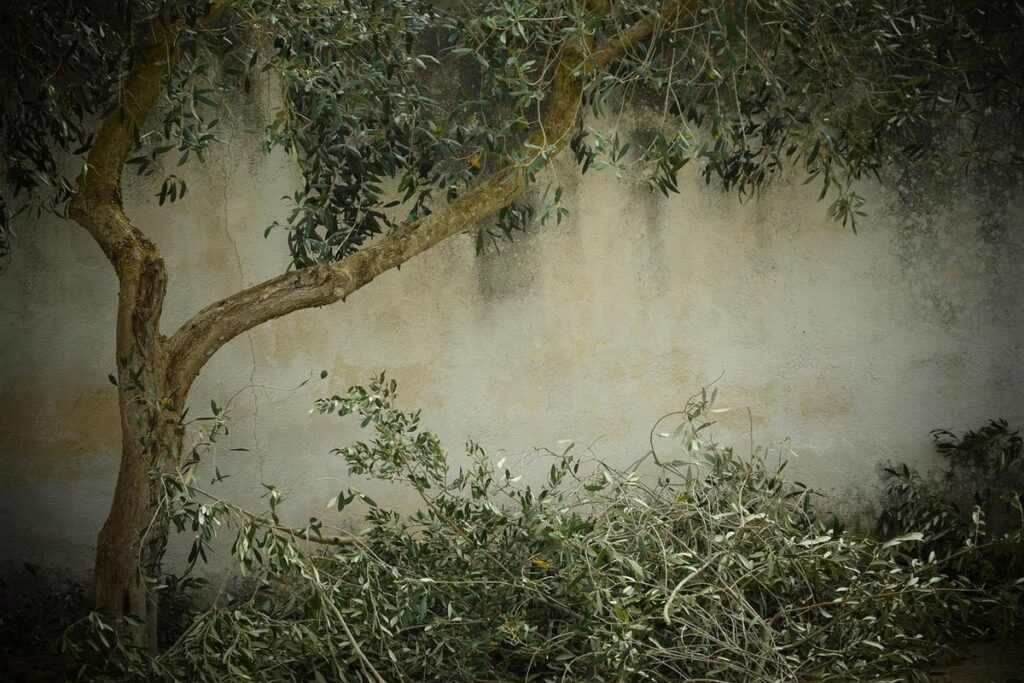
Understanding the Importance of Pruning Olive Trees
Pruning olive trees isn’t just about shaping their appearance, but also plays a crucial role in maintaining their health and encouraging bountiful harvests. In this section, we’ll explore why pruning is essential for your tree’s well-being.
Reasons for Pruning
Pruning olive trees serves multiple purposes that contribute significantly to their overall well-being and productivity. One of the primary reasons for pruning is to improve air circulation around the tree’s canopy. When branches are densely packed, they can create a humid environment conducive to disease development. By removing select branches, you allow for better airflow, which helps to prevent fungal diseases such as powdery mildew.
Reducing the weight and thickness of branches also decreases the risk of damage from strong winds or snow loads. This is particularly crucial in regions prone to harsh weather conditions. Pruning can help minimize stress on the tree, thereby reducing its susceptibility to various pests and diseases.
Regular pruning also encourages a strong shape by promoting an open center or central leader system. This structural arrangement allows for better sunlight penetration, which enhances photosynthesis and supports healthy growth. By maintaining a balanced canopy through regular pruning, you’re essentially investing in your olive tree’s longevity and productivity.
Basic Pruning Techniques
When it comes to pruning olive trees, there are several fundamental techniques that should be mastered. The goal of these techniques is not only to remove dead or diseased branches but also to promote healthy growth and productivity.
One essential technique is removing dead wood, which can harbor pests and diseases that can spread throughout the tree. This involves inspecting the tree regularly to identify any dead or damaged branches, which should be cut back to a point just above a bud or lateral branch. Another crucial aspect of pruning is reducing crown density by thinning out overcrowded branches. This helps improve air circulation, reduces the risk of disease and pests, and allows sunlight to penetrate deeper into the tree.
In addition to these techniques, shaping the tree’s canopy is also vital for maintaining its overall health. Prune any branches that are crossing or rubbing against each other, as this can cause damage and lead to disease. By adopting a regular pruning schedule and employing these basic techniques, you’ll be well on your way to cultivating healthy and productive olive trees.
When pruning, make sure to use sharp tools to minimize damage to the tree’s bark. It’s also essential to prune during the dormant season, usually from January to March, when the tree is less susceptible to stress and disease.
Safety Precautions for Pruning Olive Trees
When pruning olive trees, it’s crucial to prioritize your safety above all else. This involves taking necessary precautions to protect yourself from potential hazards. One of the most important steps is wearing protective gear.
Start with gloves, which will safeguard your hands from sharp branches and thorns. Safety glasses are also a must-have, as they shield your eyes from flying debris and sap splashes. Don’t forget to pack a first-aid kit nearby in case of any accidents.
Additionally, use ladders carefully, ensuring they’re sturdy and positioned correctly. Always maintain three points of contact with the ladder – two hands and one foot, or two feet and one hand. This simple rule can prevent many accidents.
Pruning near power lines or other obstacles requires extra caution. Be aware of your surroundings and keep a safe distance from any potential hazards. If you’re unsure about how to proceed, consider consulting an expert or postponing the task until conditions are safer.
Identifying the Right Tools for Pruning Olive Trees
To prune your olive tree effectively, you’ll need the right tools on hand, and that’s exactly what we’re going to cover next. Let’s take a look at the essential pruning equipment you should have in your arsenal.
Choosing the Correct Pruning Shears
When it comes to pruning olive trees, having the right pruning shears is essential for the task. There are several types of pruning shears suitable for olive trees, each with its own unique features and benefits.
Bypass pruners are a popular choice among arborists due to their ability to make clean cuts without crushing or tearing branches. They feature curved blades that pass each other when cutting, which helps to prevent damage to the tree. Bypass pruners are ideal for pruning smaller olive trees or for making precision cuts in tight spaces.
Anvil pruners, on the other hand, have a flat cutting surface that strikes the branch against a fixed anvil, making them better suited for thicker branches and more aggressive pruning tasks. Long-reach loppers are also useful for pruning high branches or those that are difficult to access.
It’s not just about choosing the right type of pruners – sharp blades are crucial for making clean cuts that promote healthy growth. Regular maintenance is essential, including cleaning and oiling your pruners after each use to keep them in good condition.
Other Essential Tools for Pruning Olive Trees
While hand pruners, loppers, and pole saws are essential for pruning olive trees, there are some additional tools that can make the job easier and safer. A pruning saw is a useful tool to have on hand, especially when dealing with thicker branches. Look for a saw specifically designed for pruning, as they tend to have curved or angled blades that allow for precise cuts.
Gloves are also essential for protecting your hands from thorns and sap. Choose gloves made from durable materials like leather or synthetic fabrics that can withstand regular use. Consider investing in a pair of gardening knee pads or a tree pruning guide to help you maintain balance and reach those hard-to-reach branches. A pruning guide, typically a curved bar with markings indicating optimal cutting points, ensures accurate cuts and reduces the risk of over-pruning.
Remember to always store your tools safely after use to avoid accidents. Regular maintenance and proper tool usage will not only make pruning easier but also promote healthy growth and productivity in your olive trees.
Determining the Best Time for Pruning Olive Trees
When pruning olive trees, timing is crucial – understanding when to prune can make all the difference in promoting healthy growth and encouraging optimal fruit production. Let’s explore how to determine the best time for pruning your olive tree.
Factors Influencing Pruning Timing
When it comes to pruning olive trees, timing is everything. The factors that influence pruning timing are multifaceted and must be carefully considered to ensure the health and productivity of your tree. Climate plays a significant role, as pruning during extreme temperatures can stress the tree further. Pruning in hot summer months, for instance, can cause new growth to become scorched by intense sunlight.
Soil moisture is another crucial factor to consider. Prune when the soil is moist but not waterlogged, as this allows the tree to heal quickly and minimizes the risk of disease. Pest and disease pressure also warrant attention. If your olive tree is susceptible to pests or diseases, it’s essential to prune during periods when these issues are less prevalent.
Pruning during specific seasons can also be beneficial. The dormant season, typically from December to February, is an ideal time for pruning olive trees. During this period, the tree is less stressed and able to recover more efficiently. Prune in late winter or early spring, removing any dead, diseased, or damaged branches to promote healthy growth and encourage a bountiful harvest.
Avoiding Damage from Over-Pruning
When it comes to pruning olive trees, one of the most common mistakes is over-pruning. It’s essential to understand that excessive pruning can cause more harm than good, leading to reduced productivity and even stress on the tree. Think of it this way: an olive tree is like a finely tuned machine – when you remove too many parts, it disrupts its delicate balance.
Over-pruning can lead to sun scald, as branches are suddenly exposed to direct sunlight without adequate protection from older leaves. This causes damage and even death of new growth. Moreover, over-pruned trees may struggle with pest and disease management, making them more susceptible to infestations. Instead, focus on gentle, selective pruning that maintains the tree’s natural shape.
Prune only what is necessary – remove dead, diseased, or damaged branches, and thin out overly dense areas. Leave about 1/3 of the new growth intact to allow for adequate photosynthesis and nutrient uptake. Regular, moderate pruning will encourage healthy growth, promote air circulation, and boost overall productivity.
Pruning Techniques for Specific Olive Tree Types
When it comes to pruning your olive tree, different varieties require unique approaches, and understanding these specific techniques is essential for optimal growth and fruit production. Let’s explore how to prune several popular types of olive trees.
Pruning Dwarf or Compact Varieties
When it comes to pruning dwarf or compact olive trees, maintaining their shape and controlling growth is crucial. These varieties are often chosen for their space-saving benefits, but if left unpruned, they can become leggy and lose their desired form.
To prune dwarf or compact olive trees, start by removing any weak or dead branches, cutting them back to about 1/4 inch from the trunk. This will help maintain a strong framework and promote healthy growth.
Next, select 2-3 main branches to serve as the tree’s support structure, pruning all other branches back to about 6-8 inches from these selected branches. This technique is called “center leading” and helps direct the tree’s energy towards the desired shape.
Make sure to prune at a 45-degree angle, cutting just above a bud or growth node, to encourage new growth in the desired direction. By pruning regularly and selectively, you can maintain the shape of your dwarf or compact olive tree while encouraging healthy growth and maximizing its productivity.
Pruning Standard or Large Trees
When it comes to pruning standard or large olive trees, the goal is not only to maintain their shape but also to promote healthy growth and productivity. To achieve this, you’ll want to focus on reducing branch weight, ensuring air circulation within the canopy, and guiding the tree’s natural shape.
Start by removing any crossing branches that may be weighing down others, as these can lead to damage or even breakage during strong winds. Next, consider thinning out select areas of the tree to allow more sunlight to penetrate and promote even growth. This is particularly important for standard olive trees, which can become top-heavy if not properly pruned.
To maintain air circulation, prune branches that are rubbing against each other or growing too densely within the canopy. Aim to leave at least 6-8 inches of space between branches to allow for proper airflow and prevent disease from taking hold. By pruning your standard or large olive tree in this way, you’ll not only be maintaining its structural integrity but also encouraging a healthy, balanced growth pattern that will reward you with bountiful harvests for years to come.
Tips for Maintaining Healthy Olive Trees After Pruning
Now that you’ve pruned your olive tree, it’s essential to maintain its health and ensure a bountiful harvest by following some simple care tips. Proper after-pruning care can make all the difference in your tree’s recovery.
Post-Pruning Care
After pruning your olive tree, it’s essential to provide proper post-pruning care to ensure its continued health and productivity. This includes adequate watering, fertilization, and monitoring for pests and diseases.
Watering is crucial during the first few weeks after pruning, as the tree will need to focus its energy on producing new growth. Aim to provide about 1-2 inches of water per week, either from rainfall or irrigation. Be cautious not to overwater, as this can lead to root rot and other issues. Check the soil moisture by inserting your finger into the soil up to the knuckle; if it feels dry, it’s time for watering.
Fertilization is also important during this period. Opt for a balanced fertilizer (10-10-10) and follow the manufacturer’s instructions for application rates. You can apply the fertilizer once a month during the growing season (spring-fall). Monitor your tree regularly for signs of pests or diseases, such as yellowing leaves, curled or distorted growth, or actual insects present. Take action promptly if you notice any issues to prevent them from spreading and causing further damage. Regular inspections will help you catch problems early on and maintain a healthy olive tree.
Regular Maintenance Schedule
Regular maintenance is essential for maintaining healthy and productive olive trees after pruning. To keep your tree thriving, it’s crucial to stick to a regular schedule that involves regular inspections, pruning, and care throughout the year.
Start by scheduling monthly inspections to monitor your tree’s health, checking for signs of disease or pests. In spring, inspect for any damage caused by winter weather, such as broken branches or root damage. Perform any necessary pruning in late winter or early spring, removing any dead, diseased, or damaged wood.
Throughout the growing season, inspect and prune regularly to promote healthy growth and fruit production. Prune in June or July, removing any weak or crossing branches that can reduce air circulation and light penetration.
In autumn, prepare your tree for dormancy by cleaning up any fallen leaves or debris, and applying a thin layer of mulch to protect the roots from cold temperatures. Finally, schedule an annual deep root fertilization to replenish nutrient reserves and promote overall tree health.
Conclusion: Maximizing Olive Tree Potential with Pruning
Now that you’ve learned how to prune your olive tree, let’s dive into maximizing its potential by understanding what pruning can and cannot do.
Recap of Key Takeaways
As we conclude our comprehensive guide on pruning olive trees, it’s essential to recap the key takeaways that will help you maximize your tree’s potential. By implementing proper pruning techniques and regular maintenance, you’ll be able to encourage healthy growth, increase productivity, and enjoy a bountiful harvest.
Remember to prune your olive tree during its dormant season to avoid shocking the plant with new growth. Prune strategically by removing one-third of the tree’s foliage annually to promote balanced growth and air circulation. This will also help prevent disease and pest issues.
Additionally, focus on maintaining a strong central leader, remove suckers and water sprouts, and thin out branches to allow sunlight to penetrate and reach all areas of the tree. Regular pruning will not only improve your olive tree’s appearance but also boost its overall health and productivity.
By following these guidelines, you’ll be well on your way to cultivating a thriving, productive olive tree that will provide you with an abundance of delicious olives for years to come.
Final Tips for Success
As you wrap up your pruning journey with olive trees, remember that patience and practice are key. Don’t be discouraged if it takes a season or two to see the full benefits of regular pruning. With time and experience, you’ll develop an eye for identifying potential issues before they become major problems.
For new pruners, consider joining online forums or social media groups dedicated to olive tree care. These communities are fantastic resources for sharing tips, asking questions, and learning from others who have faced similar challenges. You can also consult with local nurseries, gardening clubs, or extension services for personalized advice tailored to your region’s specific climate and conditions.
When tackling tough pruning tasks, such as removing dead wood or correcting structural issues, don’t hesitate to seek professional guidance if needed. Remember that pruning is a skill that takes time to master, and it’s okay to ask for help along the way. By staying committed to regular maintenance and continuous learning, you’ll unlock your olive tree’s full potential and enjoy bountiful harvests for years to come.
Frequently Asked Questions
How soon can I expect to see the results of pruning my olive tree?
You should start seeing improvements in air circulation, reduced disease risk, and increased fruit yield within a year after pruning your olive tree regularly. However, it may take 2-3 years for your tree to reach its full potential. This timeframe allows new growth to become established, enabling the tree to absorb nutrients more efficiently.
Can I prune my olive tree at any time of the year?
While you can prune your olive tree during any season, spring (late winter to early spring) and summer are the best times for pruning. Avoid pruning in fall or winter when possible, as this is a period of dormancy for olive trees. Pruning during these seasons minimizes the risk of disease transmission and allows wounds to heal faster.
How do I prevent damage from over-pruning?
To avoid damaging your olive tree through over-pruning, focus on removing only the necessary branches, taking care not to remove more than 25% of the tree’s foliage at one time. Regular maintenance pruning is key to preventing this issue, ensuring you prune selectively and make clean cuts.
Can I use any type of pruning shears for an olive tree?
For olive trees, it’s best to use high-quality, sharp pruning shears specifically designed for cutting thicker branches (up to 1-inch in diameter). This prevents damage to the tool and ensures clean, precise cuts. For larger branches or more extensive pruning, consider using loppers or a pruning saw.
What are some common mistakes to avoid when pruning an olive tree?
Common mistakes include over-pruning, which can lead to reduced yields and increased disease risk; not removing deadwood and diseased branches promptly; and failing to provide sufficient clearance for air circulation. Regularly inspect your tree for these issues to maintain its health and productivity.