
Growing peas can be a delightful experience, but did you know that proper spacing and support are crucial for a bountiful harvest? Peas are a cool-season crop that require some TLC to thrive. If not given enough space or support, they can become leggy, weak, and more susceptible to disease. This is where many gardeners go wrong – assuming peas are low-maintenance. But with the right techniques, you can boost your pea crops’ yield and quality.
In this article, we’ll dive into expert tips on optimizing pea spacing, preventing common mistakes, and installing effective support systems. We’ll cover how to space your peas correctly for maximum growth, how to prevent them from becoming too leggy or weak, and which types of supports work best. By the end of this guide, you’ll be equipped with the knowledge to grow healthy, thriving pea plants that will make your garden proud!
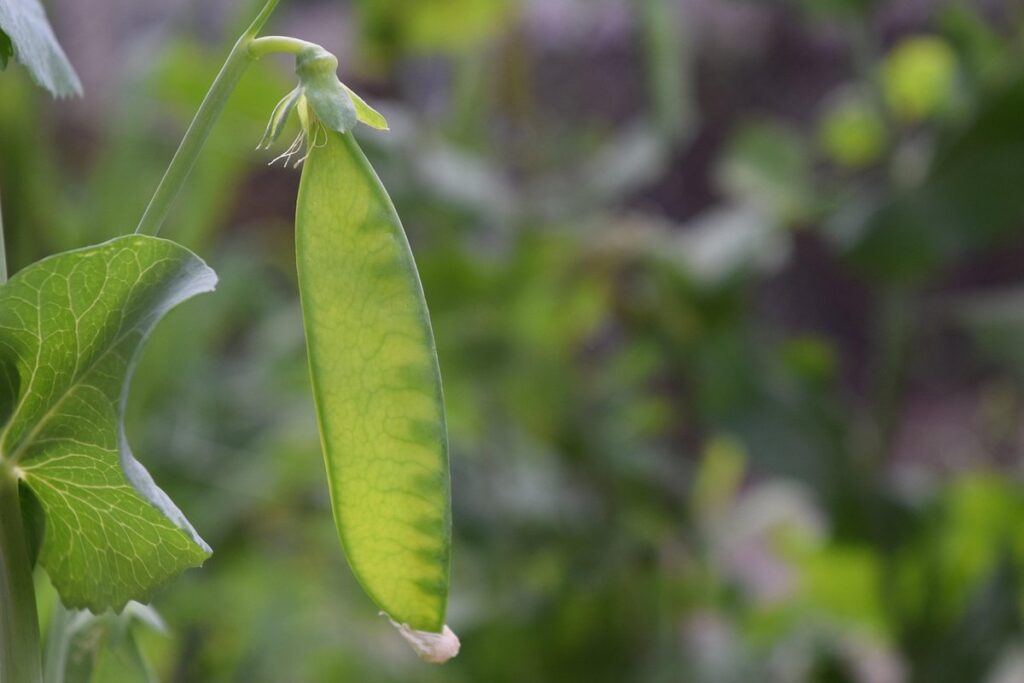
Understanding the Importance of Pea Spacing
To grow healthy and productive pea plants, understanding how much space they need is crucial, as overcrowding can lead to disease and reduced yields. Let’s explore why proper spacing matters in this critical step of pea cultivation.
The Role of Space in Pea Plant Growth
When it comes to pea plant growth, space plays a crucial role. The distance between individual plants can significantly impact their ability to receive essential elements such as sunlight penetration and air circulation. Inadequate spacing can lead to overcrowding, resulting in reduced yields and increased susceptibility to disease.
For instance, when peas are planted too close together, the dense foliage can block out sunlight, preventing the plants from photosynthesizing efficiently. This can lead to stunted growth and lower pod production. Moreover, poor air circulation can foster the spread of diseases like powdery mildew and downy mildew, further compromising plant health.
To ensure optimal pea plant growth, aim for a spacing of 2-3 inches between individual plants and 12-18 inches between rows. This will allow for sufficient sunlight penetration and air circulation to promote healthy development. By providing your peas with the right amount of space, you can expect increased yields and improved resistance to disease.
Common Mistakes to Avoid with Pea Spacing
When it comes to planting peas, gardeners often make mistakes that can lead to weak and spindly plants. One of the most common errors is overcrowding, which occurs when seeds are sown too densely within a row or between rows. This not only makes it difficult for the plants to grow properly but also increases the risk of disease transmission.
Inadequate space between rows is another mistake gardeners often make. If rows are planted too close together, the peas will compete with each other for water, nutrients, and light, resulting in stunted growth and reduced yields. A general rule of thumb is to plant rows 18-36 inches apart, depending on the variety.
The orientation of rows can also impact pea spacing. For example, planting rows parallel to north-south direction can lead to weak stem formation due to uneven sunlight exposure. To avoid this, plant rows perpendicular to the prevailing wind or at a slight angle to ensure even growth and support for the peas. By being mindful of these common mistakes, you can create an optimal growing environment for your pea plants.
Choosing the Right Pea Variety for Your Garden
When planning a successful pea garden, selecting the right variety is crucial, as different types thrive in various conditions and offer distinct flavors and textures. Choose wisely to maximize your harvest!
Determining Seed Packet Recommendations
When selecting seed packets for your pea varieties, you’ll often find guidance on spacing requirements printed right on the packet. These recommendations are crucial to ensure healthy growth and optimal yields from your pea crop. The importance of following these guidelines cannot be overstated.
Seed packets provide valuable insights into the specific needs of each variety, including spacing requirements that cater to their mature plant height and spread. For instance, compact varieties like ‘Tom Thumb’ require only 2-3 inches between plants, while taller varieties like ‘Telephone’ need up to 5-6 inches of space. Not adhering to these guidelines can lead to overcrowding, reduced air circulation, and increased susceptibility to disease.
To determine the optimal spacing for your pea variety, look for the packet’s instructions or consult the seed supplier’s website. Make sure to also consider factors like climate, soil type, and available sunlight when deciding on your final planting layout. By following these guidelines and adapting them to your specific garden conditions, you’ll be well on your way to growing a healthy and productive pea crop.
Understanding Row Spacing Requirements
When choosing a pea variety for your garden, it’s essential to consider the row spacing requirements. This is not just about giving your peas enough room to grow, but also ensuring they receive adequate sunlight, air circulation, and water access.
Several factors influence row spacing needs, including climate. For example, in hot and dry climates, you’ll want to provide more space between rows (typically 3-4 feet) to prevent moisture loss and promote healthy growth. In cooler and moister climates, you can get away with narrower row spacings of 2-3 feet.
Soil quality also plays a significant role. If your soil is dense or heavy clay, it’s best to provide more space between rows (around 4 feet) to prevent waterlogging and root congestion. On the other hand, if your soil is well-draining and loose, you can opt for narrower row spacings.
Lastly, don’t forget about available garden space. Make sure you have enough room for mature pea plants to grow without overcrowding or competing for resources. A general rule of thumb is to provide at least 12-18 inches between rows for bush peas and 2-3 feet for climbing peas.
Pea Support Systems: Why They’re Essential
When growing peas, proper support is crucial for healthy plants and a bountiful harvest. In this section, we’ll explore the importance of pea support systems and why they’re an essential component of successful gardening.
Types of Pea Supports Available
When it comes to providing support for your pea plants, you’ve got several options to choose from. Let’s take a look at some of the most common types of pea supports available.
Trellises are a popular choice among gardeners, as they allow peas to grow upwards and make efficient use of space. They can be made from a variety of materials, such as wood, metal, or PVC, and come in different designs to suit your specific needs. However, trellises can be quite expensive, especially if you’re looking for a high-quality one.
Stakes are another option for providing support to your peas. These are usually made from bamboo, wooden dowels, or metal rods and are easy to install around the base of each plant. They’re a more budget-friendly alternative to trellises but may require more labor to set up. Stakes can also cause damage to nearby plants if not placed carefully.
Cages are a great option for gardeners who prefer a more hands-off approach. These are usually made from wire or metal and provide support to the peas while keeping pests away. However, cages can be quite bulky and take up valuable space in your garden.
Consider your specific needs and the layout of your garden before choosing a pea support system. You may find that a combination of different supports works best for you, such as using stakes for smaller varieties and trellises for larger ones.
How to Install a Pea Trellis for Maximum Support
Installing a pea trellis is an essential step in maximizing support for your pea plants. To begin, choose a location that receives full sun and has good air circulation to prevent disease. When it comes to spacing the trellis, consider placing it 2-3 feet away from the peas to allow for proper growth.
To secure the trellis, drive stakes into the ground on either side of the structure, about 6 inches deep. Make sure they are spaced evenly apart and tied together at the top with twine or wire. This will provide stability and prevent the trellis from toppling over in the wind.
Once your trellis is set up, it’s time to train the peas to grow up the structure. Begin by gently twirling the stem around the trellis as you plant the pea seeds. As the plants grow, continue to guide them upwards by gently twining new growth around the trellis. You can also use clips or ties to secure any wayward stems.
By following these simple steps, you’ll have a sturdy pea trellis in no time, providing maximum support for your plants and helping them reach their full potential.
Implementing Effective Pea Spacing in Your Garden
Let’s dive into the specifics of pea spacing, as a well-placed row can greatly impact your harvest’s success and overall garden layout. A closer look at optimal spacing will help you maximize yields.
Measuring and Marking Out Pea Beds
When it comes to achieving optimal growth for your peas, accurate measurement and marking out of pea beds is crucial. To do this effectively, start by familiarizing yourself with the recommended spacing guidelines. For most garden varieties, this ranges from 2-3 inches (5-7.5 cm) between plants, depending on the specific type.
To measure and mark out your pea bed accurately, use a measuring tape or string to create a straight line along the length of the bed. Then, using a ruler or plant marker, mark out evenly spaced intervals at the recommended distance apart. You can also use a grid system, where you draw intersecting lines to help guide your planting.
Remember that peas are typically planted in rows, with each row about 6-8 inches (15-20 cm) apart. This allows for easy access and maintenance between rows. If you’re new to gardening or unsure about the spacing of your pea bed, consider creating a mock-up using sticks or small markers before planting.
By taking the time to accurately measure and mark out your pea bed, you’ll be able to plant your peas at the optimal distance for healthy growth and maximize yields in your garden.
Overcoming Challenges with Pea Spacing and Support
When it comes to implementing effective pea spacing in your garden, you may encounter some common challenges that can impact the health and productivity of your plants. Soil compaction is one issue that can arise from over-tightening the rows or using heavy gardening tools, causing roots to grow deeper rather than wider.
Another challenge is pest and disease management. Peas are susceptible to pests like aphids, slugs, and snails, as well as diseases such as powdery mildew and leaf spot. To address these issues, try using physical barriers to deter pests, or introducing beneficial insects that prey on common pea pests.
For example, introducing ladybugs or lacewings can help control aphid populations naturally. Regularly inspecting your plants for signs of disease and taking prompt action to treat any affected areas can also prevent the spread of disease.
In terms of soil compaction, consider using a fork to gently loosen the soil around your pea plants as they grow, rather than tilling the entire bed at once. This will help maintain air pockets in the soil and promote healthy root growth.
Tips for Improving Yield and Harvest Results
To maximize your pea harvest, here are some actionable tips to help you optimize your garden’s yield and get the most out of your labor. Let’s dive into these essential techniques together!
The Impact of Pea Spacing on Yield and Quality
When it comes to pea spacing, many gardeners focus on maximizing yield quantity without considering its impact on quality. However, adequate pea spacing is crucial for not only increasing yields but also improving their quality. By providing sufficient space between each plant, you can reduce the risk of disease and promote healthy growth.
Proper spacing allows for good air circulation, which helps prevent fungal diseases like powdery mildew from taking hold. When peas are crowded, moisture becomes trapped among the plants, creating an ideal environment for pathogens to thrive. By keeping a safe distance between each plant, you can significantly reduce the risk of disease and ensure healthier crops.
In addition to disease resistance, adequate pea spacing also ensures optimal nutrient availability. With enough space, each plant can absorb the necessary nutrients without competing with its neighbors. This results in more robust growth, better flavor, and higher yields overall.
Maximizing Your Pea Crop with Proper Support
Providing stable support to peas during their growth stages is crucial for maintaining crop health throughout the season. Without proper support, pea plants can become weighed down by their own weight, leading to reduced yields and increased susceptibility to disease. To prevent this, consider using a trellis or other type of support system that allows peas to grow upright.
For maximum benefit, install your support system at planting time. This will give the peas a chance to develop a strong root system before they start climbing up the trellis. Be sure to space your supports closely enough together so that multiple rows can be planted between them.
To maintain crop health, inspect your pea plants regularly for signs of stress or disease. Remove any weak or damaged sections to prevent the spread of disease and encourage healthy growth. By providing proper support and regular maintenance, you’ll be able to enjoy a bountiful harvest of fresh peas in no time.
Frequently Asked Questions About Pea Spacing and Support
We’ve received many questions from gardeners like you on how to plant peas for maximum yield and what kind of support they really need. Let’s answer some of the most common ones here!
Common Pests and Diseases Affecting Peas
As you work on cultivating a healthy pea crop, it’s essential to be aware of common pests and diseases that can affect them. These issues can significantly impact your yields, so understanding their causes and prevention methods is crucial.
One of the most notorious pests affecting peas is the pea aphid (Acyrthosiphon pisum). These tiny insects feed on plant sap, causing curled or distorted leaves, stunted growth, and reduced yields. To prevent infestations, use neem oil sprays or insecticidal soap to repel aphids.
Another common issue is powdery mildew, a fungal disease caused by the pathogen Erysiphe pisi. It appears as white powdery patches on leaves, which can eventually lead to defoliation and reduced photosynthesis. Regularly inspect your plants for signs of infection and remove any affected areas. Implement crop rotation, prune infected plants, and use fungicides containing sulfur or copper.
Additionally, pea crops are susceptible to root rot caused by fungal pathogens like Aphanomyces euteiches. This can be prevented by ensuring good drainage in the soil, avoiding overwatering, and incorporating organic matter to improve soil structure.
In managing pests and diseases, maintain a clean growing environment, disinfect tools regularly, and avoid overcrowding your plants. These measures will significantly reduce the risk of infestation or infection and contribute to a successful pea harvest.
How to Troubleshoot Pea Plant Issues
If you notice that your pea plants are struggling, it’s essential to troubleshoot the issue quickly to prevent further damage. One common problem is yellowing leaves, which can be caused by overwatering, underwatering, or nutrient deficiencies. To address this, check the soil moisture by inserting your finger into the soil up to the first knuckle. If the soil feels dry, it’s time to water; if it’s already moist, wait a few days before watering again.
Another issue is stunted growth, which can be caused by inadequate light, poor air circulation, or pests like aphids and slugs. Inspect your plants carefully for any signs of infestation and treat them promptly with neem oil or insecticidal soap. If you suspect that the problem lies in insufficient light, consider moving your pea plants to a brighter location or supplementing with grow lights.
It’s also crucial to monitor for signs of disease like powdery mildew, downy mildew, and root rot. If you notice any unusual growths or discoloration, isolate the affected plant to prevent the spread of infection and treat it with fungicides as needed. By addressing these issues promptly and making adjustments to your care routine, you can help your pea plants recover and thrive.
Frequently Asked Questions
Can I space peas too far apart, or will this harm their growth?
Yes, while it’s essential to provide enough space for peas, spacing them too far apart can lead to weaker stems and reduced yields. A general rule of thumb is to leave at least 2-3 inches between individual plants, but this can vary depending on the specific variety and growing conditions.
How do I prevent peas from becoming leggy or weak due to inadequate support?
To combat legginess and promote healthy stem growth, ensure that your pea supports are sturdy enough to hold the weight of the mature plants. Install supports early in the season, and consider using a combination of stakes, twine, or netting for added stability.
Can I use regular garden fencing as a pea support system?
While some garden fences can be repurposed as pea supports, they might not provide the necessary flexibility or adjustability to accommodate growing plants. Opt for specialized trellises or supports designed specifically for peas, which offer better airflow and easier access for harvesting.
How do I measure and mark out my pea beds accurately for optimal spacing?
To ensure accurate spacing, use a measuring tape to mark out your bed in sections corresponding to the recommended row spacing (typically 3-4 feet). Then, divide each section into individual plantings using stakes or flags. Double-check your measurements to avoid overcrowding or underplanting.
What if I encounter challenges with pests or diseases affecting my pea crop despite proper spacing and support?
If you’re experiencing issues with pests or diseases, inspect your plants carefully for signs of infestation or infection. Implement integrated pest management (IPM) strategies by combining physical barriers, organic repellents, and targeted treatments to address the issue at its source.