
When growing peas, one of the most crucial aspects to master is watering. It’s easy to get caught up in providing enough water for your plants, but over- or under-watering can lead to a poor yield and even damage to your pea seeds. This is especially true when it comes to knowing exactly how much water your pea seeds need on a weekly basis. The right amount of moisture will help your peas grow strong and healthy, while excessive watering can be detrimental. In this article, we’ll dive into the specifics of weekly pea seed watering, including temperature, soil type considerations, and common mistakes to avoid. By following our expert guide, you’ll learn how to optimize your pea crops growth and yield for a bountiful harvest.
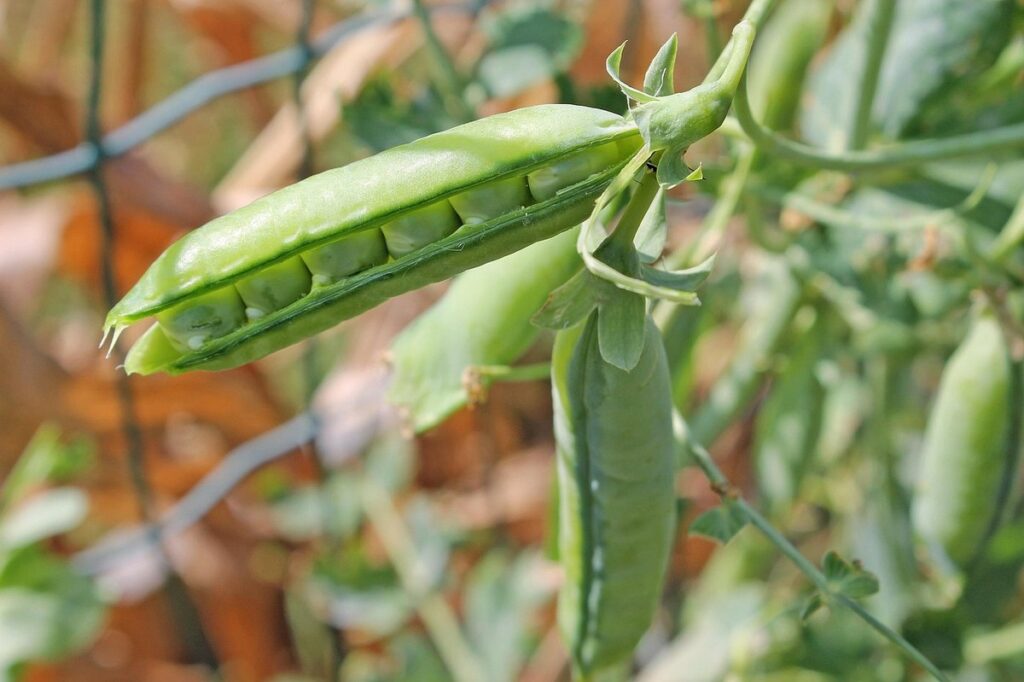
Understanding Pea Seed Water Requirements
To get a clear picture of what your pea seeds need, let’s dive into understanding their water requirements throughout different growth stages.
The Importance of Adequate Watering for Pea Seeds
Proper watering is essential for pea seed germination and growth. If the seeds don’t receive enough moisture, they may not germinate at all, leading to a lower yield. On the other hand, overwatering can cause the seeds to rot before they even have a chance to sprout.
To ensure your pea seeds get the right amount of water, you need to understand their specific watering requirements. Pea seeds typically require about 1/4 inch of water per week, either from rainfall or irrigation. This might seem like a small amount, but it’s crucial for the seeds to absorb the necessary moisture without getting too soggy.
As a general rule, check the soil moisture by inserting your finger into the soil up to the first knuckle. If the soil feels dry, it’s time to water. Aim for gentle, consistent watering to avoid washing away the delicate seedlings. You can also use a drip irrigation system or soaker hose to deliver water directly to the roots.
Keep in mind that pea seeds have a relatively low water requirement compared to other plants. Overwatering can lead to fungal diseases and root rot, which are major killers of young seedlings.
Factors Affecting Pea Seed Water Needs
When it comes to determining the right amount of water for your pea seeds, several factors come into play. Temperature and humidity are two key elements that significantly impact the water requirements of pea seeds.
Temperature plays a crucial role in water consumption by pea seeds. Seeds germinating in warmer temperatures tend to use more water than those growing in cooler conditions. For example, studies have shown that at 70°F (21°C), seeds absorb around 25% more moisture compared to those growing at 50°F (10°C). This is why it’s essential to consider the temperature when deciding how much water to give your pea seeds.
Humidity also affects the amount of water needed. High humidity can lead to excessive moisture loss, making the soil dry out faster than usual. Conversely, low humidity can cause water to evaporate slowly from the soil. Soil type is another significant factor influencing water requirements. Light, well-draining soils tend to dry out faster, whereas heavy clay or sandy soils retain more moisture.
When sowing pea seeds, consider the temperature and humidity levels in your area. If you’re planning to grow in a location with extreme temperatures or low humidity, take extra precautions by adjusting your watering schedule accordingly. Watering at the right frequency will help prevent overwatering, which can lead to fungal diseases and root rot, while under-watering might result in stunted growth.
Determining Pea Seed Water Intake Per Week
To accurately plan your pea seed watering schedule, you’ll want to determine how much water they absorb weekly through a simple calculation involving their growth rate and total seeds.
Calculating Daily Water Requirements for Pea Seeds
To calculate daily water intake for pea seeds, you’ll need to consider two key factors: seed size and soil moisture. Start by measuring the volume of your seed trays or containers. A general rule of thumb is to provide 1-2 liters of water per liter of soil, depending on the soil’s moisture level.
Seed size also plays a crucial role in determining daily water intake. Larger seeds require more water than smaller ones. For example, if you’re using larger sugar snap pea varieties, you’ll need to increase your watering schedule accordingly. A good starting point is to provide 10-15% of the seed’s weight in water per day.
Consider the soil moisture level as well. If the top inch of soil feels dry to the touch, it’s time to water. Aim for a gentle soaking, rather than overwatering which can lead to root rot and other issues. Monitor your seeds’ response to watering and adjust your schedule accordingly. Remember that pea seeds germinate best in consistent moisture levels, so avoid letting the soil dry out completely between waterings.
Adjusting Weekly Water Intake Based on Weather Conditions
When it comes to determining the ideal weekly water intake for pea seeds, weather conditions play a significant role. A forecast of high temperatures, sunshine, and dry winds may require you to adjust your watering schedule accordingly. On the other hand, light rainfall or overcast skies might necessitate more frequent watering.
To adapt your watering strategy to changing weather patterns, keep an eye on local weather forecasts. Check the temperature range for the next few days, as well as any precipitation predictions. If a heatwave is expected, increase the frequency of watering to ensure the soil remains moist but not waterlogged.
For instance, if you typically water your pea seeds every 2-3 days during warm and dry spells, you may need to adjust this schedule to every day or even every other day in extreme heat. Conversely, if a storm is approaching, reduce watering to prevent over-saturation of the soil. By being responsive to changing weather conditions, you can provide your pea seeds with the right amount of water at the right time.
Common Mistakes in Watering Pea Seeds
When it comes to watering pea seeds, many gardeners make mistakes that can be detrimental to their growth. Let’s explore some of these common errors to avoid disappointing results.
Overwatering: Causes and Consequences
Overwatering can be a sneaky problem when it comes to pea seedlings. On the surface, it might seem like giving them extra water is beneficial, but too much of a good thing can quickly turn into a disaster. One of the most common signs of overwatering is yellowing leaves or soft, mushy stems.
This is because excess water causes the roots to rot, making it difficult for the seedlings to absorb essential nutrients and oxygen. If left unchecked, overwatering can lead to root decay, which ultimately kills the seedling. To make matters worse, overwatered pea plants are also more susceptible to fungal diseases like powdery mildew.
So, how do you know if you’re giving your pea seeds too much water? Check for these telltale signs: pooling water around the base of the plant, leaves that are consistently soggy or droopy, and a general decline in growth. To prevent overwatering, make sure to check the soil moisture daily by gently poking your finger into the soil up to the first knuckle. If it feels dry, it’s time for some water! But if it’s already moist, wait another day before watering again.
By being mindful of these warning signs and taking proactive steps, you can avoid the pitfalls of overwatering and give your pea seeds the right amount of hydration they need to thrive.
Underwatering: Effects on Growth and Yield
Underwatering can have detrimental effects on pea plant growth and yield. When pea seeds don’t receive enough water, they struggle to germinate, and the seedlings may emerge weak and spindly. This can lead to reduced stem strength, smaller leaf size, and a decrease in the number of flowers produced.
As a result, underwatered pea plants often have lower yields than those that receive adequate moisture. In fact, research has shown that drought stress can reduce pea yield by up to 50%. Furthermore, underwatering can also affect the quality of the peas themselves, making them smaller and less flavorful.
To avoid these issues, it’s essential to monitor your soil moisture regularly and adjust your watering schedule accordingly. Aim to provide about 1-2 inches of water per week, either through rainfall or irrigation. Keep in mind that pea seeds need consistent moisture during germination, but once established, they can tolerate some drought. By striking the right balance, you can promote healthy growth and maximize your pea crop’s potential.
Optimizing Pea Seed Watering Techniques
To give your pea seeds the best chance at thriving, let’s dive into optimizing watering techniques to ensure they receive just the right amount of moisture each week. This section will explore practical tips for achieving optimal water balance.
Mulching and Its Benefits for Pea Seeds
When it comes to growing healthy and productive pea plants, mulching is an often-overlooked yet incredibly effective technique. By applying a layer of organic material such as straw, wood chips, or bark around the base of your pea seedlings, you can retain soil moisture, suppress weeds, and regulate soil temperature.
Mulch acts as a barrier that prevents water from evaporating too quickly, keeping the soil consistently moist for longer periods. This is especially beneficial during hot summer months when pea seeds are more prone to drying out. A good quality mulch can retain up to 80% of moisture in the soil, reducing the need for frequent watering.
Weeds, which compete with your peas for water and nutrients, are also suppressed by a thick layer of mulch. This means you’ll spend less time weeding, and more time enjoying the bounty of your pea harvest. Furthermore, mulch helps to regulate soil temperature, keeping it cooler in summer and warmer in winter – ideal conditions for healthy seed germination and growth.
To get the most out of mulching, aim to apply a 2-3 inch layer around your pea seedlings, leaving about an inch or two around the base of each plant.
Drip Irrigation: A Water-Efficient Solution for Pea Seeds
Drip irrigation is an innovative water-efficient solution that ensures pea seeds receive exactly the right amount of moisture. This method delivers water directly to the roots through a network of tubes and emitters, minimizing evaporation and runoff. By providing precise amounts of water, drip irrigation helps prevent overwatering, which can lead to weakened seedlings and reduced yields.
To implement drip irrigation for your pea seeds, start by placing the drippers 1-2 inches away from the seeds. This distance allows the water to reach the roots without washing away the soil or creating a saturated environment. As you space out the emitters, consider the mature size of the plants to avoid overcrowding. For example, if growing compact pea varieties like ‘Little Marvel’ or ‘Green Arrow’, you may be able to place drippers as close as 2-3 inches apart. In contrast, larger varieties like ‘Patriot’ or ‘Belinda’ require more space between emitters.
Regularly monitoring soil moisture and adjusting the drip irrigation schedule according to weather conditions is crucial for optimal results.
Monitoring and Adjusting Pea Seed Water Intake
To ensure your pea seeds are receiving the right amount of water, you’ll want to monitor their intake and make adjustments as needed, especially during critical growth stages.
Observing Soil Moisture Levels and Plant Response
Monitoring soil moisture levels and observing plant response are crucial steps in determining whether your pea seeds are receiving adequate water. One effective way to monitor soil moisture is by using a soil probe. These handy tools allow you to take readings of the soil’s water content, giving you an accurate picture of its moisture level. Another option is a hygrometer, which measures the humidity in the air and can be used to estimate soil moisture levels.
When using these tools, it’s essential to observe your plant’s response as well. Look for signs such as wilting or yellowing leaves, which can indicate that the soil is too dry. On the other hand, if you notice water pooling around the plants’ bases or excessive leaf growth, this may be a sign of overwatering.
To take it a step further, consider observing your pea seeds’ daily water intake and correlating it with their response. This will help you identify the optimal watering schedule for your specific climate and soil type. By combining these methods, you’ll be able to fine-tune your watering strategy and ensure that your pea seeds receive just the right amount of water each week.
Adapting to Changes in Weather Patterns and Climate
As you’ve learned from our previous discussions on monitoring and adjusting pea seed water intake, flexibility is key when it comes to responding to changing weather patterns and climate conditions. This is particularly crucial for pea seeds, which require consistent moisture levels to thrive.
One of the most significant factors to consider is temperature fluctuations. During periods of intense heat or cold snaps, your pea seeds may require more frequent watering or even a slight adjustment in water intake. For example, if you’re experiencing a prolonged heatwave, it’s essential to increase the frequency of watering to prevent moisture loss from the soil.
Conversely, during cooler periods, you may need to reduce water intake to avoid overwatering and root rot. Be sure to monitor your pea seedlings closely for signs of stress or drought, such as yellowing leaves or a sudden drop in growth rate.
By staying attuned to changing weather patterns and climate conditions, you can fine-tune your watering schedule to ensure optimal growth and development for your pea seeds. Remember to observe the soil moisture levels regularly and adjust your water intake accordingly.
Special Considerations for Different Pea Varieties
When growing different types of peas, it’s essential to consider their unique water requirements and growth habits. Some varieties are more drought-tolerant than others, so be sure to research theirs specifically.
Water Requirements for Different Pea Types (e.g., Sugar Snap, Snow)
When it comes to watering pea seeds, it’s essential to consider the specific needs of each variety. Sugar snap peas and snow peas have different growth habits that impact their water requirements.
Sugar snap peas are a climbing variety that requires more moisture to facilitate their vining habit. They need consistent watering throughout the growing season, with about 1-2 inches of water per week. Aim for a deep soaking once or twice a week, rather than light sprinklings daily.
Snow peas, on the other hand, have a flat, broad growth habit that doesn’t require as much moisture. They prefer well-drained soil and can tolerate some drought, but still need about 0.5-1 inch of water per week. It’s crucial to avoid overwatering, which can lead to root rot and other issues.
Gardeners can also consider the maturity date of their pea variety when determining watering needs. Early maturing peas will require more frequent watering, while late maturing varieties may need less moisture as they approach harvest time.
Keep in mind that these are general guidelines, and your local climate and soil conditions may impact your specific watering schedule.
Unique Challenges with Hydroponic or Container-Grown Peas
When growing peas using hydroponics or containers, you may encounter unique challenges when it comes to watering. One of the primary concerns is overwatering, which can lead to root rot and other issues specific to these growing methods.
In a hydroponic system, for instance, the constant flow of nutrients can make it difficult to gauge the exact water needs of your peas. As a result, you may inadvertently give them too much water, leading to an oxygen deficiency in the roots. To avoid this, monitor your system’s pH and adjust accordingly.
Container-grown peas also require careful watering, as they dry out quickly due to their smaller root systems. Make sure to check the soil moisture by inserting a finger or a chopstick into the soil up to 1-2 inches deep. If it feels dry, it’s time for a drink. Also, be mindful of the pea variety you’re growing – some are more sensitive to waterlogging than others.
It’s essential to develop a watering schedule tailored to your specific peas and growing method.
Conclusion: Finding the Right Balance for Your Pea Seeds
Now that you’ve learned how much water your pea seeds need, let’s talk about what to expect when it comes to finding a healthy balance in their watering routine.
Recap of Key Takeaways on Water Requirements
To ensure optimal growth and development, it’s essential to recap the key takeaways on determining and adjusting water requirements for pea seeds. Based on our exploration throughout this article, here are the crucial points to remember:
When assessing the water needs of your pea seeds, consider factors such as climate, soil type, and seed variety. Be mindful that overwatering can be detrimental to seed growth, leading to rot and other issues. Conversely, underwatering may stunt seedling development.
Key adjustments include increasing water frequency during hot or dry spells, but avoiding excessive watering in cooler or wetter conditions. Also, ensure that the soil has good drainage to prevent waterlogged areas.
Regular monitoring of your pea seeds’ progress is crucial for making informed decisions about their water requirements. Keep a close eye on signs of stress, such as yellowing leaves or stunted growth, and adjust watering schedules accordingly. By following these guidelines, you’ll be well-equipped to provide your pea seeds with the right balance of water for optimal growth.
Final Tips for Achieving Optimal Growth and Yield
To achieve optimal growth and yield from your pea seeds, it’s essential to continue fine-tuning your watering schedule after the germination phase. Make sure you’re providing consistent moisture levels throughout the growing season. This can be achieved by using a drip irrigation system or soaker hose, which delivers water directly to the roots of the plants.
Monitor the soil moisture by inserting your finger into it up to the first knuckle. If the soil feels dry at this point, it’s time for watering. Aim for about 1-2 inches of water per week, either from rainfall or irrigation. You can also use a rain gauge to measure the amount of precipitation your plants receive.
Keep in mind that different types of peas require varying amounts of water. For example, snow peas prefer moist soil and will do well with consistent watering throughout their growth period. On the other hand, sugar snap peas are more drought-tolerant and may need less frequent watering.
Adjust your watering schedule as needed based on weather conditions and the specific growing requirements of your pea variety. This might mean reducing or increasing water intake depending on heat, humidity, or wind.
Frequently Asked Questions
What happens if I accidentally overwater my pea seeds one week, but then the next week it’s dry?
If you notice you’ve overwatered your pea seeds in a particular week, reduce watering for the subsequent weeks to allow the soil to dry out slightly. This will help prevent root rot and ensure healthy growth.
How can I measure 1/4 inch of water per week without a fancy irrigation system?
You can use a simple rain gauge or a ruler to measure the depth of water applied to your pea seeds. Alternatively, you can calculate the weekly watering based on the amount of rainfall received in your area and adjust accordingly.
Can I apply mulch around my pea plants immediately after sowing the seeds?
No, it’s best to wait until your pea seedlings have at least two sets of true leaves before applying mulch. This will prevent any potential for seed rot and allow the soil to settle properly.
What if I’m growing peas in a container or using hydroponics? Do the same water requirements apply?
Yes, the basic principle of 1/4 inch of water per week still applies to pea seeds grown in containers or through hydroponics. However, you may need to adjust your watering schedule based on the specific needs of your system and the moisture retention characteristics of your container.
Can I use a drip irrigation system for my peas if I’m short on time?
Yes, a drip irrigation system can be an excellent option for busy gardeners or those who want to minimize water waste. By delivering water directly to the roots, you can ensure your pea plants receive just the right amount of moisture without overwatering.