
Are you ready to add some drama and elegance to your garden? Look no further than ornamental allium, a stunning and versatile flower that offers more than just beauty. Not only do these unique blooms bring a touch of sophistication to any arrangement or display, but they also pack a punch when it comes to pest control. Imagine having a natural deterrent for aphids, whiteflies, and other pests right in your own garden! In this article, we’ll delve into the wonderful world of ornamental allium, covering how to grow these gorgeous flowers, tips for caring for them, and creative ways to showcase their beauty. Whether you’re a seasoned gardener or just starting out, learn how to make the most of these incredible blooms and bring some extra magic to your outdoor space.
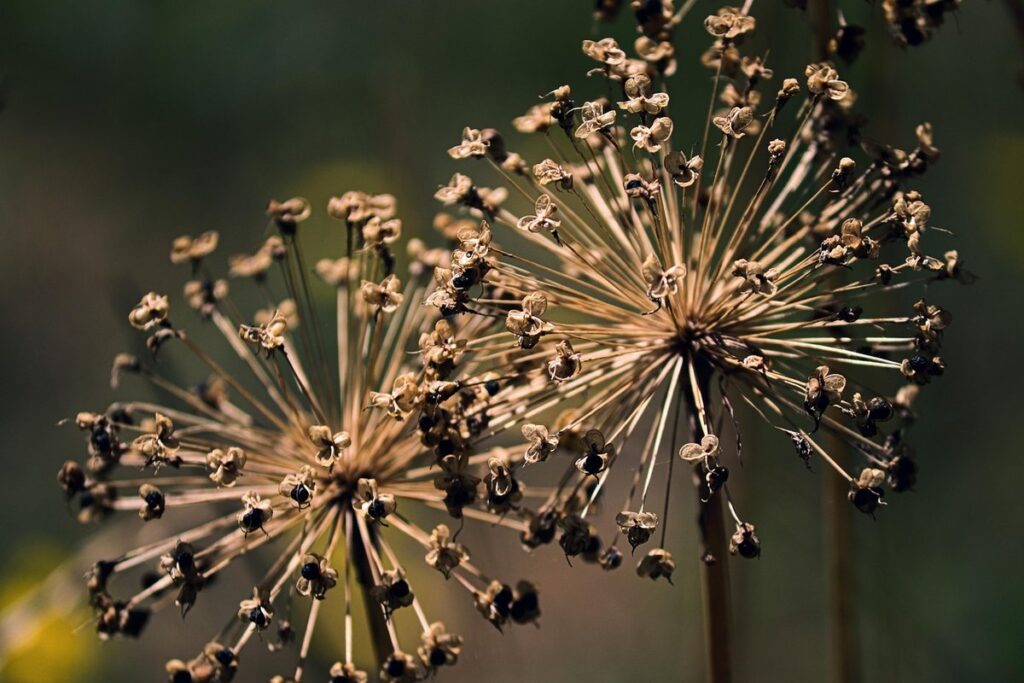
Introduction to Ornamental Allium
Let’s dive into the fascinating world of ornamental allium, where we’ll explore its unique characteristics and what makes these blooms so striking in gardens.
History of Ornamental Allium Use
Ornamental alliums have been delighting gardeners for centuries with their stunning, globe-shaped flowers and delicate foliage. The history of ornamental allium’s use in gardens dates back to ancient civilizations, where these versatile plants were prized for their beauty and medicinal properties.
In ancient Greece and Rome, allium was not only used as an ornamental plant but also as a natural remedy for ailments such as fever and snake bites. The Egyptians, too, revered allium for its supposed healing powers, using it to ward off evil spirits and to promote fertility.
As garden design evolved over the centuries, so did the popularity of ornamental alliums. During the Victorian era, these flowers were highly sought after by horticulturists, who prized them for their exotic beauty and fragrance. Today, ornamental alliums continue to captivate gardeners with their striking blooms and easy-to-grow nature. With over 500 species to choose from, it’s no wonder why ornamental alliums remain a favorite among garden enthusiasts worldwide.
Benefits of Inclusion in the Garden
Adding ornamental allium to your garden is not only visually stunning but also provides numerous benefits that make it an invaluable addition. One of the primary advantages of including these unique blooms in your garden is their natural pest control properties. For example, certain varieties of ornamental allium repel aphids and spider mites, reducing the need for pesticides while keeping your plants healthy.
Another significant benefit of ornamental allium is its low-maintenance requirements. These bulbs are incredibly hardy and can thrive in a variety of conditions, making them perfect for gardeners with limited time or experience. They also require minimal care once established, allowing you to enjoy their striking blooms without much fuss.
Moreover, ornamental alliums adaptability allows them to grow well in different types of soil and lighting conditions. This flexibility makes them an excellent choice for gardeners who want to add a pop of color to their garden without worrying about specific growing requirements.
Plant Profile: Understanding Ornamental Allium
Let’s take a closer look at some of the most popular and versatile ornamental allium varieties, including their unique characteristics and growing requirements.
Classification and Identification
Ornamental allium species belong to the Allium genus, which comprises over 900 species. Among these, around 20 are widely cultivated for their ornamental value. Classification of ornamental alliums can be done based on their growth habits, flower shapes, and colors.
Identification of different ornamental allium species is essential for growers and gardeners to understand the specific needs and characteristics of each plant. Some common physical characteristics used in identification include:
* Bulb size and shape: Ornamental alliums have bulbs that can range from 1-4 inches in diameter.
* Leaf structure and color: Leaves are often strap-shaped, and their colors can vary from green to gray-blue.
* Flower shapes and sizes: Allium flowers come in a variety of shapes and sizes, ranging from spherical umbels to bell-shaped blooms.
When selecting ornamental alliums for your garden, pay attention to the specific growing conditions required by each species. This includes factors such as sun exposure, soil type, and watering needs.
Growth Habits and Preferences
Ornamental alliums are known for their impressive stature and ability to add drama to gardens. When it comes to their growth habits, these unique blooms can grow quite tall – some varieties reaching heights of 2-3 feet (60-90 cm), while others may remain more compact, around 1 foot (30 cm) in height.
When considering the spread of ornamental alliums, most varieties have a relatively narrow range and typically spread out about 6-12 inches (15-30 cm). However, some types can spread further, up to 18 inches (45 cm), so it’s essential to plan accordingly when planting multiple bulbs together.
In terms of sunlight, ornamental alliums generally thrive in full sun to partial shade. If you’re looking for maximum bloom production and the most vibrant colors, choose a spot that receives direct sunlight for at least six hours a day.
When it comes to soil preferences, ornamental alliums are relatively adaptable but prefer well-draining, fertile soil with a slightly acidic pH (around 6.0-7.0). Avoid planting in areas with standing water or where water tends to collect, as this can lead to root rot and other issues.
Types of Ornamental Allium
Let’s take a closer look at some of the most popular and stunning varieties, each with its own unique characteristics and growth habits to enjoy.
Popular Varieties for Home Gardens
When it comes to adding some drama and whimsy to your home garden, few flowers can compete with ornamental alliums. These unique blooms offer a wide range of varieties that are perfect for adding visual interest to your outdoor space. Some popular and unique options include ‘Globemaster’, which boasts enormous, 6-inch diameter flowers in a vibrant purple hue; ‘Schubertii’, known for its delicate, bell-shaped blooms in a soft pink color; and ‘Gladiator’, with its sturdy stems supporting large, rounded flowers in a bright blue shade.
If you’re looking to create a striking focal point in your garden, consider ‘Mount Everest’, which features pure white flowers that can grow up to 4 inches in diameter. For a more subtle look, try ‘Mistral’, which produces small, delicate blooms in a soft lavender color. When choosing an ornamental allium variety for your home garden, be sure to select one that suits the specific growing conditions and style of your outdoor space.
Some key things to consider when planting ornamental alliums include their height and growth habit, as well as their hardiness zone and sunlight requirements. With so many unique varieties to choose from, you’re sure to find an ornamental allium that adds a touch of elegance and sophistication to your home garden.
Less Common Species Worth Exploring
While many gardeners are familiar with popular ornamental allium species like ‘Purple Sensation’ and ‘Globemaster’, there are several lesser-known varieties worth exploring. One such gem is Allium karataviense, also known as the Karatavicum or Kazakh giant onion. Native to Central Asia, this species boasts stunning blue-green leaves that grow up to 30 inches tall, providing a striking contrast to its vibrant purple flowers.
Another hidden treasure is Allium schubertii, with its unique, loose umbrella-like blooms in shades of pink and white. This allium’s irregular shape adds a whimsical touch to any garden design. For those who prefer smaller blooms, Allium atropurpureum offers delicate, powder-pink flowers that add a soft elegance to containers or borders.
When choosing lesser-known ornamental alliums, keep in mind their growing requirements and hardiness zones. Some of these species may require more shade or protection from intense sunlight. Research the specific needs of your chosen variety to ensure it thrives in your garden conditions. Experimenting with new and unusual allium species can add a fresh perspective to your garden’s design and attract pollinators that other plants might miss.
Planting and Care Instructions
Before you can enjoy these beautiful blooms, it’s essential to plant and care for them properly. Follow these steps for a thriving allium display in your garden or indoor space.
Site Selection and Soil Preparation
When it comes to growing ornamental allium, choosing the right site and preparing the soil are crucial steps that will set your bulbs up for success. As a general rule, alliums prefer well-draining soil that is rich in organic matter, but not too dense or waterlogged. In terms of sunlight, most allium varieties require at least six hours of direct sunlight per day to produce vibrant blooms.
To identify the perfect site for your ornamental allium, look for areas with full sun and good air circulation. Avoid planting near trees or shrubs that may compete for nutrients and water. If you have heavy clay or sandy soil, consider amending it with compost or well-rotted manure to improve its structure.
To prepare the soil, start by loosening it to a depth of about 8-10 inches using a fork or spade. Remove any debris or weeds that may be present, and incorporate a balanced fertilizer according to the manufacturer’s instructions. Finally, water the area thoroughly before planting your allium bulbs in the fall or early spring.
Planting Techniques and Timing
When planting ornamental alliums, timing is crucial to ensure healthy growth and maximize blooming potential. In temperate climates, fall is an ideal time for planting, as the cooler temperatures and ample moisture allow the bulbs to establish a strong root system before winter dormancy. Plant individual bulbs 3-4 inches deep and 6-8 inches apart in well-draining soil with full sun to partial shade.
In regions with mild winters, you can plant alliums in early spring or late summer for a fall bloom. Avoid planting during the hottest part of summer, as this can cause stress and reduce flowering. When spacing multiple bulbs, consider their mature size – some varieties like ‘Globemaster’ and ‘Ambassador’ can grow quite large. To prevent overcrowding, plant smaller varieties like ‘Schubertii’ or ‘Mount Everest’ in clusters for a more dynamic display.
Pests, Diseases, and Common Problems
As you grow your ornamental alliums, it’s not uncommon to encounter issues that can affect their health and beauty. Let’s discuss some common problems and solutions to keep your blooms thriving.
Potential Issues to Watch Out For
Ornamental alliums are relatively low-maintenance plants, but like any other garden species, they’re not immune to pests and diseases. One of the most common issues you may encounter is powdery mildew, a fungal disease that causes white powder to form on leaves and stems. To prevent this, ensure good air circulation around your alliums by spacing them at least 12 inches apart.
Aphids are another pest that can infest alliums, sucking sap from the plant and causing curled or distorted leaves. Use neem oil or insecticidal soap to control aphid populations, but avoid using broad-spectrum pesticides that can harm beneficial insects. Slugs and snails can also be a problem, particularly in areas with high humidity. To deter them, sprinkle copper tape around the base of your alliums or use crushed eggshells as a barrier.
Regular monitoring is key to catching issues early on. Inspect your plants regularly for signs of pests or diseases, and take action promptly if you notice any problems. By being vigilant and taking preventative measures, you can help keep your ornamental alliums healthy and thriving.
Prevention and Treatment Strategies
To ensure that your ornamental allium plants thrive and remain healthy, it’s essential to implement integrated pest management techniques. This holistic approach combines physical, cultural, biological, and chemical controls to minimize the use of pesticides. Start by monitoring your plants regularly for signs of pests or diseases.
Some common issues you may encounter with ornamental allium include aphids, whiteflies, and spider mites. To prevent these infestations, maintain a clean growing environment and keep your plants well-watered. Regularly inspect your plants and dispose of any severely affected leaves or flowers to prevent the spread of disease.
In case of an infestation, consider using neem oil or insecticidal soap as natural deterrents. For more severe problems, a systemic insecticide can be used but always follow the manufacturer’s instructions and take necessary precautions to avoid harming beneficial insects.
By implementing these prevention strategies and acting quickly when issues arise, you’ll be able to minimize damage and enjoy your beautiful allium blooms throughout the growing season. Regular maintenance and prompt action will go a long way in maintaining the health and beauty of your ornamental allium plants.
Propagation and Division Methods
Now that you’ve fallen in love with these beautiful blooms, it’s time to learn how to share them with friends and family through propagation and division methods. You’ll find it surprisingly easy!
Techniques for Propagating Ornamental Allium
Ornamental alliums can be propagated through division, seed, or other methods. When it comes to dividing established plants, spring is a great time to do so, as the plant is dormant and the new growth has not yet begun. Start by carefully digging up the entire plant, taking care not to damage any of the roots.
Gently separate the individual bulbs, making sure each one has at least one “eye” or growing point. Replant the separated bulbs in a well-draining potting mix, water thoroughly, and keep the soil consistently moist but not waterlogged. This technique is ideal for producing healthy, robust plants with vibrant blooms.
Another method for propagating ornamental alliums is through seed. Sow seeds indoors 8-10 weeks before the last frost date in your area, about 1/4 inch deep in a seed starting mix. Keep the soil warm (around 70°F to 80°F) and moist until germination, which typically occurs within 3-4 weeks.
Once the seedlings have 2-3 sets of leaves, transplant them into individual pots, gradually acclimating them to outdoor conditions over the course of a week or two. This method can be more time-consuming but allows for great flexibility in terms of plant selection and customization.
Tips for Successful Division
When it’s time to divide your established ornamental allium plants, timing is crucial. The best time for division is typically in late summer or early fall, after the blooming period has finished and the foliage has died back. This allows the plant to focus its energy on re-establishing itself rather than producing flowers.
To successfully divide your alliums, start by carefully digging up the entire plant, taking care not to damage any of the bulbs or roots. Gently separate the bulbs, making sure each section has at least one “eye” or bud. Replant the divisions immediately, making sure the soil is well-draining and the bulbs are planted at a depth two to three times their height.
It’s essential to divide every 3-4 years to maintain the plant’s health and prevent overcrowding. Dividing also provides an opportunity to share your beloved alliums with friends or family members who appreciate these unique blooms.
Creative Uses in Garden Design
When it comes to garden design, ornamental alliums offer a wealth of creative possibilities – from dramatic focal points to delicate accents. Let’s explore some inspiring ways to incorporate these unique blooms into your outdoor space.
Adding Ornamental Allium to Existing Landscapes
When it comes to incorporating ornamental allium into existing landscapes, you’ll want to think carefully about the overall aesthetic and style of your garden. These unique blooms can add a dramatic pop of color and texture, but they can also overwhelm smaller or more delicate spaces.
To pair allium with other flowers or foliage, consider their growth habits and bloom times. For example, if you have a perennial bed filled with low-growing plants like creeping thyme or sedum, try interspersing a few taller allium varieties to add vertical interest. Alternatively, plant allium around the base of larger shrubs or trees to create a striking contrast between textures.
Some popular pairing options include:
* Planting allium alongside tall grasses or coneflowers for a dramatic, sweeping effect
* Mixing allium with smaller bulbs like grape hyacinth or miniature daffodils for a layered look
* Combining allium with fragrant herbs like rosemary or lavender to create a sensory experience
When incorporating allium into your existing landscape design, remember to consider the mature size of the plants and leave enough space for them to grow. With a little planning and creativity, you can use ornamental allium to add depth, texture, and visual interest to even the most established gardens.
Innovative Ideas for Ornamental Allium Displays
Ornamental alliums are a natural showstopper in any garden design. When it comes to showcasing these unique blooms, you’ll want to think outside the box – literally! Consider using large containers or planters as a statement piece on your patio or deck. This not only adds visual interest but also allows for maximum flexibility when it comes to arranging and rearranging your display.
To create a stunning focal point in your garden, try grouping multiple ornamental allium varieties together, varying their heights and bloom times to add depth and texture. This can be especially effective when paired with complementary foliage plants or bold architectural elements like trellises or obelisks. Alternatively, use ornamental allium as a dramatic border around a bed or pathway, allowing the unique shapes and colors of each bloom to take center stage.
For added drama, try incorporating ornamental allium into a layered planting scheme. This involves grouping shorter plants at the front of your display with taller ones towards the back. As the blooms emerge throughout the season, it’s like watching a show unfold – you’ll be treated to an ever-changing tapestry of color and texture from May through October or even later in some cases!
Frequently Asked Questions
Can I use ornamental allium to control pests on my entire garden, or is it best used as a companion plant for specific plants?
Ornamental allium can be used as a natural deterrent for aphids, whiteflies, and other pests in your entire garden. However, its effectiveness may vary depending on the severity of the pest issue and the type of ornamental allium you’re using. For optimal results, consider combining ornamental allium with other companion plants or integrated pest management strategies.
How do I ensure my ornamental allium stays healthy and pest-free in a humid climate?
In humid climates, ornamental alliums are more susceptible to fungal diseases like powdery mildew and botrytis. To prevent this, provide good air circulation around your plants, avoid overwatering, and use fungicides as needed. Regularly inspect your plants for signs of disease and take action promptly.
Can I propagate ornamental allium through seed, or is division the preferred method?
Both seed and division can be used to propagate ornamental allium. However, division is generally considered a more reliable and faster method for producing high-quality plants. This is because division allows you to separate established roots and shoots from mature plants.
How do I choose the right type of ornamental allium for my garden’s specific conditions?
With over 500 species of ornamental allium to choose from, selecting the right variety can be overwhelming. Consider factors like your climate, soil type, and desired bloom color when choosing an ornamental allium. Research popular varieties and read reviews to find the best fit for your garden.
Can I plant ornamental allium bulbs in containers or do they require a full-garden bed?
Ornamental allium bulbs can be successfully grown in containers, provided they have sufficient root depth (around 12-18 inches) and adequate drainage. This is especially useful for smaller gardens or spaces with poor soil quality. Use a well-draining potting mix and follow the same planting instructions as for in-ground beds.