
If you’re anything like me, you’ve probably admired the vibrant blooms of chrysanthemum flowers (or ‘mums’) and the iconic pumpkins that adorn homes during the fall season. But have you ever stopped to think about where these beloved plants come from? In this article, we’ll delve into the fascinating world of mums and pumpkins, exploring their rich history, cultivation techniques, and diverse uses in both ornamental and culinary contexts. From growing your own mums and pumpkins at home to learning how to incorporate them into your cooking and decorating repertoire, our comprehensive guide will cover everything you need to know about these versatile plants. Whether you’re a seasoned gardener or just starting out, get ready to discover the many wonders of mums and pumpkins!
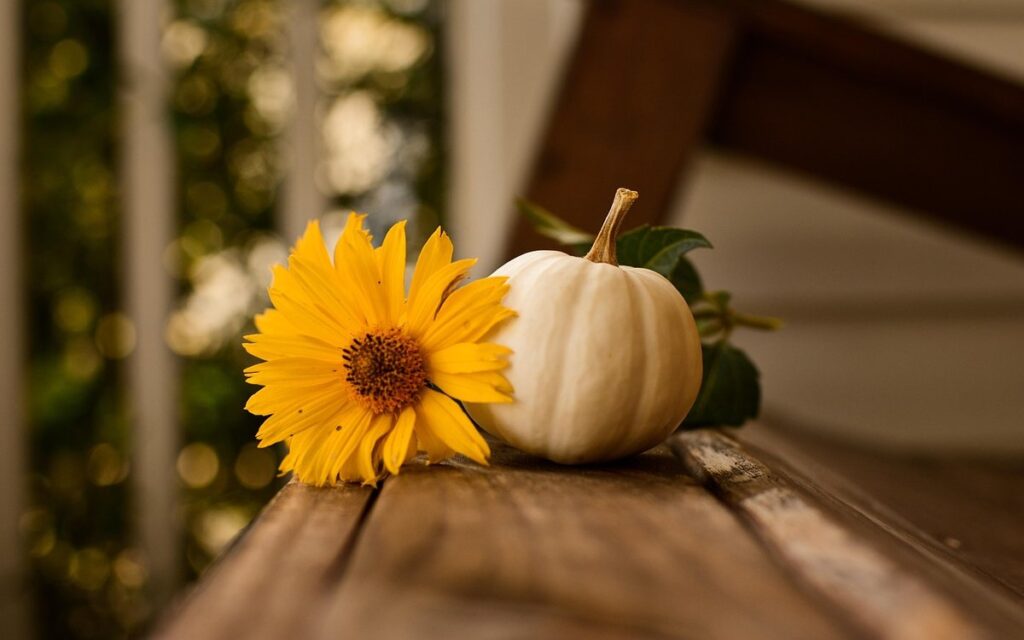
What are Mums and Pumpkins?
Let’s start by exploring where mums and pumpkins come from, as these beautiful flowers and vegetables have a rich history that spans thousands of years. From ancient civilizations to modern-day gardening.
Overview of Mums and Pumpkins Species
At first glance, mums and pumpkins may seem like vastly different plants, but they share some common ground. Let’s start by introducing these two fascinating species.
Mums, belonging to the Chrysanthemum spp., are flowering plants that have been a popular choice for gardens and bouquets for centuries. These perennials come in a wide range of colors, including pink, red, yellow, white, and purple, with daisy-like flowers that bloom from mid-summer to early fall. They’re relatively low maintenance and easy to care for, making them perfect for beginners.
On the other hand, pumpkins belong to the Cucurbita spp. family, which includes a variety of vining plants like cucumbers, squash, and melons. These warm-season crops are known for their large, rounded fruits that come in different shapes, sizes, and colors, such as orange, yellow, white, and even blue. Pumpkins are a staple crop in many parts of the world and are often used in cooking, decoration, and even medicinal purposes.
While mums and pumpkins may seem worlds apart, they both share some common characteristics, like their hardiness and adaptability to different climates. They’re also relatively easy to grow and maintain, making them accessible to gardeners of all skill levels.
Types of Mums and Pumpkins
As you delve into the world of mums and pumpkins, you’ll discover an astonishing array of varieties within each plant family. Let’s start with mums, which come in over 60 species, ranging from compact and bushy to towering and sprawling. Among the most popular types are Chrysanthemum ‘Sheffield Pink’, a vibrant pink bloomer ideal for containers, and Chrysanthemum ‘Red Hot’, boasting bold red flowers perfect for adding a pop of color to fall arrangements.
Pumpkins, on the other hand, offer an even wider range of choices. There’s the classic ‘Jack Be Little’ – a compact, sugar pie-style pumpkin perfect for small spaces – and ‘Blue Hubbard’, a sprawling heirloom prized for its sweet, nutty flavor. Some mums are bred specifically for their foliage, like the stunning ‘Marmoratum’, with its intricately marbled leaves.
When choosing between these varieties, consider factors like climate, soil type, and available space. For example, if you’re short on room, opt for compact mum varieties or smaller pumpkin types like ‘Baby Boo’.
History and Origins of Mums and Pumpkins
Let’s dive into the rich history behind these beloved fall favorites, exploring how mums and pumpkins have become an integral part of our seasonal celebrations. From ancient traditions to modern-day cultivation, we’re about to uncover some fascinating roots!
Ancient Cultivation of Mums and Pumpkins
The earliest recorded uses of mums and pumpkins date back to ancient civilizations in Asia and the Americas. In China, mum cultivation is believed to have originated over 3,000 years ago during the Shang Dynasty. These early varieties were prized for their medicinal properties, with extracts used to treat ailments such as fever and inflammation. Meanwhile, in the New World, indigenous peoples cultivated pumpkins as a staple crop, using them not only for food but also for ceremonial purposes.
As trade routes expanded, mums and pumpkins were introduced to new regions by travelers and merchants. The ancient Greeks and Romans brought back exotic varieties from their travels, introducing them to European gardens. Over time, these plants were selectively bred for desirable traits such as size, color, and vigor. Today, we can see the legacy of this selective breeding in the vast array of mum and pumpkin varieties available worldwide.
It’s fascinating to note that many modern-day cultivars owe a debt of gratitude to their ancient ancestors. By studying the history and cultivation methods of yesteryear, gardeners and farmers can learn valuable lessons about crop selection, soil management, and pest control.
Evolutionary Adaptations of Mums and Pumpkins
Mums and pumpkins have undergone remarkable evolutionary adaptations to thrive across various environments and conditions throughout history. One key adaptation is their ability to adapt to different soil types. Mums can grow well in a wide range of soils, from acidic to alkaline, while pumpkins are more tolerant of moist soils but can also grow in dry conditions.
Their deep taproots allow both plants to access water deeper in the soil, enabling them to survive during droughts and other extreme weather conditions. This adaptability has enabled mums and pumpkins to thrive in diverse climates worldwide, from tropical regions to temperate zones.
Another significant adaptation is their ability to self-propagate through seeds. This allows both plants to quickly spread and colonize new areas, giving them a competitive edge over other species. Additionally, their large seeds provide a storage mechanism for nutrients during periods of scarcity, ensuring the survival of the next generation. By understanding these adaptations, gardeners can better replicate the conditions that foster healthy growth and bountiful harvests in their own gardens.
Cultivation and Care of Mums and Pumpkins
To grow these beautiful flowers and delicious gourds, you’ll need to understand how to cultivate and care for mums and pumpkins, from soil preparation to harvesting. Let’s dive into the specifics of their unique needs.
Soil, Sunlight, Water, and Temperature Requirements
When it comes to cultivating mums and pumpkins, understanding their specific needs is crucial for optimal growth. For mums, well-draining soil with a slightly acidic pH (around 6.0-7.0) is ideal. They thrive in full sun to partial shade conditions, requiring at least six hours of direct sunlight per day.
Watering needs are moderate, but be cautious not to overwater as this can lead to root rot. Check the soil daily, and water only when it feels dry to the touch. For pumpkins, a slightly acidic to neutral pH (around 6.0-7.5) is preferred, with a focus on rich organic matter in the soil.
Pumpkins require full sun, typically requiring eight hours or more of direct sunlight per day. They need consistent moisture throughout their growth cycle but must not be waterlogged. A temperature range between 65°F and 95°F (18°C-35°C) is optimal for both plants, with a slight preference for warmer temperatures as they mature.
Keep in mind that these requirements may vary depending on your specific region or climate.
Common Pest and Disease Management Techniques
As a mum and pumpkin gardener, you’re likely no stranger to the constant battle against pests and diseases that can decimate your crop. But fear not! With some knowledge and practical techniques up your sleeve, you can effectively prevent and manage common issues that affect mums and pumpkins in different climates and regions.
Some of the most common pests affecting mums include aphids, whiteflies, and spider mites, while pumpkin patches often fall prey to squash bugs and cucumber beetles. To prevent infestations, keep your plants healthy through good hygiene practices like removing weeds, debris, and infected leaves. In warmer climates, use row covers or fine mesh screens to prevent pests from reaching your crops.
When it comes to diseases, powdery mildew and downy mildew are common culprits that can spread quickly in humid environments. To combat these fungal issues, ensure good air circulation around your plants and water them at the base rather than overhead. Copper-based fungicides can also be effective against these pathogens.
Remember to monitor your crops regularly for signs of pests or disease, and take swift action if you spot any problems. By being proactive and using a combination of preventative measures and targeted treatments, you’ll be well on your way to enjoying a healthy, thriving mum and pumpkin harvest.
Uses of Mums and Pumpkins
When it comes to using mums and pumpkins, their versatility is truly remarkable. You can use them in a variety of creative ways, from decorations to delicious recipes.
Ornamental Value: Decorative Uses
As we explore the uses of mums and pumpkins, it’s essential to touch on their ornamental value. These plants are not only versatile but also stunningly beautiful, making them perfect for decorating homes, gardens, and public spaces during the fall season.
Mums, with their vibrant colors and delicate petals, add a pop of color to any arrangement. They come in an array of hues, from classic reds and pinks to more exotic shades like lavender and white. Their compact growth habit makes them ideal for containers, allowing you to bring a splash of autumn cheer to your porch or patio.
Gourds and squash are also gaining popularity as decorative elements. Their unique shapes, textures, and colors make them perfect for crafting beautiful centerpieces, wreaths, and other fall-themed decorations. Consider combining mums with gourds in a vase or container for a stunning display of autumnal beauty.
When using mums and pumpkins in your decor, remember to choose seasonal and locally available varieties for the best results. You can also get creative by incorporating other materials like pinecones, twigs, and ribbons to add depth and interest to your arrangements.
Culinary and Medicinal Applications
In addition to their ornamental value, mums and pumpkins have been cherished for centuries for their culinary and medicinal applications. The versatility of these plants extends far beyond the garden, as they offer a wealth of opportunities for creative cooking and holistic health.
When it comes to pumpkins, many species are perfectly suited for pie-making, but did you know that some varieties are better suited than others? For instance, ‘Jarrahdale’ and ‘Bennings’ are excellent choices due to their sweet, nutty flavor profiles. Meanwhile, the seeds of various pumpkin species can be roasted as a nutritious snack, rich in protein and healthy fats.
Beyond the culinary realm, mums have been used for centuries in traditional medicine. The flowers and leaves contain compounds that possess anti-inflammatory properties, making them a popular ingredient in teas and infusions. In addition, certain pumpkin extracts have been shown to exhibit antioxidant activity, which can help protect against oxidative stress.
When incorporating these plants into your diet or health routine, consider the following tips: start with small amounts to gauge tolerance, experiment with different preparation methods (e.g., roasting vs. steaming), and consult with a healthcare professional before using them as a treatment for any medical condition.
Harvesting and Storage of Mums and Pumpkins
Now that your mums and pumpkins are ripe, it’s time to bring them home. Learn how to properly harvest and store these beautiful fall favorites to enjoy them for months to come.
Timing of Harvest for Optimal Quality
Determining when to harvest mums and pumpkins is crucial for optimal quality. For mums, wait until the flowers have fully bloomed and the petals have dropped off, revealing the seed heads. This usually occurs around 60-90 days after planting, depending on the variety. Check for a slight yellowing or browning of the tips, which indicates that the blooms are past their prime.
For pumpkins, inspect the rind regularly. A hard, smooth skin is a sign that the pumpkin is mature and ready to be picked. This usually occurs around 100-120 days after sowing. Look for a yellow or cream-colored spot on the underside of the pumpkin, which indicates that it’s fully ripe.
In addition to visual indicators, check the weight of the pumpkin by gently lifting it. A mature pumpkin will have a hard rind and be heavy for its size. Avoid harvesting pumpkins when they’re wet, as this can cause them to rot quickly. By monitoring these signs, you’ll be able to harvest your mums and pumpkins at the optimal time, ensuring maximum quality and flavor.
Tips for Storing and Preserving Freshness
When it comes to enjoying the beauty and bounty of mums and pumpkins, proper storage and preservation are crucial to extending their freshness. To keep your fresh-cut stems of mums looking vibrant and your mature pumpkin fruits from spoiling prematurely, follow these expert tips.
For mums, trim the stems at an angle before storing them in a cool, dry place away from direct sunlight. This simple step will help prevent water from collecting on the cut end, reducing the risk of bacterial growth and decay. Keep the stems hydrated by placing them in a vase filled with lukewarm water, making sure to change the water every few days.
For pumpkins, choose a cool, dry spot for storage, such as a basement or pantry. Avoid storing them near heat sources like radiators or ovens, as this can cause moisture buildup and promote mold growth. Regularly inspect your stored pumpkins for any signs of spoilage or decay, and remove any affected areas to prevent the problem from spreading.
By following these simple storage tips, you’ll be able to enjoy your mums and pumpkins for weeks to come, even long after their initial harvest date.
Conclusion
As you’ve navigated through this comprehensive guide on mums and pumpkins, we hope you now have a deeper appreciation for these two often-overlooked plants. You may have discovered new ways to incorporate them into your garden or even used them as beautiful additions to your home decor. Whether you’re an experienced gardener or just starting out, the world of mums and pumpkins has something to offer everyone. Remember that both plants are versatile and can thrive in various environments, from sunny spots to shaded areas.
As you continue on your gardening journey, don’t be afraid to experiment with different mum and pumpkin varieties to find what works best for you. With a little creativity and patience, you can enjoy the beauty and benefits of these fascinating plants all season long.
Frequently Asked Questions
Can I grow mums and pumpkins in containers?
Yes, both mums and pumpkins can be grown in containers, provided they receive adequate sunlight (at least 6 hours of direct sunlight) and have well-draining soil. For container-grown mums, use a pot at least 12-14 inches deep, while for pumpkins, choose a larger container with a minimum depth of 18-24 inches.
What are some common pests that affect mums and pumpkins?
Common pests affecting mums include aphids, whiteflies, and spider mites. For pumpkins, watch out for squash bugs, cucumber beetles, and powdery mildew. Regularly inspect your plants, use organic pest control methods whenever possible, and practice good garden hygiene to minimize infestations.
How can I ensure optimal harvesting of my pumpkin crop?
To ensure optimal harvest timing, check your pumpkins regularly for ripeness by gently tugging on the stem. Harvest when the rind is hard and the color has fully developed. For mums, cut back spent flowers to encourage continued blooming throughout the season.
Can I use mums as a natural pest repellent?
Yes, chrysanthemum flowers have been used for centuries as a natural insecticide due to their high content of pyrethrum. You can hang dried mum flowers in your garden or use fresh ones in potpourri to repel mosquitoes and other pests.
Are there any specific tips for storing pumpkins after harvest?
To store pumpkins, keep them away from direct sunlight and moisture. Cure the pumpkin by allowing it to dry for 10-14 days before storage. Store them in a cool, dry place with good ventilation, such as a basement or garage.