
When it comes to growing healthy and productive tomato plants, choosing the right mulch can make all the difference. As any gardener knows, tomatoes are one of the most popular garden fruits (yes, they’re technically a fruit!), but they can be notoriously finicky about their growing conditions. One key factor in ensuring a successful harvest is managing soil temperature and moisture levels, which is where mulch comes in. In this article, we’ll explore the best mulch types for tomatoes – from organic options like straw and wood chips to inorganic choices like plastic sheeting – and provide expert advice on how to choose and apply the right mulch for your garden. Whether you’re a seasoned pro or just starting out, learning how to use mulch effectively can boost yields, minimize challenges, and give you a head start on growing delicious tomatoes all season long.
Understanding the Importance of Mulch for Tomato Plants
Mulch plays a crucial role in maintaining optimal growing conditions for your tomato plants, and understanding its importance is key to maximizing yields. Let’s explore why mulching matters for tomatoes.
Benefits of Using Mulch on Tomato Plants
Using mulch on tomato plants offers numerous benefits that can enhance their growth and productivity. One of the primary advantages is moisture retention. Mulch helps to retain soil moisture by reducing evaporation and preventing water from draining away quickly. This leads to healthier roots, as they receive a consistent supply of water. As a result, your tomato plants will be less susceptible to drought stress, which can significantly improve their yield.
Mulch also plays a crucial role in suppressing weeds that compete with tomatoes for resources such as light, nutrients, and water. By covering the soil surface, mulch prevents weed seeds from germinating and growing. This not only reduces the need for herbicides but also minimizes competition for your tomato plants.
In addition to these benefits, mulch helps regulate soil temperature by insulating the roots from extreme heat or cold. This can be particularly beneficial during periods of intense sunlight or frost, as it prevents sudden changes in soil temperature that may stress the plant. By using mulch correctly, you can create a more favorable environment for your tomato plants to thrive.
Common Challenges with Mulching Tomato Plants
Mulching tomato plants can be a double-edged sword. While it offers numerous benefits, such as retaining moisture and suppressing weeds, some gardeners encounter challenges that outweigh the advantages. One of the most common issues is mulch decomposition, where organic materials break down too quickly, creating an ideal environment for pests like rodents and snails to thrive. For instance, a study by the University of California found that 50% of the nitrogen in wood chips can be lost within six months.
Another challenge is pest attraction. Some types of mulch, such as cocoa husk or sugarcane bagasse, attract unwanted insects like aphids and whiteflies. This can be particularly problematic if you’re growing crops with delicate leaves. To mitigate this issue, opt for inorganic mulches like landscape fabric or plastic sheeting, which provide excellent weed control without attracting pests.
Waterlogging is another potential problem when mulching tomato plants. Excessive moisture can lead to root rot and other diseases that can decimate your crop. This is often due to using too much mulch or applying it incorrectly. A good rule of thumb is to keep the mulch layer thin, around 2-3 inches, and leave space between the mulch and the base of the plant for air circulation.
Types of Organic Mulch for Tomatoes
When it comes to choosing the right mulch for your tomatoes, you’ve got plenty of options. This section will explore some popular types of organic mulch that are perfect for a thriving tomato garden.
Wood Chip Mulch: Advantages and Disadvantages
Wood chip mulch is a popular choice among gardeners due to its affordability and accessibility. However, like other organic mulches, it has both advantages and disadvantages that should be considered before making a decision.
One of the primary benefits of using wood chip mulch around tomato plants is its ability to retain moisture in the soil. Wood chips have a high water-holding capacity, which means they can absorb and store water, gradually releasing it as the soil dries out. This helps maintain an optimal level of moisture for healthy plant growth.
On the downside, using wood chip mulch can promote weed growth if the chips are too thin or not applied deeply enough. Weeds can sprout through the gaps in the mulch, competing with your tomato plants for water and nutrients. To minimize this risk, it’s essential to apply a thick layer of at least 2-3 inches of wood chip mulch around the base of your tomato plants.
Additionally, wood chip mulch may require occasional replenishment as it breaks down over time, releasing carbon into the soil. However, when properly managed, wood chip mulch can be an effective and eco-friendly way to improve soil health and retain moisture for your tomato crop.
Pine Bark Mulch: Characteristics and Uses
Pine bark mulch is a popular choice among gardeners due to its unique characteristics and benefits for tomato plants. It’s composed of shredded or chipped pine tree bark that has been treated with heat to kill insects, reduce decay, and improve its durability.
One of the notable properties of pine bark mulch is its ability to acidify soil over time. This may seem counterintuitive, but it can be beneficial for tomatoes as they prefer slightly acidic to neutral soil pH (around 6.0-7.0). As the mulch breaks down, it releases organic acids that lower the soil pH, creating an ideal environment for tomato growth.
However, excessive use of pine bark mulch can lead to an over-acidification of the soil, which may harm plants with higher pH preferences. To avoid this issue, it’s essential to apply a 2-3 inch layer and replenish it as needed. Additionally, mixing other types of organic matter, like compost or manure, can help balance out the acidity levels.
By using pine bark mulch responsibly, gardeners can create an optimal growing environment for their tomatoes, promoting healthy growth, flavor, and yield.
Inorganic Mulch Options for Tomatoes
When it comes to keeping your tomato plants healthy and thriving, you’ll want to explore some of the best inorganic mulch options available. These include materials like gravel, stone chips, and even plastic sheeting.
Plastic Mulch Film: Advantages and Limitations
Plastic mulch film has gained popularity among tomato growers due to its ability to enhance crop yields and reduce water consumption. One of the significant advantages of using plastic mulch film is its capacity to suppress weeds, allowing for up to 90% reduction in weed growth. This is achieved through the physical barrier created by the plastic sheet, preventing weeds from germinating and competing with the tomato plants for resources.
However, heat buildup is a notable limitation of plastic mulch film. During periods of intense sunlight, the plastic can become scorching hot, potentially damaging the tomato plant’s roots. To mitigate this issue, growers can use white or reflective mulches that reflect rather than absorb solar radiation. This can help reduce soil temperature and prevent root damage.
When choosing a plastic mulch film for your tomatoes, it’s essential to consider the environmental impact. Microplastics from decomposition can contaminate the soil and affect plant growth in the long term. To minimize these risks, opt for biodegradable or recycled plastic mulches that break down more easily over time.
Aluminum Foil Mulch: Efficacy and Potential Drawbacks
Aluminum foil mulch has gained popularity among gardeners due to its unique properties. When applied evenly and securely around tomato plants, aluminum foil can retain moisture by creating a microclimate that shields the soil from direct sunlight and air circulation. This environment also suppresses weed growth, reducing competition for water and nutrients.
However, there are potential drawbacks to consider. For instance, if not wrapped tightly enough or if exposed to heavy rain, the foil may tear or disintegrate. Additionally, the shiny surface can trap heat, potentially leading to increased soil temperature and root damage during hot summer days.
If you still decide to use aluminum foil mulch for your tomatoes, ensure that it’s applied carefully, with a sufficient overlap between sheets to prevent gaps. Secure the edges by weighing them down with rocks or digging them slightly into the surrounding soil to prevent the foil from blowing away.
Specialty Mulch Options for Tomato Plants
If you’re looking to give your tomato plants a little extra TLC, consider using specialty mulches that offer unique benefits and advantages over traditional options. From organic to inorganic choices, we’ll explore some top picks for you.
Coconut Coir Mulch: Characteristics and Benefits
Coconut coir mulch is a game-changer for tomato gardeners. This eco-friendly mulch alternative has several unique properties that make it an excellent choice for retaining moisture and improving soil structure.
One of the most significant benefits of coconut coir mulch is its ability to hold up to 9 times its weight in water. When applied to your tomato bed, it helps retain moisture in the soil, reducing the need for frequent watering. This is especially beneficial during hot summer months when tomatoes require consistent moisture levels. Moreover, coconut coir mulch contains a high amount of silica, which helps improve soil structure by increasing drainage and aeration.
As a result, roots can breathe easily, promoting healthy growth and development in your tomato plants. To use coconut coir mulch effectively, mix it with compost or well-rotted manure to create a nutrient-rich soil blend. Apply 2-3 inches of the mixture around your tomato plants, keeping it at least an inch away from the stem to prevent fungal diseases.
By incorporating coconut coir mulch into your gardening routine, you can enjoy improved yields and healthier tomatoes all season long.
Composted Manure Mulch: Nutrient-Rich Properties and Uses
Composted manure mulch is an excellent choice for tomato gardens due to its rich nutrient content. This type of mulch is made from animal waste that has undergone a process of decomposition, breaking down the organic matter into a stable and usable form. The resulting product is teeming with nutrients such as nitrogen, phosphorus, and potassium – essential elements for healthy plant growth.
When applied to the soil around your tomato plants, composted manure mulch can promote strong root development, encourage fruiting, and support overall plant health. To get the most out of this nutrient-rich mulch, aim to apply it at a depth of 2-3 inches, allowing it to break down over time.
One key consideration when using composted manure mulch is its potential to attract pests like rodents and slugs. To minimize this risk, consider mixing in some diatomaceous earth or other pest-deterrent materials with the mulch before application.
Choosing the Right Mulch Type for Your Tomato Garden
When it comes to mulching your tomato garden, selecting the right type is crucial for optimal growth and protection. Let’s explore some popular options that’ll help you make an informed decision.
Factors to Consider When Selecting a Mulch Type
When choosing a mulch type for your tomato garden, it’s essential to consider several factors that will help you select the best option for your specific needs. First and foremost, think about the climate where your garden is located. In hot and dry climates, organic mulches like straw or pine bark work well as they retain moisture in the soil and suppress weeds. On the other hand, if you live in a humid climate, consider using a mulch that allows for airflow, such as gravel or decomposed granite.
Another crucial factor to consider is your soil type. If your soil tends to be acidic, opt for a mulch with a high pH level, like cedar chips or cypress shavings. For alkaline soils, use a mulch that’s slightly acidic, such as leaf mold or well-rotted compost. Additionally, consider the specific needs of your garden, including how often you plan to water and whether you need to suppress weeds or retain moisture.
You should also think about any potential hazards in your garden, like pests or diseases, and choose a mulch that can help mitigate these issues. For example, if you’re dealing with slugs or snails, use a sharp-edged mulch like wood chips to deter them. Finally, consider the long-term impact of your mulch choice on the environment – opt for organic options whenever possible.
Seasonal Mulching Strategies for Tomatoes
When it comes to seasonal mulching strategies for tomatoes, timing is everything. During different times of the year, various mulch types serve unique purposes and require distinct application approaches.
In spring, as the soil warms up and tomato seedlings emerge, a thick layer (3-4 inches) of organic mulch like straw or bark chips helps retain moisture, suppress weeds, and regulate soil temperature. As summer arrives and temperatures soar, consider switching to lightweight, breathable materials such as grass clippings or cocoa husk to prevent waterlogged soil.
Autumn brings cooler temperatures and increased rainfall, making it an ideal time for applying a thick layer (4-6 inches) of coarse mulch like wood chips or bark to protect against frost and retain moisture. Come winter, reduce mulching to a thin layer (2-3 inches) of fine material such as pine straw or leaf mold to conserve soil heat and prevent erosion.
It’s also essential to adjust your mulching schedule based on weather patterns. For example, during periods of drought, apply a layer of moisture-retentive mulch like coconut coir or wool to reduce water loss. Conversely, after heavy rainfall, replace wet mulch with fresh, dry material to maintain soil aeration and prevent root rot.
Maintenance and Upkeep of Mulched Tomato Plants
To keep your mulched tomato plants thriving, it’s essential to understand how to properly maintain and upkeep them, from watering to pruning. Effective maintenance will ensure a healthy harvest all season long.
Tips for Proper Mulch Application and Distribution
When applying mulch to your tomato plants, it’s essential to get the amount and distribution just right. Too little mulch may not provide sufficient protection against moisture loss, while too much can lead to suffocation of the roots.
A good rule of thumb is to apply 2-4 inches of organic mulch around the base of each plant, keeping it a few inches away from the stem. This allows for even evaporation and prevents waterlogged soil. To ensure consistent distribution, divide the area into quarters or sixths, depending on the size of your plants.
When spreading the mulch, aim to cover about 75% of the soil surface. This will help retain moisture and regulate soil temperature without creating an environment conducive to fungal growth. You can also use a rake or broom to smooth out any uneven patches.
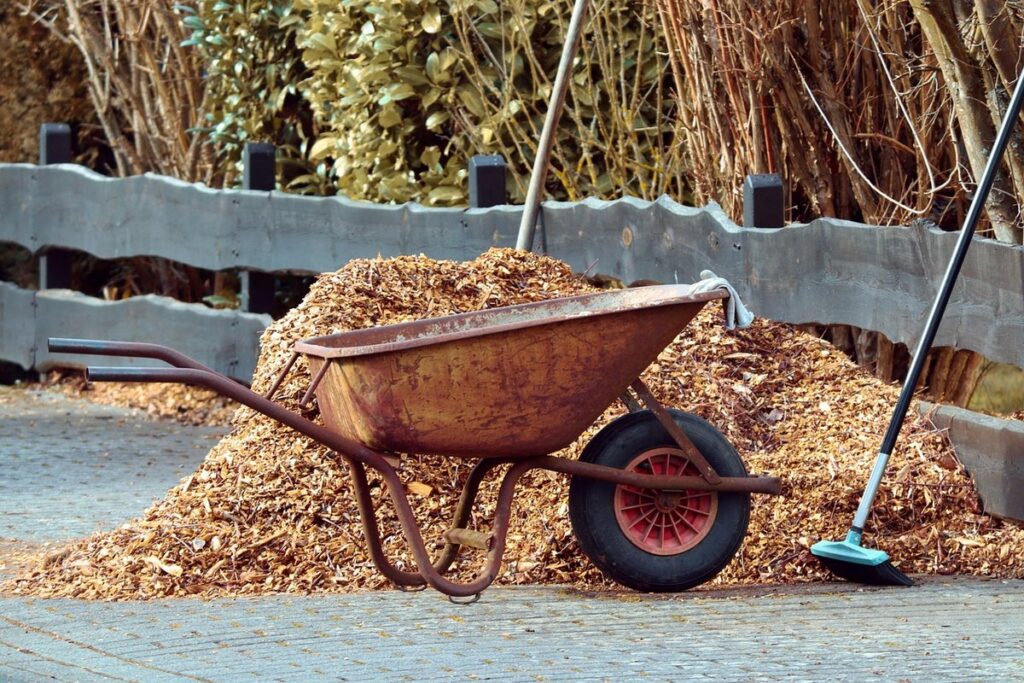
To minimize waste and make application more efficient, consider using a garden wheelbarrow or bucket to transport mulch. Measure it out in small increments as you go, rather than trying to spread it all at once. This will not only save time but also prevent over-mulching and ensure your plants receive the right amount of protection throughout the growing season.
Troubleshooting Common Mulching Issues
Mulching can be a wonderful way to promote healthy growth and prevent pests from getting to your tomatoes. However, there are some common issues that may arise, such as uneven moisture retention, pest infestations, and weeds sprouting through the mulch.
One of the main problems with mulching is uneven moisture retention. This is often due to excessive mulch application or poor drainage in the soil. To combat this issue, make sure to apply a moderate amount of mulch (around 2-3 inches deep) and keep an eye on your soil’s moisture levels. If you notice that one area is consistently drier than another, adjust your watering schedule accordingly.
Another common problem is pest infestations. For example, slugs and snails may make their way through the mulch to get to your tomatoes. To prevent this, try using copper tape around the base of your plants or a physical barrier to keep these pests at bay. Regularly inspecting your plants can also help you catch any potential issues early on.
Weeds can be another nuisance when it comes to mulching. They may sprout through the mulch and compete with your tomatoes for water and nutrients. To prevent this, consider using a weed-suppressant mat or a layer of landscape fabric under your mulch. You can also try removing weeds by hand as soon as they appear.
Frequently Asked Questions
Can I use mulch if my tomatoes are already planted?
Yes, it’s never too late to start using mulch for your tomato plants. Simply apply a layer of 2-3 inches around the base of the plants, making sure not to touch the stems or leaves.
How often should I replenish the mulch around my tomatoes?
It’s recommended to replenish mulch every 1-2 months, depending on factors like weather conditions and soil moisture levels. As a general rule, you can check if it’s time for a top-up when the mulch layer has broken down significantly.
Can I use different types of mulch together for my tomatoes?
While it might seem convenient to combine multiple types of mulch, it’s generally not recommended. This is because some materials can inhibit the growth of others or create an uneven environment for your plants. Stick to a single type that suits your needs and preferences.
How do I prevent weeds from growing through the mulch?
Weeds can be a challenge with mulched tomato gardens, but there are ways to manage them effectively. Regularly inspect your mulch layer and remove any visible weeds by hand or with a tool. You can also use a physical barrier like landscape fabric to prevent new weeds from germinating.
What’s the best way to apply mulch for maximum moisture retention?
To maximize moisture retention, aim to apply a 3-4 inch thick layer of mulch around your tomato plants. Make sure it extends about an inch beyond the plant’s drip line to prevent waterlogging and root rot. Avoid applying too much mulch, as this can lead to reduced soil oxygen levels and other issues.