
Morning glory plants are often overlooked as mere ornamental flowers, but they hold a multitude of secrets waiting to be uncovered. Not only do these delicate vines add a pop of color and beauty to any garden or space, but they also offer a range of benefits that extend far beyond their aesthetic appeal. From medicinal uses to versatile growth habits, morning glory plants have become increasingly popular among gardening enthusiasts and health-conscious individuals alike. But with great potential comes great challenge – many growers struggle to successfully propagate and care for these plants, leading to frustration and disappointment. In this article, we’ll delve into the world of morning glories, exploring the ins and outs of growing and caring for these remarkable plants, and unlocking their full potential for you.
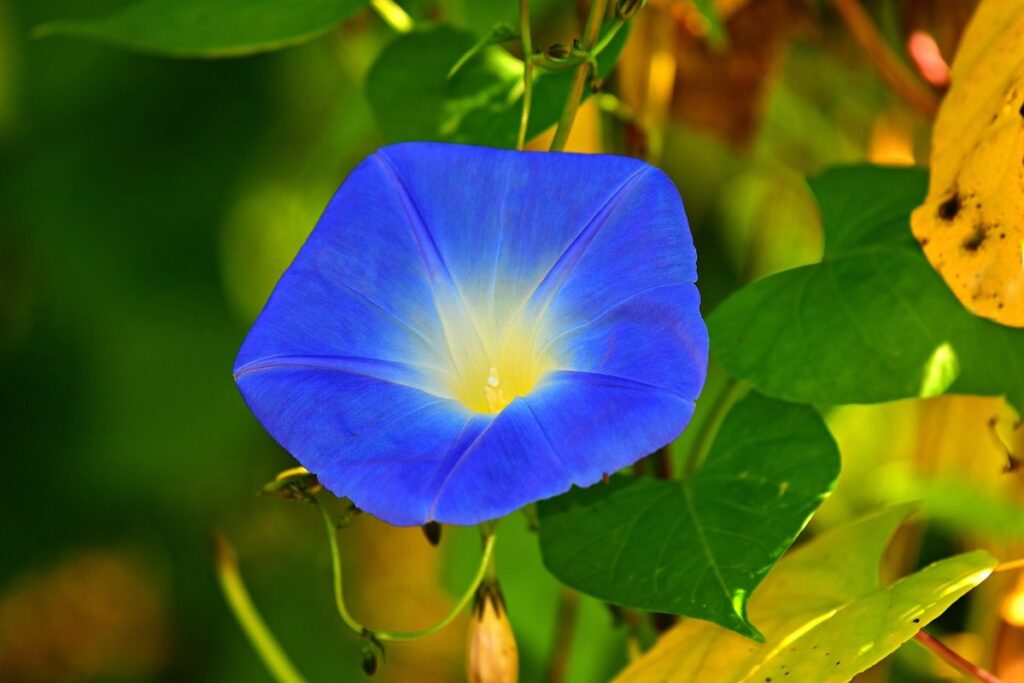
Section 1: Introduction to the Morning Glory Plant
The morning glory plant is a stunning and versatile species, and in this introduction, we’ll cover its fascinating history, unique characteristics, and why it’s a great addition to any garden. Let’s get started!
1.1 What is a Morning Glory?
Morning glory plants have been fascinating gardeners for centuries with their unique blend of history, classification, and distinct characteristics. Native to tropical regions of Asia, Africa, and the Americas, this flowering plant has a rich past that dates back over 3,000 years.
As a member of the Convolvulaceae family, morning glories are related to bindweeds and sweet potatoes, although they belong to a different genus. Their classification can be further divided into four sub-genus: Ipomoea, Archiponoeae, Cestrum, and Quamoclit.
One of the most distinctive features of morning glories is their twining habit, where the stems wrap around other plants or supports for added stability. This unique growth pattern allows them to thrive in areas with partial shade and can help control weeds by shading out competitors. Their heart-shaped leaves are also notable, often displaying a deep green color with a slightly hairy texture.
Morning glories have been prized for their vibrant blooms, which come in an array of colors including blue, pink, purple, red, white, and yellow. Some varieties even display bi-colored or tri-colored patterns, adding to their allure.
1.2 Types of Morning Glories
There are numerous species and hybrids of morning glory plants available, each with its unique characteristics. One of the most popular varieties is Ipomoea purpurea, known for its vibrant purple flowers that can grow up to 12 inches in diameter. In contrast, Ipomoea nil has smaller, more delicate blooms and is often used as an ornamental plant.
For those seeking a more exotic look, the blue morning glory (Ipomoea indica) boasts trumpet-shaped flowers with a sky-blue hue. Meanwhile, the heart-seed morning glory (Ipomoea lobata) produces small white blooms with distinctive heart-shaped seed pods.
Hybrid varieties like ‘Heavenly Blue’ and ‘Scarlett O’Hara’ have been bred to exhibit desirable traits such as larger flowers or improved hardiness. When selecting a morning glory plant, consider the specific growing conditions in your area and choose a variety that suits your needs.
Some species are more suitable for container gardens or indoor spaces due to their compact growth habits. For example, Ipomoea quamoclit produces delicate white blooms on long, trailing stems, making it an ideal choice for hanging baskets or trellises.
Section 2: Growing and Caring for Morning Glories
Now that you’ve learned how to grow morning glories from seed, it’s time to focus on giving them the care they need to thrive throughout their growing season.
2.1 Planting and Sowing Seeds
When it comes time to plant morning glory seeds, you’ll want to ensure you’re giving them the best possible start. This can be done either indoors or directly into the ground, depending on the climate and time of year.
To begin, prepare the soil by loosening it to a depth of about 12 inches. Mix in a balanced fertilizer according to the package instructions, taking care not to overdo it – morning glories prefer slightly acidic to neutral soil with a pH between 6.0 and 7.0. If you’re planting directly into the ground, make sure the area receives full sun and is well-drained.
For indoor sowing, fill a seed tray or small pots with the prepared soil and sow seeds about 1-2 inches apart on the surface. Cover them lightly with a thin layer of soil. Keep the soil consistently moist but not waterlogged – the ideal temperature for germination is around 70-80°F (21-27°C). If you’re planting directly into the ground, space the seeds 3-6 inches apart and about 1 inch deep.
2.2 Lighting and Temperature Requirements
Morning glories are photoperiod-sensitive plants, meaning they require specific light conditions to thrive. Ideally, they should receive full sun to partial shade, with at least six hours of direct sunlight per day. However, be cautious not to expose them to intense afternoon sun, especially in warmer climates, as this can cause leaf scorch.
Temperature-wise, morning glories prefer daytime temperatures between 65°F and 75°F (18°C and 24°C) and nighttime temperatures around 55°F to 65°F (13°C to 18°C). This temperature fluctuation triggers the plant’s natural growth cycle and promotes blooming. Avoid placing your morning glory in areas with extreme temperature fluctuations, as this can shock the plant.
To create optimal growing conditions, consider the following tips:
* Place morning glories near an east- or west-facing window for gentle morning light.
* Use a sheer curtain to filter intense sunlight, especially during peak hours.
* Maintain a consistent temperature range by keeping your home between 65°F and 75°F (18°C and 24°C) during the day.
2.3 Watering and Fertilization Habits
Proper watering and fertilization are crucial for the healthy growth of morning glories. Overwatering is a common mistake that can lead to root rot and other issues. To avoid this, water your plants when the top inch of soil feels dry to the touch. This means checking the moisture level by inserting your finger into the soil up to the first knuckle.
On the other hand, underfertilizing can cause stunted growth and reduced blooming. Feed your morning glories with a balanced fertilizer (10-10-10) once a month during the growing season. You can also use compost or well-rotted manure to provide essential nutrients. For example, if you’re using a drip irrigation system, make sure to adjust the fertilizer application rate accordingly.
To prevent nutrient deficiencies and promote healthy growth, consider the following tips: Water your morning glories in the morning to allow the plants to dry out slightly before nightfall. This will help prevent fungal diseases from taking hold. Also, use a moisture meter to accurately measure soil moisture levels.
Section 3: Propagation Methods for Morning Glories
When it comes time to propagate your morning glory plant, you’ll want to explore several methods to ensure a bountiful harvest of these beautiful flowers. We’ll walk through each step.
3.1 Seed Propagation
Propagating morning glories from seeds is a great way to share these beautiful flowers with friends and family. To do this successfully, you’ll want to start by timing the process correctly. Morning glory seeds typically germinate within 7-14 days when planted at the right temperature – ideally between 65°F to 75°F (18°C to 24°C).
Before sowing your seeds, prepare a seed starting mix that’s specifically designed for this purpose. Fill small pots or cell trays with the mix and water it gently but thoroughly. Then, sow one to two seeds per pot about ¼ inch deep. Keep the soil consistently moist during the germination period.
Once you’ve seen sprouts emerging from the soil, move them to a sunny location with temperatures around 70°F (21°C) during the day and no lower than 55°F (13°C) at night. Transplant seedlings into individual pots or directly into the garden when they have two sets of leaves. Water well and keep the soil consistently moist during the first few weeks after transplanting.
By following these steps, you’ll be able to successfully propagate morning glories from seeds in your home or garden.
3.2 Stem Cuttings and Division
Propagating morning glories through stem cuttings is a simple yet effective way to multiply this vibrant flower. To start, gather a few healthy stems with at least two sets of leaves and remove the lower set to encourage new growth. Cut just above a node using a sharp, sterile tool or pruning shears, making sure not to crush the stem.
For stem cutting propagation, fill a pot or container with well-draining soil and plant the cut end about 1-2 inches deep. Water gently but thoroughly and place in a bright location, maintaining high humidity by covering with a clear plastic bag. Roots should develop within two to three weeks.
Division is another method used for morning glory propagation, typically done during spring or fall when new growth begins. Carefully dig up the entire plant, gently separating the roots with a fork to avoid damage. Trim any dead or damaged roots and replant the sections, making sure each has at least one growing point (eye). Water well after division and provide support as needed for healthy establishment.
Section 4: Common Issues and Pests Affecting Morning Glories
As you enjoy your beautiful morning glories, it’s essential to be aware of some common issues that can arise, including pests that might damage your plants. Learn how to identify and address these problems in this section.
4.1 Identifying Common Problems
When growing morning glories, it’s not uncommon for issues to arise that can affect their health and performance. One common problem is yellowing leaves, which can be caused by overwatering, underwatering, or nutrient deficiencies. If you notice the leaves turning yellow, check your watering schedule and adjust as needed. Also, ensure that your soil has a balanced mix of nutrients.
Another issue that may plague morning glories is poor flowering. This could be due to inadequate light, insufficient fertilization, or too much shade. To promote healthy blooming, make sure your plants are receiving at least six hours of direct sunlight per day. Fertilize your morning glories regularly with a balanced fertilizer, and avoid placing them in areas with dense foliage that may block sunlight.
Additionally, be on the lookout for pests like aphids, whiteflies, or spider mites, which can weaken the plant and reduce blooming potential. Regularly inspect your plants and treat any infestations promptly to prevent damage. By staying vigilant and addressing these common issues early on, you can enjoy a thriving and productive morning glory crop.
4.2 Managing Pests and Diseases
Managing pests and diseases is an essential aspect of maintaining healthy morning glory plants. One of the most common pests affecting morning glories are aphids and whiteflies, which can cause curled or distorted leaves, stunted growth, and reduced flowering. To control these pests, you can use neem oil or insecticidal soap, spraying them on the undersides of leaves and stems.
Powdery mildew is another widespread disease that affects morning glories, causing a white powdery coating on leaves. This fungal infection thrives in humid environments, so it’s crucial to maintain good air circulation around your plants. Remove any infected areas, and treat with a fungicide specifically designed for powder mildew.
To prevent root rot, ensure the soil drains well, and avoid overwatering. If you notice soft or mushy stems, it may be too late, but act quickly by repotting in fresh, well-draining soil. By staying vigilant and taking prompt action, you can keep these pests and diseases under control, promoting a healthy and thriving morning glory plant.
Regularly inspect your plants for signs of infestation or disease, and take preventative measures such as using physical barriers to prevent whiteflies and aphids from reaching your plants. This will help minimize the risk of damage and ensure a robust bloom season.
Section 5: Uses and Benefits of Morning Glories
As we explore the wonderful world of morning glories, let’s delve into their many uses and benefits that make them a valuable addition to any garden or indoor space. From ornamental displays to herbal remedies, the possibilities are endless!
5.1 Ornamental Value
When it comes to adding some visual flair to your outdoor space, few plants compare to the morning glory’s ornamental value. This flowering vine is a master of transformation, capable of growing from compact containers to sprawling climbers that adorn trellises and gazebos.
In gardens, morning glories can be trained to climb up fences, pergolas, or other supports, creating a lush canopy of vibrant blooms in shades of pink, blue, purple, and white. They’re particularly well-suited for areas with full sun and decent soil quality. For container gardens, choose compact morning glory varieties like ‘Heavenly Blue’ or ‘Red Star’, which remain relatively small while still producing plenty of flowers.
If you have a trellis or arbor in your garden, consider training morning glories to grow up the structure – it’s a simple yet effective way to add vertical interest and color. Simply plant the seeds around the base of the support and wait for the vines to twine their way up. As an added benefit, morning glories attract pollinators like butterflies and hummingbirds, making them a great choice for attracting beneficial wildlife to your garden.
5.2 Medicinal Properties and Edibility
For centuries, morning glories have been used in traditional medicine for their potential medicinal properties. In some cultures, the plant’s flowers and leaves are consumed raw or cooked to alleviate ailments such as fever, rheumatism, and skin irritations. The plant is also said to possess anti-inflammatory properties, which may contribute to its use in treating wounds.
Historically, indigenous communities in North America used morning glories to treat a range of health issues. They would often consume the plant’s flowers or leaves in tea form, mixed with other herbs to enhance their medicinal effects. Similarly, in some Asian cultures, the plant is used in traditional remedies for its anti-bacterial and anti-viral properties.
When using morning glories for medicinal purposes, it’s essential to note that excessive consumption can be toxic due to the presence of alkaloids. To safely harness the plant’s potential benefits, only consume small amounts of the flowers or leaves, and avoid eating them raw in large quantities. Consult with a medical professional before using morning glory as a treatment for any health issue.
Section 6: History and Cultural Significance of Morning Glories
Morning glories have a rich history that spans thousands of years, with ancient civilizations using them for medicinal and ceremonial purposes. Let’s delve into their fascinating cultural significance.
6.1 Historical Use in Medicine and Culture
Morning glories have been used for centuries in various cultures for their medicinal properties and as a source of inspiration. In ancient China, morning glories were used to treat fever, rheumatism, and even as an antidote for snake bites. The plant’s roots were also used to make tea, believed to possess anti-inflammatory and antiseptic properties.
In traditional African culture, morning glories were used to purify the body and mind. The plant was used in rituals to cleanse the soul and bring good fortune. In some Native American tribes, morning glories were used for their hallucinogenic properties, while others revered them as a symbol of spiritual growth.
In art and literature, morning glories have been depicted as a source of inspiration. For example, Vincent van Gogh’s famous painting “The Morning Glory” captures the vibrant colors and beauty of the plant. In literature, authors such as Henry David Thoreau and Walt Whitman have written about the plant’s beauty and symbolism.
Today, we can still tap into the medicinal properties of morning glories by using them in teas or infusions. By understanding their historical uses, we can appreciate the plant’s multifaceted benefits and find new ways to incorporate it into our lives.
6.2 Symbolism and Meaning Behind the Plant
Morning glories have been imbued with symbolic meanings across various cultures, reflecting their significance beyond mere aesthetic appeal. In many societies, these flowers are associated with love and fidelity. For instance, in ancient Greece, morning glories were linked to the myth of Ione, a woman who was transformed into a flower after being consumed by her lover’s passion. Similarly, in Victorian England, morning glories were used as a symbol of eternal love, often given as gifts between couples.
In Eastern cultures, such as Japan and China, morning glories are revered for their spiritual significance. They’re believed to represent the fleeting nature of life and the transience of human existence. In this context, morning glories serve as a poignant reminder of the importance of living in the present moment. These symbolic interpretations not only underscore the emotional resonance of morning glories but also invite us to contemplate the deeper meaning behind these beautiful flowers.
When choosing morning glories for your garden or arrangements, consider their cultural connotations and how you can honor their symbolic significance. For example, if you’re looking to celebrate a romantic gesture, select varieties with vibrant colors and delicate patterns to convey your emotions.
Section 7: Conclusion and Future Directions
Now that you’ve learned everything there is to know about caring for your morning glory plant, let’s summarize what we’ve covered so far.
7.1 Recap of Key Takeaways
Growing morning glory plants effectively requires attention to their specific needs. To recap, these plants thrive in well-draining soil and full sun, making them ideal for containers or hanging baskets. Regular watering and fertilization are crucial, but be cautious not to overwater as this can lead to root rot.
To ensure your morning glory plant blooms consistently, provide it with a trellis or other support system. This will help the plant grow upwards towards sunlight, promoting healthy growth and abundant flowering.
In terms of utilizing the benefits of morning glory plants, consider their potential for medicinal use. The plant’s seeds contain alkaloids that have been used to treat various ailments, including anxiety and insomnia. When using morning glory plants medicinally, be sure to research proper preparation and dosage to avoid adverse effects.
Remember to also appreciate the ornamental value of these plants, which can add beauty and color to any space with their vibrant flowers. By following these key takeaways, you’ll be well on your way to cultivating a thriving morning glory plant that provides both aesthetic appeal and potential health benefits.
7.2 Potential Areas for Further Research
While this comprehensive guide has covered the essential aspects of morning glory plant care and benefits, there are still several potential areas for further research that could unlock its full potential. For instance, scientists might explore the medicinal properties of the plant’s bioactive compounds to develop new treatments for various ailments. Studies have shown that certain species of morning glories exhibit significant anti-inflammatory and antioxidant activities, making them a promising area for investigation.
Additionally, researchers could investigate the plant’s uses in agriculture. Its unique ability to twine around supports and climb vertically makes it an excellent choice for trellised systems or living walls. Further research on its growth habits, nutrient requirements, and responses to environmental stressors could lead to more efficient and sustainable agricultural practices. The ecological impact of morning glory plants is also a worthy area of study, particularly in terms of their effects on soil quality, water cycles, and local ecosystems.
Moreover, scientists might examine the plant’s potential as a natural dye or textile material, given its vibrant colors and durability. With further research, morning glories could become an even more valuable resource for sustainable living and development.
Frequently Asked Questions
Can I grow morning glories indoors, or are they strictly outdoor plants?
Yes, you can grow morning glories indoors, but they require a lot of light to thrive. Provide them with a bright, sunny spot near an east- or west-facing window, and consider using grow lights to supplement natural light. This will help promote healthy growth and encourage blooming.
How do I know if my morning glory plant is getting enough water?
Check the soil moisture by sticking your finger into the soil up to the first knuckle. If the soil feels dry, it’s time to water your morning glories. However, be careful not to overwater, as this can lead to root rot and other problems.
Can I propagate morning glories from stem cuttings, or is seed propagation the only way?
Yes, you can successfully propagate morning glories from stem cuttings. Take 4-6 inch stem sections with at least two nodes, remove lower leaves, and plant them in well-draining soil. Keep the soil consistently moist but not waterlogged until roots develop.
How do I manage common pests like aphids and whiteflies on my morning glory plants?
To control aphids and whiteflies on your morning glories, use a combination of physical removal, insecticidal soap, and neem oil. Regularly inspect your plants for signs of infestation, and treat promptly to prevent further damage.
Can I eat the flowers and leaves of morning glories, or are they toxic?
While some parts of the morning glory plant can be edible, others are highly toxic. Only consume the ripe seeds, which contain a compound called ibogaine with potential medicinal properties. However, avoid eating the flowers, leaves, or unripe seeds, as these can cause nausea and other adverse effects.