
Growing your own melons can be a rewarding experience for small-scale farmers, offering a chance to diversify their crops and tap into a lucrative market. However, successful melon farming requires more than just a green thumb – it demands attention to detail in climate requirements, soil preparation, and pest management. As the demand for fresh produce continues to rise, understanding how to grow and market melons effectively is crucial for small-scale farmers looking to increase their yield and revenue.
This article will guide you through the essential steps of growing and marketing melons, from identifying the right climate conditions to financial planning strategies that ensure a profitable harvest. By covering key topics such as harvesting techniques and pest management, we’ll equip you with the knowledge needed to overcome common challenges and cultivate bountiful melon crops. Whether you’re just starting out or looking to optimize your existing operations, our expert guide will provide actionable insights tailored for small-scale farmers like you.
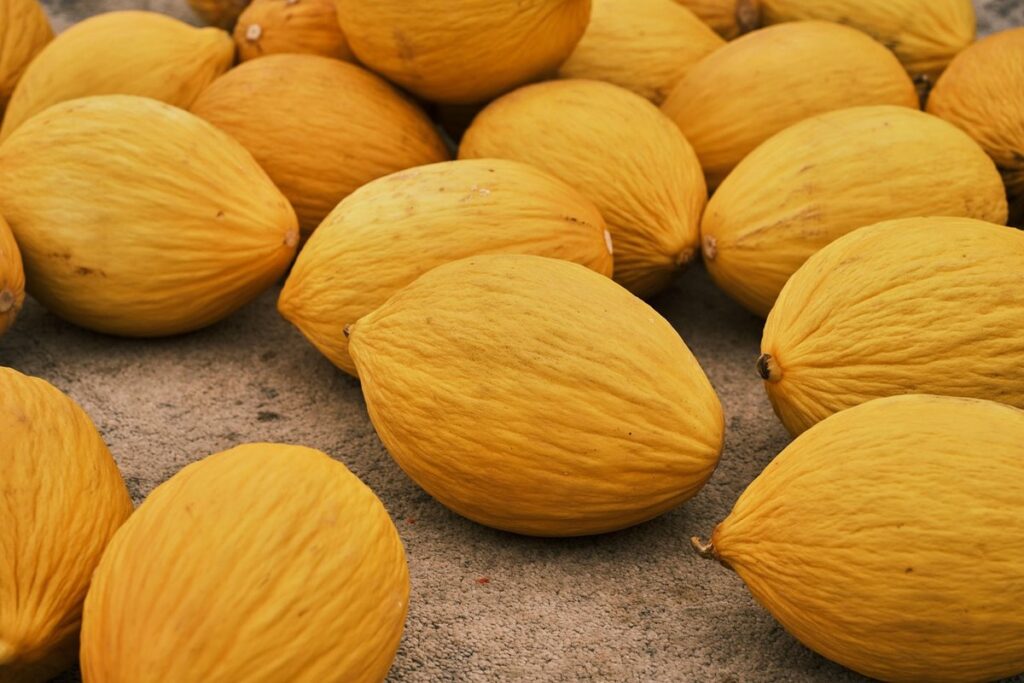
Choosing the Right Melon Variety
When it comes to growing melons, selecting the right variety is crucial for success. Let’s take a look at some popular types of melons and what makes them ideal for different climates and farming conditions.
Understanding Climate Requirements
When choosing the right melon variety for your farm, it’s essential to consider the specific climate requirements of each type. Different melons have varying temperature tolerance and precipitation needs, which can affect their growth, yield, and overall quality.
For example, watermelon varieties like ‘Atlantic Giant’ and ‘Crimson Sweet’ prefer a warm climate with temperatures ranging from 65°F to 85°F (18°C to 30°C) during the day. They also require well-drained soil and full sun exposure. On the other hand, honeydew melons like ‘Earli-Dew’ and ‘Sugar Crystal’ can thrive in slightly cooler temperatures between 60°F and 80°F (15°C to 27°C).
In terms of precipitation, most melon varieties need around 20-25 inches (500-600 mm) of water per growing season. However, some varieties like cantaloupe are more drought-tolerant than others. It’s crucial to monitor soil moisture levels and adjust irrigation schedules accordingly.
Keep in mind that climate requirements can vary depending on your specific region and weather patterns. Research the local climate conditions and choose melon varieties that match your area’s temperature and precipitation norms. By understanding these climate requirements, you’ll be better equipped to select the right melons for your farm and increase your chances of success.
Popular Melon Varieties Suitable for Small-Scale Farming
When it comes to small-scale melon farming, selecting the right variety can make all the difference. Some of the most popular and profitable melon varieties suitable for small-scale farming include Cantaloupe (Cucumis melo), Honeydew (Cucumis melo var. inodorus), Watermelon (Citrullus lanatus), Casaba (Cucumis melo var. flexuosus), and Galia (Cucumis melo var. galia).
Each of these varieties has its unique characteristics and growth habits, making them ideal for small-scale farmers. For instance, Cantaloupe is known for its netted rind and sweet flavor, while Honeydew boasts a smooth skin and creamy texture. Watermelon, on the other hand, is prized for its high water content and refreshing taste.
When choosing a melon variety for your small-scale farm, consider factors such as climate, soil type, and market demand. For example, if you’re farming in a hot and dry climate, a drought-tolerant variety like Watermelon may be the best choice. By selecting the right melon variety for your specific conditions and needs, you can increase your chances of success and profitability.
Soil Preparation and Irrigation Management
To grow healthy melons, proper soil preparation is crucial, including pH balance and nutrient-rich amendments. You’ll also learn how to manage irrigation systems effectively.
Preparing the Soil for Melon Planting
Soil preparation is one of the most critical steps in successful melon farming. Before planting melons, it’s essential to prepare the soil to provide optimal conditions for growth and yield. The first step in preparing the soil is to check its pH levels. Melons prefer a slightly acidic to neutral soil pH, ranging from 6.0 to 7.0. If your soil’s pH level is too high or too low, it may affect nutrient availability and plant growth.
To determine the correct nutrient requirements for your melon crop, you’ll need to test your soil for its NPK (nitrogen, phosphorus, and potassium) levels. Based on the results, you can add fertilizers accordingly to ensure your melons receive adequate nutrients. Erosion control measures are also crucial in preventing soil erosion and water loss during irrigation.
To control soil erosion, create a gentle slope on the farm or use mulch to cover exposed soil areas. Regularly checking soil moisture levels is vital to prevent overwatering, which can lead to root rot and other diseases. By taking these steps, you’ll set your melon crop up for success and ensure high yields.
Efficient Irrigation Systems for Melon Farming
When it comes to efficient irrigation systems for melon farming, choosing the right one can make all the difference. As a melon farmer, you want to conserve water while ensuring optimal growth and yields. The first step is to understand the specific water requirements of your melon crop. Melons need consistent moisture, especially during fruit development, but overwatering can lead to root rot and other problems.
A drip irrigation system is an excellent choice for melon farming. It delivers water directly to the roots, reducing evaporation and runoff. This not only saves water but also reduces fertilizer and pesticide usage. For example, a study in California found that farmers using drip irrigation systems reduced their water consumption by 30% while increasing yields by 20%.
Another efficient option is sprinkler irrigation with a sensor-based system. These systems detect soil moisture levels and adjust watering schedules accordingly, preventing overwatering. Consider investing in a submersible pump and a sprinkler system for optimal results.
In addition to these systems, consider implementing mulching and cover cropping to retain soil moisture and reduce evaporation. With the right irrigation system and techniques, you can conserve water while maximizing your melon yields.
Pest and Disease Management Strategies
To grow healthy melons, it’s crucial to implement effective pest and disease management strategies that prevent common issues such as powdery mildew and aphid infestations. Let’s dive into practical techniques for achieving this goal.
Common Pests Affecting Melon Crops
When it comes to melon farming, one of the most significant challenges is managing pests that can damage crops and reduce yields. Common pests affecting melons include aphids, whiteflies, and spider mites. Aphids are small, soft-bodied insects that feed on plant sap, causing curled or distorted leaves. They have a fast life cycle, typically taking 7-10 days to reach maturity. Whiteflies, on the other hand, are tiny flying insects that suck plant juices, leading to yellowing or stunted growth. Spider mites are tiny arachnids that feed on plant sap, causing bronzing or yellowing of leaves.
To control these pests, it’s essential to adopt integrated pest management (IPM) strategies. This includes monitoring for pests regularly, using physical barriers such as fine mesh or row covers to prevent infestation, and introducing beneficial insects like ladybugs or lacewings that prey on aphids and whiteflies. Regularly inspect your melon crops, paying attention to early signs of pest damage, and use chemical controls only when necessary. For example, neem oil can be used to control aphid populations, while pyrethrin sprays can help manage spider mites. By adopting these proactive measures, you can minimize the impact of pests on your melon crops and ensure a bountiful harvest.
Integrated Pest Management (IPM) Techniques for Effective Disease Control
Effective disease control is crucial for melon farming success. Integrated Pest Management (IPM) techniques offer a holistic approach to minimize the use of pesticides and maintain crop health. IPM combines cultural, biological, and chemical controls to address disease issues.
Cultural controls involve practices like crop rotation, sanitation, and irrigation management. For example, rotating crops can help break disease cycles and reduce soil-borne pathogens. Sanitizing equipment and tools between seasons prevents the spread of diseases. Proper irrigation management ensures water doesn’t collect in the plant’s crown, reducing the risk of fungal diseases.
Biological controls use beneficial organisms to control pests and diseases. Trichogramma wasps, for instance, can be used to control whiteflies and aphids that transmit viral diseases. Introducing beneficial fungi like Beauveria bassiana can help control fungal pathogens.
Chemical controls should be used as a last resort. However, when necessary, choose products with narrow spectra to minimize harm to beneficial organisms. Regular monitoring of your melon crop is essential for early detection and prevention of disease issues using IPM techniques.
Melon Harvesting and Post-Harvest Handling
When it comes time to harvest your melons, proper handling is crucial to ensure their quality remains high throughout transportation and storage. This section will walk you through the best practices for harvesting and post-harvest care.
Identifying the Optimal Time for Melon Harvest
When it comes to melon farming, timing is everything. Harvesting your melons at the right moment can make all the difference between a bountiful yield and a disappointing crop. To determine when to harvest, you’ll want to look for several key indicators.
First, check the coloration of your melons. For most varieties, a yellow or cream-colored spot on the underside is a sign that they’re ripe. Netted melons, like cantaloupes, will also develop a creamy yellow netting as they ripen. But don’t rely solely on color – it’s easy to mistake unripe skin for ripe flesh.
A more reliable indicator of ripeness is weight. Ripe melons are heavy for their size. Gently lift the fruit and compare it to its counterparts; if one feels significantly heavier, it’s likely ready to be picked. You can also check for a slight give when pressed gently around the stem end – this indicates that the melon has reached optimal sweetness.
For specific varieties, like watermelon or honeydew, it’s essential to monitor their sugar levels using a refractometer. This tool will give you an accurate reading of your melon’s Brix level (a measure of sugar content). Generally, most commercial growers aim for a minimum Brix reading of 10.5°Bx – this ensures that the fruit is sweet and ready for market.
Timing can also vary depending on the specific weather conditions in your region. Melons grown under stress conditions will typically produce more sugars as a defense mechanism – resulting in sweeter, more desirable fruit. By considering these factors together, you’ll be able to pinpoint the optimal time for harvesting your melons and enjoy an exceptional yield.
In general, most commercial growers harvest their melons between 90-120 days after flowering, depending on the specific variety and growing conditions. For smaller-scale operations or home growers, it’s crucial to develop a personal understanding of your farm’s unique climate and soil profile – this will enable you to fine-tune your harvesting schedule accordingly.
Keep in mind that some varieties are naturally more sensitive to temperature fluctuations than others. For example, cantaloupes tend to be more finicky about temperature extremes compared to other types of melons. If you’re growing a particularly delicate variety, it’s essential to monitor the weather forecast closely and plan your harvest according to optimal conditions.
To avoid over- or under-harvesting, make sure to check on your melon crop regularly – ideally every 3-4 days during peak ripening periods. This way, you can respond quickly to changes in temperature, sunlight exposure, or other environmental factors that may impact the ripening process.
As a final tip, consider harvesting your melons early in the morning when they’re at their coolest and most plump. Avoid handling them excessively as this can cause damage – instead, use a gentle, secure method for transporting your freshly harvested produce to its storage destination.
Storage and Transportation Techniques for Maintaining Quality
When it comes to maintaining the quality of harvested melons, proper storage and transportation techniques play a crucial role. Refrigeration is an effective method for storing melons, particularly those with high water content like cantaloupes and honeydew. Keep them at a consistent temperature between 32°F and 40°F (0°C and 4°C) to slow down the ripening process.
Packaging is also essential in preserving melon quality. Use breathable packaging materials such as paper bags or mesh bags to prevent moisture buildup, which can lead to mold and spoilage. Avoid using plastic bags as they trap moisture and promote fungal growth.
Transportation techniques should prioritize gentle handling to minimize bruising and damage. Use wooden crates or pallets with soft padding to cushion the melons during transit. Keep them upright and secure to prevent movement, which can cause injury. Regularly monitoring temperature and humidity levels during transportation is also necessary to ensure optimal storage conditions are maintained.
It’s worth noting that some melon varieties are more sensitive to handling than others. Watermelons, for instance, require extra care due to their high water content and delicate skin.
Marketing Strategies for Small-Scale Melon Farmers
As a small-scale melon farmer, you need effective marketing strategies to reach your target audience and sell your products, which is why we’ll dive into practical tips and techniques for promoting your melons.
Understanding Market Trends and Consumer Preferences
The market for melons is dynamic and influenced by various factors. Understanding current trends and consumer preferences is crucial for small-scale farmers to remain competitive. For instance, the demand for melons peaks during summer months when consumers seek refreshing fruits to beat the heat. However, this demand fluctuates in regions with varying climates.
Geographical variations also play a significant role in shaping market demand. Consumers in urban areas tend to prefer exotic and high-quality varieties, while those in rural areas prioritize affordability and availability. Additionally, seasonal fluctuations impact the pricing of melons. For example, cantaloupe prices tend to be higher during the peak season (May-July) than during the off-season.
To capitalize on these trends, farmers can adapt their production strategies by focusing on in-demand varieties, diversifying their markets, and adopting efficient harvesting techniques. Moreover, staying informed about weather patterns and disease outbreaks will help mitigate potential losses due to supply chain disruptions. By doing so, small-scale melon farmers can optimize their yields, ensure a stable income stream, and contribute to the overall success of their operations.
Developing Effective Marketing Plans for Increased Sales
Developing an effective marketing plan is crucial for small-scale melon farmers to connect with potential buyers and increase sales. To start, you need to identify your target market – who are the people most likely to buy your melons? Are they local restaurants, grocery stores, or individual consumers? Once you have a clear understanding of your target audience, you can tailor your marketing efforts accordingly.
Consider implementing the following strategies to connect with potential buyers:
* Attend local farmers’ markets and trade shows to showcase your products and network with other industry professionals.
* Develop a strong online presence by creating a website and social media accounts to share updates about your farm, promotions, and recipes that feature your melons.
* Build relationships with local chefs and restaurant owners by offering samples of your produce and educating them on the benefits of using locally sourced ingredients.
Remember, effective marketing is not just about promoting your products – it’s also about building a community around your brand. By focusing on customer engagement and loyalty, you can create a loyal customer base that drives sales and helps grow your business.
Financial Planning and Cost Control in Melon Farming
Effective financial planning is crucial for melon farming, allowing you to allocate resources wisely and minimize losses. This section will walk you through essential strategies for cost control and financial management in your melon farm.
Initial Investment Costs and Break-Even Analysis
Estimating initial investment costs is crucial for melon farming success. To set up a melon farm, you’ll need to consider several expenses. Land preparation alone can cost between $3,000 to $5,000 per acre, depending on the soil quality and needed amendments.
Equipment purchases are another significant expense. Melon farming requires specialized tools like irrigation systems, pruning shears, and harvesting equipment. These costs can range from $10,000 to $20,000 for a small-scale farm. Labor expenses should also be factored in, with an estimated cost of $15,000 to $30,000 per year, depending on the size of your farm and labor laws in your area.
To give you a better idea of initial investment costs, consider this example: A 5-acre melon farm would require approximately $25,000 to $50,000 for land preparation, equipment purchases, and labor expenses. However, keep in mind that these costs can vary greatly depending on your specific location and circumstances.
To minimize upfront costs, consider the following tips:
* Start small with a limited land size to test your melon varieties and farming techniques.
* Purchase used or second-hand equipment to save money on initial investments.
* Seek out local financing options or government subsidies that may help offset some of these expenses.
Strategies for Managing Operating Expenses and Maximizing Profitability
As a melon farmer, managing operating expenses is crucial for maximizing profit margins. One effective strategy is to implement crop rotation and intercropping techniques. By alternating between different types of crops, you can reduce soil degradation, minimize pest and disease buildup, and optimize resource usage.
To further control costs, consider adopting precision agriculture practices such as drip irrigation and mulching. These methods conserve water and nutrients while reducing the need for manual labor and machinery maintenance.
Another key strategy is to negotiate better prices with suppliers by building long-term relationships and exploring alternative sources for inputs like seeds, fertilizers, and equipment. Regularly monitoring and adjusting your budget can also help identify areas where costs can be reduced without compromising crop quality or yield. This proactive approach will enable you to maintain a healthy profit margin despite fluctuations in market demand.
Frequently Asked Questions
What are the key factors to consider when planning my initial investment costs for melon farming?
When planning your initial investment, consider not just the cost of seeds and equipment but also factors like land preparation, irrigation systems, and pest management strategies. It’s essential to create a comprehensive budget that takes into account all these expenses to ensure you don’t go over budget. Consider breaking down your costs into short-term and long-term investments to prioritize what’s most critical for your farm’s success.
How can I manage pests effectively without using chemical pesticides in my melon farm?
Effective pest management is crucial, especially when it comes to organic farming methods. Utilize integrated pest management (IPM) techniques that combine physical barriers, biological controls, and cultural practices to minimize damage. Monitor your crops regularly for early signs of infestation and use crop rotation strategies to reduce the risk of pests spreading.
What are some storage and transportation tips to maintain the quality of my harvested melons?
After harvesting, it’s essential to store and transport your melons properly to maintain their quality. Make sure to handle them gently to avoid bruising or damage. Store them in a cool, dry place with good ventilation, and consider using containers that maintain a consistent temperature.
Can I grow multiple types of melons on the same farm, or should I specialize in one variety?
Growing multiple varieties can be beneficial for diversifying your crops and increasing yield potential. However, it may require more management and planning to ensure optimal growing conditions for each type. Consider starting with a single variety to gain experience before expanding to others.
What are some tips for marketing my melons effectively to local consumers?
Developing an effective marketing strategy is crucial for reaching local consumers. Identify market trends and consumer preferences by conducting surveys or focus groups. Utilize social media platforms and consider partnering with local restaurants, farmers’ markets, or co-ops to increase visibility and sales.