
If you’re growing plants with dark green leaves, you know that they require a bit more TLC when it comes to lighting. These plants thrive in environments where light is scarce or indirect, but providing the right amount and quality of light can be tricky. Not only does it affect their growth and color intensity, but it also impacts their ability to photosynthesize – a crucial process for plant survival.
In this article, we’ll delve into the world of light requirements for plants with dark green leaves, exploring best practices for optimizing lighting conditions. From understanding the importance of balanced spectrum lighting to troubleshooting common issues like yellowing leaves or stunted growth, we’ve got you covered. Whether you’re a seasoned gardener or just starting out, our expert guide will help you provide your plants with the light they need to thrive and reach their full potential.
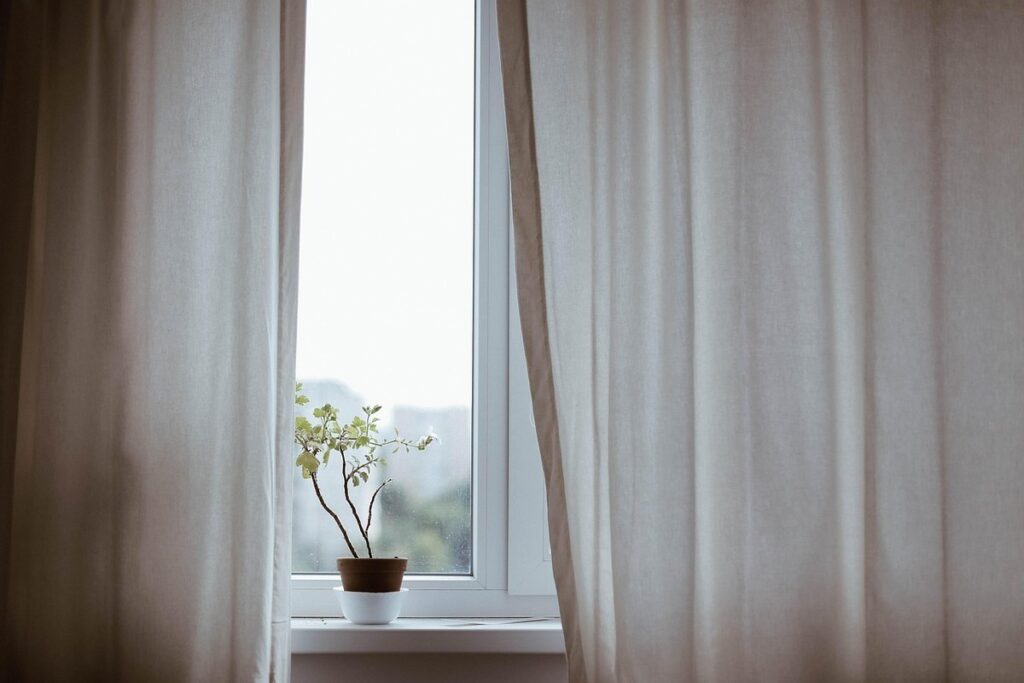
Benefits of Adequate Lighting for Dark Green Leaf Plants
When it comes to growing plants with dark green leaves, one crucial aspect to consider is how lighting can impact their overall health and appearance. Proper lighting makes all the difference in these foliage-lovers’ growth.
Importance of Light in Photosynthesis
Light plays a crucial role in photosynthesis, the process by which plants convert light energy into chemical energy. Even with dark green leaves, which may appear to be optimized for low-light conditions, providing sufficient light is still essential for optimal growth and development.
Dark green leaves are often mistaken as being able to survive in low-light environments due to their thick waxy cuticles and dense chloroplasts. However, this doesn’t mean they can tolerate extended periods of inadequate lighting. In reality, dark green plants require more intense light to undergo photosynthesis efficiently compared to lighter green or variegated varieties.
Providing sufficient light to your plant with dark green leaves has several benefits. It promotes healthy growth, boosts chlorophyll production, and enhances overall color vibrancy. Moreover, it encourages the plant to produce more sugars through increased photosynthetic activity, which can result in a more robust and resilient plant.
Consider placing your dark green plant near an east- or west-facing window for gentle yet consistent light exposure. Avoid direct sunlight during peak hours as this can cause burning or discoloration.
Effects of Insufficient Lighting on Plant Growth
When plants are not provided with sufficient light, they can suffer from stunted development, reduced leaf size, and decreased productivity. This is especially true for plants with dark green leaves, which thrive in conditions where they receive ample light.
In low-light environments, dark green plants may experience a reduction in chlorophyll production, leading to smaller leaves and slower growth rates. For instance, if you’re growing an African Violet indoors, insufficient lighting can result in weak, spindly stems and small, pale leaves.
Dark green plants with insufficient light often struggle to undergo photosynthesis efficiently, which is crucial for plant growth. This can lead to a decrease in overall productivity, including reduced fruiting and flowering. To combat this issue, consider using grow lights specifically designed for low-light conditions or increasing the duration of natural daylight your plants receive by moving them near windows or outside.
It’s also essential to note that some dark green leafed plants are more tolerant of low light than others. For example, Chinese Evergreen and Pothos can thrive in low-light environments with minimal supplemental lighting. However, for optimal growth, it’s still crucial to provide these plants with sufficient light to support their natural needs.
Best Practices for Providing Optimal Light Conditions
When it comes to providing optimal light conditions for plants with dark green leaves, there are several best practices to keep in mind. One effective approach is to utilize grow lights, which can provide a consistent and tailored spectrum of light that meets the specific needs of your plant. For example, if you’re growing a plant like the Philodendron Selloum, which has deep green leaves, you may want to use a grow light with a blue-rich spectrum to enhance leaf coloration.
Another consideration is adjusting the placement of your plants to optimize their exposure to natural light. While it’s tempting to place dark green leaf plants in low-light areas, doing so can lead to weak and spindly growth. Instead, try placing them near a north-facing window or under a skylight during the morning hours when the sun is lower in the sky.
When using natural light sources, take advantage of seasonal changes to vary your plant’s exposure to different wavelengths of light. For instance, during the winter months when the sun’s rays are weaker, you can move your plants closer to the window to compensate for the reduced light intensity. By being mindful of these factors and adjusting your approach accordingly, you’ll be well on your way to creating ideal light conditions for your dark green leafed plants.
Understanding the Lighting Needs of Specific Dark Green Leaf Plants
Now that we’ve covered the basics, let’s dive into some specific scenarios and examine how to tailor lighting for plants with dark green leaves, like peace lilies and spider plants.
Popular Plants with Dark Green Leaves and Their Lighting Requirements
If you’re looking to add some drama and depth to your indoor space, plants with dark green leaves are an excellent choice. Not only do they bring a pop of color and texture, but they also provide numerous benefits for the environment and our well-being.
Some popular plants that fit this description include Chinese Evergreen (Aglaonema), Pothos (Epipremnum aureum), and Philodendron (Philodendron spp.). Each of these plants has its own unique characteristics and lighting requirements. For example, Chinese Evergreen prefers bright, indirect light but can tolerate low light conditions, making it an excellent choice for offices or rooms with limited natural light.
Understanding the specific lighting needs of your plant is crucial to providing optimal care. If a plant is exposed to too much direct sunlight, its leaves may become scorched and discolored. Conversely, if it’s not receiving enough light, it may grow leggy or fail to thrive. Knowing the native habitat and growth habits of your plant can help you determine its ideal lighting requirements.
In general, plants with dark green leaves prefer bright, indirect light but can adapt to a range of conditions. When selecting a plant for your indoor space, consider factors such as natural light exposure, artificial lighting, and the time of day when choosing the perfect spot for your new addition. By providing the right amount of light, you’ll be well on your way to growing a healthy, thriving dark green leaf plant.
Factors Affecting the Lighting Needs of Dark Green Leaf Plants
When it comes to dark green leaf plants, their lighting needs can be influenced by several factors beyond just the intensity and duration of light. Temperature, humidity, and soil type all play a crucial role in determining how well a plant responds to light.
Temperature is a significant factor, as most dark green leaf plants thrive in temperatures between 65-75°F (18-24°C). However, some plants like Chinese Evergreen can tolerate warmer temperatures up to 80°F (27°C), while others like Pothos prefer cooler temperatures around 55-65°F (13-18°C). If the temperature is too high or low, it can stress the plant, causing it to become more sensitive to light.
Humidity levels also impact a plant’s response to light. Most dark green leaf plants thrive in humid environments with a relative humidity of 40-60%. Low humidity can cause leaves to become scorched and wilted, while high humidity can lead to fungal diseases. By adjusting the temperature and humidity levels, you can create an optimal environment for your dark green leaf plant.
Soil type is another crucial factor. Well-draining potting mixes with a pH between 6-7 are ideal for most dark green leaf plants. Avoid using regular garden soil as it can compact and prevent proper drainage. By taking into account these environmental factors, you can tailor the lighting needs of your dark green leaf plant to its specific requirements.
In addition, the color of the pot and surrounding environment can also affect the amount of light the plant receives. Dark-colored pots absorb heat and can cause the soil temperature to rise, while light-colored pots reflect sunlight and help regulate temperature. Similarly, a bright, open area with minimal shadows will provide more light than a dimly lit room with plenty of obstacles.
Ultimately, understanding these factors will enable you to create an optimal environment for your dark green leaf plant, ensuring it receives the right amount of light and thrives under its care. By monitoring and adjusting temperature, humidity, soil type, and surrounding environment, you can fine-tune the lighting needs of your plant to meet its specific requirements.
When choosing a location for your plant, consider the amount of direct and indirect light it will receive. Dark green leaf plants can tolerate some shade but benefit from bright, indirect light. East- or west-facing windows are ideal as they provide gentle, indirect light without scorching the leaves.
Keep in mind that these factors can interact with each other, so monitoring and adjusting multiple conditions simultaneously may be necessary to achieve optimal results.
Case Studies: Success Stories from Experienced Plant Owners
Let’s take a look at what experienced plant owners have achieved with their dark green leafed plants. For instance, Sarah, an avid gardener, shared her success story with us. She grows Philodendron ‘Micans’ in a room with limited natural light. To overcome the challenge, she uses a combination of LED grow lights and sheer curtains to filter the available light. Her plant has thrived under this setup, producing healthy dark green leaves.
Another example is Mark’s experience with growing Chinese Evergreen. He placed his plant near an east-facing window but found that the direct sunlight caused scorching on the leaves. To rectify this, he employed a sheer curtain to diffuse the light and also supplemented with some low-intensity grow lights in the evenings. The result was impressive – his plant maintained its vibrant dark green color and continued to grow robustly.
These examples demonstrate how adapting lighting strategies can make all the difference for plants with dark green leaves. By employing a mix of natural and artificial lighting, experienced plant owners have achieved remarkable results even in challenging conditions.
Lighting Options for Plants with Dark Green Leaves
When choosing lighting options for plants with dark green leaves, it’s essential to consider their unique light requirements and select lamps that mimic natural daylight effectively. This section explores some popular options.
Artificial Lighting Solutions
If you’re unable to provide sufficient natural light for your plants with dark green leaves, artificial lighting solutions can be a game-changer. Among various options available, LED grow lights are a popular choice due to their energy efficiency and flexibility.
LED grow lights come in different spectrums, but most plants thrive under full-spectrum or broad-spectrum LEDs. These mimic the natural light spectrum and promote healthy growth. However, they can be pricey, especially high-quality models with a long lifespan.
Fluorescent lights are another affordable option, often used for seedlings and young plants. They’re relatively inexpensive to purchase but may not provide sufficient light intensity for mature plants. On the other hand, HID (High-Intensity Discharge) lights offer high light output but consume more energy than LEDs or fluorescents.
When choosing artificial lighting, consider the specific needs of your plant species and available space. Place lights at an optimal distance from plants to avoid burning leaves. Also, ensure adequate air circulation around the grow area to prevent overheating. This will help you achieve balanced growth and vibrant foliage in your dark green-leaved plants.
Natural Light Sources: Maximizing Plant Exposure
When it comes to plants with dark green leaves, natural light sources are essential for optimal growth and development. As a plant parent, you want to provide the best environment possible for your plant to thrive. One of the simplest ways to do this is by maximizing its exposure to natural light.
First, consider the placement of your plant. Move it to a brighter location in your home or office, ideally near a south-facing window. If that’s not feasible, try adjusting the direction of the plant’s pot slightly to face the sun more directly. Prune any nearby vegetation that may be blocking or competing for light with your plant.
Another clever trick is using reflective surfaces like mirrors or shiny objects placed strategically around the plant to bounce natural light towards it. This technique can make a significant difference, especially in areas with limited direct sunlight. By making these small adjustments, you’ll be amazed at how much of an impact it can have on your plant’s overall health and appearance.
Advanced Lighting Strategies for Expert Growers
For expert growers looking to take their indoor garden to the next level, mastering advanced lighting strategies is key to achieving optimal yields and plant health. This includes utilizing color temperatures, spectrums, and intensities to maximize growth.
Customized Lighting Plans
Developing a customized lighting plan is crucial to optimize growth and productivity of plants with dark green leaves. Each species has unique light requirements, and by understanding these needs, growers can create tailored solutions that yield the best results.
For instance, lettuce and kale require more intense light to promote leafy growth, whereas herbs like basil and mint benefit from softer, cooler lighting to prevent scorching. By accounting for specific plant characteristics, such as leaf color, size, and orientation, growers can design customized fixtures or adjust existing systems to provide the ideal spectrum and intensity.
To create a customized plan, consider factors like the plants’ photosynthetic requirements, growth stages, and desired outcomes. You may also want to assess the growing environment’s limitations, including available space and budget constraints. This approach allows for precise control over light delivery, ensuring that each plant receives the optimal amount of light for its specific needs.
In practice, this might involve supplementing natural light with LED grow lights or adjusting the distance between plants and lighting fixtures to prevent over-illumination. By fine-tuning your lighting plan in this way, you can unlock the full potential of your dark green leaf plants and enjoy enhanced growth rates, increased yields, and improved overall health.
Monitoring and Adjusting Lighting Conditions
As you continue to optimize lighting conditions for plants with dark green leaves, it’s essential to monitor and adjust accordingly. This involves tracking plant responses, environmental changes, and seasonal variations to ensure optimal growth.
To do this effectively, use tools like light meters or spectrometers to measure PAR (photosynthetic active radiation) levels, which directly impact photosynthesis and plant growth. Consider investing in a temperature and humidity logger to track environmental fluctuations that can impact light’s effectiveness.
Pay attention to changes in plant behavior, such as stretching towards or away from the light source, which can indicate over- or under-lighting conditions. Be prepared to adjust your lighting schedule or intensity based on seasonal variations, with shorter daylight hours during winter months requiring increased supplemental lighting.
For example, if you notice a 20% decrease in plant growth due to reduced PAR levels, consider increasing the duration of supplementary LED grow lights by two hours per day. By continuously monitoring and adjusting light conditions, you’ll create an optimal environment for plants with dark green leaves to thrive.
Troubleshooting Common Lighting-Related Issues
Don’t worry if your plants are struggling to thrive – we’ve got you covered! This next part tackles common lighting-related issues that might be affecting your dark green leaves.
Identifying and Addressing Common Lighting Problems
When it comes to plants with dark green leaves, inadequate lighting can cause a range of problems that impact their growth and health. One common issue is leaf scorch, which occurs when the leaves are exposed to too much direct sunlight or extreme temperature fluctuations. This can cause the leaves to become brittle and discolored, leading to reduced photosynthesis and stunted growth.
To diagnose leaf scorch, inspect your plants regularly for signs of stress, such as yellowing or browning leaves. Check the plant’s location and make adjustments as needed to reduce direct sunlight exposure. You can also prune back affected leaves to prevent further damage and promote healthy growth.
Other common problems related to inadequate lighting include stunted growth and reduced yields. Plants that don’t receive enough light may become leggy, stretching towards available light sources but failing to thrive. To address this issue, consider increasing the amount of direct sunlight your plant receives by moving it closer to a south-facing window or installing grow lights.
Common signs of insufficient lighting for plants with dark green leaves include:
* Reduced growth rates
* Legginess or etiolation
* Leaf scorch or discoloration
* Reduced yields or fewer flowers
To resolve these issues, assess your plant’s lighting conditions and make adjustments accordingly. If you’re unable to provide more direct sunlight, consider supplementing with grow lights to ensure your plants receive the light they need to thrive.
Optimizing Lighting for Indoor Gardens
When it comes to optimizing lighting conditions for indoor gardens featuring plants with dark green leaves, several challenges arise. The first hurdle is balancing light intensity. Plants with dark green leaves generally prefer bright, indirect light, but direct sunlight can scorch their delicate foliage.
To strike the right balance, place your plant near an east- or west-facing window, which provides gentle, diffuse light. If natural light is scarce, supplement with grow lights that emit a balanced spectrum of blue and red wavelengths. Aim for 12-14 hours of lighting per day, taking care not to overwater, as this can lead to root rot and other issues.
Consider the specific needs of your plants when selecting grow lights. For example, seedlings require more intense light than mature plants. Monitor your plants’ responses to different lighting conditions and adjust accordingly. By carefully calibrating light intensity, duration, and spectrum, you’ll be well on your way to creating an ideal environment for your indoor garden to thrive.
Conclusion: Mastering Light for Plants in Dark Green Leaves
As we’ve explored the unique challenges of providing sufficient light to plants with dark green leaves, let’s now summarize the key takeaways and discuss how to master this often tricky aspect.
Recap of Key Takeaways
Mastering light for plants with dark green leaves requires a deep understanding of their unique lighting needs. By now, you should have grasped the importance of considering leaf color when selecting lighting options and adjusting environmental conditions to optimize growth.
To recap, we’ve discussed how different leaf colors respond differently to various wavelengths of light. Dark green leaves, in particular, require a balanced spectrum that promotes photosynthesis without causing excessive stress or overstimulation. This often means providing plants with cooler temperatures, moderate humidity levels, and carefully controlled photoperiods.
In practice, this means:
* Ensuring sufficient blue light for chlorophyll production
* Providing adequate red light for leaf expansion
* Avoiding intense direct sunlight that can cause scorching or burning
By implementing these strategies, you’ll be well on your way to mastering the lighting needs of plants with dark green leaves. Remember to observe and adjust as needed – every plant is unique, and what works for one may not work for another. With patience, persistence, and a willingness to experiment, you can unlock optimal growth and vibrant foliage in even the most challenging environments.
Final Tips for Success
As you continue to care for your plants with dark green leaves, remember that mastering light is an ongoing process. To achieve success, it’s essential to stay informed about the latest research on plant photobiology. Regularly visit reputable online forums and scientific journals to stay updated on new findings that can impact your care routine.
Also, observe your plants’ responses closely. Dark green leaves often thrive in unique conditions, so pay attention to subtle changes in their growth patterns or coloration. By monitoring these cues, you’ll be better equipped to make adjustments as needed.
Lastly, remain prepared to adapt to changing environmental conditions. Weather patterns, seasonal shifts, and even indoor renovations can impact the amount of light your plants receive. Keep an open mind and be willing to adjust your care strategies in response to evolving circumstances. By being proactive and flexible, you’ll be well on your way to successfully nurturing dark green-leaved plants that thrive under diverse lighting conditions.
Frequently Asked Questions
What are some signs that my plant is getting too much light?
When providing optimal lighting for dark green leaf plants, it’s essential to be mindful of over-lighting. Signs of too much light include scorched or discolored leaves, stunted growth, and even the appearance of white or yellow spots on the leaves. Monitor your plant’s response to different lighting conditions and adjust accordingly.
How can I create a customized lighting plan for my indoor garden?
Each type of dark green leaf plant has unique lighting requirements. Consider factors like the plant’s native habitat, growth rate, and desired color intensity when creating a customized lighting plan. You may also want to experiment with different light spectrums or adjust the duration and frequency of your light cycles.
Can I use LED grow lights for plants with dark green leaves?
LED grow lights are an excellent option for providing optimal lighting for dark green leaf plants. They offer high intensity, energy efficiency, and adjustable spectrum options, which can be tailored to meet specific plant needs. However, ensure the LED lights you choose are designed specifically for indoor gardening.
How often should I adjust my plant’s lighting conditions?
Lighting requirements may change over time as your plant grows or adapts to its environment. Monitor your plant’s response to different lighting conditions and adjust accordingly. Typically, this involves adjusting light intensity, spectrum, or duration every 1-2 weeks, depending on the specific needs of your plants.
What are some common mistakes people make when providing light for dark green leaf plants?
Some common mistakes include under-lighting (insufficient light) or over-lighting (too much light). Additionally, using low-quality lighting sources or failing to adjust light conditions as the plant grows can also negatively impact plant health. Pay close attention to your plant’s response and make adjustments accordingly to ensure optimal growth.