
Are you tired of struggling with overgrown lemongrass plants that seem to be more nuisance than asset in your garden? Pruning lemongrass is an essential task that requires finesse, and getting it right can make all the difference. Not only does pruning help maintain a healthy balance between foliage and flowers, but it also encourages new growth, boosts yields, and keeps pests at bay.
In this article, we’ll delve into the best practices for pruning lemongrass to achieve the perfect height. We’ll cover expert tips on when to prune, how often to trim, and what techniques to use to promote bushy, vibrant plants that thrive all season long. By following these simple guidelines, you can enjoy a bountiful harvest of fresh herbs and add a touch of tropical charm to your garden with ease.
Understanding Lemongrass Growth Patterns
To prune lemongrass effectively, it’s essential to understand how it grows and matures, as its growth patterns significantly impact its response to pruning. Let’s explore these patterns together.
How Lemongrass Grows in Different Environments
Lemongrass is an adaptable plant that can thrive in various environments. Its growth pattern can be influenced by factors such as sun exposure, soil quality, and humidity levels. In full sun conditions, lemongrass tends to grow more densely with a stronger stem structure. This makes it easier to prune to the desired height.
On the other hand, when grown in partial shade, lemongrass may become leggy and require regular pruning to maintain its shape. Soil quality also plays a crucial role in determining how well your lemongrass plant will grow. Well-draining soil with a pH between 6 and 7 is ideal for lemongrass growth.
High humidity levels can lead to fungal diseases that affect the plant’s overall health. In such cases, it’s essential to provide good air circulation by pruning back overgrown areas or thinning out the foliage. Conversely, low humidity can cause stress to the plant, leading to reduced growth and increased susceptibility to pests.
When growing lemongrass in different environments, it’s crucial to observe its behavior closely and adjust your pruning schedule accordingly. For example, if you live in a hot and humid climate, prune your lemongrass more frequently to maintain air circulation and prevent disease buildup.
Factors Affecting Lemongrass Height
When it comes to lemongrass height, several factors come into play. One of the most significant influences is plant age. Younger lemongrass plants tend to be shorter and more compact, typically reaching heights between 1-2 feet (30-60 cm). As they mature, however, they can grow up to 3-4 feet (90-120 cm) or even taller.
Nutrient availability also plays a crucial role in determining lemongrass height. Plants growing in well-fertilized soil with adequate moisture tend to be healthier and more vigorous, resulting in increased growth. Conversely, plants deprived of essential nutrients may become stunted or spindly.
Pruning techniques can also impact lemongrass height. Regular pruning encourages bushy growth, while neglecting to prune can lead to a single, tall stem. To maintain an optimal height, it’s recommended to prune your lemongrass plant regularly, removing any dead or damaged leaves and cutting back the top growth by about one-third after new shoots emerge in spring.
By controlling these factors, you can influence your lemongrass plant’s height and encourage a more balanced, bushy growth habit.
Why Prune Lemongrass
Pruning lemongrass helps maintain its shape, promotes healthy growth, and encourages new stems to form, keeping your plant thriving for years to come. Regular pruning is also essential for indoor lemongrass care.
Benefits of Regular Pruning
Regular pruning is essential for maintaining healthy lemongrass plants. Not only does it promote vigorous growth, but it also increases yields and prevents disease. By pruning regularly, you’ll encourage the plant to focus its energy on producing new shoots rather than putting all its resources into growing tall.
This results in a bushier, more compact plant that’s less prone to toppling over in strong winds. A well-pruned lemongrass plant is also better equipped to defend itself against pests and diseases, as it has a stronger root system and fewer weak spots for pathogens to exploit.
In terms of yields, pruning allows the plant to redirect its energy towards producing more stalks and leaves. This means you’ll get a higher return on your investment when harvesting lemongrass for cooking or herbal use. Plus, regular pruning helps remove dead or damaged foliage, reducing the risk of disease transmission.
To reap these benefits, make sure to prune your lemongrass plant every 3-4 weeks during the growing season. Remove any dead or dying stalks and cut back the tallest shoots by about one-third. This will help control the plant’s height while promoting healthy growth and preventing disease.
Preparing Your Lemongrass for Pruning
When to Prune Lemongrass for Optimal Growth
Pruning lemongrass is typically done during the spring and summer months when new growth begins. This allows the plant to focus its energy on producing new shoots and foliage rather than flowering. However, if you’re looking to control the height of your lemongrass or encourage a bushy shape, pruning can be done year-round.
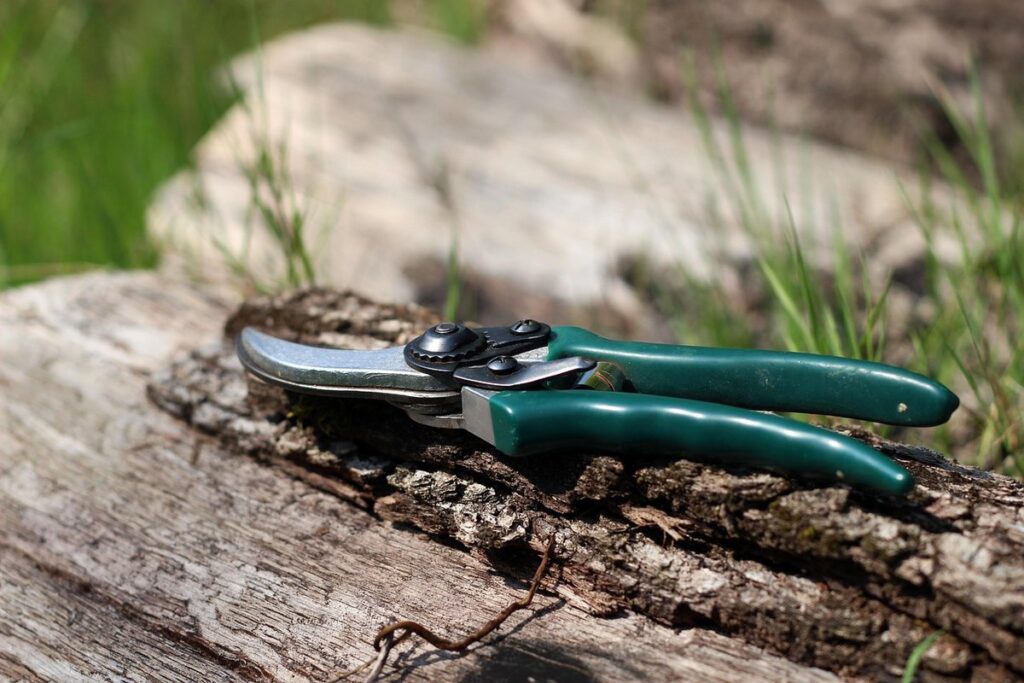
Before you start pruning, make sure you have the right tools for the job. A sharp pair of scissors or pruning shears are ideal for cutting back lemongrass stems. Long-handled loppers may also come in handy when dealing with thicker stalks. When handling these tools, always wear protective gloves to avoid skin irritation from the sap.
To prepare your lemongrass plant for pruning, choose a day when it’s not too humid or wet outside. Prune at least 1-2 inches above a node (where a leaf meets the stem) to encourage new growth and prevent the spread of disease.
Determining the Right Pruning Height
When pruning lemongrass, determining the right height can be a bit tricky, so let’s break down how to decide what works best for your plants.
Visual Cues for Pruning
When it’s time to prune your lemongrass plants, you’ll want to keep an eye out for certain visual cues that indicate the need for a haircut. One of the most obvious signs is yellowing leaves. As lemongrass matures, its leaves naturally turn from a vibrant green to a soft yellow. However, if the entire plant or large sections are turning yellow, it’s likely due to overwatering or nutrient deficiencies.
Dead stalks are another clear indication that it’s time to prune. If you notice any dead, dry, or brittle stalks, remove them as soon as possible to prevent the spread of disease and encourage new growth. You can also check for soft spots or mushy areas on the stalks, which may be a sign of root rot.
In addition to these visual cues, look for stalks that have reached maturity – typically around 3-4 feet tall. Pruning them back will help control the plant’s height and encourage new growth from the base. By paying attention to these signs and pruning your lemongrass regularly, you’ll be rewarded with a healthy, thriving plant that continues to produce plenty of fragrant stalks for years to come.
Measuring the Optimal Pruning Height
When it comes to measuring the optimal pruning height for your lemongrass plant, you’ll want to consider its age and growth habits. Lemongrass plants typically go through a few distinct stages of growth: young, mature, and overgrown.
For young lemongrass plants (less than 6 months old), it’s best to prune them just above the node where two leaves meet, leaving at least an inch or two of stem intact. This will encourage new growth and help the plant develop a strong root system.
As your lemongrass matures (about 6-12 months old), you can begin pruning the stalks about one-third from the top to promote a bushy shape and prevent legginess. For more mature plants, prune individual stalks when they reach 3-4 feet tall, cutting them back to about half their height.
Keep in mind that lemongrass is a tropical plant and can grow quite large if not pruned regularly. Regular pruning will also encourage new growth and help prevent the spread of disease. By monitoring your lemongrass’s growth habits and adjusting your pruning schedule accordingly, you’ll be able to maintain a healthy, productive plant throughout its life cycle.
Techniques for Pruning Lemongrass
When pruning lemongrass, it’s essential to remove old and damaged stalks while maintaining a healthy balance between foliage and flowers. This section will walk you through various techniques for effective lemongrass pruning.
Cutting vs. Grinding: Which Method is Best?
When it comes to pruning lemongrass, many gardeners are unsure whether to cut or grind their stalks. Both methods have their advantages and disadvantages, which we’ll explore below.
Cutting is a popular method for pruning lemongrass as it allows you to maintain the desired height while also promoting new growth. When cutting, simply snip off the top 6-8 inches of the plant using sharp, clean scissors or pruning shears. This will help control the plant’s size and encourage bushy growth.
On the other hand, grinding involves removing the entire stalk at ground level using a mower or string trimmer. While this method can be more effective for larger plants, it can also lead to the loss of valuable foliage and roots. If you choose to grind, make sure to do so before new growth begins in spring.
Ultimately, the best method for pruning lemongrass depends on your specific needs and preferences. Regular cutting will help maintain a neat appearance, while grinding is better suited for plants that have grown too tall or are showing signs of disease.
Tips for Making Clean Cuts
When making cuts on lemongrass, it’s essential to make clean cuts that promote healthy regrowth. This means cutting just above a node – the joint where a leaf meets the stem – rather than mid-leaf or mid-stem. Cutting at a 45-degree angle will also help prevent water from collecting on the cut surface and reduce the risk of rot.
To achieve clean cuts, use sharp, sterile pruning tools to avoid crushing or tearing the plant tissue. This is especially important when dealing with the tough lemongrass stalks. A dull tool can cause damage that will slow down regrowth and potentially lead to disease or pest issues.
Cutting back old growth to about one-third of its original height after flowering can also encourage new, healthy growth. This process helps to maintain a bushy shape and encourages more prolific production of lemongrass stalks with better flavor and aroma.
Pruning Frequency and Schedule
Now that we’ve covered the ideal lemongrass pruning height, let’s dive into how often you should prune your lemongrass plants to keep them healthy and thriving.
How Often Should You Prune Lemongrass?
When it comes to pruning lemongrass, frequency is key. You don’t want to prune too often and risk shocking the plant, but you also don’t want to let it get too unruly. The ideal pruning schedule for lemongrass depends on several factors, including your climate and the growth rate of your plant.
In warmer climates (USDA zones 9-11), lemongrass tends to grow rapidly and may need to be pruned every 1-2 weeks during the growing season. This will help keep the plant tidy and prevent it from becoming too leggy. In cooler climates (USDA zones 3-8), you can prune less frequently, about once a month.
It’s also important to consider your lemongrass plant’s growth rate. If it’s a fast-growing variety, you’ll need to prune more often to keep it under control. On the other hand, slower-growing varieties may only require pruning every 6-8 weeks.
A good rule of thumb is to remove about one-third of the foliage and stems when you do prune. This will encourage new growth and prevent the plant from becoming too dense. Remember, regular pruning is essential for maintaining a healthy and productive lemongrass plant.
Creating a Pruning Schedule
Creating a pruning schedule for lemongrass is essential to maintain its optimal height and promote healthy growth. To start, consider the climate and region you’re growing in. Lemongrass typically requires more frequent pruning in warmer climates or during periods of rapid growth. In cooler regions, less frequent pruning may be necessary.
Begin by monitoring your lemongrass plant’s growth rate and observing when it reaches the desired height. For most varieties, this is around 2-3 feet tall. Once you’ve identified this point, establish a regular pruning schedule to maintain the desired height and encourage bushy growth.
As a general rule of thumb, prune your lemongrass every 4-6 weeks during the growing season (spring-fall). Remove any dead or damaged stalks, and cut back the tops by about one-third to promote new growth. During periods of dormancy (winter), reduce pruning frequency to once every 8-12 weeks.
Keep in mind that over-pruning can be detrimental to lemongrass health, so it’s essential to strike a balance between maintaining the desired height and allowing the plant to thrive. With a well-planned pruning schedule, you’ll enjoy lush, vibrant lemongrass all season long.
Common Mistakes to Avoid
To get the best results from pruning your lemongrass, it’s essential to steer clear of common mistakes that can do more harm than good. Let’s explore what not to do when trimming your lemongrass.
Over-Pruning: A Common Pitfall
Over-pruning lemongrass plants is a common mistake that can have serious consequences on their health and productivity. When you remove too much of the plant’s foliage, it can reduce the yield of new stalks significantly. Lemongrass is a grassy perennial herb that relies heavily on its leaves to produce energy through photosynthesis. By cutting back too far, you’re essentially starving the plant of the resources it needs to thrive.
In addition to reduced yields, over-pruning also makes lemongrass more susceptible to disease and pests. A weakened plant is an easy target for fungal infections and insect infestations that can quickly spread and take hold. This can be especially problematic if you’re trying to grow a large quantity of lemongrass for medicinal or culinary purposes.
To avoid over-pruning, make sure to only remove what’s necessary – typically, about one-third to half of the plant’s height at a time. This will allow the plant to recover and regrow without putting it under too much stress. Remember to also inspect your plant regularly for signs of disease or pests, so you can catch any issues early on and take action before they get out of hand.
Under-Pruning: Another Pruning Mistake
Under-pruning lemongrass is just as detrimental to the plant’s health as over-pruning. When you fail to prune your lemongrass adequately, it can lead to stunted growth and a weakened immune system, making the plant more susceptible to diseases and pests.
One of the main consequences of under-pruning is the formation of tall, weak stems that are prone to toppling over in the wind. This not only makes the plant look unsightly but also creates an environment where diseases can thrive. For example, if your lemongrass plant has a thick cluster of dead or dying stalks at its base, it’s likely due to under-pruning and needs immediate attention.
To avoid under-pruning, make sure to remove any dead or damaged leaves and stems regularly. This will encourage healthy growth and prevent the spread of disease. It’s also essential to prune your lemongrass plant at the right time – typically in the spring or fall when new growth begins. By doing so, you’ll promote a bushy, compact shape and ensure your lemongrass stays healthy and productive throughout the growing season.
Conclusion
Now that you’ve mastered the art of pruning lemongrass, let’s summarize the key takeaways from our discussion to ensure your plants thrive all season long.
Recap of Key Takeaways
Now that we’ve explored the best practices for pruning lemongrass to maintain its optimal height, let’s take a moment to recap the key takeaways. This will ensure you’re well-equipped to tackle lemongrass care with confidence.
Pruning frequency is crucial: Regular pruning is necessary to control the growth and encourage new shoots. We recommend pruning every 2-3 weeks during peak growing seasons and less often during winter months when growth slows down.
Understand your plant’s needs: Different types of lemongrass have varying growth habits, so it’s essential to research specific pruning requirements for your particular variety. Some may require more frequent pruning than others, while some might be better suited to a ‘maintenance-only’ approach.
Focus on the base: When pruning, target the base of the plant, where new growth emerges from. This will encourage vertical growth and prevent the lemongrass from becoming leggy or sprawling.
Maintain air circulation: Pruning helps maintain air circulation within the plant. Good air flow is vital for preventing fungal diseases that can thrive in humid environments. A balanced pruning schedule should strike a delicate balance between keeping your lemongrass neat while ensuring adequate space for airflow.
Monitor and adjust: Keep an eye on your plant’s response to pruning, adjusting your schedule as needed. Factors like climate, soil quality, and overall health can impact growth rates and responsiveness to pruning.
By implementing these best practices, you’ll be able to enjoy the benefits of a well-pruned lemongrass crop – from improved air circulation to increased yields.
Frequently Asked Questions
What are some common mistakes to avoid when pruning lemongrass for the first time?
When starting with lemongrass pruning, it’s easy to make mistakes that can set back your plant’s growth. Over-pruning is a common mistake where you remove too much foliage at once, causing stress to the plant. To avoid this, start by removing only dead or damaged leaves and gradually work your way up to more extensive pruning.
Can I prune lemongrass in the winter months when it’s dormant?
Yes, pruning lemongrass during its dormancy period can help control its growth and encourage new shoots to emerge in the spring. However, make sure to prune only what’s necessary, as excessive pruning during this time can weaken the plant further.
How do I determine if my lemongrass is leggy or not?
Leggy lemongrass often has a weak stem structure and tends to grow taller than it should. To check for legginess, examine your plant’s stems and foliage. If you notice an imbalance between leaves and stems, it might be a sign that your lemongrass needs pruning.
Can I use regular garden shears or do I need specialized pruning tools?
You can start with regular garden shears to prune lemongrass, but using specialized pruning tools like secateurs or loppers will make the process much easier and more precise. Invest in good-quality pruning tools for a smoother experience.
How often should I water my lemongrass after pruning?
After pruning, your lemongrass plant may need some extra care to recover from stress. Water it thoroughly, but avoid overwatering, which can lead to root rot. Water your lemongrass plant regularly, keeping the soil consistently moist but not waterlogged.