
Growing your own herbs can be incredibly rewarding, but when it comes to caring for certain plants like lemon balm, it’s easy to get overwhelmed by the details. Whether you’re a seasoned gardener or just starting out, taking care of lemon balm requires attention to its specific needs, from planting and pruning to providing the right amount of sunlight and water.
If you’ve struggled with keeping your lemon balm plants thriving, or if you’re new to herb gardening altogether, this article is here to help. In our comprehensive guide, we’ll walk you through everything you need to know about growing and caring for lemon balm plants. We’ll cover the best ways to plant and propagate, how to prune and harvest for optimal growth, and provide expert advice on troubleshooting common issues that might be affecting your lemon balm plants. With this insider knowledge, you’ll be well-equipped to cultivate healthy, vibrant lemon balm in no time!
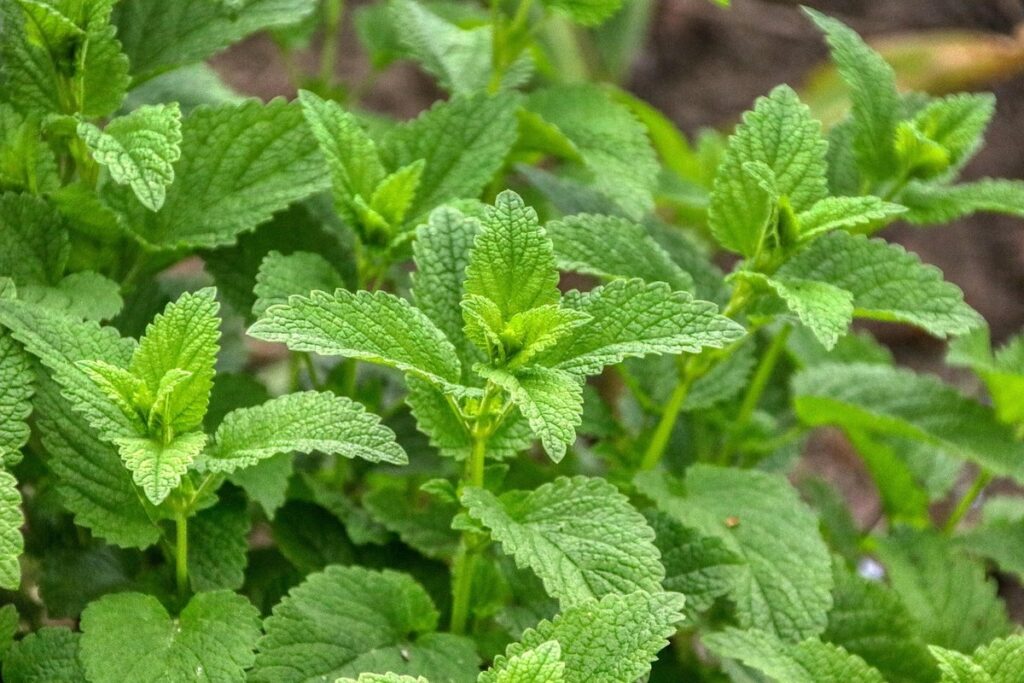
Understanding Lemon Balm Plants
To grow and care for lemon balm plants effectively, it’s essential to first understand their unique characteristics and growth habits. Let’s dive into what makes these lovely plants tick!
Overview of Lemon Balm
Lemon balm plants have been a part of human culture for centuries, originating from the Mediterranean region where they were highly valued for their fragrance and medicinal properties. The ancient Greeks and Romans prized lemon balm for its calming effects and used it to ease anxiety and promote restful sleep. Today, this versatile herb is still cherished for its numerous benefits.
Not only does lemon balm have a delightful citrus scent, but it also boasts a range of uses in the kitchen. Add fresh leaves to salads, use them in tea blends, or infuse them in oils for a fragrant household spray. Its culinary applications are endless, and its flavor pairs well with fruits, herbs, and vegetables.
In addition to its fragrance and flavor, lemon balm has been studied extensively for its medicinal properties. It contains rosmarinic acid, which has anti-inflammatory and antioxidant effects, making it a popular ingredient in natural remedies for skin issues, digestive problems, and stress relief. Whether you’re growing lemon balm for its beauty, culinary value, or health benefits, this easy-to-grow herb is sure to bring joy to your garden and your life.
Types of Lemon Balm
When it comes to choosing the right lemon balm for your garden or indoor space, you’ll find that there are several varieties to consider. Some of the most popular types of lemon balm include ‘Aureus’, ‘Citronella’, and ‘Galatica’. These different varieties offer distinct characteristics, growth habits, and preferred conditions.
The ‘Aureus’ variety is known for its golden-yellow leaves and compact growth habit, making it an excellent choice for small spaces or containers. It prefers partial shade and well-drained soil. On the other hand, ‘Citronella’ has a more vigorous growth habit and a stronger lemon scent than the standard lemon balm. It thrives in full sun to partial shade and requires regular watering.
If you’re looking for a variety with unique features, consider ‘Galatica’, which boasts beautiful white flowers and edible leaves. This variety prefers well-drained soil and partial shade. When selecting a type of lemon balm, remember to research its specific needs and growth habits to ensure it thrives in your environment.
Consider the space you have available, as some varieties can grow quite large or compact. Also, think about the amount of sunlight and watering requirements for each variety. By choosing the right type of lemon balm, you’ll be well on your way to creating a thriving and fragrant garden or indoor space.
Planting and Propagation
To grow a thriving lemon balm plant, you’ll want to learn how to successfully propagate it from cuttings or division, as well as sow new seeds. This is where things can get a bit tricky!
Preparing the Soil
Before planting lemon balm, it’s essential to prepare the soil to provide a healthy foundation for your plant. This includes testing the pH levels of the soil and adjusting them if necessary. Lemon balm prefers slightly acidic to neutral soil with a pH range of 6.0-7.0. If you’re unsure about your soil’s pH level, you can purchase a DIY soil testing kit or send a sample to a lab for analysis.
To create an optimal growing environment, add organic matter such as compost or well-rotted manure to the soil. This will improve its structure and fertility, allowing lemon balm’s delicate roots to grow freely. Mix in about 2-3 inches of compost into the top 6-8 inches of soil, gently breaking up any clumps.
Eliminate weeds by removing them manually or using a non-selective herbicide. Lemon balm can be sensitive to competition from other plants, so it’s crucial to clear the area around the planting site before adding the soil mix. This will prevent weed growth and reduce the risk of pests and diseases affecting your lemon balm plant.
Methods of Propagation
Propagating lemon balm can be done through various methods, each with its own set of advantages and disadvantages. For gardeners looking to multiply their lemon balm plants, division is a popular choice. This method involves digging up the entire plant, gently separating the roots, and replanting the divided sections. Division is ideal for mature plants, as it allows you to propagate multiple new plants from a single root system.
Another method of propagation is through cuttings. Lemon balm can be easily rooted in water or a rooting hormone, making this a low-maintenance option. Take 4-6 inch stem cuttings with at least two nodes, remove lower leaves, and dip the cut end into a rooting hormone powder before placing it in water or soil. This method is suitable for both mature and young plants.
Seed sowing is also an option for lemon balm propagation, although it can be more time-consuming. Lemon balm seeds have a short viability period, so it’s essential to sow them immediately after harvesting from the parent plant. Sow the seeds on the surface of well-draining soil and keep the soil consistently moist until germination.
Ultimately, the choice of propagation method depends on your personal preference and needs. If you’re looking for a quick and easy solution, cuttings may be the way to go. However, if you want to propagate large quantities or create new plants with specific characteristics, division might be more suitable.
Plant Care and Maintenance
To keep your lemon balm plant thriving, it’s essential to establish a regular care routine that includes proper watering, pruning, and fertilization practices. Let’s dive into the specifics of each step.
Lighting Requirements
When it comes to providing the right amount of light for your lemon balm plant, understanding its lighting requirements is crucial. Lemon balm plants prefer bright, indirect light but can tolerate some direct sunlight. In general, aim for 4-6 hours of direct sunlight per day. However, be cautious not to place your plant in a spot where it receives full sun, especially during peak hours.
If you’re growing lemon balm indoors, an east- or west-facing window is ideal. These spots receive gentle morning and afternoon sun without the intense heat that can damage leaves. Alternatively, you can also use grow lights to supplement natural light and promote healthy growth.
In fact, studies have shown that plants grown under optimal light conditions tend to have higher yields and better flavor profiles. To take your lemon balm plant care to the next level, consider pruning it regularly to encourage bushy growth and prevent scorching of leaves. By providing the right amount of indirect light, you’ll be well on your way to enjoying a thriving and fragrant lemon balm plant all season long.
Watering and Humidity
When it comes to watering and humidity levels for your lemon balm plant, striking the right balance is crucial. Overwatering can lead to root rot, while underwatering will cause stress that may attract pests.
To avoid this scenario, water your lemon balm plant when the top 1-2 inches of soil feels dry to the touch. This usually translates to watering once a week during spring and summer months when the plant is actively growing. However, frequency may need to be adjusted based on weather conditions; for example, if you live in an area with high humidity or frequent rainfall, reduce watering to every 10-14 days.
Maintaining optimal humidity levels is also vital. Lemon balm prefers a humid environment but can adapt to average indoor humidity levels (around 40-50%). To replicate the plant’s natural habitat, place it near a pebble tray filled with water and decorative rocks or use a humidifier nearby.
Regularly inspect your lemon balm for signs of pests like spider mites, mealybugs, or aphids. If you notice any issues, immediately treat the affected area using insecticidal soap or neem oil according to product instructions.
Pruning and Training
To keep your lemon balm plant looking its best, pruning and training are essential techniques that will help control its spreading habit. Regular maintenance keeps it bushy and encourages new growth.
Why Prune Lemon Balm?
Pruning lemon balm is an essential part of its care that often gets overlooked. Regular pruning not only keeps the plant looking tidy and bushy but also promotes healthy growth, boosts productivity, and encourages new leaf development.
When you don’t prune your lemon balm regularly, it can become leggy and lose its delicate appearance. This can lead to a decrease in the quality of leaves and flowers, ultimately affecting the plant’s overall health. Pruning also helps to control the spread of the plant, which can be invasive if left unchecked. By pruning back the tips of stems, you encourage the plant to focus its energy on producing more leaves and flowers.
To prune lemon balm effectively, simply cut back the stems by about one-third in late spring or early summer. This will help to control the plant’s size while promoting new growth. You can also trim off any dead or damaged leaves throughout the growing season to maintain the plant’s appearance and prevent disease from spreading. Regular pruning is a simple yet effective way to keep your lemon balm looking its best.
Techniques for Pruning and Training
Pruning and training are essential techniques to maintain a healthy, bushy shape of your lemon balm plant. Tip-pruning is a great way to encourage new growth and prevent the plant from becoming leggy. Simply pinch or cut off the top sets of leaves with a pair of clean scissors or pruning shears, making sure each stem has at least two sets of leaves remaining. This will help promote branching and prevent the plant from flowering too quickly.
Deadheading is another crucial technique to keep your lemon balm plant looking its best. Remove spent flowers by cutting them off at the base, just above a leaf node. Not only does this encourage more blooms, but it also helps direct the plant’s energy towards producing new leaves rather than seeds.
To maintain a bushy shape and prevent the plant from becoming too tall or unruly, consider staking your lemon balm plant. Use a soft tie or twine to gently secure the stems to a stake or trellis, taking care not to damage the delicate leaves or stems.
Pest and Disease Management
To keep your lemon balm plant thriving, you’ll need to know how to prevent common pests and diseases from taking over. We’ll walk you through effective management techniques here.
Common Pests Affecting Lemon Balm
Aphids, whiteflies, and spider mites are among the most common pests that target lemon balm plants. These tiny insects can cause significant damage to your plant’s leaves, stems, and roots, ultimately weakening its overall health.
To prevent infestations, introduce beneficial insects like ladybugs or lacewings to your garden. These natural predators feed on aphids, whiteflies, and spider mites, helping maintain a balance in the ecosystem. Companion planting is also an effective method of pest control – basil, garlic, and chives are known to repel pests that target lemon balm.
When infestations occur, use organic pest control measures like neem oil or insecticidal soap. These gentle yet effective solutions can help you manage pest populations without harming your plant. Regularly inspect your plants for signs of pests, such as sticky honeydew droplets or fine webbing on leaves. Catching the problem early is crucial in preventing further damage and promoting a healthy growth environment for your lemon balm plant.
Fungal Diseases in Lemon Balm
Fungal diseases can be a significant threat to lemon balm plants, affecting their growth and overall health. Among the most common fungal diseases affecting lemon balm are powdery mildew, leaf spot, and root rot.
Powdery mildew is characterized by a white, powdery coating on the leaves and stems of the plant. It thrives in warm, humid environments and can be treated with fungicides or by improving air circulation around the plant. To prevent powdery mildew, ensure good air circulation and avoid overwatering.
Leaf spot diseases cause circular lesions to appear on the leaves of the lemon balm plant. These lesions can turn yellow or black as the disease progresses. Leaf spot can be caused by a variety of fungi, including Cercospora and Septoria. To control leaf spot, remove infected leaves and improve air circulation around the plant.
Root rot occurs when fungal spores infect the roots of the lemon balm plant, causing them to decay. This can be prevented by repotting the plant in well-draining soil and avoiding overwatering. If you suspect root rot, inspect the roots carefully before treating the plant with fungicides or repotting it in fresh soil.
Fungicides can be effective in controlling fungal diseases but should only be used as a last resort. Always read and follow label instructions carefully to ensure safe use.
Harvesting and Using Lemon Balm
Once you’ve successfully grown your lemon balm, it’s time to harvest and use its fragrant leaves in a variety of ways. We’ll show you how to dry, freeze, and preserve this versatile herb for long-term use.
When to Harvest
When to harvest lemon balm leaves is crucial for maximizing their flavor, aroma, and medicinal properties. Harvesting at the right time will ensure that you get the best results from your plants. Generally, it’s best to pick lemon balm leaves when they’re young and tender, as this is when they have the most delicate flavor and aroma.
For optimal flavor, harvest individual stems or sprigs when they reach about 6-8 inches in height. This will allow you to use the entire stem without compromising the plant’s overall growth. For medicinal uses, such as making tea or infusions, it’s best to harvest leaves that are closer to the bottom of the stem, where the oils and flavor compounds tend to be more concentrated.
Avoid harvesting too much from your plants at once, as this can stress them out. Instead, pick a few stems here and there throughout the growing season to encourage continuous growth and prevent over-harvesting. With regular harvesting, you’ll have a steady supply of fresh lemon balm leaves for cooking, teas, or other uses.
Culinary Uses of Lemon Balm
Lemon balm is a versatile herb that can be used in a variety of culinary and herbal remedies. One of its most popular uses is as an ingredient in teas. To make a lemon balm tea, simply steep a few sprigs of fresh leaves in hot water for 5-7 minutes. This tea can help to soothe stress and anxiety, promote relaxation, and even aid in digestion.
Lemon balm pairs well with sweet ingredients like honey and sugar, making it a great addition to desserts like lemon bars or shortbread cookies. It’s also commonly used in salads, where its citrusy flavor complements herbs like mint and basil. For a refreshing summer salad, try combining chopped lemon balm leaves with sliced cucumbers, cherry tomatoes, and a homemade vinaigrette.
In terms of herbal remedies, lemon balm has anti-inflammatory properties that make it useful for wound care. It can be applied topically to minor cuts and scrapes to promote healing and reduce pain. Additionally, the herb’s calming effects can help to alleviate skin issues like acne and eczema when used in skincare products or applied directly to affected areas.
Troubleshooting Common Issues
Don’t worry if things don’t go as planned – we’ve got you covered! This section tackles common issues that may arise while caring for your lemon balm plant.
Addressing Overgrowth or Legginess
One of the most common issues faced by lemon balm plant enthusiasts is overgrowth or legginess. This can be attributed to the fact that lemon balm plants are naturally inclined to grow rapidly and can become quite unruly if not pruned regularly.
To control the size of your lemon balm plant and promote bushy growth, start by pruning it back about one-third every 2-3 weeks during the growing season. This will help encourage new growth from the nodes on the stem and prevent the plant from becoming leggy. You can also trim off any dead or damaged leaves to maintain the overall health of the plant.
For a more drastic approach, you can consider pinching back the tips of your lemon balm stems every week or two. This will not only help control the plant’s height but also stimulate the production of new growth from the axillary buds. Make sure to use clean and sharp pruning tools to prevent any damage to the plant.
By implementing these simple pruning techniques, you can keep your lemon balm plant looking its best and ensure a healthy, balanced growth habit. Remember to be consistent with your pruning schedule to achieve optimal results.
Recovering from Pests or Diseases
Recovering from pests or diseases can be a challenging and frustrating experience for even the most seasoned gardeners. Lemon balm is particularly susceptible to certain pests and diseases that can quickly spread and cause irreparable damage if left unchecked. If you notice any signs of infestation, such as holes in leaves, white powdery patches, or black spots on stems, act quickly.
To treat fungal diseases, start by removing infected areas with sterile scissors or pruning shears to prevent the fungus from spreading. Treat the affected plant with a fungicide specifically designed for indoor plants and follow the instructions carefully. For bacterial diseases like leaf spot, remove infected leaves and dispose of them immediately to prevent re-infestation. In severe cases, consider repotting the lemon balm in fresh soil.
To prevent future infestations, maintain good air circulation around your lemon balm plant by keeping it at least 6-8 inches away from other plants. Regularly inspect your plant for signs of pests or diseases and treat promptly to avoid further damage. Use neem oil as a natural pest control agent to repel aphids, whiteflies, and spider mites.
Keep in mind that prevention is key when it comes to pest management. By monitoring your plant’s health closely and taking prompt action, you can help prevent infestations from occurring in the first place.
Frequently Asked Questions
How often should I fertilize my lemon balm plants for optimal growth?
Fertilizing your lemon balm plants is essential for their overall health and productivity. You can fertilize them every 2-3 weeks during the growing season (spring-fall) with a balanced, water-soluble fertilizer at half the recommended strength.
Can I grow lemon balm in containers, or do they require direct soil?
Yes, you can grow lemon balm in containers if you provide enough room for their roots to spread out. Use a well-draining potting mix and ensure the container is at least 6-8 inches deep to accommodate the plant’s extensive root system.
How do I protect my lemon balm plants from pests like aphids, whiteflies, or spider mites?
To control pests, inspect your plants regularly for signs of infestation. Use neem oil or insecticidal soap to treat mild infestations, and consider introducing beneficial insects like ladybugs or lacewings to control larger pest populations.
Can I propagate lemon balm through cuttings, or is it best to use division?
Lemon balm can be successfully propagated through stem cuttings in the spring or summer months. Take 4-6 inch stem cuttings with at least two sets of leaves, remove lower leaves, and plant them in a moistened potting mix. Keep the soil consistently moist until roots develop.
How do I address overgrowth or legginess in my lemon balm plants?
To control overgrowth or legginess, prune your lemon balm regularly to encourage bushy growth and prevent it from becoming too woody. Pinch off flower buds as they form to direct the plant’s energy towards leaf production.