
If you’re looking to add some visual interest and structure to your garden, a lattice trellis is an excellent place to start. These versatile structures are perfect for providing support for climbing plants while also creating a unique design element that adds depth and texture to any outdoor space. But what makes a good lattice trellis, and how do you choose the right one for your needs? In this article, we’ll explore the key considerations for designing and installing a stunning lattice trellis, from selecting the perfect materials and style to ensuring it remains functional and beautiful over time. Whether you’re a seasoned gardener or just starting out, our ultimate guide will provide you with all the tips and advice you need to create a truly exceptional garden feature that’s both functional and visually appealing.
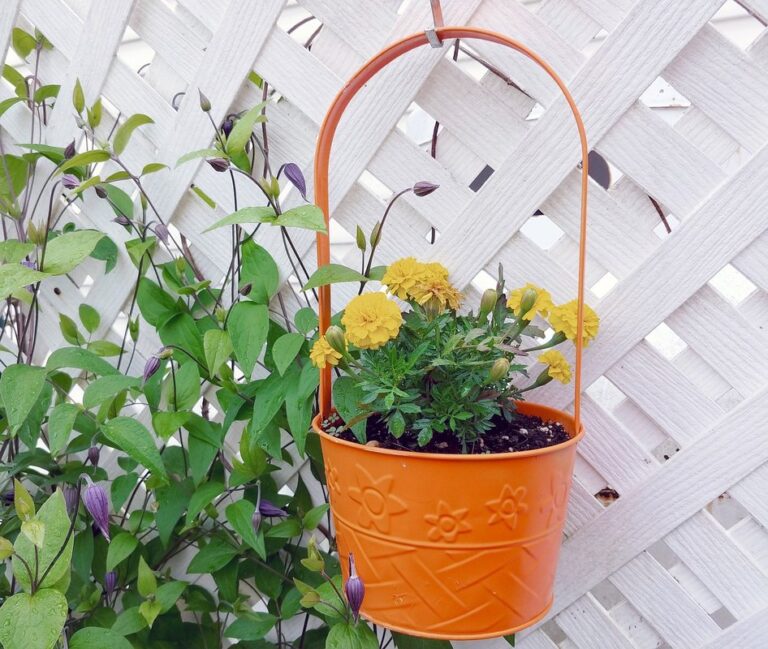
What is a Lattice Trellis?
Let’s dive into what a lattice trellis is and how it can add beauty and functionality to your garden or outdoor space, shall we?
Types of Lattice Materials
When it comes to choosing the perfect lattice material for your trellis, you’ll find that various options are available on the market. The most common types of materials used for lattice trellises include wood, metal, plastic, and bamboo.
Wood is a popular choice due to its natural appearance and durability. You can opt for pressure-treated pine or cedar, which offer excellent resistance to rot and insect damage. Wood lattice panels come in various styles, such as horizontal or vertical slats, allowing you to choose the one that suits your design preferences.
Metal lattices are another great option, offering a modern and sleek look. Aluminum or steel lattices are lightweight yet sturdy, making them ideal for large-scale projects. They also require minimal maintenance compared to wood.
Plastic lattice panels are made from durable materials like polypropylene or PVC, providing excellent resistance to weather conditions. These panels are easy to clean and maintain but may not have the same aesthetic appeal as other materials.
Bamboo is an eco-friendly alternative that’s gaining popularity due to its sustainability and versatility. Bamboo lattices offer a unique, organic look and feel while being resistant to pests and decay.
Advantages of Using a Lattice Trellis
Using a lattice trellis offers numerous benefits that can enhance your garden’s functionality and visual appeal. One of the primary advantages is improved airflow, which helps prevent moisture buildup on leaves and reduces the risk of fungal diseases. This allows plants to breathe more easily, promoting healthy growth.
Another significant benefit is increased plant support. Lattice trellises provide a sturdy framework for climbing plants like peas, beans, and roses to grow up, keeping them organized and off the ground. This prevents damage from weeds and pests while also making maintenance easier.
In addition to functionality, lattice trellises add an aesthetic appeal to your garden or yard. They come in various styles, materials, and designs, allowing you to choose one that complements your outdoor decor. By incorporating a lattice trellis into your landscape design, you can create a visually appealing and functional space for plants to thrive.
For optimal results, consider the specific needs of your plants when selecting a lattice trellis. For example, if you have delicate or tender shoots, choose a trellis with a softer material like wood or bamboo. This will prevent damage and ensure your plants receive the necessary support without compromising their growth.
Designing Your Perfect Lattice Trellis
Now that you’ve chosen the perfect lattice trellis design, let’s dive into the fun part: bringing it to life with a customized and functional framework.
Choosing the Right Size and Shape
When it comes to choosing the right lattice trellis for your garden or outdoor space, size and shape are crucial factors to consider. The type of plant you’re using will play a significant role in determining the perfect size and shape of your trellis.
For instance, if you’re growing vining plants like ivy or clematis, a larger lattice trellis with an expansive surface area is ideal. This will provide enough space for the vines to climb and spread out. On the other hand, smaller plants like sweet peas or morning glories require less support, making a smaller trellis suitable.
Consider the style of your home and garden when selecting a lattice trellis. A traditional or classic design may call for a larger, more ornate trellis, while a modern aesthetic might suit a sleek, minimalist design. Additionally, don’t forget to take into account any obstructions in your space, such as windows, doors, or pathways. Choose a lattice trellis that fits comfortably within the designated area.
Ultimately, measure your space carefully and choose a lattice trellis that complements both your garden’s style and the growing habits of your plants.
Matching Your Trellis with Plant Type
When selecting plants for your lattice trellis, it’s essential to consider the type of plant and its support needs. Climbing plants like roses, clematis, and ivy are perfect for lattice trellises as they can easily wrap around the latticework, making them a great choice.
However, not all climbing plants require the same level of support. For example, peas and beans are relatively lightweight and can thrive on a simple trellis, while heavier plants like passionflowers or wisteria may need more robust support to prevent damage to the structure. When choosing your plants, make sure to research their specific needs and space requirements to ensure they receive adequate support.
Some plants also have unique attachment methods that work particularly well with lattice trellises. For instance, peas can be trained to climb up the latticework using twine or clips, while other plants like sweet peas or morning glories can be attached using small hooks or wire. Be sure to explore different attachment options for each plant type to find what works best for you and your trellis.
Benefits of Installing a Lattice Trellis
Installing a lattice trellis can provide numerous benefits, including adding visual interest and creating a sense of height in your outdoor space. We’ll explore these advantages in more detail below.
Aesthetic Appeal and Property Value
A well-designed lattice trellis can be a game-changer for homeowners looking to boost their property’s curb appeal and increase its value. A beautiful lattice trellis can add visual interest to an otherwise plain exterior, making it more inviting and attractive to potential buyers or passersby.
In fact, according to a survey by the National Association of Realtors, landscaping and outdoor living features are among the top amenities that homebuyers look for when searching for a new property. A well-crafted lattice trellis can be a stunning focal point in your yard, drawing attention away from less desirable features and creating a sense of depth and dimension.
To maximize the aesthetic appeal of your lattice trellis, consider incorporating it into your garden design or as a boundary feature between different areas of your yard. Choose materials that complement your home’s style, such as wood, metal, or vinyl, and don’t be afraid to add decorative elements like flowers, greenery, or lights to make it truly stand out.
When installing a lattice trellis, remember to consider the surrounding architecture and landscaping to ensure a cohesive look. With a little creativity and planning, your lattice trellis can become a stunning feature that elevates your property’s curb appeal and increases its value over time.
Wildlife Attraction and Garden Diversification
A lattice trellis can be so much more than just a decorative feature for your garden. By incorporating it into your design, you can also create an oasis that attracts wildlife and promotes biodiversity. One of the most exciting benefits is the ability to attract birds, bees, and butterflies to your garden.
To make the most of this benefit, choose plants with nectar-rich flowers, berries, or seeds that provide food for different types of wildlife. For example, consider planting trumpet-shaped flowers like honeysuckle or fuchsia, which are a favorite of hummingbirds. You can also plant shrubs and trees that produce berries, such as lavender or rosemary.
In addition to attracting wildlife, your lattice trellis can become a haven for beneficial insects like ladybugs and lacewings. These helpful creatures prey on pests that might otherwise harm your plants, so by creating a welcoming habitat for them, you’ll be reducing the need for pesticides.
To diversify your garden and attract more wildlife, consider adding a source of water, such as a birdbath or small pond, near your lattice trellis. This will create an even more inviting space for birds and other creatures to visit.
Installation Tips for Your Lattice Trellis
To ensure a secure and level installation, begin by clearing the area where you’ll be placing your lattice trellis and marking its center. This will help prevent any wobbling in the future.
Preparing the Site and Installing Posts
Before you start installing your lattice trellis, it’s essential to prepare the site properly. This will ensure a sturdy and long-lasting installation that complements your outdoor space. Begin by clearing the area of any debris, vegetation, or obstructions. Mark out the lattice trellis’ footprint using stakes and twine, taking into account its size and shape.
Next, dig holes for the posts, about 12 inches deep and slightly wider than the post diameter. Fill the holes with a mixture of soil and gravel to provide drainage and prevent water accumulation. Place the posts in the holes, making sure they’re level and secure. If necessary, use concrete or screws to anchor the posts firmly.
When installing lattice panels, start from the bottom and work your way up, using wire ties or clips to attach them securely to the posts. Make sure the panels are evenly spaced and aligned with each other. Finally, add any additional decorative elements, such as finials or caps, to complete the installation.
Securing the Trellis to the Ground or Wall
Securing the trellis to the ground or wall is crucial to prevent damage from external factors like wind, rain, and heavy snow. Make sure to attach the trellis firmly to a stable structure using screws, brackets, or clamps specifically designed for this purpose. You can also use a combination of these methods for added security.
When attaching the trellis to the ground, consider driving stakes into the soil at an angle to prevent them from being pulled out by strong winds. For wall-mounted trellises, ensure the screws are anchored into solid wood or masonry to distribute the weight evenly. It’s also essential to check local building codes and regulations regarding outdoor structures.
To further enhance stability, consider adding additional weights like sandbags or water-filled containers at the base of the trellis. This will help prevent toppling in strong gusts. By taking these precautions, you can enjoy your lattice trellis for years to come without worrying about damage from external factors. Regular checks on the attachment points are also recommended to ensure the structure remains secure over time.
Maintenance and Upkeep of Your Lattice Trellis
To keep your lattice trellis looking its best, regular maintenance is crucial to prevent damage and ensure it remains a beautiful addition to your garden for years to come. This section covers essential upkeep tips and tasks.
Cleaning and Inspecting Regularly
Cleaning and inspecting your lattice trellis regularly is essential to ensure its longevity and continued functionality. To maintain a healthy trellis, set aside time each season for cleaning and inspection.
Start by removing any debris that may have accumulated on the trellis during the off-season. This can include dead plant matter, dirt, and other particles. Use a soft-bristled brush or a dusting wand to gently sweep away any loose material. If there’s stubborn grime or mildew, mix a solution of mild soap and water and use it to scrub the trellis.
As you inspect your lattice trellis, look for signs of damage, such as cracked wood, rotting panels, or rusted metal components. Check for any sagging or uneven sections that may need support. Also, inspect the connections between the trellis and nearby structures, ensuring they’re secure and won’t put additional strain on the lattice.
Regular cleaning and inspection will help prevent damage and maintain your trellis’s appearance. Set aside 30 minutes to an hour each season to keep your trellis in top condition.
Repairing or Replacing Damaged Sections
Identifying damaged sections of your lattice trellis is crucial to maintaining its structural integrity and extending its lifespan. Over time, parts of the trellis may become worn out due to exposure to harsh weather conditions, pests, or regular use. To repair or replace these damaged sections, start by inspecting the entire trellis for any signs of damage.
Check for loose screws or bolts that may need tightening, rotting wood, or broken wires. Use a screwdriver to tighten any loose fasteners and sand away any rotten areas to prevent further decay. If you notice extensive damage, consider replacing the affected section with new material to ensure the trellis remains stable.
When replacing worn-out parts, make sure to use compatible materials that match the original design of your lattice trellis. This may involve purchasing replacement panels or individual components from a supplier or hardware store. Always follow the manufacturer’s instructions for installation and take necessary precautions to avoid injury or further damage.
Popular Uses for Lattice Trellises in Your Garden
From covering unsightly walls and fences to providing support for climbing plants, lattice trellises have a multitude of uses in any garden setting. We’ll explore some of the most creative ways to utilize these versatile structures.
Vertical Gardening and Space-Saving
When it comes to using lattice trellises in your garden, one of the most creative ways to make the most of their space is through vertical gardening. By utilizing a lattice trellis as a base, you can create a lush and vibrant wall of greenery that not only adds visual appeal but also helps to save space in your garden.
To get started with vertical gardening using a lattice trellis, begin by selecting a trellis that has a sturdy structure and is designed for heavy loads. Next, attach a series of planters or pockets to the latticework, making sure they are evenly spaced and can hold enough soil to support your chosen plants.
Some popular options for vertical gardening with lattice trellises include climbing flowers like roses, clematis, and morning glories, as well as vining vegetables like tomatoes and peas. To ensure a thriving display, be sure to use a good quality potting mix, water regularly, and provide adequate sunlight.
Screening Out Unsightly Areas
One of the most creative ways to utilize lattice trellises is to screen out unsightly areas of your yard. Whether it’s a muddy patch, an overgrown corner, or an area with poor drainage, a lattice trellis can help conceal these imperfections and add visual appeal to your garden.
To start, choose a lattice trellis that complements the style of your home and garden. For example, if you have a modern farmhouse-style house, opt for a rustic wooden lattice trellis with clean lines and minimal embellishments. Then, select plants that will cascade over the trellis or spill out from the top, creating a lush, green wall that blocks the unsightly area.
Consider using evergreen shrubs, vines, or flowering climbers like clematis or wisteria to create a dense screen. Not only do these plants provide excellent cover, but they also offer fragrance and texture to your garden. When planting, be sure to leave enough space between each lattice panel for proper airflow and sunlight penetration.
By incorporating a lattice trellis with the right plants, you can transform an eyesore into a stunning focal point in your garden, all while maintaining functionality and beauty.
Troubleshooting Common Issues with Lattice Trellises
Don’t let a wonky lattice trellis ruin your garden’s aesthetic – we’re tackling common issues and their easy fixes to get you back on track. From sagging panels to rusty posts, we’ve got solutions for you.
Addressing Pests and Diseases
When you’ve invested time and effort into installing a lattice trellis, it’s disheartening to see it become infested with pests or succumb to plant diseases. Unfortunately, these issues can arise from various factors, including the type of plants you’re using, environmental conditions, and poor maintenance.
Pests such as aphids, whiteflies, and spider mites are common culprits when it comes to lattice trellises. These tiny insects feed on sap, weakening plant growth and causing curled or distorted leaves. To prevent pest infestations, inspect your plants regularly for signs of infestation and treat promptly with organic pesticides or insecticidal soap.
Plant diseases like powdery mildew, leaf spot, and root rot can also affect your lattice trellis. These often result from excessive moisture, poor air circulation, or contaminated soil. To mitigate disease risks, ensure good air circulation around the plants, water carefully to avoid overwatering, and remove any infected leaves or stems.
For effective management of pest and diseases issues, it’s essential to adopt integrated pest management (IPM) strategies. This involves a combination of cultural controls, biological controls, and chemical controls tailored to the specific problem at hand. By taking proactive steps and staying vigilant, you can maintain a healthy lattice trellis system that adds beauty and functionality to your garden or outdoor space.
Repairing Damage Caused by Weather Events
When extreme weather events strike, your lattice trellis can be particularly vulnerable to damage. Heavy rain and strong winds can cause the structure to sag, warp, or even collapse, leaving you with a costly repair bill. If you’re unfortunate enough to experience this type of damage, don’t worry – it’s often possible to repair or replace individual components rather than the entire trellis.
To start, inspect your lattice trellis carefully for any signs of damage, such as warped or cracked wood, loose screws, or torn wire mesh. Make a list of the affected areas and prioritize repairs based on severity. For minor issues like loose screws or torn mesh, simply tighten or replace these components with new ones.
More significant damage may require more extensive repair work. If your trellis has been severely warped or bent, you may need to replace individual posts or even the entire structure. In this case, consider consulting a professional contractor for assistance. To prevent future damage, always secure your lattice trellis firmly to surrounding structures and keep an eye on weather forecasts during periods of high wind or heavy rain. Regular maintenance will help ensure your trellis remains stable and secure through all types of weather.
Frequently Asked Questions
Can I use a lattice trellis with plants that don’t climb?
Yes, while lattice trellises are often associated with climbing plants like ivy or roses, you can still use them to create a beautiful garden feature even if the plants don’t climb. For example, you could train flowering vines to cascade down from the top of the trellis, or use the lattice as a backdrop for a colorful array of shrubs and perennials.
How do I prevent damage to my lattice trellis caused by pests or diseases?
Regular maintenance is key! Inspect your trellis regularly for signs of pest or disease damage. If you notice any issues, address them promptly with the appropriate treatments or repairs. Also, consider using natural deterrents like copper tape or neem oil to prevent infestations in the first place.
Can I build a lattice trellis myself, or do I need professional help?
You can definitely build a lattice trellis yourself, but it’s essential to ensure that you follow proper installation and safety guidelines. Consider starting with a simple design and using pre-made lattice panels for easier assembly. If you’re unsure about any aspect of the process, don’t hesitate to consult online tutorials or seek advice from a local gardening expert.
How do I secure my lattice trellis to the ground or wall?
For added stability and safety, always use sturdy anchors and screws when attaching your lattice trellis to the ground or wall. You can also consider using concrete footings or weighted bases for extra security. Remember to check local building codes and regulations before starting your project.
What’s the best way to clean and maintain my lattice trellis?
Cleaning your lattice trellis regularly will help prevent damage from dirt, grime, and mildew. Use a soft-bristled brush and gentle soap solution to wipe down the lattice panels, followed by a rinse with water. For more thorough cleaning or repairs, consider using specialized products designed for outdoor furniture and decor.