
Caring for your houseplants can be a delicate balance. With so many variables to consider, from plant type to seasonal adjustments, it’s easy to get caught up in conflicting advice on how often to water. But not knowing the right watering schedule can lead to unhappy plants – and an unhappy you!
Most of us have encountered that one wilted houseplant that refused to recover no matter what we did. Don’t worry, this guide is here to help you avoid that mistake. In this comprehensive guide on how to care for your indoor plants with water, we’ll break down the key factors to consider when it comes to watering your plants, including soil moisture levels and seasonal adjustments. By the end of this article, you’ll be an expert on how to give your houseplants just the right amount of H2O to thrive.
Understanding Your Plant’s Water Needs
When it comes to watering your houseplants, understanding their unique needs is crucial for success. Let’s break down how to determine just the right amount of water for each of your beloved plants.
Identifying Plant Type and Water Requirements
When it comes to watering your houseplants, understanding their specific needs is crucial for keeping them healthy and thriving. One of the first steps in doing so is identifying the type of plant you have.
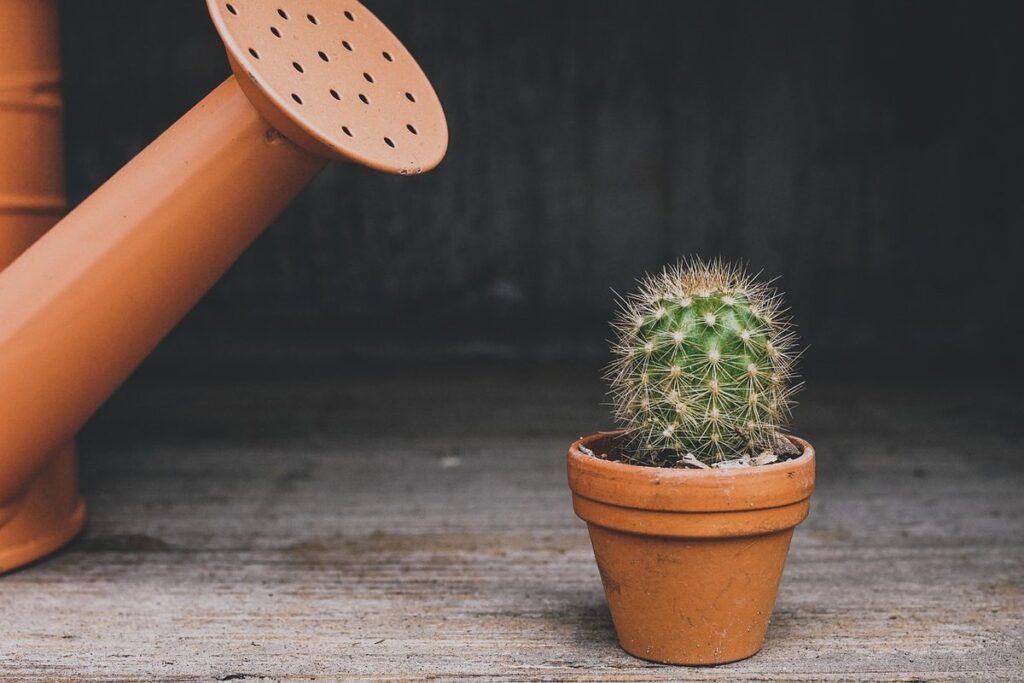
Low-maintenance plants like succulents and cacti require minimal watering due to their ability to store water in their leaves or stems. They should be watered sparingly, allowing the soil to dry out completely between waterings. On the other hand, high-maintenance plants like ferns and peace lilies require more frequent watering as they prefer consistently moist soil.
Tropical plants, such as orchids and bromeliads, have unique water needs that can vary depending on their specific species. Researching your plant’s individual requirements is essential in determining how often to water it. You can do this by consulting with a nursery professional or checking the plant’s label for care instructions.
Checking the Soil Moisture Levels
Checking the soil moisture levels is crucial to avoid overwatering, which is one of the most common mistakes plant owners make. Before watering your houseplants, insert your finger into the soil up to the first knuckle, or use a moisture meter for more accurate readings. For instance, if you’re unsure about the water requirements of your new orchid, investing in a moisture meter will give you precise data.
When using a finger test, feel for dryness – if the top 1-2 inches of soil feels dry to the touch, it’s likely time to water. However, be cautious not to overdo it, as this can cause roots to rot. If your plant has a dense or compacted root system, you may need to water more frequently.
Using a moisture meter offers even greater accuracy, particularly for sensitive plants like African Violets. These devices provide instant readings, helping you adjust your watering schedule accordingly. Remember, the goal is to keep the soil consistently moist but not waterlogged – by checking the moisture levels regularly, you’ll be well on your way to achieving this delicate balance.
Preparing for Watering Season
Now that you’ve got a solid grasp on understanding your plants’ needs, it’s time to prepare for watering season, which can be a challenging but crucial part of their care. Let’s get started!
Spring and Summer: How Often to Water
As we transition from spring to summer, your houseplants will enter their most active growth phase. This means they’ll need more water to sustain themselves. Generally, you should increase watering frequency by 20-30% during this period.
Factors like temperature, humidity, and light exposure also play a significant role in determining how often to water. For example, if your plant is placed near a sunny window, it will require more water due to increased transpiration (water loss through leaves). Similarly, plants exposed to high temperatures or low humidity levels may need more frequent watering.
To gauge the right amount of water for your plant, check the soil moisture by sticking your finger into the soil up to the first knuckle. If the soil feels dry, it’s time to water. Water thoroughly until you see water coming out from the drainage holes, but make sure not to overwater by letting the pot sit in water.
Monitor your plants’ responses and adjust watering schedules accordingly.
Fall and Winter: Reducing Water Intake
As fall and winter approach, it’s essential to adjust your watering schedule to accommodate the slower growth of your houseplants. During these seasons, plants require less water as they go dormant. A good rule of thumb is to reduce watering by 20-30% compared to the spring and summer months.
If you have drought-tolerant plants like succulents or cacti, you’ll want to take it a step further and decrease their watering frequency even more. For example, some succulents can survive with only 1-2 waterings per month during the winter. Be sure to research the specific needs of your plant species.
To determine when to water, check the soil moisture by sticking your finger into the soil up to the first knuckle. If the soil feels dry, it’s time to water. Also, keep an eye out for signs of drought stress like yellowing leaves or droopy stems. By adjusting your watering schedule and choosing plants that are adapted to low-water conditions, you’ll be able to give your houseplants the best chance at thriving during the fall and winter months.
The Watering Process Itself
Now that we’ve covered the basics, let’s dive into the nitty-gritty of watering your houseplants, including frequency, technique, and common mistakes to avoid.
Frequency and Quantity of Watering
When it comes to watering your houseplants, frequency and quantity are crucial factors to consider. A good rule of thumb is to water your plants when the top 1-2 inches of soil feel dry to the touch. However, this can vary depending on several factors such as pot size, soil type, and climate.
For example, a small pot with well-draining soil may require more frequent watering than a larger pot with dense soil. In general, it’s better to err on the side of caution and underwater slightly than to overwater your plants. A good starting point is to water your plants once a week during the spring and summer months when they’re actively growing.
To measure the right amount of water for each plant, use the finger test: stick your finger into the soil up to the first knuckle, and if the soil feels dry, it’s time to water. You can also use a moisture meter for more accuracy. As a general guideline, water your plants until you see water coming out of the drainage holes – this ensures that the roots are getting enough moisture without risking overwatering.
Keep in mind that different plants have varying watering needs. Some plants like succulents and cacti require infrequent watering, while others like ferns and peace lilies prefer more consistent moisture levels. Research your specific plant’s needs to ensure you’re providing the right amount of water for optimal health.
Techniques for Effective Watering
When it comes to watering your houseplants, there are several techniques you can employ depending on their specific needs. Soaking involves submerging the entire pot in a container of water for a period of time, allowing the roots to absorb as much moisture as possible. This method is particularly beneficial for plants with deep root systems or those that prefer a lot of moisture.
Misting, on the other hand, is ideal for smaller plants or those with delicate leaves. It involves spraying the plant’s leaves and soil with a fine spray of water, helping to maintain humidity levels and prevent overwatering. Another technique is bottom watering, where you place the pot in a saucer filled with water, allowing the plant to absorb as much moisture as it needs.
It’s essential to avoid both overwatering and underwatering your plants. Overwatering can lead to root rot and other issues, while underwatering causes stress and can lead to the demise of your plant. By experimenting with different techniques and observing your plant’s responses, you’ll be able to find a method that works best for it.
To avoid overwatering, make sure not to let water sit in the saucer or drainage holes for extended periods. Similarly, underwatering can be avoided by monitoring the soil moisture levels and adjusting your watering schedule accordingly.
Common Mistakes to Avoid
Avoiding common mistakes is key to successfully caring for your houseplants, and we’re here to guide you through the most critical ones to steer clear of. Let’s get started!
Overwatering: A Houseplant Killer
Overwatering is one of the most common mistakes houseplant enthusiasts make, and it can be devastating for your plants. When you overwater, you’re essentially drowning your roots, causing them to rot and become susceptible to mold and pest infestations. This can lead to a range of problems, from yellowing leaves to dropping stems.
If you suspect that one of your plants is overwatered, the first step is to stop watering it altogether. This may seem obvious, but many people continue to water their plants as usual, making the problem worse. Next, check for signs of root rot by gently removing the plant from its pot and inspecting the roots.
To correct an overwatered plant, you can try repotting it in a well-draining mix, making sure to remove any dead or rotting roots. Prune away any affected leaves or stems to prevent the spread of disease. To prevent overwatering in the future, make sure to check the soil moisture by sticking your finger into the soil up to the first knuckle before watering.
By being mindful of these simple precautions, you can avoid the pitfalls of overwatering and keep your houseplants healthy and thriving. Regularly checking the moisture levels in your potting mix will help prevent root rot, mold, and pest infestations, saving your plants from potential disaster.
Underwatering: Causes and Solutions
Underwatering can be just as detrimental to houseplants as overwatering. If you notice yellowing leaves or stunted growth on one of your plants, it’s likely suffering from underwatering. This is often caused by inadequate watering schedules, especially if the plant has been neglected for an extended period.
To correct this issue, start by adjusting the plant’s watering schedule to ensure it receives adequate moisture. Check the soil moisture by sticking your finger into the soil up to the first knuckle. If the soil feels dry, it’s time to water. However, be cautious not to overwater, as this can exacerbate the problem.
Another solution is to repot the plant in a well-draining potting mix and provide regular fertilization to promote healthy growth. For example, if you’ve been watering your succulents every two weeks, try reducing this interval by a week or two until they show signs of improvement.
By making these adjustments and monitoring your plant’s response, you can prevent further damage and help it recover from underwatering.
Special Considerations
When it comes to watering your houseplants, there are a few special situations that require extra attention, such as high-humidity environments and plants with specific watering needs. Let’s explore these nuances together.
Water Quality and Treatment
When it comes to watering your houseplants, it’s easy to focus on the amount of water they receive. However, it’s equally important to consider the quality of the water itself. Tap water often contains contaminants that can harm your plants over time.
Chlorine and fluoride are two common additives found in tap water. While they may be beneficial for human health, they can be detrimental to houseplants. Chlorine, in particular, can burn plant roots and leaves, causing damage or even death. Fluoride, on the other hand, can cause stunted growth and discoloration.
To mitigate these effects, you can use a water filter specifically designed for plants. These filters can remove chlorine and fluoride from tap water, leaving it safe for your plants to drink. You can also boil your tap water before using it to water your plants. This process helps to evaporate the chlorine and other impurities.
When shopping for a water filter or considering alternative options, look for products that specifically mention removing chlorine and fluoride. Some popular options include activated charcoal filters and reverse osmosis systems. By taking these simple steps, you can ensure that your tap water is safe for your houseplants and promote healthy growth all year round.
Pest Control and Watering
Water is essential for the health and survival of houseplants, but it can also play a role in attracting pests. Spider mites, mealybugs, and scale are all common houseplant pests that thrive in humid environments, which is exactly what overwatering creates. When the roots are consistently waterlogged, they begin to rot, releasing moisture into the air, creating an ideal breeding ground for these unwanted visitors.
To prevent infestations, it’s crucial to maintain a clean watering routine. This includes allowing the soil to dry slightly between waterings and avoiding getting water on the leaves or crown of the plant. Instead, focus on watering at the base, making sure not to overwater or underwater your plants.
For example, consider using a self-watering pot that allows excess moisture to evaporate from the roots, reducing the risk of root rot and subsequent pest infestations. By taking control of the water balance in your houseplants, you’ll be better equipped to prevent pests like spider mites, mealybugs, or scale from moving in and wreaking havoc on your plants’ health.
Advanced Techniques for Expert Gardeners
For those who’ve mastered the basics, it’s time to dive into the advanced techniques that take your houseplant care to the next level and guarantee lush, vibrant foliage.
Hydroponics and Aeroponics: Precision Watering Methods
If you’re serious about giving your houseplants the best care possible, it’s worth exploring advanced hydroponic and aeroponic systems. These precision watering methods have revolutionized the way we grow plants, allowing for maximum water efficiency while minimizing waste.
Hydroponics involves suspending plant roots in a nutrient-rich solution rather than soil, providing exact control over the amount of water and nutrients delivered to each plant. This means you can give your houseplants exactly what they need without overwatering or underwatering them. Aeroponics takes it a step further by delivering water directly to the roots through a fine mist, reducing evaporation and waste even more.
One benefit of these systems is that you can measure and control every variable involved in plant growth, from pH levels to nutrient intake. This allows for incredibly precise watering schedules, tailored to each specific plant’s needs. For example, if your peace lily prefers slightly acidic soil, an advanced hydroponic system will ensure the optimal level of acidity.
For serious gardeners looking to take their houseplant game to the next level, investing in a precision watering method like aeroponics or hydroponics is worth considering.
Monitoring and Adjusting Your Plant’s Water Needs Over Time
As you continue to care for your houseplants, it’s essential to monitor their response to your watering schedules and make adjustments as needed. This might seem like a no-brainer, but many gardeners neglect to pay attention to their plants’ subtle cues, leading to overwatering or underwatering issues.
Start by keeping a watering journal – yes, you read that right! Writing down the date of each watering session, the amount of water used, and any notable changes in your plant’s appearance can be incredibly insightful. You’ll begin to notice patterns and correlations between your watering habits and your plant’s responses.
Alternatively, consider tracking your changes digitally using a spreadsheet or a mobile app specifically designed for gardening tracking. This will allow you to easily review past data and identify trends that inform future adjustments. For example, if you notice your plant is dropping leaves after two consecutive weeks of heavy rainfall, it may indicate that it prefers a drier soil between waterings.
By monitoring your plants’ responses and adjusting their watering schedules accordingly, you’ll develop a more intuitive understanding of their needs – and reap the rewards of healthier, happier houseplants.
Frequently Asked Questions
Can I use a general watering schedule for all my houseplants, or do they each need individualized attention?
While it’s tempting to apply a one-size-fits-all approach, different plants have unique water needs based on their type, size, and environment. Even within the same plant family, variations in potting mix, humidity, and light exposure can impact watering requirements. To ensure your plants thrive, monitor each plant individually and adjust your watering schedule accordingly.
What’s the best way to handle underwatering: should I water more frequently or give my plant a bigger drink?
When caught underwatering, it’s essential to provide enough water for your plant’s needs but avoid overcompensating. Instead of flooding the soil with a large amount of water at once, gently increase watering frequency and observe your plant’s response. This approach helps prevent shock and ensures your plant can absorb water without developing root rot.
How do I know if I’m overwatering or underwatering my plants?
Monitor for visual cues: check for droopy leaves, yellowing foliage, or water pooling around the base of the pot. Take regular soil moisture readings with a meter to ensure you’re not consistently over- or under-watering. Additionally, observe your plant’s growth rate and adjust watering schedules based on changes in leaf growth, flower production, or root development.
What if I have limited space for multiple watering schedules – can I group similar plants together?
Grouping plants by water requirements is a great strategy for busy gardeners! Grouping low-maintenance succulents and cacti together can simplify your watering routine. For other plants with distinct needs, label each pot to ensure you’re providing the correct amount of water. Remember that even within groups, some plants may require adjustments based on their unique characteristics.
Can I still use tap water for my houseplants if it has a high mineral content or is treated with chlorine?
While tap water can be used as an emergency measure, it’s not always the best choice. Chlorine and heavy minerals in tap water can harm your plant’s roots over time. Consider using filtered or rainwater to give your plants the cleanest possible H2O. If you must use tap water, allow it to sit for 24 hours before watering to minimize chlorine levels.