
Are you tired of throwing away food waste and watching your garden soil suffer? Hot composting is here to change that. Not only can this simple process help reduce your household’s environmental footprint, but it also creates nutrient-rich soil that your plants will love.
But hot composting isn’t just a good idea – it’s a game-changer for anyone who wants to make the most of their garden and kitchen waste. By understanding the benefits and basics of hot composting, you can create a sustainable system that produces rich compost in no time. In this article, we’ll dive into the world of hot composting, covering everything from setting up your system to advanced techniques for creating the perfect blend of soil and nutrients.
What is Hot Composting?
Hot composting is a natural process that involves breaking down organic waste into a nutrient-rich soil amendment, and it’s simpler than you might think. In this next part of our guide, we’ll explore what makes hot composting tick.
Defining Hot Composting
Hot composting is a high-temperature decomposition process that differs significantly from traditional composting methods. Unlike cold composting, which relies on natural microbial activity and can take months to break down organic matter, hot composting accelerates the process by actively managing temperature, moisture, and carbon-to-nitrogen ratios.
The benefits of hot composting are numerous. It produces a stable, pathogen-free compost that’s ideal for gardens and landscaping projects. This is because the high temperatures (typically between 130°F to 140°F) kill off weed seeds, pathogens, and pests, creating a safe and healthy soil amendment. Hot composting also breaks down organic matter more efficiently, reducing odors and attracting fewer pests.
To get started with hot composting, you’ll need to create a balanced mix of “green” (nitrogen-rich) materials like food scraps and grass clippings, and “brown” (carbon-rich) materials like leaves or shredded newspaper. Aim for a mix that’s 2/3 brown and 1/3 green, and maintain it at the right moisture levels to ensure optimal microbial activity. With proper management, hot composting can be a powerful tool in your gardening arsenal, providing a rich source of nutrients while minimizing waste.
Types of Hot Composting Systems
Hot composting systems come in various forms to suit different spaces and requirements. Indoor setups are ideal for small-scale operations, such as kitchens or apartments with limited outdoor space. These systems typically utilize compact designs, like vertical composters or indoor worm bins, which can be mounted on walls or placed on countertops.
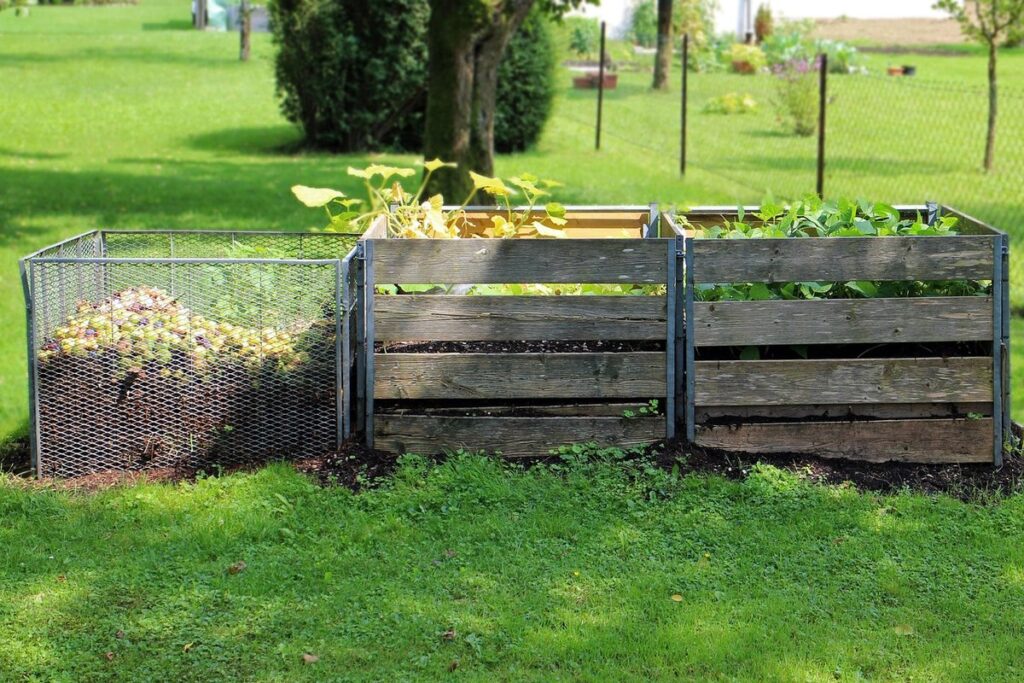
Outdoor hot composting systems, on the other hand, can handle larger quantities of organic waste and are suitable for backyard gardens or farms. They often feature a larger capacity and can be designed to blend seamlessly into outdoor landscapes. For instance, a freestanding composter made from natural materials like wood or bamboo can complement garden decor while efficiently processing kitchen scraps.
When choosing a hot composting system, consider factors such as space constraints, waste generation rates, and personal preferences for appearance and functionality. Some systems may require more maintenance than others, so it’s essential to weigh the pros and cons before making an informed decision.
Benefits of Hot Composting
Hot composting offers numerous benefits, from reducing greenhouse gas emissions to producing a nutrient-rich soil amendment for your garden. Let’s explore these advantages in more detail.
Nutrient-Rich Soil
When done correctly, hot composting produces a nutrient-rich soil amendment that’s bursting with life and potential. This is because the intense heat generated during the process breaks down organic matter into its most basic components: carbon, nitrogen, phosphorus, potassium, and other essential micronutrients.
As these nutrients become available to plants, they can significantly improve crop yields and promote healthy plant growth. The improved nutrient profile of hot composted soil also enhances its water-holding capacity, aeration, and overall structure – making it easier for roots to grow and absorb vital resources.
To give you an idea of just how effective hot composting can be, consider this: a study published in the Journal of Environmental Science found that crops grown in soils amended with hot compost showed a 25% increase in yields compared to those without. That’s not all – the same study also reported improved soil fertility and structure, as well as reduced erosion.
If you’re new to hot composting, creating nutrient-rich soil is easier than you might think. Simply ensure that your pile has a balanced carbon-to-nitrogen ratio (about 2/3 “brown” materials and 1/3 “green”), maintain adequate moisture levels, and turn the pile regularly.
Reduced Waste Volume
One of the most significant advantages of hot composting is its ability to significantly reduce waste volume. Unlike traditional composting methods that often result in a bulky pile of finished compost, hot composting allows you to compress and compact your materials into a much smaller space.
In fact, with proper management, you can expect to see up to 90% reduction in waste volume over the course of just one or two months. This makes hot composting an ideal solution for small spaces or urban areas where traditional compost piles might take up too much room.
To give you an idea of just how effective this process is, consider this: if you’re starting with a standard 4×4 foot pile of mixed materials, the finished product will be roughly the size of a large trash can. That’s a staggering reduction in volume that makes it easy to manage your composting endeavors even in tight spaces.
To achieve these impressive results, be sure to maintain consistent moisture levels, monitor temperature regularly, and turn your pile as needed.
Setting Up a Hot Composting System
To start composting hot, you’ll need to set up your system correctly from the beginning. This involves selecting the right bin and placing it in an ideal location for efficient decomposition.
Choosing the Right Location
When it comes to setting up a hot composting system, choosing the right location is crucial for optimal performance. You’ll want to select a spot that provides adequate sunlight, airflow, and accessibility.
Consider the amount of direct sunlight the area receives. Hot composting requires a minimum of 4-6 hours of direct sunlight per day to maintain high temperatures. Avoid shaded areas or those with tall trees nearby that could cast shadows on your compost pile. A south-facing location is ideal, as it will receive the most sunlight throughout the year.
In addition to sunlight, ensure good airflow around your hot composting system. This will help regulate temperatures and prevent moisture buildup. Aim for a spot that’s at least 6-8 feet away from any obstructions, such as buildings or walls, to allow for adequate air circulation.
Lastly, choose a location with easy access for maintenance and monitoring. This includes turning the pile, adding materials, and checking on temperature. A flat surface is also essential for easy turning and to prevent the compost pile from becoming uneven.
It’s also worth noting that you should avoid placing your hot composting system near water sources or in areas prone to flooding. This will help prevent moisture buildup and minimize the risk of pests attracted to excess water.
Layering Materials
When setting up a hot composting system, layering materials is an essential process to create a balanced and thriving ecosystem. The layering process involves alternating between “green” materials high in nitrogen and “brown” materials high in carbon. A general rule of thumb is to aim for a 2:1 or 3:1 ratio of brown materials to green materials.
To achieve this balance, start by adding a 4-6 inch layer of brown materials such as dried leaves, straw, or shredded newspaper. These materials provide the necessary carbon-rich ingredients that will help speed up decomposition and generate heat.
Next, add a 2-3 inch layer of green materials like kitchen scraps, grass clippings, or manure. Avoid adding meat, dairy, or oily foods, as they can attract pests and create unpleasant odors.
Continue alternating between brown and green layers, ending with a top layer of brown material to prevent moisture from accumulating and creating anaerobic conditions. This simple yet effective layering process sets the stage for hot composting’s transformative power, turning waste into nutrient-rich soil in just a few weeks.
Maintaining Optimal Temperature
To maintain a hot compost pile, it’s essential to monitor and regulate its temperature to ensure optimal conditions for decomposition. This section will guide you through the temperature monitoring process.
Monitoring Temperature
Monitoring temperature levels is crucial during hot composting to ensure the process is progressing as it should. You can use a thermometer to take regular readings of the pile’s internal temperature, which should reach between 130°F and 140°F (54°C-60°C) within the first few days. This heat is generated by microorganisms breaking down organic matter.
If you don’t have a thermometer, you can also rely on visual observations. A hot compost pile will typically exude moisture and have a warm, steamy appearance. You may notice the lid of your bin slightly lifted or see steam rising from the top as heat escapes.
It’s essential to note that temperature fluctuations are normal during hot composting. However, if you notice temperatures consistently below 100°F (38°C), it could indicate inadequate carbon-to-nitrogen ratio, low moisture levels, or insufficient aeration. Regularly monitoring your pile will help you identify potential issues and make necessary adjustments for optimal results.
Managing Moisture Levels
Maintaining optimal moisture levels is crucial for hot composting. Water helps to facilitate decomposition by allowing microorganisms to break down organic matter efficiently. On the other hand, too little water can slow down this process, while excessive water can lead to anaerobic conditions.
Signs of under-drying include crumbling or breaking apart of materials when touched, as well as a lack of moisture in the pile’s surface. Conversely, over-drying is evident by an unpleasant odor, dry crust on top, and reduced decomposition activity. To correct these issues, regularly check the compost pile’s moisture levels by inserting your hand into the center.
If it feels dry to the touch or crumbles apart, add water slowly to maintain a balance. Monitor this closely as overwatering can be detrimental to hot composting. Aim for a consistency similar to damp soil – not soggy but not parched either.
Troubleshooting Common Issues
We’ve all been there: a hot composting project that’s not quite living up to its potential. Let’s address some common problems and find solutions together.
Temperature Fluctuations
Temperature fluctuations can be a major issue during hot composting. One of the primary causes is an imbalance in the carbon-to-nitrogen (C:N) ratio within the pile. A general rule of thumb is to maintain a 2/3 carbon-rich “brown” materials and 1/3 nitrogen-rich “green” materials by volume. However, achieving this ideal balance can be challenging.
To address temperature fluctuations due to an unbalanced C:N ratio, try adjusting your material ratios. For instance, if the pile’s temperature is consistently too high, it might indicate that there’s an excess of nitrogen-rich materials. Adding more carbon-rich materials like dry leaves or shredded newspaper can help bring down the temperature. Conversely, if the pile’s temperature is too low, it may be a sign that you need to add more nitrogen-rich materials.
Another solution is incorporating bulking agents into your compost mix. Bulking agents, such as straw or wood chips, serve several purposes: they provide structure, absorb excess moisture, and promote airflow within the pile. By adding these agents in moderation, you can maintain a stable temperature and prevent overheating.
Odor Control Measures
Minimizing unpleasant odors is one of the biggest challenges many hot composters face. However, with some simple strategies and a bit of planning, you can create an odor-free hot composting experience.
First and foremost, turning your pile regularly is essential to maintaining good airflow and preventing anaerobic conditions that lead to foul smells. Aim to turn your pile every 2-3 days to ensure oxygen levels are consistently high. This also helps to speed up the decomposition process and reduces odors significantly.
Another effective strategy for odor control is incorporating odor-absorbing materials like wood chips, straw, or shredded newspaper into your compost pile. These materials soak up excess moisture and volatile organic compounds (VOCs) that contribute to unpleasant smells.
Regular monitoring of temperature and moisture levels in your pile can also help prevent odor buildup. Keep your pile at a consistent 130-140°F (54-60°C), and make sure it’s not too wet or dry. By following these simple tips, you’ll be able to create an efficient and odor-free hot composting experience that turns kitchen scraps into nutrient-rich fertilizer for your garden.
Advanced Techniques and Variations
Now that you’ve mastered the basics of hot composting, it’s time to take your skills to the next level by exploring more complex techniques and creative variations on this ancient practice. From multi-layered piles to unusual additives, we’ll show you how to push the boundaries of what’s possible.
Cold Composting vs. Hot Composting
While hot composting is an efficient way to break down organic materials, it’s not the only method. Cold composting, also known as “no-turn” composting, offers a simpler and more low-maintenance alternative. However, there are significant differences between these two approaches that impact process time, material requirements, and output quality.
Cold composting involves piling up organic waste without regular turning or aerating. This method can take anywhere from several months to over a year to complete, depending on factors like temperature, moisture, and the type of materials being composted. In contrast, hot composting is a more active process that requires regular mixing and maintenance to ensure optimal decomposition rates.
Cold composting typically uses a mix of “green” materials (high in nitrogen) like food scraps and grass clippings with “brown” materials (high in carbon) such as leaves or straw. The resulting compost may not be as rich in nutrients as hot-composted material, but it can still provide valuable soil amendments.
When choosing between cold and hot composting methods, consider your available time, space, and desired outcome. If you’re short on time or want to create a nutrient-rich compost for your garden, hot composting is likely the better choice. However, if you prefer a more hands-off approach and don’t mind waiting longer for results, cold composting can still be an effective option.
Experimental Methods
When it comes to hot composting, many gardeners and composters are eager to explore innovative techniques that can enhance the efficiency and effectiveness of their systems. One exciting approach is incorporating microorganisms into the composting process. By introducing specific strains of beneficial microbes, such as Trichoderma or Aspergillus, you can accelerate decomposition rates, reduce odors, and even improve soil structure.
One example of this technique in action is using Effective Microorganisms (EM) to boost composting efficiency. EM is a blend of different microbe strains that work synergistically to break down organic matter quickly and effectively. By adding EM to your compost pile, you can create an ideal environment for decomposition to occur rapidly, often within a few weeks.
Temperature control is another critical aspect of hot composting that can be optimized using innovative techniques. For instance, some gardeners use thermometer probes to monitor temperature fluctuations and adjust the carbon-to-nitrogen ratio accordingly. By maintaining optimal temperatures between 130°F and 140°F, you can ensure that pathogens are eliminated and nutrient-rich humus is produced.
To incorporate these experimental methods into your hot composting practice, start by researching local suppliers of beneficial microbe strains or EM blends. Experiment with different microbe combinations to find what works best for your specific climate and materials. Similarly, invest in a thermometer probe to monitor temperature fluctuations and adjust your carbon-to-nitrogen ratio accordingly.
Conclusion: Unlocking the Full Potential of Hot Composting
Now that you’ve mastered the art and science of hot composting, it’s time to unlock its full potential in your garden. We’ll walk you through the final steps to take your composting skills to the next level.
Recap of Key Takeaways
As we conclude our comprehensive guide to hot composting, it’s essential to recap the key takeaways that will set you up for success. By following these principles and best practices, you’ll be well on your way to unlocking the full potential of hot composting.
First and foremost, remember that hot composting is a delicate balance between “green” (nitrogen-rich) and “brown” (carbon-rich) materials. Aim for a mix of 2/3 brown materials and 1/3 green materials in your pile. This ratio will ensure that your microorganisms have the necessary carbon to oxygenate their activities.
Also, don’t forget the importance of moisture levels – aim for a damp, not soggy, consistency throughout your pile. Regularly mixing your compost heap will help maintain optimal aeration and speed up decomposition.
Lastly, monitor temperature regularly, aiming for temperatures between 130°F and 140°F (54°C to 60°C) for efficient processing. By following these guidelines, you’ll be able to unlock the full potential of hot composting and create rich, nutrient-dense soil for your garden or houseplants.
Future Directions and Research Opportunities
As you’ve mastered the art and science of hot composting, it’s time to look towards the future and explore new horizons. Hot composting is an evolving field, with ongoing research and development continually improving our understanding of this powerful tool for waste management. Potential areas for further investigation include optimizing temperature control, exploring alternative carbon-rich materials, and investigating the microbial communities that drive hot composting.
One promising area of research is the use of sensors and monitoring systems to optimize temperature control, ensuring that your pile reaches the ideal 130-140°F (54-60°C) range. This could also enable real-time tracking and data analysis, providing valuable insights into the composting process. Another exciting direction is the exploration of novel carbon-rich materials, such as agricultural waste or food scraps, to further reduce our reliance on traditional brown materials like straw or leaves.
By pushing the boundaries of what’s possible with hot composting, we can create more efficient, effective, and sustainable systems for managing organic waste – not just in backyards but also at the community scale. As a hot composter, you’re invited to join this ongoing conversation, share your own experiences and ideas, and contribute to the next generation of innovations in this field.
Frequently Asked Questions
What are the ideal materials for hot composting, and can I use everything from my kitchen?
When it comes to hot composting, you’ll want to focus on a mix of “green” (nitrogen-rich) materials like food scraps, grass clippings, and fresh manure, along with “brown” (carbon-rich) materials such as shredded leaves or twigs. While it’s tempting to add everything from your kitchen, be cautious of high-water content items like citrus peels or onions, which can hinder the composting process.
Can I hot compost in cold climates, and how do I maintain optimal temperature?
Yes, you can still practice hot composting in cold climates! However, maintaining optimal temperatures (130-140°F) might require more effort. Consider using insulation, such as straw bales or a tarp, to retain heat, and make sure your pile is at least 3x3x3 feet in size to promote internal heat generation.
How do I manage pests and rodents in my hot composting system?
To minimize pest issues, ensure you’re maintaining optimal temperature and moisture levels. Regularly turning the pile will also help prevent pest habitats from forming. If you notice unwanted visitors, try adding a 1-inch layer of diatomaceous earth or cayenne pepper to deter them.
What’s the best way to balance carbon-to-nitrogen ratios in my hot composting system?
A good rule of thumb is to maintain a mix that’s roughly 2/3 “brown” materials (carbon-rich) and 1/3 “green” materials (nitrogen-rich). However, don’t overthink it – focus on achieving a balance between the two. You can also use online calculators or consult with experienced hot composters for more specific guidance.
Can I add weeds to my hot composting system, and will they propagate in the finished product?
No, it’s generally not recommended to add weeds to your hot composting system, as they may germinate or spread in the finished compost. Instead, remove weeds from your pile if you notice them, and focus on using weed-free materials for your hot compost. This will ensure a weed-free final product that’s safe for gardening use.