
Growing tomatoes in a greenhouse can be a dream come true for any gardener, but it requires careful planning and execution. With the right combination of variety selection, pest management, and irrigation strategies, you can enjoy a bountiful harvest all year round. However, if you’re new to growing tomatoes in a greenhouse, it’s easy to make mistakes that can cost you valuable space, time, and resources.
In this article, we’ll cover the essential do’s and don’ts of growing tomatoes in a greenhouse, from choosing the right variety for your climate to managing common pests and diseases. Whether you’re an experienced gardener or just starting out, our expert tips will help you create a thriving greenhouse tomato crop that brings joy and delicious fresh produce to your kitchen all season long.
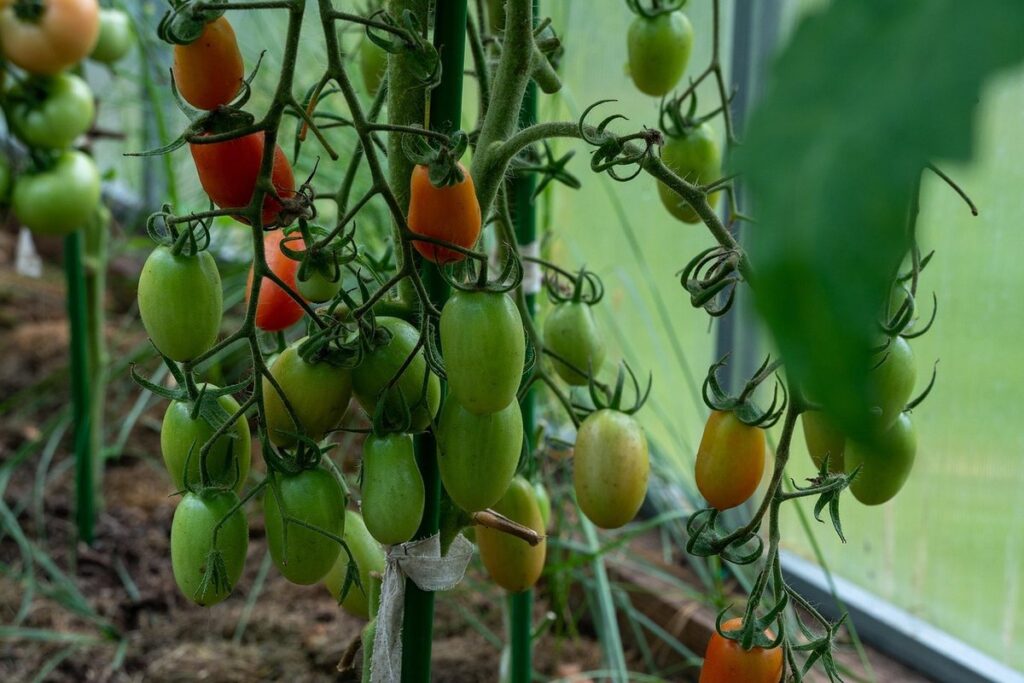
Choosing the Right Variety
When it comes to growing tomatoes in a greenhouse, selecting the right variety is crucial for success. With so many options available, how do you choose the best one?
Selecting Heat-Tolerant Varieties
When growing tomatoes in a greenhouse, selecting heat-tolerant varieties is crucial for maximizing yields and preventing damage from extreme temperatures. Not all tomato varieties are created equal when it comes to withstanding high temperatures, so choosing the right one is essential.
In general, look for varieties that have been specifically bred for greenhouse conditions. These varieties tend to be more resistant to heat stress and can tolerate higher temperatures than their outdoor counterparts. Some popular examples include ‘Patio’, ‘Tiny Tim’, and ‘Red Robin’. These compact plants are well-suited for greenhouses and can thrive in temperatures up to 90°F (32°C).
When selecting a variety, consider your specific climate and growing conditions. If you live in a region with very hot summers, look for varieties that have been bred specifically for high-temperature tolerance. Some other factors to consider include plant size, disease resistance, and fruit quality. By choosing the right heat-tolerant variety, you can ensure a bountiful harvest of delicious tomatoes from your greenhouse garden.
Understanding Tomato Classification
When it comes to growing tomatoes in a greenhouse, understanding the different types of tomatoes is crucial. There are several classifications of tomatoes, each with its unique characteristics that make them suitable for specific uses and environments.
For example, cherry tomatoes are small, round fruits that are perfect for snacking and salads. They mature quickly, typically within 50-60 days, making them ideal for greenhouse production where space is limited. On the other hand, beefsteak tomatoes are large, meaty fruits that are great for slicing and sandwiches. They take longer to mature, typically around 70-80 days, but their size and flavor make them a popular choice among gardeners.
Roma or plum tomatoes are another popular variety, known for their elongated shape and dense flesh. They are perfect for canning and sauces due to their high solid content and low water percentage. These varieties are also more disease-resistant than others, making them a good choice for greenhouse growth.
Understanding the unique characteristics of each tomato type will help you choose the best variety for your greenhouse conditions, ensuring optimal yields and flavor. Consider factors such as maturity days, space requirements, and intended use when selecting the perfect tomato variety for your greenhouse.
Preparing the Greenhouse Environment
Before you start planting those juicy tomatoes, let’s get your greenhouse environment just right – a crucial step that sets the stage for a bountiful harvest. This is where careful planning and attention to detail come into play.
Providing Optimal Temperature and Humidity Levels
When growing tomatoes in a greenhouse, maintaining optimal temperature and humidity levels is crucial for healthy growth. Tomatoes thrive in temperatures between 65°F (18°C) and 75°F (24°C), with an ideal daytime temperature of around 70°F (21°C). Avoid exposing your plants to extreme heat or cold, as this can lead to shock and reduced yields.
To prevent disease and promote healthy growth, maintain a humidity level between 40% and 60%. You can achieve this by using a misting system or sprinkling water on the plants during hot periods. Monitor the temperature and humidity levels regularly, using tools like thermometers and hygrometers to ensure you’re within the optimal range.
For example, if your greenhouse is prone to heat buildup, consider investing in shading materials like shade cloth or louvers. This will help maintain a stable temperature and prevent overheating. Similarly, if your greenhouse is too cold, use heating systems like thermostatically controlled heaters to keep the temperature consistent. By controlling these factors, you’ll be able to create an optimal environment for your tomato plants to thrive in.
Ensuring Adequate Lighting
When it comes to growing tomatoes in a greenhouse, providing adequate lighting is crucial for optimal plant growth. Tomato plants require a significant amount of light to undergo photosynthesis and produce fruit, especially during the vegetative stage.
During periods of low natural light, supplemental lighting can support plant growth. LED grow lights are an excellent option as they provide high-intensity light while consuming relatively little energy. For example, a 6-hour per day exposure to LED grow lights can increase yield by up to 20% compared to plants receiving only natural light.
To ensure sufficient light for your tomato plants, position them at least 3-4 feet away from the north wall of the greenhouse or use reflective materials to bounce natural light onto the south-facing side. Additionally, consider using a dimmer switch to adjust light intensity according to plant needs during different growth stages.
Soil Preparation and Fertilization
To grow healthy and productive tomatoes in your greenhouse, you’ll first need to prepare a rich and fertile soil base. Proper fertilization is also essential for optimal tomato growth and yields.
Creating a Well-Draining Potting Mix
When growing tomatoes in a greenhouse, using a high-quality potting mix is crucial for optimal growth and fruit production. Commercial potting mixes can be pricey, but you can create your own custom blend using readily available ingredients. A well-draining mix helps prevent waterlogged soil, reducing the risk of root rot and other diseases.
To create your own potting mix, start with a base of 40-50% peat moss or coconut coir, which provides excellent moisture retention and aeration. Add 20-30% perlite or vermiculite to improve drainage and prevent water from accumulating in the soil. You can also incorporate compost or worm castings (10-20%) for added fertility and beneficial microorganisms.
For example, mix one part peat moss with one part perlite and add a handful of compost. This blend provides excellent structure, moisture retention, and nutrient availability – perfect for supporting tomato growth in a greenhouse environment. Remember to avoid using regular garden soil or mixes containing high levels of organic matter, as these can retain too much water and lead to root rot.
Fertilizing Tomatoes in a Greenhouse
When it comes to fertilizing tomatoes in a greenhouse, timing and frequency are crucial. As a general rule, start with a balanced fertilizer (10-10-10 NPK) at planting time, and then again 1-2 weeks after transplanting. This will provide essential nutrients for seedling establishment.
For established plants, side-dress with a high-phosphorus fertilizer (15-30-15 NPK) to promote fruiting and flowering. Apply at soil level around the drip line of the plant, avoiding the leaves to prevent burning. Repeat this process every 4-6 weeks until harvest.
Some popular organic options include fish emulsion, bone meal, and compost tea. When using these products, start with a small amount (about half the recommended strength) and monitor your plants’ response before increasing the application rate.
Aim to fertilize when the soil temperature is between 60°F and 80°F (15°C and 27°C), which is usually during the daytime when the sun is shining. Avoid over-fertilizing, as this can lead to excessive vegetative growth at the expense of fruit production.
Pest Management and Disease Prevention
Effective pest management is crucial when growing tomatoes in a greenhouse, as it can prevent costly infestations and save your crop. We’ll explore essential tips for keeping pests at bay.
Monitoring for Pests and Diseases
Regular monitoring is crucial to catch pests and diseases early on. Keep an eye out for common greenhouse tomato pests like aphids, whiteflies, and spider mites. These tiny insects can quickly multiply and spread, causing significant damage to your plants.
Look for signs of pest infestation such as curled or distorted leaves, sticky honeydew droplets, or actual insect sightings. Whiteflies, for example, will fly away when disturbed, leaving behind a faint cloud of dust. On the other hand, aphids can be more discreet, but their presence often leads to curled or stunted growth.
When it comes to diseases, fungal infections and bacterial spot are among the most common greenhouse tomato threats. Watch out for yellowing leaves with black spots (bacterial spot), powdery mildew on leaves, or soft grayish patches on stems (fungal infection). Regularly inspect your plants, making a conscious effort to check the undersides of leaves and stems where pests often hide.
Remember, early detection is key. Be proactive by setting up sticky traps or yellow traps to monitor for whiteflies and aphids. Consider also using biological controls like beneficial nematodes or introducing natural predators to control pest populations.
Using Integrated Pest Management Techniques
When it comes to maintaining a healthy tomato crop in your greenhouse, integrated pest management (IPM) techniques are crucial for preventing pest infestations and managing disease outbreaks. One effective IPM strategy is using physical barriers to keep pests away from your plants. For example, fine mesh or row covers can be placed over the plants to prevent whiteflies, aphids, and other flying insects from landing on them.
Biological controls can also be used to manage pest populations. Encourage natural predators like ladybugs, lacewings, or parasitic wasps to visit your greenhouse by planting their favorite flowers nearby. These beneficial insects will help control pest numbers naturally.
As a last resort, chemical treatments may be necessary. However, it’s essential to use them judiciously and only when absolutely necessary, as overuse can harm the environment and the plants themselves. Always follow the instructions on the label carefully and choose products that are specifically labeled for greenhouse use. By combining these IPM techniques, you’ll be able to maintain a balanced ecosystem in your greenhouse and enjoy healthy, thriving tomatoes all season long.
Irrigation and Watering Strategies
When it comes to keeping your greenhouse tomatoes thriving, proper irrigation and watering strategies are crucial. This section will cover key tips for avoiding common mistakes in watering your plants.
Implementing a Drip Irrigation System
When it comes to watering your greenhouse tomato crop, one of the most effective and efficient methods is implementing a drip irrigation system. This type of irrigation delivers water directly to the roots of the plants, reducing evaporation and runoff while ensuring each plant receives the right amount of moisture.
Before designing your drip irrigation system, consider the size and layout of your greenhouse, as well as the spacing between your tomato plants. A general rule of thumb is to have one emitter (the device that releases water) per square foot of growing space. You can purchase pre-made kits or assemble a custom system using pipes, fittings, and emitters.
To install an effective drip irrigation system, begin by laying out the pipes and emitters according to your design plan. Next, connect the main water source to the system and adjust the flow rate as needed. Make sure to space the emitters evenly around each plant, taking care not to overlap or overcrowd the roots. Regular maintenance is also crucial; check for leaks, clogs, and proper water pressure on a weekly basis to ensure your plants receive consistent moisture levels.
This method of irrigation can conserve up to 50% more water than traditional sprinkler systems, making it an ideal choice for greenhouse tomato growers concerned about water conservation.
Monitoring and Adjusting Water Levels
Monitoring soil moisture levels is crucial to prevent over- or under-watering, which can be detrimental to tomato plants. A simple way to do this is by using a moisture meter, which can be inserted into the soil to provide an accurate reading of the water content. This tool helps you avoid relying on visual checks, which can be unreliable.
When using a moisture meter, keep in mind that it’s essential to calibrate it according to your specific greenhouse environment and tomato variety. For instance, some plants may require more or less water based on their growth stage, temperature, and humidity levels.
As a general rule of thumb, tomatoes need about 1-2 inches of water per week during fruiting stages. You can also observe the plant’s response to watering by checking for signs like droopy leaves or a lack of turgor pressure. If you notice your plants are not responding well to watering schedules, it may be time to reassess and adjust accordingly.
By monitoring soil moisture levels regularly and adjusting your watering schedule as needed, you’ll ensure your tomato plants receive the right amount of water to thrive in their greenhouse environment.
Troubleshooting Common Issues
If you encounter any problems while growing your greenhouse tomatoes, don’t worry – we’ve got you covered. This section will walk you through the most common issues and provide practical solutions to get your crop back on track.
Identifying and Addressing Problems Early On
When growing tomatoes in a greenhouse, it’s essential to identify potential problems early on to prevent them from escalating into more significant issues. Start by regularly inspecting your plants for signs of stress, disease, or pests.
Yellowing leaves can be a sign of overwatering, underwatering, or nutrient deficiencies. Check the soil moisture and adjust your watering schedule accordingly. If you suspect a nutrient issue, consider getting your soil tested to determine which micronutrients are lacking. To prevent nutrient deficiencies in the first place, use a balanced fertilizer that contains essential micronutrients like calcium and magnesium.
Blossom end rot is another common problem that can be caused by fluctuations in temperature or water stress. Monitor your greenhouse temperature and ensure it remains between 65°F to 70°F (18°C to 21°C). Also, avoid sudden changes in watering schedules, as this can cause stress to the plant.
Uneven fruit set can be caused by inadequate pollination or inconsistent temperatures. Ensure that your plants receive sufficient light and air circulation to promote healthy growth. Consider using a greenhouse thermometer to track temperature fluctuations and adjust your growing schedule accordingly. By catching these issues early on, you can prevent them from affecting your entire crop and ensure a bountiful harvest.
Taking Action to Resolve Problems
When you encounter problems with your tomato plants in the greenhouse, it’s essential to take prompt action to prevent further damage. Start by adjusting your watering schedule to ensure that the soil isn’t too dry or waterlogged. Check the moisture levels daily and adjust as needed.
Next, prune any affected areas of the plant to promote healthy growth and prevent the spread of disease. Remove any diseased leaves or stems, making clean cuts just above a node (where a leaf meets the stem). Prune your tomato plants regularly to encourage bushy growth and maximize fruit production.
Fertilization is another crucial aspect to consider when addressing problems with your tomato plants. Consider using a balanced fertilizer that provides essential nutrients for healthy plant growth. If you suspect nutrient deficiencies, test the soil pH and adjust fertilization accordingly. Regularly monitoring your plants’ response to fertilizers will help you fine-tune your approach.
In severe cases, it may be necessary to repot the plant in fresh, sterilized soil to prevent the spread of disease. When doing so, ensure that the new pot is slightly larger than the previous one and has good drainage holes to prevent waterlogged soil.
Frequently Asked Questions
How can I monitor temperature fluctuations in my greenhouse to prevent heat stress?
Monitor temperature fluctuations by installing thermometers at different heights and locations within the greenhouse. This will help you identify hotspots and take corrective action to maintain optimal temperatures for your tomato plants.
What are some common pests that target tomatoes in a greenhouse, and how can I prevent them?
Common pests include aphids, whiteflies, and spider mites. To prevent infestations, use physical barriers like fine mesh or fine-netting to keep pests out. Regularly inspect your plants and remove any affected leaves or stems.
Can I use the same irrigation system for all my tomato varieties, or do they require different watering schedules?
Yes, you can use the same irrigation system for most tomato varieties. However, some heat-tolerant varieties may require more frequent watering to prevent scorching. Monitor your plants’ responses to the watering schedule and adjust as needed.
How often should I fertilize my tomatoes in a greenhouse, considering the high temperatures and humidity levels?
Fertilize your tomatoes regularly, but avoid over-fertilizing, which can lead to scorching or nutrient burn. A balanced fertilizer (e.g., 10-10-10 NPK) applied every 1-2 weeks should suffice.
Can I use recycled materials to create a well-draining potting mix for my greenhouse tomatoes?
Yes, you can repurpose materials like perlite, vermiculite, or coco coir to create a well-draining potting mix. Mix these materials with peat moss or compost to create a balanced blend that will help prevent waterlogged soil and root rot.