
When designing or upgrading your greenhouse, one crucial aspect often gets overlooked: the roof pitch. Not only does it impact the overall aesthetic appeal, but more importantly, it directly affects the energy efficiency and optimal growth conditions for your crops. The right roof pitch can make a significant difference in trapping warmth during winter and preventing overheating in summer, leading to reduced cooling costs and improved yields.
In this article, we’ll delve into the world of greenhouse roof pitch, discussing its significance and how to choose an optimal angle for energy efficiency and crop growth. We’ll explore the factors that influence the ideal pitch, including climate, structure type, and crop requirements. Whether you’re a seasoned gardener or just starting out, understanding the importance of roof pitch will help you create a thriving greenhouse environment that’s tailored to your specific needs.
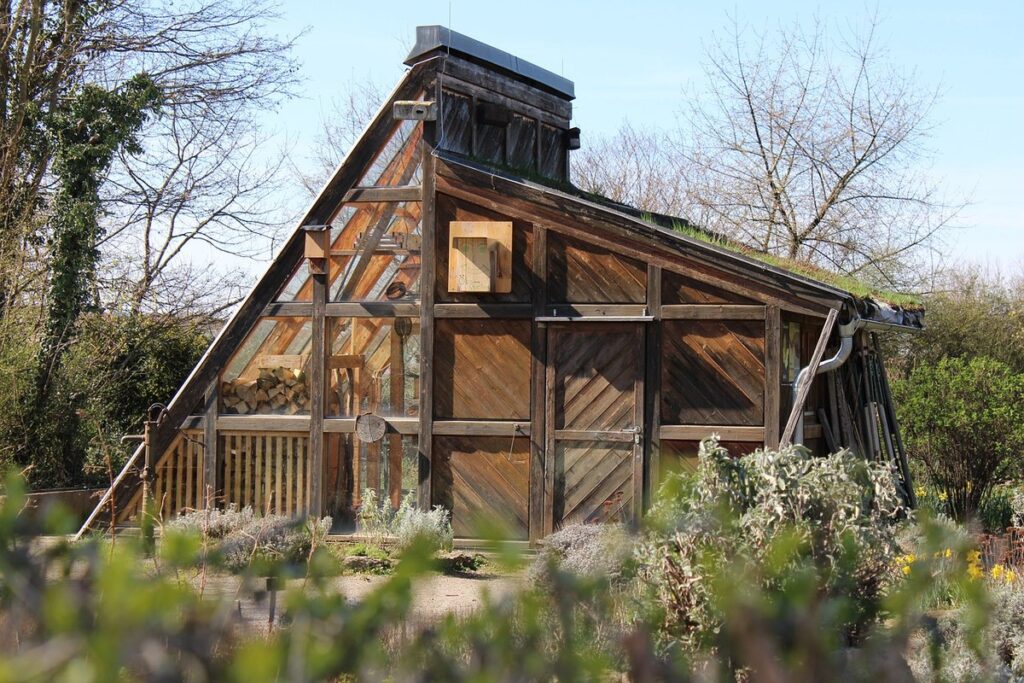
Understanding the Basics of Greenhouse Roof Pitch
When it comes to designing a greenhouse, getting the roof pitch just right is crucial for efficient ventilation and weather resistance. Let’s dive into the basic principles behind choosing the perfect slope for your greenhouse roof.
What is Greenhouse Roof Pitch?
Greenhouse roof pitch is an essential aspect of greenhouse design that serves multiple purposes. At its core, it refers to the angle at which the greenhouse roof slopes upwards from the walls. This slope is crucial for several reasons. Firstly, it allows rainwater and snowmelt to run off the roof, preventing waterlogged soil and structural damage. A well-designed roof pitch also ensures proper ventilation within the greenhouse by creating a slight gap between the roof and the walls, allowing warm air to escape.
A greenhouse with an optimal roof pitch can make a significant difference in its overall performance. For instance, a steeper pitch can help reduce the risk of condensation buildup on the roof and walls, which can lead to mold growth and other issues. On the other hand, a gentler slope may be more suitable for larger greenhouses or those with specific climate considerations.
When designing your greenhouse, consider factors like local weather patterns, available space, and desired ventilation levels when determining the ideal roof pitch. By getting it right, you can create an optimal environment for plant growth while minimizing maintenance needs and costs.
Benefits of Proper Roof Pitch
A proper roof pitch is crucial for the overall performance, energy efficiency, and longevity of greenhouses. When the pitch is correct, it allows snow to slide off easily, reducing the risk of damage from accumulated weight. This can be particularly important during winter months when heavy snowfall is common.
In contrast, a poorly pitched roof can lead to water pooling, which can cause structural issues and promote algae growth on the walls. This can not only compromise the integrity of the greenhouse but also reduce crop yields due to reduced light penetration.
The ideal pitch for a greenhouse roof typically ranges between 2:12 and 3:12. Anything steeper than this may lead to wind-induced stress, while anything shallower may result in water accumulation. When designing or renovating your greenhouse, consider factors like climate, location, and the types of crops you plan to grow.
To ensure a proper roof pitch, work with experienced architects or engineers who can assess your specific needs and create a customized design that balances performance, energy efficiency, and durability.
Common Challenges with Poorly Designed Roof Pitch
A poorly designed roof pitch can lead to a multitude of issues that compromise the overall performance and longevity of your greenhouse. One of the most pressing concerns is water accumulation. A flat or shallow roof pitch can cause water to collect on the surface, leading to a buildup of pressure that may eventually cause leaks, structural damage, or even collapse.
In addition to water accumulation, a poorly pitched roof can also affect temperature control within the greenhouse. Without adequate slope, warm air tends to stagnate near the ceiling, while cooler air settles at floor level. This creates an uneven temperature gradient, making it challenging for plants to thrive. For instance, if the ideal temperature range for your crops is between 65°F and 75°F (18°C and 24°C), but the greenhouse interior temperature fluctuates between 50°F (10°C) near the floor and 90°F (32°C) near the ceiling, you can expect reduced growth rates and increased susceptibility to disease.
In some cases, a poorly designed roof pitch may also compromise the structural integrity of your greenhouse. A shallow or flat slope increases the risk of damage from heavy snowfall or debris accumulation.
Designing an Optimal Greenhouse Roof Pitch
When it comes to designing a greenhouse roof, getting the pitch just right is crucial for optimal growth and energy efficiency. Let’s dive into the specifics of achieving this balance.
Factors Influencing Roof Pitch Selection
When selecting a roof pitch for your greenhouse, several key factors come into play. Climate is one of the most significant considerations. For example, if you’re building a greenhouse in an area prone to heavy snowfall, a steeper roof pitch is essential to prevent weight and potential collapse. Conversely, in warmer climates with frequent rain, a shallower pitch can be sufficient.
Building codes also dictate roof pitch requirements, so it’s crucial to familiarize yourself with local regulations before making a decision. Some areas may require specific minimum or maximum pitch angles for structural integrity and safety reasons.
Additionally, the type of crops you plan to grow should influence your choice. For instance, plants requiring more light, such as tomatoes or cucumbers, thrive in greenhouses with steeper roof pitches that allow for optimal sunlight penetration. On the other hand, shade-loving plants like lettuce or herbs can tolerate shallower pitches.
When choosing a roof pitch, consider these factors and ensure it aligns with your climate, building codes, and specific crop requirements. By taking these variables into account, you’ll be able to design an efficient greenhouse that meets both functional and aesthetic needs.
Calculating the Ideal Roof Pitch Angle
When calculating the ideal roof pitch angle for a greenhouse, it’s essential to consider various parameters that affect the structure’s performance. One widely used method is the “solar altitude” approach, which takes into account the latitude of the greenhouse location and the desired amount of winter sunlight.
The formula for solar altitude is: tan(θ) = (sin(φ) cos(λ)) + (cos(φ) sin(λ) * cos(H)), where θ represents the roof pitch angle, φ is the latitude, λ is the longitude, and H is the hour angle. However, a more straightforward approach for greenhouses is to use the “Roof Pitch Angle Calculator” formula: tan(θ) = (2 – L) / 1000, where L is the desired winter sunlight percentage.
For example, if you want to allow 80% of winter sunlight into your greenhouse, simply plug in L = 80 and calculate θ. This method provides a more accurate and user-friendly way to determine the optimal roof pitch angle for your specific location and needs. Remember that a steeper roof pitch can lead to increased construction costs and potential water accumulation issues.
Considerations for Different Greenhouse Types
When designing an optimal greenhouse roof pitch, it’s essential to consider the specific needs of different types of greenhouses. For instance, cold frames require a more subtle approach due to their smaller size and often-used winter protection design. A steeper roof pitch can be beneficial for cold frames as it allows snow to slide off easily, reducing the risk of damage.
On the other hand, hoop houses and glasshouses benefit from a gentler roof pitch. This is because they are typically larger in size and used for year-round production. A flatter roof pitch provides more interior space for crops while also allowing for better natural light penetration.
It’s crucial to note that even within these categories, regional climate factors should be taken into account. For example, regions with high snowfall may require steeper pitches to ensure snow doesn’t accumulate and damage the structure. By tailoring the roof pitch design to your specific greenhouse type and location, you can create a functional and efficient growing space that maximizes crop yields and minimizes maintenance requirements.
Consider consulting with local building codes or industry experts to determine the most suitable roof pitch for your specific project.
Impact of Roof Pitch on Energy Efficiency
Now that we’ve explored the basics of greenhouse roof pitch, let’s dive into how its design can significantly impact your energy efficiency and costs.
Insulation and Climate Control
A greenhouse’s roof pitch plays a crucial role in determining the need for insulation and climate control systems. A steeper roof pitch allows snow to slide off more easily, reducing the load on the structure. However, it also means that cold air can enter the greenhouse more readily through gaps or openings around the edges. In areas with harsh winters, this can lead to significant heat loss.
Conversely, a shallower roof pitch provides better insulation against cold temperatures but can trap snow and ice, putting additional stress on the structure. As a general rule, for every 1% increase in roof slope, there’s an associated 3-5% decrease in energy consumption due to reduced need for heating. To mitigate this issue, consider using climate-controlled ventilation systems or applying insulating materials to the roof’s surface.
When designing your greenhouse, it’s essential to balance these competing factors and select a roof pitch that suits your specific needs.
Heating and Cooling Systems Integration
A well-designed roof pitch can make a significant difference in the integration of heating and cooling systems within greenhouses. This streamlined integration enhances overall energy efficiency by reducing heat loss and gains. When the roof pitch is optimized, it allows for more efficient placement of these systems, minimizing disruptions to plant growth.
In a greenhouse with a steeply pitched roof, for instance, evaporative cooling systems can be installed at the top, where they can take advantage of gravity-driven airflow, while heaters can be positioned near the bottom. This strategic placement reduces energy consumption and ensures optimal distribution of warm or cool air throughout the greenhouse.
To maximize the benefits of integrated heating and cooling systems, consider incorporating features like radiant floor heating, which provides consistent heat without wasting energy on heating the air. Additionally, ensure that the roof pitch allows for easy access to these systems for maintenance and repairs, further reducing energy costs and extending the lifespan of your equipment. By considering the interplay between roof pitch and heating/cooling systems, you can create a more efficient and productive greenhouse environment.
Seasonal Adaptation Strategies
When designing a greenhouse roof pitch, it’s essential to consider seasonal adaptation strategies that optimize energy consumption during extreme weather conditions. One key approach is to adjust the roof pitch to maximize natural light and heat gain during winter months while minimizing heat loss.
During colder periods, a slightly steeper roof pitch can be beneficial for capturing solar radiation and reducing heating costs. For example, a 10-15% increase in roof pitch can lead to a 5-7% reduction in energy consumption. Conversely, during hot summer months, a more gradual slope can help shed snow and hail while minimizing heat gain through the roof.
Another strategy is to incorporate adaptable glazing systems that allow for easy adjustment of roof pitch angles or the installation of solar shades to control light transmission and minimize thermal stress on the structure. This flexibility enables growers to fine-tune their greenhouse design according to seasonal requirements, ensuring optimal energy efficiency throughout the year.
Best Practices for Installing and Maintaining Greenhouse Roof Pitch
When it comes to installing and maintaining your greenhouse roof pitch, following best practices is crucial to ensure a sturdy and efficient structure that will support your plants’ growth. Let’s dive into some essential tips to get you started.
Pre-Installation Checks and Considerations
Conducting thorough site assessments is crucial before installing a greenhouse with an optimal roof pitch. This involves evaluating the terrain’s slope, drainage patterns, and local weather conditions to ensure the greenhouse can withstand various external factors.
Structural analysis is equally important, as it helps determine if the building’s foundation and frame can support the weight of the roof and any additional loads such as snow or equipment. This may involve consulting with a structural engineer or conducting load calculations to verify that the design can handle stress and pressure from different directions.
Material selection also plays a vital role in achieving an optimal roof pitch. Factors like material durability, thermal performance, and sustainability should be carefully considered when choosing roofing materials. For example, polycarbonate panels are often used due to their transparency, strength, and ability to withstand various weather conditions.
Installation Techniques and Recommendations
When installing a greenhouse roof pitch, it’s essential to choose the right materials and techniques to ensure a durable and efficient green roof. A well-installed green roof can provide insulation, reduce energy consumption, and create a habitat for local wildlife.
For a successful installation, consider using high-quality waterproof membranes such as EPDM or TPO, which are resistant to extreme temperatures and weather conditions. Ensure that the membrane is properly fitted around edges and penetrations to prevent water intrusion.
When selecting materials for your green roof pitch, prioritize plants with deep root systems, such as sedums or succulents, to reduce maintenance needs and prevent erosion. Additionally, incorporate a drainage layer to facilitate efficient water runoff and prevent waterlogging.
For the installation process itself, consider hiring experienced professionals who specialize in green roof construction. If you’re handling the installation yourself, follow local building codes and regulations, and take necessary safety precautions to avoid accidents and injuries.
By choosing the right materials and techniques, you can create a durable and efficient green roof that not only enhances your greenhouse’s functionality but also provides long-term benefits for the environment.
Regular Maintenance Tips for Long-Term Performance
Regular maintenance is crucial to ensuring the long-term performance of your greenhouse roof pitch. Scheduling regular inspections can help you identify potential issues before they become major problems. Aim to inspect your roof pitch at least twice a year, or more frequently if you live in an area with harsh weather conditions.
During these inspections, look for signs of damage, such as cracks, leaks, or worn-out materials. Address any issues promptly to prevent further deterioration and costly repairs down the line. For example, if you notice a small crack in your roof membrane, repair it immediately to prevent water from seeping in and causing more extensive damage.
In addition to inspections, regular cleaning is essential to maintaining optimal performance. Remove debris, such as leaves or dirt, that can accumulate on your roof pitch and clog drainage systems. Perform routine cleaning tasks, such as washing the roof with a mild detergent and inspecting for any signs of wear or damage.
By following these simple tips, you can help extend the lifespan of your greenhouse roof pitch and ensure optimal performance for years to come.
Frequently Asked Questions
How do I calculate the ideal roof pitch angle for my greenhouse based on local climate conditions?
To determine the optimal roof pitch angle, consider factors like precipitation, sunlight exposure, and temperature fluctuations specific to your region. A general rule of thumb is a 1:12 to 1:15 slope ratio in colder climates and a shallower slope (1:20 or flatter) for warmer areas. Adjust the pitch according to local weather patterns to ensure energy efficiency and optimal crop growth.
Can I adjust my greenhouse roof pitch after installation if I find it’s not performing as expected?
Yes, although changing the roof pitch can be a significant undertaking, especially on larger structures. It may be necessary to remove existing roofing materials, modify support beams, or even reconfigure the entire structure. In some cases, adjusting the pitch might require additional reinforcement to prevent structural damage.
How does my choice of greenhouse type (e.g., poly, glass, polycarbonate) affect roof pitch considerations?
Your choice of glazing material influences the optimal roof pitch for several reasons: different materials have varying thermal expansion coefficients, weight loads, and light transmission characteristics. For example, lighter materials like poly or polycarbonate can tolerate shallower slopes without compromising structural integrity.
What are some common mistakes to avoid when installing a greenhouse with an optimal roof pitch?
Avoid rushing through the installation process, as this often leads to misaligned support beams, inadequate drainage systems, or suboptimal glazing material placement. Proper pre-installation checks and considerations can prevent costly errors down the line.
Can I use my existing greenhouse’s roof structure as a foundation for upgrading to an optimal pitch?
Yes, but carefully assess your existing framework before making significant modifications. Upgrade structural components like support beams and consider new roofing materials or glazing systems that better suit your climate and crop requirements.