
Composting can be a wonderful way to reduce waste and create nutrient-rich soil for your garden, but getting the balance just right is crucial. Have you ever struggled with smelly compost or wondered how to get rid of pests in your pile? The key lies in achieving the perfect green brown compost ratio. Green materials like food scraps and grass clippings are rich in nitrogen, while brown materials like leaves and twigs are high in carbon. When you mix them together correctly, you’ll not only eliminate odors but also create a thriving ecosystem that’s teeming with beneficial microorganisms.
In this article, we’ll explore the importance of getting your green to brown ratio just right, providing expert tips on monitoring and adjusting it for optimal results. By following our guidelines, you’ll be able to improve soil health, reduce odors, and increase compost quality. We’ll dive into ratio guidelines and share practical advice on how to create a balanced compost pile that’s both effective and efficient.
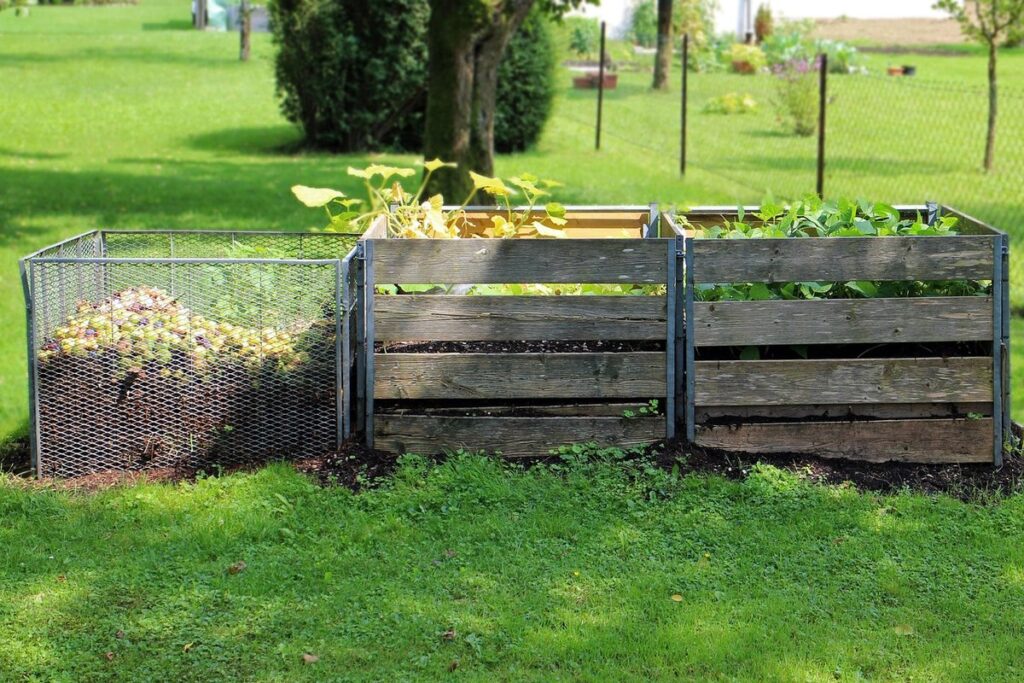
What is a Green Brown Compost Ratio?
Now that you understand the basics of green and brown compost, let’s dive into what a perfect balance between them looks like in terms of ratio. A well-balanced mix is crucial for optimal decomposition.
Understanding the Basics of Composting
Composting is a natural process that breaks down organic materials into a nutrient-rich soil amendment. It’s a crucial aspect of gardening and agriculture as it recycles waste, reduces the need for synthetic fertilizers, and promotes healthy plant growth. When done correctly, composting can help reduce greenhouse gas emissions, conserve water, and mitigate climate change.
The key to successful composting lies in achieving the right balance of green and brown materials. Green materials are high in nitrogen, while brown materials are high in carbon. By combining these two types of materials, you create a balanced mix that promotes efficient decomposition. This is where the concept of green brown ratio comes into play. Think of it as a recipe for composting: add 2/3 “brown” materials (dried leaves, straw, or shredded newspaper) to 1/3 “green” materials (food scraps, grass clippings, or manure). By following this simple guideline, you’ll be well on your way to creating a rich, fertile compost that will elevate your gardening game.
Benefits of Achieving the Right Balance
Achieving the right balance between green and brown materials is crucial for optimizing your composting process. When done correctly, it can significantly improve soil health, reduce unpleasant odors, and increase the overall quality of your compost.
Green materials, rich in nitrogen, help to speed up the decomposition process, but excessive amounts can lead to anaerobic conditions, causing foul smells and attracting pests. Brown materials, high in carbon, slow down the process, absorbing excess moisture and suppressing pathogens. By balancing these two components, you create an ideal environment for microbial activity, allowing beneficial microorganisms to thrive.
For example, a general rule of thumb is to aim for a 2/3 brown to 1/3 green ratio. However, this can vary depending on your specific composting needs and the materials you’re working with. To achieve balance, start by adding a mix of leaves, straw, or shredded newspaper as your brown component, then add kitchen scraps, grass clippings, or fresh manure as your green component. Regularly monitor moisture levels, temperature, and texture to adjust your ratio accordingly.
Green Materials: What to Include
When adding green materials, consider incorporating vegetable and fruit scraps, grass clippings, and manure from herbivores for optimal nutrient balance. Select items that are readily available at home or in your community garden.
Common Green Composting Materials
When it comes to green composting materials, you’ll want to focus on items that are high in nitrogen. These ingredients help speed up the decomposition process and add a nutrient-rich boost to your finished compost.
Some of the most common green materials to include in your compost pile are food waste, grass clippings, and animal manure. Food scraps like fruit and vegetable peels, eggshells, and coffee grounds are all high in nitrogen and can be added directly to your compost. Just be sure to chop them up into smaller pieces so they break down quickly.
Grass clippings are another excellent source of nitrogen, but be mindful not to add too many, as this can cause anaerobic conditions in your pile. Aim for a mix of 2/3 brown materials (high in carbon) and 1/3 green materials (high in nitrogen). Animal manure, such as from chickens or cows, is also high in nitrogen and should be added in moderation.
Remember to balance your green composting materials with brown materials like dried leaves, straw, and shredded newspaper. This will help maintain a healthy carbon-to-nitrogen ratio and prevent odors and pests.
Tips for Collecting and Adding Green Materials
When it comes to collecting and adding green materials to your compost pile, timing and quantity are crucial. Green materials like fresh grass clippings, vegetable scraps, and fruit peels are rich in nitrogen but can also lead to anaerobic conditions if not managed properly.
To avoid this issue, aim to add 2-3 times more brown materials than green materials to maintain a balanced ratio. For example, for every bucket of kitchen scraps, add two buckets of dry leaves or shredded newspaper.
Consider adding green materials in moderation, about 1/4 cup per week, and mix them well with the existing compost pile. This will help to speed up decomposition and minimize odors. You can also add a layer of brown materials on top of the green materials to create a barrier against moisture and excess nitrogen.
When collecting kitchen scraps, be mindful of their quality. Avoid adding meat, dairy, or oily foods as they can attract pests and create unpleasant odors. Stick to fruits, vegetables, tea bags, and coffee grounds instead.
Brown Materials: What to Include
When it comes to adding brown materials, think beyond just dried leaves and twigs. Consider including shredded newspaper, cardboard, and tea bags to balance out your compost mix.
Common Brown Composting Materials
When it comes to adding brown materials to your compost pile, there are many options available. These high-carbon ingredients play a crucial role in balancing out the nitrogen-rich green materials and creating a healthy ecosystem for decomposition.
Dried leaves are an excellent choice for brown composting materials. They’re readily available during fall season clean-up, and can be added directly to your compost pile or shredded first for easier breakdown. A single leaf contains about 30-40% carbon, making it a valuable addition to your compost mix.
Shredded newspaper is another common brown material that’s often overlooked. Not only does it provide carbon-rich fuel for decomposition, but it also helps retain moisture and suppress odors in the pile. Just be sure to tear the pages into smaller strips before adding them to avoid creating too much bulk.
Cardboard, especially corrugated cardboard, is a great source of carbon as well. It’s essential to shred or chop it into smaller pieces to ensure proper breakdown and prevent mold growth. Additionally, make sure to remove any tape, staples, or plastic inserts that might not decompose properly.
Tips for Collecting and Adding Brown Materials
When it comes to collecting and adding brown materials to your compost pile, it’s essential to get it right. Brown materials provide carbon-rich nutrients that balance out the nitrogen-rich green materials. To create a balanced compost mix, you’ll want to aim for a 2/3 brown materials to 1/3 green materials ratio.
To start, identify sources of brown materials in your yard or neighborhood. Dried leaves, shredded newspaper, and small twigs are all great options. Consider collecting them from nearby parks or gardens, but be mindful of local regulations regarding leaf collection. When adding these materials to your pile, aim for a mix of different textures. A combination of fine shreds (like paper) and coarse chunks (like twigs) will help maintain airflow and prevent matting.
Remember to add brown materials in moderation – too much can lead to a dry, carbon-rich compost that’s slow to break down. Aim for about 2-3 pounds of brown material per 1 pound of green material. This will ensure a balanced mix that’s perfect for creating nutrient-rich compost.
The Ideal Green Brown Ratio: A Guide
Achieving a balanced green brown compost ratio is crucial for effective decomposition, and in this section we’ll dive into what that ideal ratio looks like.
Understanding the Importance of Balance
Achieving a balance between green and brown materials is crucial for effective composting. Green materials, rich in nitrogen, provide the necessary energy for decomposition to occur, while brown materials, high in carbon, supply the structure and stability needed to support microbial growth. When these two components are out of balance, problems arise.
Too much green material can lead to anaerobic conditions, resulting in odors, pests, and even the formation of pathogenic bacteria. On the other hand, an overabundance of brown materials can slow down decomposition, leading to a long and laborious composting process. A balanced mix, typically consisting of 2/3 “brown” materials and 1/3 “green” materials, allows for optimal microbial activity, preventing these issues.
Think of it like cooking: too much sugar (nitrogen) without enough flour (carbon) results in a sticky mess, while too much flour without enough sugar yields a dry and flavorless dish. Similarly, finding the right green-brown ratio ensures a smooth, efficient composting process that produces rich, nutrient-dense soil for your garden.
Recommended Ratios and Guidelines
When it comes to achieving the ideal green brown ratio, there are specific guidelines to follow. A general rule of thumb is to aim for a mix of 2/3 “brown” materials and 1/3 “green” materials. However, this can vary depending on climate and soil type.
In warmer climates with high temperatures, it’s best to err on the side of caution and use less green material (20-30%) to prevent odors and pests from taking over. Conversely, in cooler climates, you can increase the percentage of green materials to around 40%.
If you’re composting for a specific purpose, such as creating nutrient-rich soil for indoor plants or improving your garden’s fertility, it’s essential to adjust the ratio accordingly. For example, if you’re making compost tea, you’ll want to use more brown materials (70-80%) to create a balanced blend.
Keep in mind that these ratios serve as guidelines rather than hard and fast rules. The key is to find a balance that works for your specific situation and adjust as needed. With practice and patience, you’ll develop a keen sense of what works best for your composting needs.
Maintaining the Right Ratio: Tips and Tricks
Now that you’ve mastered the basics of green brown compost ratio, let’s dive into practical tips for maintaining the perfect balance in your composting process.
Monitoring and Adjusting Your Compost Pile
Monitoring and adjusting your compost pile is crucial to ensuring that it’s working efficiently. A well-maintained pile will heat up to temperatures between 130°F to 140°F (54°C to 60°C), which is a sign of the decomposition process. To monitor temperature, you can use a thermometer or even just check the pile regularly by sticking your hand into it – if it feels hot to the touch, it’s likely within the optimal range.
Next, pay attention to moisture levels. A compost pile should be kept moist but not soggy. Aim for a consistency similar to that of a damp sponge. If the pile is too dry, it won’t decompose efficiently, and if it’s too wet, it may attract pests or create unpleasant odors. Check the moisture level by squeezing a handful of the compost – if it crumbles easily, it’s just right.
Unpleasant odors can also indicate an imbalance in your compost pile. This is usually due to too much green material (e.g., food scraps or grass clippings), which can create ammonia when it breaks down. To fix this issue, simply add more brown materials (like leaves or shredded newspaper) to balance out the mix and neutralize any odors. Regularly monitoring your compost pile’s temperature, moisture levels, and odor will help you maintain a healthy balance between green and brown materials.
Strategies for Managing Excess Green or Brown Materials
Don’t let an excess of green or brown materials disrupt your composting process. If you find yourself with too many green materials like food scraps and grass clippings, try adding more brown materials like dry leaves or shredded newspaper to balance out the ratio. This will help speed up decomposition and reduce odors.
Conversely, if you have too much brown material, add some green ingredients to introduce nitrogen-rich elements that will stimulate microbial activity and get your compost cooking again. To give you a better idea, aim for about 1-2 inches of green materials layered on top of 4-6 inches of brown materials.
Another common issue is pest control. If your compost pile is attracting unwanted critters like rodents or flies, try adding more brown materials to reduce moisture levels and make it less appealing to pests. You can also add a thin layer of diatomaceous earth or wood ash on top of the compost pile to deter them naturally.
In terms of odor management, keep your compost pile well-aerated by turning it regularly. This will help oxygen flow in and odors flow out. If you notice unpleasant smells, sprinkle some finished compost or worm castings over the affected area to neutralize any imbalances.
Advanced Topics: Considerations for Special Cases
Now that you’ve mastered the basics of green brown compost ratio, let’s dive into some more nuanced considerations for unique situations and challenging materials.
Composting in Urban Areas or Small Spaces
Composting in urban areas or small spaces can be a challenge, but it’s not impossible. In fact, with a little creativity and planning, you can turn even the smallest of spaces into a productive composting hub.
Space constraints are often the biggest obstacle for city dwellers or those with limited yard space. However, there are many compact composting solutions available that don’t take up much room at all. For example, worm composters (vermicomposting) are perfect for tiny balconies or indoor spaces and can even be hung on walls to save floor space.
Another consideration is the limited waste stream in urban areas. You may not have access to a large yard where you can collect fallen leaves, branches, and other bulk materials that would normally go into your compost pile. But don’t worry – you can still create rich compost using kitchen scraps, coffee grounds, eggshells, and other food waste. Consider investing in a smaller-scale compost bin or even repurposing a plastic container as a makeshift composter.
In both cases, it’s essential to balance the green brown ratio carefully to ensure your compost is healthy and thriving despite the space constraints.
Composting for Specific Soil Types or Conditions
When it comes to composting for specific soil types or conditions, understanding how to adjust the green brown ratio is crucial. For instance, if you’re working with clay-heavy soils, you’ll want to increase the brown material content to around 60-70% and decrease the green matter to 30-40%. This higher carbon-to-nitrogen ratio will help break down the clay particles and improve soil structure.
On the other hand, acidic soils require a more balanced green brown ratio. Aim for a mix of 50:50 or even slightly biased towards green materials (55:45). This will introduce beneficial microorganisms that can help neutralize the acidity and create a healthier growing environment. Be cautious not to overdo it with too much nitrogen-rich green material, as this can exacerbate acid conditions.
When dealing with sandy soils, you may need to adjust the ratio in the opposite direction, adding more green materials (40-50%) to increase nutrient availability and water retention.
Frequently Asked Questions
Can I still achieve a good green brown compost ratio with small or irregularly-shaped materials?
Yes, while it’s ideal to have uniform materials for optimal decomposition, you can still create a balanced mix using smaller pieces like chopped leaves or shredded grass. However, keep in mind that larger materials may take longer to break down.
How do I know if my compost pile is too hot and what can I do about it?
A compost pile can become too hot due to an imbalance of green and brown materials. If you notice excessive heat, steam, or a strong odor, check your ratio and add more brown materials like straw or shredded newspaper to absorb excess moisture and reduce heat.
What’s the best way to mix green and brown materials in my compost bin?
To ensure proper mixing, turn your pile every 7-10 days to aerate it. You can also use a pitchfork to gently mix materials together. Aim for a layered approach: start with a 2-3 inch layer of brown materials, followed by a layer of green materials, and repeat.
Can I compost citrus peels or other acidic materials?
Yes, you can compost citrus peels, but in moderation due to their high acidity. Balance them with alkaline-rich brown materials like wood ash or dolomitic limestone to maintain the optimal pH for beneficial microorganisms.
How do I store green materials during winter months when they’re not available in abundance?
To maintain a consistent supply of green materials throughout the year, consider storing excess summer harvests in bins or bags and using them as needed. You can also collect and dry grass clippings during autumn to use as green material during colder months.