
Grafting fruit trees can be a game-changer for any gardener looking to expand their orchard or try out new varieties. Not only does it allow you to combine the best traits from different tree species, but it’s also a cost-effective way to propagate your favorite fruits. However, grafting can seem intimidating if you’re new to the process. In this comprehensive guide, we’ll walk you through the essential steps for successful fruit tree grafting, covering topics like selection of scions and rootstocks, the right tools and techniques, and tips for aftercare to ensure your new trees thrive. Whether you’re a seasoned gardener or just starting out, our expert advice will help you master the art of grafting and enjoy a bountiful harvest in no time.
Choosing the Right Tree and Tools
When selecting a fruit tree for grafting, consider factors such as climate, soil type, and desired fruit variety to ensure success. You’ll also need to gather specific tools for the process.
Selecting the Perfect Scion and Rootstock
When it comes to grafting fruit trees, selecting the perfect scion and rootstock is crucial for a successful outcome. The right combination can ensure a strong, healthy tree that thrives in its environment. But what makes a good match? Tree compatibility is key, as different varieties have varying growth habits, disease resistance, and climate tolerances.
For example, if you’re grafting an apple tree onto a rootstock that’s prone to disease susceptibility, your newly grafted tree may be more vulnerable to infection. Similarly, if the scion has a strong growth habit but the rootstock is too weak, the tree may not reach its full potential.
When selecting a scion, consider factors like climate zone, soil type, and pest/disease resistance. Research different varieties and their characteristics to ensure compatibility with your specific conditions. Look for rootstocks that are disease-resistant and have a strong growth habit to support your chosen scion. By taking the time to select the right combination, you’ll be well on your way to creating a thriving, productive fruit tree.
Understanding Grafting Tools and Equipment
When it comes to grafting fruit trees, having the right tools and equipment is crucial for success. A well-stocked grafting kit will ensure that you can perform the procedure efficiently and effectively.
Start with a good quality knife or grafting tool, which should have a sharp blade specifically designed for cutting branches. The most common types of knives used for grafting are single-edged and double-edged. Single-edged knives are ideal for beginners, as they’re easier to use and less likely to cause damage to the bark.
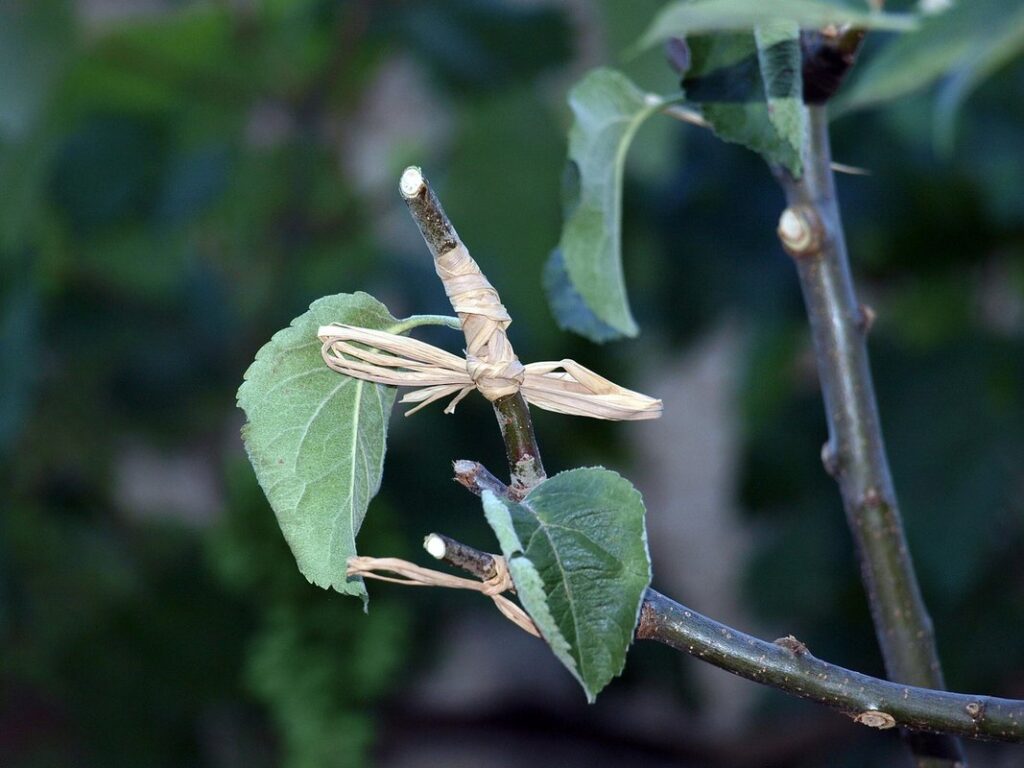
You’ll also need some tape or twine to secure the grafted branch in place while it heals. There are various types of tape available, including wax-coated and plastic-coated options. Wax-coated tape is popular among grafters due to its flexibility and ease of removal.
In addition to these essentials, you may also want to consider investing in a grafting wax or sealant. This will help protect the grafted area from moisture loss and promote healthy healing. Some grafters also swear by using a rooting hormone powder or liquid to enhance root growth and increase the chances of successful graft take.
When selecting your tools and equipment, make sure they’re clean and sterile to prevent the risk of disease transmission. It’s also essential to store them properly after use to maintain their effectiveness over time. By investing in quality grafting tools and supplies, you’ll be well-equipped to tackle even the most challenging grafting projects with confidence.
Preparing the Tree Stock
Preparing the tree stock is an essential step before grafting. This process involves preparing the rootstock (recipient tree) to accept the scion (donor tree). Begin by pruning the rootstock to a manageable size, about 6-8 inches from the ground. Remove any weak or damaged branches and cut the stem at a 45-degree angle to promote new growth.
Next, disinfect the rootstock with a solution of 1 part bleach to 10 parts water to prevent the spread of diseases. This step is crucial in maintaining healthy grafts and preventing the transmission of fungal infections. Allow the rootstock to air dry for about an hour after disinfection before proceeding.
When aligning the scion, ensure that the cambium layers (the thin layer of tissue beneath the bark) of both the scion and rootstock are facing each other. This alignment is critical in successful grafting, as it allows the tissues to fuse together seamlessly. Hold the scion in place with grafting tape or a grafting clip until the union forms a strong bond.
The Grafting Process: Techniques and Tips
Now that you’ve learned the basics of grafting, let’s dive into the techniques and tips for successful grafting, including choosing the right tools and preparing your plants.
Whip and Tongue Grafting Method
The whip and tongue method is a popular grafting technique used for attaching scions to rootstocks. To begin, make a shallow incision on the scion about 1/4 inch long, just above the bud union. This incision should be sloping upwards slightly to allow for easy removal of bark.
Next, cut a matching notch on the rootstock, leaving about 1/8 inch of space between the two cuts. Gently insert the scion into the notch, making sure it’s seated properly and the cambium layers are aligned. Secure the scion with grafting tape or wax, applying gentle pressure to ensure the scion doesn’t shift during healing.
It’s essential to wrap the grafted area in a protective covering, such as a plastic bag or grafting matchbox, to maintain humidity and temperature control. Monitor the graft for signs of rejection or disease, adjusting the wrapping or treatment as needed. With proper care, the whip and tongue method can be an effective way to join scions with rootstocks, promoting healthy growth and fruit production in grafted trees.
Cleft Grafting Method
The cleft grafting method is a popular technique used to join a scion (fruit-bearing wood) to a rootstock. This method involves making a precise cut on the rootstock, creating a slot where the scion will be inserted. To start, choose a scion that matches the rootstock in diameter and has a similar growth habit.
Cut the cleft grafting tool into the rootstock at an angle, about 1/3 of the way through, but not cutting all the way through. This will create a slot where the scion can be inserted. Make sure to hold the knife at a 45-degree angle and use gentle pressure to avoid crushing the bark.
Next, cut the scion to match the length of the cleft grafting tool, leaving about an inch or two for growth. Insert the scion into the slot on the rootstock, making sure it’s seated snugly but not too tightly. Use twine or tape to secure the scion in place and protect it from drying out.
It’s essential to make a clean cut and insert the scion carefully to ensure successful grafting. The cleft grafting method is suitable for most fruit trees, including apple, pear, and peach varieties. With practice, you’ll become proficient in this technique and be able to create healthy, productive grafted fruit trees.
Splice Grafting Method
The splice grafting method is a popular technique for grafting fruit trees, and it involves joining two stems together to create a new tree. This method requires precision and patience, but with the right tools and techniques, you can achieve successful results.
To start, you’ll need to select healthy stem pieces from both the rootstock and scion plant. The rootstock should be about 6-8 inches tall, while the scion piece should be around 2-3 inches long. Next, make a clean cut on the rootstock just above a node (where a leaf meets the stem), creating a flat surface for grafting.
Now, place the scion piece onto the rootstock, making sure it’s aligned with the node and secure it with grafting tape or twine. Use a sharp knife to remove any excess tissue from the cut ends, promoting healing and minimizing the risk of rejection.
Monitor your grafted tree closely in the first few weeks after grafting, providing adequate water and nutrients. With proper care, your splice-grafted tree should begin producing fruit within 2-3 years.
Aftercare: Caring for Your Newly Grafted Tree
Now that you’ve successfully grafted your fruit tree, it’s essential to provide proper care to help it thrive and establish a strong root system. This next step is crucial for its survival and future productivity.
Providing Optimal Growing Conditions
When it comes to providing optimal growing conditions for newly grafted trees, getting it right is crucial. The ideal temperature range for most fruit tree varieties lies between 65°F and 75°F (18°C and 24°C), with some trees tolerating temperatures as low as 50°F (10°C) or as high as 80°F (27°C). However, extreme temperatures can cause stress, which may lead to disease or pest issues.
Humidity is also a key factor to consider. Fruit trees prefer a relatively high humidity level, typically between 40% and 60%. This allows the tree to absorb water efficiently through its leaves, promoting healthy growth. Be mindful that too little humidity can cause stress, while excessive moisture may lead to fungal diseases.
In terms of sunlight, most fruit trees require full sun to partial shade. A minimum of six hours of direct sunlight per day is recommended for optimal growth and fruit production. Provide some protection from intense midday sun during the first year after grafting to prevent scorching. Consider using a shade cloth or providing afternoon shade to ensure your tree gets the best possible growing conditions.
Watering and Fertilization Techniques
Proper watering and fertilization are essential for the healthy growth and development of your grafted tree. After grafting, it’s crucial to maintain a consistent moisture level in the soil. Water your tree deeply once or twice a week, depending on weather conditions, making sure the top 6-8 inches of soil is moist but not waterlogged. Avoid getting water directly on the graft union as this can cause infection and reduced success rates.
When it comes to fertilizing, choose a balanced, water-soluble fertilizer with a ratio of 20-20-20 (nitrogen-phosphorus-potassium). Dilute the fertilizer to half the recommended strength to avoid burning the roots. Feed your tree during the growing season (spring-fall), but not during periods of rapid growth or when temperatures are extremely high.
Monitor your tree’s response to fertilization, adjusting the frequency and amount as needed. For example, if you notice yellowing leaves, it may be a sign that the fertilizer is too strong. Keep in mind that grafted trees require less fertilizer than seed-grown trees due to their more mature root system.
Monitoring for Pests and Diseases
As you care for your newly grafted tree, it’s essential to monitor for common pests and diseases that can harm its growth. Some of the most prevalent issues include aphids, spider mites, scale insects, and powdery mildew. Keep an eye out for signs such as curled or distorted leaves, sticky honeydew droplets on the trunk, or a fine white powder covering the leaves.
Regularly inspect your tree’s foliage, trunk, and roots for any unusual growths or discolorations. If you notice any issues, take action promptly to prevent further damage. For example, aphids can be controlled with insecticidal soap or neem oil, while powdery mildew may require a fungicide application.
To prevent pest and disease problems, maintain good tree hygiene by removing weeds and debris around the graft site. Water your tree carefully, avoiding overwatering that can attract pests and create an ideal environment for diseases to thrive. Keep in mind that some trees are more susceptible to certain issues than others, so research specific care requirements for your grafted tree variety.
For instance, dwarf apple varieties tend to be more prone to powdery mildew, while citrus trees often suffer from scale infestations.
Troubleshooting Common Grafting Issues
Don’t worry, grafting isn’t always easy, and problems can arise. This is where we’ll tackle common issues and provide solutions to get your grafted fruit trees thriving again.
Identifying and Resolving Graft Union Failure
Graft union failure is a common issue that can be frustrating for grafters. To troubleshoot this problem, it’s essential to identify its root causes. One major reason for graft union failure is poor technique during the grafting process. This can include inadequate cutting and joining of the scion and rootstock, or failing to ensure proper alignment.
Another common cause of graft union failure is incompatible scion/rootstock combinations. Even with proper technique, some scions simply won’t thrive on certain rootstocks. For example, a delicate cherry variety may not tolerate the vigor of a vigorous rootstock like Mazzard. In such cases, research and selecting compatible scion/rootstock pairs can save you time and effort.
Inadequate aftercare is also a significant contributor to graft union failure. This includes failing to provide sufficient water, nutrients, or pest/disease management. A newly grafted tree requires extra attention during its first year of growth. Make sure to monitor your tree’s progress closely and adjust its care accordingly.
Proper identification of the cause can help you resolve graft union failure and ensure a healthy new fruit tree. By understanding these common causes, you’ll be better equipped to address issues before they become major problems.
Addressing Scion or Rootstock Rejection
When it comes to grafting fruit trees, one of the most frustrating issues you may encounter is scion or rootstock rejection. This can be caused by a range of factors, including incompatibility between the two plants, inadequate care, or simply bad luck.
If you notice signs of rejection, such as yellowing leaves, reduced growth, or actual separation of the graft union, don’t panic – it’s not always a lost cause. One way to address rejection is to check for compatibility issues. Make sure that the scion and rootstock are from the same family (e.g., both are from the rose family) and that their growth habits match up.
If you’re grafting on a large scale, consider investing in a grafting tool with adjustable cutting surfaces. This can help prevent damage to delicate tissues during the grafting process. Keep in mind that even with proper care, some scions or rootstocks may still be incompatible – but by taking these precautions, you can significantly reduce the risk of rejection.
In terms of care, ensure your plants are receiving adequate light, water, and nutrients. A well-balanced fertilizer can help promote healthy growth and prevent nutrient deficiencies that might exacerbate rejection issues. With proper attention to detail and a bit of patience, you should be able to overcome scion or rootstock rejection and enjoy thriving grafted fruit trees.
Advanced Grafting Techniques: Expert Tips and Tricks
As you progress in your grafting journey, it’s time to master advanced techniques that will take your skills to the next level. We’ll walk you through expert tips on how to perfect your grafting technique.
Bud Grafting for Top-Working Trees
When it comes to top-working existing trees, bud grafting is an advanced technique that requires patience and precision. This method involves attaching a single bud from a desirable variety onto the mature tree’s stem, which can be challenging due to factors such as compatibility issues and bud dormancy.
To increase success rates, choose healthy buds with at least two sets of leaves from trees in the same family as the host tree. Make clean, angled cuts on both the scion (bud) and the rootstock, then apply a small amount of grafting wax or tape to secure the bud. Ensure proper alignment by inserting a toothpick into the cut area, holding the bud firmly against the stem.
Monitor temperature fluctuations carefully, as excessive heat can lead to bud rot. Regularly inspect the grafted area for signs of graft union failure and take corrective action promptly. With time and practice, you’ll develop the skills necessary to master this technique, allowing you to adapt even the most valuable trees to your specific needs.
Layering and Stooling Methods
When it comes to advanced grafting techniques, layering and stooling are two methods that can help you produce new fruit trees from stem cuttings or roots. While they may not be as widely used as traditional grafting methods, these alternative approaches have their own set of benefits and advantages.
Layering involves bending a stem cutting over a rootstock so that the nodes (the joints where leaves meet the stem) are above the soil line. This allows you to propagate new trees without having to worry about matching specific scion and rootstock varieties. For example, if you’re trying to graft a delicate cherry tree onto a sturdy rootstock, layering can help you achieve this combination.
Stooling, on the other hand, involves planting a stem cutting or a piece of stem with two nodes directly into the soil. This method is ideal for species that are difficult to propagate through traditional grafting methods. Some fruit trees, like apple and pear varieties, respond well to stooling. To try this method, simply bury a section of stem containing at least two nodes about 1-2 inches deep in the soil, making sure the top node is exposed. With proper care, new roots will develop within a few weeks, allowing you to harvest your newly grafted tree.
When using layering or stooling methods, it’s essential to provide adequate light and water for the developing trees. You should also keep an eye out for pests and diseases that can affect the growth of your grafts. With patience and practice, these alternative grafting techniques can become valuable tools in your orchard.
Common Myths and Misconceptions About Grafting Fruit Trees
As you begin your journey of grafting fruit trees, it’s essential to separate fact from fiction and address some common misconceptions that may be holding you back. Let’s tackle these myths head-on together!
Separating Fact from Fiction
Grafting fruit trees is an art that requires patience, skill, and attention to detail. However, there are several common myths and misconceptions surrounding this technique that can lead to disappointing results. Let’s separate fact from fiction and get to the truth about grafting.
One of the most significant misconceptions is that grafting is only necessary for rare or exotic fruit varieties. While it’s true that scions from these trees can be more challenging to obtain, grafting is a valuable tool for any fruit tree enthusiast. By combining a desirable fruit variety with a vigorous and disease-resistant rootstock, you can create a tree that produces high-quality fruit while minimizing maintenance.
Another myth is that scion/rootstock compatibility is a straightforward process. While some combinations may seem obvious (e.g., pairing a dwarf apple scion with a compact rootstock), others require more careful consideration. For example, citrus trees have specific requirements for their rootstocks, which can affect the tree’s growth habit and fruit production.
In reality, selecting the right scion/rootstock combination is crucial to your grafting success. Research the specific needs of your chosen variety and rootstock to ensure compatibility. Once you’ve made your selection, follow proper aftercare techniques to promote healthy growth and development. This includes providing adequate water, nutrients, and protection from pests and diseases.
To give you a better understanding of scion/rootstock relationships, consider this: a dwarfing rootstock can control the size of the tree, but it may also limit fruit production. On the other hand, a non-dwarfing rootstock will allow the tree to reach its full potential, but it may require more pruning and training.
By separating fact from fiction, you’ll be well on your way to creating healthy, productive grafted fruit trees that bring joy and abundance to your garden or orchard. Remember, grafting is an art that requires patience, practice, and attention to detail – so don’t be discouraged if things don’t go exactly as planned at first. With time and experience, you’ll become proficient in this rewarding technique.
Frequently Asked Questions
Can I graft multiple varieties of fruit trees onto the same rootstock?
Yes, but it’s essential to ensure compatibility between the scions and rootstocks. Different varieties have varying growth habits, disease resistance, and climate tolerances, so choosing the right combination is crucial for a successful outcome.
How do I know if my grafted tree is healthy and thriving after care?
Monitor your tree closely during the first year after grafting, looking for signs of stress, disease, or pests. Ensure optimal growing conditions, including adequate watering, fertilization, and pruning. If you notice any issues, address them promptly to prevent further damage.
What’s the best time to graft fruit trees in my region, considering climate and weather factors?
The ideal time for grafting depends on your location and local climate. Generally, spring and early summer are suitable for most regions, as temperatures are mild and rainfall is adequate. However, it’s essential to consider specific weather conditions, such as frost or extreme heat, which can impact the success of the graft.
How do I store grafted trees during shipping or transport?
To prevent damage and ensure a healthy arrival, pack grafted trees in a breathable container or bag with some moisture-retentive material. Keep them away from direct sunlight and extreme temperatures. Upon delivery, inspect the trees immediately and follow proper aftercare instructions to minimize shock.
Can I graft fruit trees onto rootstocks that are already mature?
While it’s technically possible to graft mature rootstocks, the success rate is lower compared to grafting onto younger stock. Mature rootstocks may have existing diseases or pests, which can be difficult to manage post-grafting. If you do choose to graft onto a mature rootstock, ensure thorough cleaning and disinfection of the area before making the graft union.