
Do you find yourself with a bountiful harvest of fresh garlic, but unsure of how to keep it flavorful for months to come? Garlic curing is an age-old process that’s been passed down through generations, and it’s surprisingly simple. By learning the art of garlic curing, you can enjoy your homegrown garlic throughout the year, adding depth and richness to your favorite recipes. In this comprehensive guide, we’ll cover everything from the different types of garlic that lend themselves well to curing to various methods and storage options. We’ll also share expert tips on how to keep your cured garlic fresh and flavorful for months, including how to store it properly, maintain its quality, and even repurpose it in creative ways. Whether you’re a seasoned gardener or just starting out, this article will walk you through the process of garlic curing, helping you get the most out of your harvest.
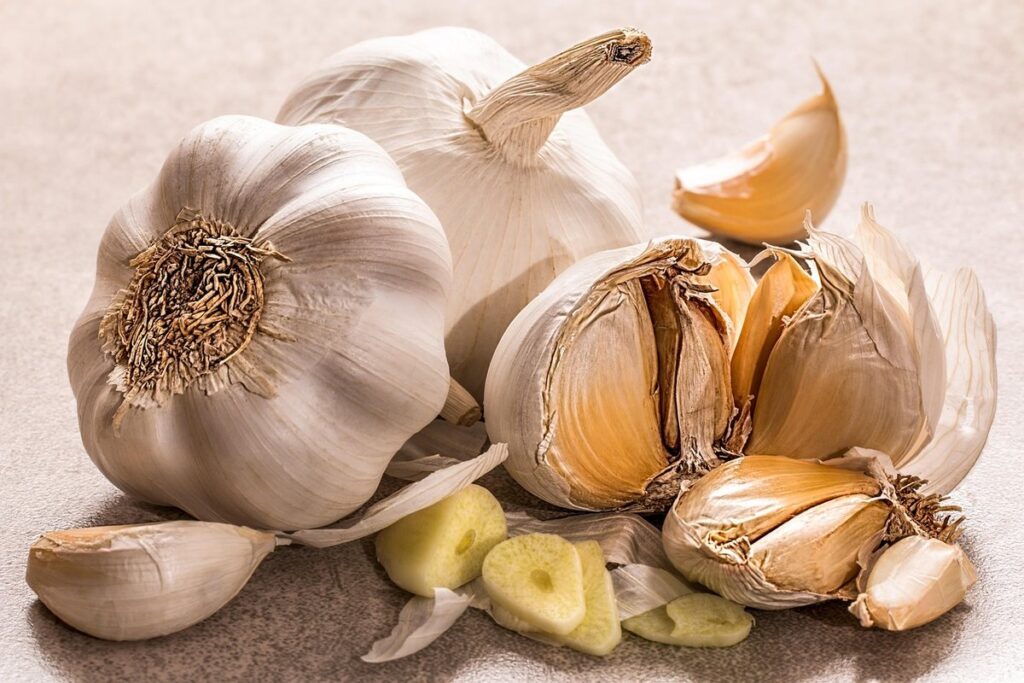
Understanding the Importance of Garlic Curing
Let’s dive into why garlic curing is crucial for preserving your hard-earned crop and bringing out its full flavor potential, shall we?
Benefits of Proper Garlic Storage
When you store garlic properly after curing, it can significantly extend its shelf life. This means that you won’t have to worry about it spoiling quickly and being unusable for cooking. Proper storage helps preserve the flavor of garlic as well. If you store garlic in a dry, cool place away from direct sunlight, the enzymes responsible for spoilage will be slowed down.
In fact, when stored properly, cured garlic can last for up to 6 months or even longer. To achieve this, make sure that your storage area is not humid and has good air circulation. You can store garlic in a paper bag, mesh bag, or a breathable container like a ceramic pot with holes.
It’s also worth noting that garlic will continue to lose its moisture when stored properly, which helps prevent the growth of mold and bacterial infections. By following these simple steps, you’ll be able to enjoy your cured garlic for an extended period while maintaining its flavor and quality.
Types of Garlic Suitable for Curing
When it comes to curing garlic, not all varieties are created equal. Some types of garlic are better suited for this process than others, and choosing the right one is crucial for achieving optimal results.
Soft-neck garlic is a popular choice for curing due to its soft, flexible neck that makes it easy to store. This variety also tends to have a higher moisture content, which helps to retain flavor and aroma during the curing process. Hard-neck garlic, on the other hand, has a harder, more rigid neck that can make storage more difficult. However, some hard-neck varieties are still suitable for curing, particularly those with a loose or soft center.
When selecting garlic for curing, look for bulbs with firm, compact cloves and a dry, papery skin. Avoid garlic with green shoots or sprouts, as these can indicate moisture content that’s too high for successful curing. By choosing the right type of garlic and following proper curing techniques, you’ll be rewarded with perfectly preserved cloves that will add depth and flavor to your recipes all year round.
Common Issues with Garlic Storage
When it comes to storing garlic after curing, many people make common mistakes that can affect its quality and shelf life. One of the most critical factors is temperature control. Garlic should be stored in a cool, dry place with temperatures between 40°F to 50°F (4°C to 10°C). Avoid storing garlic near heat sources or in attics, basements, or areas prone to moisture.
Proper humidity levels are also essential. Garlic should not be exposed to high humidity, which can cause mold and rot. Store garlic in a breathable container or bag that allows for air circulation, such as paper bags or mesh bags. Avoid plastic containers or zip-top bags, as they can trap moisture and lead to spoilage.
When storing large quantities of garlic, it’s crucial to maintain separate compartments or layers to prevent cross-contamination of moisture and odors. You can store individual bulbs in small paper bags or wrap them in parchment paper before placing them in a larger container. By paying attention to these details, you’ll be able to enjoy your cured garlic for several months without sacrificing its flavor and aroma.
Preparing Garlic for Curing
To get started, you’ll need to prepare your garlic correctly before curing, which involves trimming and cleaning the bulbs to prevent mold from forming during the process. Next, we’ll walk through each step in detail.
Harvesting and Cleaning the Garlic
Proper harvesting and cleaning of garlic bulbs is crucial for successful curing. When the tops of the plants start to yellow and fall over, it’s a sign that the bulbs are mature and ready to be harvested. Carefully dig around the plants with a fork, being mindful not to damage the bulbs. Gently lift them out of the ground, taking care not to break any of the cloves.
Next, brush off any excess soil from the bulbs using your fingers or a soft-bristled brush. This will prevent any dirt or debris from interfering with the curing process. If there are any visible roots or excess soil clinging to the necks of the bulbs, trim them off with scissors or a sharp knife. Be gentle when handling the bulbs to avoid bruising or damaging the delicate skin.
It’s also essential to remove any debris that may have accumulated on the surface of the bulbs during growth. Use a clean, dry cloth to wipe down each bulb, paying particular attention to the areas around the necks and any visible sprouts.
Drying and Dehydrating Methods
When it comes to drying and dehydrating garlic, there are several methods you can use to achieve optimal results. One of the most common methods is air-drying, where the garlic is simply left to dry in a well-ventilated area. This method is ideal for small batches or for those who prefer not to use any equipment.
To air-dry garlic, start by spreading out the cloves on a wire rack or paper towels, making sure they don’t overlap. Place the rack or towels in a warm, dry spot away from direct sunlight. It may take 1-2 weeks for the garlic to dry completely, depending on the humidity and temperature.
For larger batches or those who want more control over the drying process, you can use an oven or dehydrator. Oven-drying involves preheating your oven to its lowest temperature setting (usually around 150°F) and leaving the garlic cloves in it for several hours. This method is quick but requires close monitoring to prevent overcooking.
Dehydrator-drying is another popular option, as it allows you to control the temperature and humidity levels precisely. You can set the dehydrator to a low temperature (usually around 135°F) and let it run for 6-8 hours. Whatever method you choose, make sure to check on the garlic regularly to ensure it’s not too dry or too moist.
Preparing Garlic for Long-Term Storage
Before storing garlic for long-term preservation, it’s essential to properly cure the bulbs. This process involves allowing the garlic to dry and harden, which will help prevent moisture from accumulating and causing rot. To begin, place the cured bulbs in a warm, dry area with good air circulation.
This could be a temperature-controlled garage or a sunny windowsill. The ideal temperature for curing is between 60°F to 70°F (15°C to 21°C), as this will help speed up the drying process without causing damage to the cloves. Keep the bulbs away from direct sunlight, which can cause uneven drying and potential scorching.
Monitor the garlic’s progress regularly, checking on it every few days to ensure that it’s not developing any mold or mildew. After 1-2 weeks, the bulbs should be dry and hardy, with a papery skin covering the cloves. This is an indication that they’re ready for long-term storage in a cool, dark place.
Curing Techniques: A Step-by-Step Guide
To successfully cure garlic, you’ll need to follow a specific process that involves several key steps, carefully outlined below. This step-by-step guide will walk you through it all.
Air-Drying Method
Air-drying is one of the most natural and effective methods for curing garlic. This method involves allowing the garlic to dry slowly under controlled conditions of temperature and humidity. To achieve optimal results with air-drying, it’s essential to monitor the environment closely.
The ideal temperature range for air-drying garlic is between 45°F (7°C) and 55°F (13°C). Temperatures above this range can cause the garlic to sprout or develop off-flavors. Humidity levels should be maintained between 60% and 70%. If the humidity level drops below 50%, the garlic may become brittle.
When air-drying, it’s crucial to provide excellent air circulation around the garlic cloves. This can be achieved by placing them on a wire rack or tray, allowing for maximum airflow. To minimize moisture absorption from the surrounding environment, store the garlic in a dry, well-ventilated area away from direct sunlight. Regular monitoring of temperature and humidity levels will help you fine-tune the drying process to ensure optimal flavor and texture retention.
Oven Drying Method
When it comes to curing garlic using an oven, this method is one of the most popular and efficient techniques. To get started, preheat your oven to its lowest temperature setting, usually around 150-200°F (65-90°C). Spread the garlic cloves out in a single layer on a baking sheet lined with parchment paper, making sure they don’t touch each other.
Oven drying is an excellent way to prevent over-drying or under-drying of garlic. The low heat helps draw out moisture slowly and evenly, preserving the flavor and aroma. As a general rule, you can expect to dry 1-2 pounds (0.5-1 kg) of garlic at a time for about 6-8 hours. However, this may vary depending on your oven’s efficiency and the size of your garlic cloves.
Check on the garlic every few hours to ensure it’s drying uniformly. You’ll know it’s done when the cloves are dry and brittle to the touch but still retain their shape. Store them in airtight containers to preserve freshness for up to 6 months. With oven drying, you can achieve consistent results while minimizing the risk of spoilage or contamination.
Dehydrator-Drying Method
Using a dehydrator to cure garlic is a popular method among enthusiasts and professional growers alike. This technique offers several benefits, including faster drying times and the ability to maintain the natural flavor and nutrients of the garlic. Dehydrators work by circulating warm air around the garlic cloves, slowly removing moisture from the surface.
To use a dehydrator for curing garlic, start by preparing your garlic as you would for any other curing method – separate the cloves, trim any excess roots or stems, and remove any visible dirt or debris. Load the garlic onto the dehydrator trays in a single layer, being careful not to overcrowd the trays.
Dehydrate the garlic at 135°F (57°C) for 6-12 hours, depending on the desired level of dryness. You can check on the garlic’s progress by periodically opening the dehydrator door and inspecting the cloves. Once the garlic is dry and brittle, it’s ready to be stored in airtight containers for long-term preservation.
Keep in mind that using a dehydrator requires some experimentation to achieve optimal results, so don’t be discouraged if your first attempts yield inconsistent outcomes. With practice and patience, you’ll develop a sense of what works best for your specific garlic variety and climate conditions.
Storage Options: Choosing the Right Container
When it comes to storing your cured garlic, choosing the right container is crucial for preserving its flavor and aroma. We’ll explore the best options for keeping your garlic fresh.
Types of Containers Suitable for Garlic Storage
When it comes to storing cured garlic, the right container can make all the difference. You want something that will allow air to circulate and prevent moisture from building up, which can cause mold and spoilage.
One popular option is paper bags or wraps with small holes punched into them. These types of containers provide excellent airflow while keeping dust and other contaminants out. Simply place your cured garlic bulbs in the bag, fold it over a few times, and tie a string around the top to keep everything secure. This method is perfect for short-term storage.
For longer-term storage, consider using breathable mesh bags or cloth wraps. These materials allow air to pass through while keeping pests away. You can also use glass jars with lids, but make sure they have some ventilation holes drilled into them. Avoid using airtight containers or plastic bags, as these can trap moisture and cause your garlic to go bad quickly.
When choosing a container, consider the size of your garlic bulbs and how much space you have available for storage. A general rule of thumb is to store each bulb separately to prevent cross-contamination.
Important Considerations When Selecting a Container
When selecting a container for curing garlic, there are several key factors to consider. One of the most critical aspects is moisture control. Garlic needs a consistent level of humidity to prevent drying out, but excessive moisture can lead to mold and spoilage. Look for containers with built-in ventilation or those that allow for airflow, such as mesh bags or paper bags with holes.
Airtightness is also essential when it comes to storing garlic. A container that allows air to circulate will help maintain a consistent environment and prevent the buildup of ethylene gas, which can cause garlic to sprout. Consider using containers made from materials like plastic or metal, which are more resistant to moisture and pests than paper or cardboard.
When choosing a container, consider the size as well. A container that is too large may lead to uneven curing, while one that is too small may require frequent opening to release excess heat or moisture.
Monitoring and Maintaining Cured Garlic
Now that you’ve successfully cured your garlic, it’s essential to properly store and maintain it to preserve its flavor and longevity. This involves careful monitoring of temperature, humidity, and storage conditions.
Signs of Spoilage and How to Prevent It
When storing cured garlic, it’s essential to monitor its condition regularly to prevent spoilage. One of the most common signs of spoilage is a change in texture or color. If the cloves become soft, mushy, or develop an unappealing grayish tint, they’re likely past their prime.
Another indicator of spoilage is a strong, pungent odor that’s often accompanied by visible mold growth. Check your stored garlic regularly for any signs of fungal growth on the surface or within the cloves. If you notice even a hint of mold, it’s best to err on the side of caution and discard the affected bulbs.
To prevent spoilage from occurring in the first place, make sure to store cured garlic in a cool, dry area with good airflow. Avoid storing it near heat sources or direct sunlight, as this can cause the cloves to become overheated and more susceptible to decay. By being mindful of your storage conditions and regularly inspecting your stored garlic, you can help extend its shelf life and maintain its quality.
Checking for Quality and Flavor
As you store your cured garlic, it’s crucial to regularly check its quality and flavor. This involves more than just a visual inspection; it requires an understanding of the signs that indicate when the curing process has gone well, or where improvements are needed.
Start by gently squeezing the bulbs to check for any soft spots or mold growth. If you notice either, it’s likely due to inadequate drying or exposure to moisture. Check the flavor as well by slicing into a clove and tasting it. Cured garlic should be slightly sweet with a depth of flavor that’s developed over time.
To ensure consistent quality, schedule regular checks – ideally every 1-2 weeks during the first few months after curing. This allows you to address any issues promptly before they compromise the entire batch. For example, if you notice a decline in flavor or an increase in moisture levels, adjust your storage conditions accordingly by ensuring better airflow or reducing humidity.
Keep in mind that it’s not uncommon for cured garlic to undergo fluctuations in quality and flavor as it ages. However, with regular monitoring and adjustments, you can minimize these variations and enjoy consistently high-quality garlic throughout its shelf life.
Conclusion and Tips for Success
Now that you’ve mastered the art of garlic curing, it’s time to put your skills to the test. To ensure success, remember that patience is key – allow the garlic to dry slowly in a cool, well-ventilated area. Don’t be afraid to experiment with different techniques and recipes to find what works best for you. Consider investing in a food dehydrator or using a combination of sun drying and air circulation to speed up the process.
To avoid common mistakes, keep an eye on humidity levels and temperature fluctuations, which can cause mold or spoilage. Regularly check on your garlic bulbs during the curing process and be prepared to make adjustments as needed. With practice and attention to detail, you’ll soon be enjoying flavorful, long-lasting garlic that elevates any dish.
Frequently Asked Questions
Can I still use garlic that has started to sprout while curing?
Yes, but it’s essential to address the issue promptly. Simply trim any sprouts from the affected cloves and proceed with the curing process as usual. Keep a closer eye on the garlic for signs of spoilage, as sprouting can be an indicator of moisture or temperature fluctuations.
How do I know if my cured garlic has gone bad?
Check for visible mold, sliminess, or a strong off smell. If you notice any of these signs, it’s best to err on the side of caution and discard the affected cloves. Regularly inspect your stored garlic, especially after opening containers, to catch any potential issues early.
What’s the ideal temperature range for curing garlic?
The optimal temperature for curing garlic is between 60°F (15°C) and 70°F (21°C). Avoid storing garlic in areas with extreme temperatures, as this can affect its quality and longevity. A cool, dry place like a pantry or cupboard is an excellent location for curing garlic.
Can I use a dehydrator to cure garlic, or should I stick to air-drying?
While both methods are effective, using a dehydrator can be more efficient, especially for larger batches. Dehydrators typically provide consistent heat and airflow, which helps preserve the flavor and texture of the garlic. However, always follow the manufacturer’s guidelines and monitor the garlic closely to avoid over-processing.
How long does cured garlic typically last?
When stored properly in an airtight container, cured garlic can last for 6-12 months or even longer. Factors like storage conditions, handling, and personal preferences will influence its shelf life. Regularly check your stored garlic for signs of spoilage and take steps to maintain its quality throughout the year.