
The joy of gardening can quickly turn into frustration when pesky weeds start taking over your beautiful garden. Those unwanted plants can steal water, nutrients, and light from your desired blooms, making it essential to learn how to manage them effectively. In this comprehensive guide, we’ll walk you through the process of identifying common garden weeds, understanding their growth habits, and preventing them from spreading in the first place. We’ll also delve into physical removal methods, such as hand-pulling or using tools, as well as explore organic weed control techniques that are gentle on your soil and environment. By the end of this article, you’ll have a solid understanding of how to keep weeds under control, saving you time and effort in maintaining a thriving garden.
What Are Garden Weeds?
So, what exactly is a garden weed? In simple terms, it’s any unwanted plant that grows in your garden, competing with your desired plants for water, nutrients, and space.
Definition and Classification
Garden weeds are plants that grow where they’re not wanted, often competing with desired plants for water, nutrients, and light. They can be a nuisance, taking over gardens and landscapes if left unchecked. To understand garden weeds better, it’s essential to grasp their definition and classification.
Garden weeds fall into three main categories: annuals, perennials, and biennials. Annual weeds germinate, grow, produce seeds, and die within a year. They can be particularly troublesome as they often go unnoticed until they’ve already taken hold. Examples of annual weeds include crabgrass and purslane.
Perennial weeds, on the other hand, live for more than two years. These weeds have a deep root system that allows them to survive harsh weather conditions and come back year after year. Perennials can be even more challenging to eradicate due to their persistence. Dandelions are a common example of perennial weeds.
Biennial weeds take two years to complete their life cycle, growing vegetatively in the first year before producing flowers and seeds in the second. These weeds often have a dormant period between the two stages, making them harder to manage. Thistle is an example of a biennial weed.
Understanding these classifications can help you develop effective strategies for controlling garden weeds. By knowing which type of weed you’re dealing with, you can choose the best method for removal or prevention.
Characteristics of Common Weed Types
Garden weeds can be broadly categorized into several types based on their physical characteristics. For instance, annual weeds such as dandelions and clover have a distinct appearance that sets them apart from perennial weeds like thistle. Dandelions are recognizable by their bright yellow flowers and jagged leaves, often found growing in lawns, gardens, and meadows.
Clovers, on the other hand, have trifoliate leaves with pink or white flowers. They thrive in moist soil and can form dense mats that crowd out native vegetation. Thistle weeds, characterized by their prickly stems and purple flowers, tend to grow taller than most annual weeds, often reaching heights of over three feet.
Identifying common weed species is crucial for effective management strategies. By recognizing the physical characteristics of different weeds, gardeners can implement targeted control measures to prevent them from taking over their gardens. This may involve manual removal, chemical herbicides, or cultural practices like proper mowing and watering techniques.
Causes and Prevention of Weeds
Let’s explore the underlying reasons why weeds grow in your garden, and discover effective ways to prevent them from taking over. Understanding these factors will help you tackle weeds more efficiently.
Soil Conditions and Weed Growth
Soil conditions play a significant role in weed growth. One of the most critical factors is pH level. Most weeds thrive in slightly acidic to neutral soil, between 6.0 and 7.0 on the pH scale. For instance, crabgrass loves a pH range of 6.1 to 7.3. If your garden’s soil falls within this range, it can be challenging to control weed growth.
Nutrient content is another crucial aspect to consider. Weeds tend to outcompete crops for essential nutrients like nitrogen, phosphorus, and potassium. A soil test will help you determine its nutrient levels. Based on the results, you can amend your soil with organic matter like compost or manure. This not only improves the overall health of your garden but also discourages weeds from taking over.
To discourage weeds, focus on creating a balanced soil ecosystem. Maintain adequate moisture levels and ensure proper drainage to prevent waterlogged conditions that promote weed growth. Consider implementing crop rotation, where you grow different plants in the same spot each season, to break the weed cycle and improve soil fertility.
Poor Gardening Practices as a Contributing Factor
Poor gardening practices can inadvertently create an environment that fosters weed growth. One common mistake is inadequate mulching, which allows weeds to germinate and compete with desired plants for resources like water and nutrients. Mulch acts as a physical barrier, suppressing weed seeds from sprouting, but it needs to be reapplied regularly.
Watering habits also play a significant role in promoting weed growth. Overwatering can cause soil conditions that favor weed development, while underwatering can stress out the desired plants, making them more susceptible to weed competition. For example, if you’re using a sprinkler system, ensure it’s not creating waterlogged areas where weeds can thrive.
Inadequate care for garden beds, such as allowing debris and dead plant material to accumulate, can also contribute to weed growth. These conditions create an ideal environment for weeds to germinate and spread. Regular maintenance, including raking or mowing, can help prevent this situation.
Identifying Weeds in Your Garden
When it comes to tackling those unwanted plants, knowing which ones are weeds is crucial. This section will walk you through the key characteristics to look for when identifying garden weeds.
Visual Identification Techniques
When it comes to identifying weeds in your garden, knowing what to look for is crucial. One effective way to do this is by paying attention to their physical characteristics, particularly color, shape, and size. Start by taking a closer look at the weed’s leaves – are they broad or narrow? Do they have any distinctive patterns or markings?
Observe the stem as well; is it hairy or smooth? Are there any notable differences in texture between different parts of the plant? Color can also be a giveaway: some weeds have bright, vibrant hues that stand out against more subdued foliage. Think of dandelions with their yellow blooms or clover’s pinkish-white flowers.
Measurements can also be telling; for example, if you notice a weed growing to be much taller than the surrounding plants, it could indicate an invasive species like bindweed. On the other hand, smaller weeds might be more easily overlooked but are no less problematic – broad-leaved spurge is notorious for spreading quickly through lawns.
Take your time and observe each plant carefully; with practice, you’ll become more confident in your ability to identify common weed types based on their physical characteristics alone.
Tools for Weed Identification
Accurate weed identification is crucial to develop effective management strategies for your garden. Fortunately, there are various tools and resources available to help you achieve this. Field guides remain a popular choice among gardeners, offering detailed descriptions and photographs of common weeds. The National Audubon Society’s Field Guide to Weeds, for example, provides comprehensive information on over 500 invasive weed species.
Online databases also offer valuable resources for weed identification. Websites like the USDA’s PLANTS database or the Invasive Plant Atlas provide extensive lists of weeds by region, along with photos and descriptive characteristics. These tools are particularly useful when dealing with unfamiliar weeds or those that are difficult to identify in person.
Smartphone apps have revolutionized weed identification, offering instant access to information on-the-go. Apps like Weed Seeker or Garden Plan Pro enable you to search for weeds based on their appearance or location, providing detailed descriptions and photos to aid identification.
Controlling Weeds in Your Garden
Now that you know what garden weeds are and why they’re so problematic, let’s dive into how to effectively control them in your outdoor space. Effective weed management is key to maintaining a healthy garden.
Physical Removal Methods
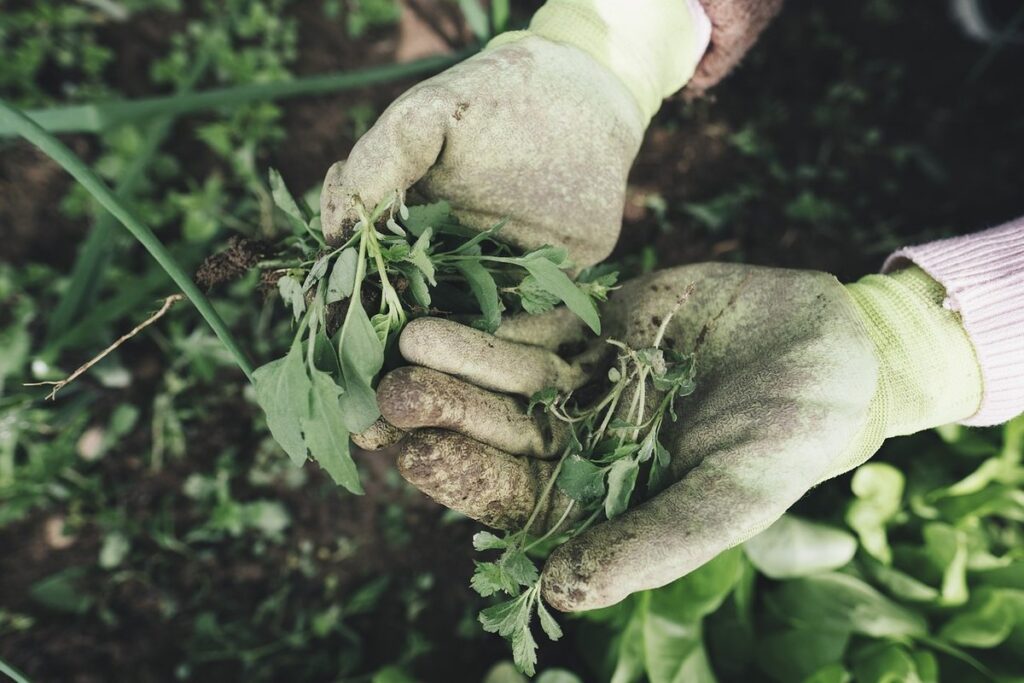
When it comes to controlling weeds in your garden, physical removal methods are often the most effective and eco-friendly approach. Manual removal involves pulling or digging up weeds by hand, which can be a time-consuming task but also provides an opportunity to inspect your soil and identify underlying issues that may be contributing to weed growth.
To do this effectively without spreading seeds further, make sure to grasp the weed at its base, rather than tugging on the stem. This will help prevent roots from breaking off and regrowing into new weeds. Wear gloves to protect your hands from thorns or prickles, and consider using a tool like a hoe or cultivator to loosen soil and make removal easier.
It’s also essential to remove as much of the root system as possible to prevent regrowth. For larger weeds, you may need to use a fork to gently pry out the roots without damaging surrounding plants. After removing the weed, dispose of it properly by either composting or bagging it, taking care not to spread seeds to other areas of your garden.
Chemical Control Options
Herbicides can be an effective way to control weeds in your garden, but it’s essential to use them responsibly. There are two primary types of herbicides: pre-emergent and post-emergent.
Pre-emergent herbicides work by preventing seeds from germinating in the first place. These products create a barrier on the soil surface that prevents weed seeds from sprouting. Examples include dyes, polysulfonates, and aluminum phosphide. However, it’s crucial to apply pre-emergent herbicides before weeds emerge, as their effectiveness decreases once plants are established.
Post-emergent herbicides, on the other hand, target existing weeds. These products can be applied directly to the foliage or soil around the weed. Some common types of post-emergent herbicides include glyphosate (Roundup) and glufosinate-ammonium.
Before using any herbicide, make sure to follow the label instructions carefully. Wear protective gear such as gloves, long sleeves, and eyewear to avoid skin contact and inhalation. It’s also essential to choose the right product for your specific weed type and garden conditions. Some herbicides can harm beneficial plants or contaminate soil and water sources if not applied correctly.
Organic Weed Control Methods
Let’s take a look at some effective organic weed control methods that are easy on your garden and the environment, from boiling water to mulching.
Mulching and Composting
Mulching and composting are two organic weed control methods that not only reduce weed growth but also improve soil health. Mulch acts as a barrier, preventing weeds from germinating by blocking light and water. Organic mulches like wood chips, bark, or straw can be applied to the surface of the soil. They should be at least 3-4 inches thick to be effective.
Composting is another excellent method for reducing weed growth. As compost breaks down, it adds nutrients to the soil, making it less conducive to weed growth. Compost tea, a liquid solution made by steeping compost in water, can also be used as a foliar spray to control weeds.
To implement mulching and composting effectively, start by removing any existing weeds from your garden bed. Then, apply a 2-3 inch layer of compost or well-rotted manure. Follow this with a 1-2 inch layer of mulch. Keep the mulch and compost moist but not waterlogged to promote their effectiveness.
Regularly replenishing the mulch and compost will maintain soil health and continue to suppress weeds over time. This approach is particularly beneficial for areas with poor soil quality or where chemical weed control methods are undesirable.
Companion Planting as a Deterrent
Companion planting is a simple yet effective organic weed control method that utilizes certain plants to naturally suppress weed growth through chemical or physical means. By strategically pairing specific plants together, you can create an environment that discourages weeds from growing. This method works by either repelling weeds with strong scents, attracting beneficial insects that prey on weeds, or outcompeting them for resources.
For example, marigold and nasturtium are known to repel nematodes and other pests that can harm plants, thereby reducing weed pressure. Basil, on the other hand, repels aphids and whiteflies, which often spread diseases to plants. By incorporating these companion plants into your garden, you can create a self-sustaining ecosystem where weeds struggle to thrive.
To implement this method, choose plants with different growth habits and requirements to maximize their effectiveness. For instance, pair tall-growing sunflowers with shorter herbs like thyme or oregano. This not only creates a visually appealing landscape but also reduces weed competition for space and resources. By leveraging the natural properties of certain plants, you can significantly reduce your reliance on chemical herbicides and create a more balanced garden ecosystem.
Seasonal Strategies for Weed Management
As a gardener, you’re likely aware that weeds can pop up at any time of year. To stay ahead of them, it’s essential to have seasonal strategies in place for effective weed management.
Preparing Your Garden for Spring
As we welcome spring, it’s essential to prepare our gardens for new growth and minimize weed germination. Preventing weeds from taking over is a crucial aspect of effective garden management. Before seeds begin to sprout, take the following steps to create an environment that discourages weed growth.
Remove any debris or dead plant material from your garden beds, as these can serve as habitats for weed seeds. Till the soil to loosen it and break up any compacted areas where weeds tend to thrive. Apply a 2-inch layer of organic mulch to suppress weed germination and retain moisture in the soil. This will also help regulate soil temperature, reducing the likelihood of weed seeds sprouting prematurely.
Don’t forget to inspect your garden for any winter-weakened plants that may be vulnerable to disease or pest infestations, which can inadvertently encourage weed growth. Regularly monitoring your garden’s condition and addressing potential issues promptly will set you up for success in maintaining a healthy and weed-free environment. By doing so, you’ll give yourself a solid foundation to tackle spring weeds as they arise.
Managing Weeds During Summer and Fall Months
Summer and fall are crucial periods to manage weeds effectively in your garden. During these seasons, weeds tend to grow rapidly due to favorable weather conditions. One of the most effective methods to control weeds during this time is by preventing seed dispersal.
Preventing seeds from dispersing can be achieved through mulching. Apply a thick layer of organic mulch around plants, keeping it at least 3-4 inches away from the base. Mulch suppresses weed growth by depriving them of light and reducing soil temperature. It also helps retain moisture in the soil, making it difficult for weeds to germinate.
Another strategy is to control weed growth through regular mowing or digging. Remove weeds before they produce seeds by hand-pulling or using a tool like a hoe or cultivator. Be sure to remove the entire root system to prevent regrowth.
Additionally, you can use natural herbicides like vinegar-based products or boiling water to kill existing weeds without harming your plants.
Conclusion: Long-Term Weed Control Strategies
In conclusion, understanding garden weeds is crucial for maintaining a healthy and thriving garden. To effectively manage weed growth, it’s essential to adopt long-term strategies that address the root causes of weed infestation. This includes mulching, composting, and adjusting your soil pH to make it less conducive to weed growth. By implementing these methods consistently, you’ll create an environment where weeds are less likely to germinate and grow.
Another key aspect of long-term weed control is regular maintenance. Set aside time each week to inspect your garden and remove any new weed sprouts before they have a chance to seed and spread. Consider using hand tools or low-toxicity herbicides, and always follow the product instructions carefully. With patience, persistence, and a little creativity, you can develop a weed-free garden that requires minimal upkeep over time.
Frequently Asked Questions
What if I accidentally spread weed seeds while removing weeds?
Be careful not to disturb the soil too much, as this can release weed seeds that were previously dormant. When removing weeds, consider using a tool like a weeding fork or a cultivator to gently lift and remove the weed without disturbing the surrounding soil.
Can I use the same methods for all types of weeds?
No, different weeds require specific approaches. For example, annual weeds can be effectively controlled through mulching and composting, while perennial weeds may need more aggressive methods like physical removal or chemical control. Understanding the type of weed you’re dealing with will help you choose the best approach.
How do I prevent weeds from growing in areas where I’ve already removed them?
Preventing weeds from regrowing requires a combination of techniques. Regularly mulching and composting can suppress weed growth, while companion planting can also deter certain types of weeds. Additionally, consider implementing seasonal strategies for weed management, such as preparing your garden for spring or managing weeds during summer and fall months.
Can I use homemade remedies to control weeds?
Yes, there are several homemade remedies that can help control weeds without harming the environment. For example, vinegar-based sprays can be effective against annual weeds, while boiling water can kill weeds by scalding them. However, always test these methods on a small area first to ensure they don’t harm your desired plants.
How do I identify weeds in my garden if I’m not familiar with their appearance?
Visual identification techniques are key here. Familiarize yourself with the characteristics of common weed types, including their growth habits, leaf shapes, and flowering patterns. Use tools like field guides or mobile apps to help you identify weeds, and don’t be afraid to ask for advice from experienced gardeners or experts in your area.