
When it comes to maintaining a healthy and thriving garden, there are many factors at play. But one often overlooked aspect is garden mulch – that humble layer of organic material we spread around our plants. Effective use of mulch can make all the difference in improving soil health, suppressing weeds, and even boosting plant growth. By choosing the right type of mulch for your needs and using it correctly, you can unlock a host of benefits for your garden. In this comprehensive guide, we’ll walk you through everything you need to know about garden mulch – from selecting the perfect type to applying it effectively. Whether you’re a seasoned gardener or just starting out, our expert tips will help you get the most out of your garden mulch and achieve the vibrant results you’ve been dreaming of.
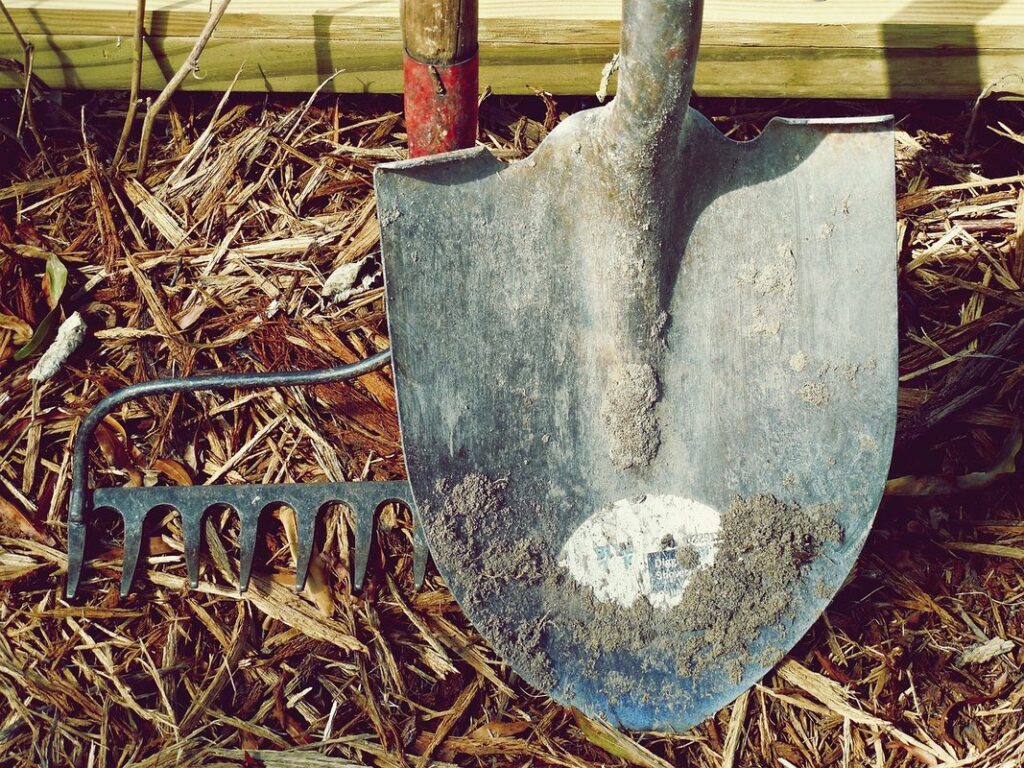
What is Garden Mulch and Why Do You Need It?
Garden mulch is a simple yet effective way to transform your outdoor space, but what exactly is it and why do you need it in the first place? Let’s start with the basics.
Benefits of Mulching for Your Garden
Mulching is a crucial aspect of garden maintenance that offers numerous benefits for your plants and soil. One of the primary advantages of mulching is its ability to regulate soil temperature. Mulch acts as an insulator, keeping the soil cool during hot summer months and warm during cold winter months. This temperature regulation helps prevent root damage and promotes healthy plant growth.
Mulch also plays a significant role in retaining moisture in the soil. By reducing evaporation, mulch allows plants to access water more efficiently, reducing the need for frequent watering. According to a study by the University of California, Davis, mulching can reduce water consumption by up to 50% in some cases.
Weeds are another common problem that mulch effectively addresses. By creating a barrier between weeds and your desired plants, mulch suppresses weed growth and prevents them from competing for resources like light and water.
In addition to these benefits, mulch also improves plant growth by providing essential nutrients as it breaks down over time. This process enriches the soil with organic matter, promoting healthy microbial activity and plant development. By incorporating mulch into your garden routine, you can enjoy a more efficient, low-maintenance garden that yields healthier plants and better harvests.
Choosing the Right Type of Mulch
When it comes to choosing the right type of mulch for your garden, you’re spoiled for choice. With so many options available, it can be overwhelming to decide which one is best for your needs. Let’s break down the main categories: organic, inorganic, and compost-based mulches.
Organic mulches are a popular choice due to their natural origin and environmental benefits. Wood chips, bark, and leaves are all great examples of organic mulch options. They’re biodegradable, improve soil health, and can even attract beneficial insects like bees and butterflies. However, they may need to be replenished regularly as they break down.
Inorganic mulches, on the other hand, offer durability and low maintenance. Plastic and gravel are two common types of inorganic mulch that can withstand harsh weather conditions. They’re also relatively inexpensive upfront, but keep in mind that they don’t provide any nutritional benefits for your plants. Additionally, some inorganic mulches can contribute to heat buildup in the soil.
Compost-based mulches are a more recent innovation and offer a unique blend of both organic and synthetic ingredients. These mulches not only retain moisture and suppress weeds but also provide nutrients as they break down. They’re an excellent choice for gardeners who want a low-maintenance solution with long-term benefits.
When selecting a type of mulch, consider your climate, soil type, and plant species. Also, think about the environmental impact and cost-effectiveness of each option. For instance, if you live in a dry region, organic mulches like straw or wood chips may be more suitable due to their moisture-retentive properties.
As a general rule, it’s essential to choose a mulch that complements your garden’s specific needs rather than following trends or recommendations from others. By understanding the unique characteristics of each type of mulch, you can make an informed decision and reap the benefits of this versatile gardening tool.
Types of Garden Mulch: Organic Options
When it comes to choosing organic mulch for your garden, you’ve got plenty of options to consider. From wood chips and bark to pine straw and leaves, let’s dive into some popular choices.
Wood Chips and Shavings
When it comes to organic garden mulch options, wood chips and shavings are two popular choices. One of the advantages of using wood chip or shaving mulch is its ease of availability – many landscapers and arborists offer them for free as a byproduct of tree trimming and pruning services. Additionally, wood mulch is generally cost-effective compared to other types of organic mulch.
However, there are some potential downsides to consider. Wood chips and shavings can be prone to weed growth, particularly if they’re not applied thickly enough or if the underlying soil isn’t well-prepared. This is because wood mulch can create a humid microclimate that’s conducive to weed germination. To minimize this risk, it’s essential to apply a 3-4 inch layer of wood chips or shavings and keep the area around plants weed-free through regular maintenance.
It’s also worth noting that some types of wood mulch may contain chemicals or preservatives that can leach into the soil over time. Look for untreated wood options whenever possible, and avoid using pressure-treated woods like cedar or cypress, which are often treated with chemicals that can harm plants.
Bark Mulch
Bark mulch is a popular choice among gardeners due to its numerous benefits. One of the primary advantages of using bark mulch is its ability to retain moisture in the soil. As bark breaks down, it releases organic matter that helps improve soil structure and fertility. This results in healthier plants that require less frequent watering.
Another benefit of bark mulch is its weed-suppressing properties. The thick layer of bark creates a barrier that prevents weeds from germinating and growing. This reduces the need for herbicides and manual weeding, making it an eco-friendly option.
However, there are some drawbacks to consider when using bark mulch. It can be expensive, especially if you’re looking for high-quality hardwood varieties. Additionally, bark mulch may not be suitable for all types of plants, as it can retain too much moisture in areas with poor drainage.
When using bark mulch, it’s essential to maintain a 2-3 inch layer around your plants to ensure optimal benefits. Regularly replenishing the mulch will help keep your garden looking its best while minimizing the risk of weed growth and soil erosion.
Types of Garden Mulch: Inorganic Options
When it comes to choosing a garden mulch, you might be surprised by the variety of inorganic options available that can add texture and beauty to your outdoor space. Let’s take a look at some of these alternatives.
Plastic Mulch
Plastic mulch has gained popularity in recent years due to its ability to retain moisture and suppress weeds. One of its primary advantages is that it can keep the soil consistently moist, reducing the need for frequent watering. This is particularly beneficial during hot summer months when plants require more water. Additionally, plastic mulch forms a physical barrier that prevents weeds from growing by blocking light and preventing seed germination.
However, there are concerns about the environmental impact of using plastic mulch. For instance, it can leach chemicals into the soil, potentially harming plants and microorganisms. Moreover, plastic mulch is made from non-renewable resources and contributes to the already overwhelming amount of plastic waste in our environment. It’s essential to weigh these pros and cons before deciding whether to use plastic mulch.
Some gardeners opt for biodegradable alternatives like corn or sugarcane-based plastic mulch, which decompose more quickly than traditional plastics. If you do choose to use regular plastic mulch, ensure it is placed at least 2-3 inches above the soil surface to minimize contact with plants and prevent any potential harm.
Gravel or Stone Mulch
When it comes to choosing a type of mulch for your garden, gravel or stone mulch is an excellent option. This inorganic material is perfect for areas with poor drainage or where you want to add visual interest. One of the main benefits of using gravel or stone mulch is its ability to improve drainage. Unlike organic mulches that can retain moisture and potentially lead to waterlogged soil, gravel or stone mulch allows water to pass through easily. This makes it ideal for areas with heavy rainfall or where water tends to collect.
Another advantage of gravel or stone mulch is its weed-suppressing properties. Since weeds need a layer of organic matter to germinate, the solid surface provided by gravel or stone mulch prevents them from taking hold. Plus, it’s low maintenance and doesn’t break down over time like other types of mulch do.
Gravel or stone mulch also adds visual appeal to your garden with its attractive texture and varying colors. Just be sure to spread a thin layer (about 2-3 inches) evenly across the ground to prevent any areas from becoming too crowded.
Compost-Based Garden Mulch
One of the most sustainable and eco-friendly options for garden mulch is compost-based, which we’ll explore next, including its benefits and how to make it effectively.
Benefits of Using Compost Mulch
Using compost mulch can have a transformative effect on your garden’s ecosystem. One of the most significant advantages is its ability to improve soil fertility. Compost-based mulch is rich in essential nutrients and microorganisms that help break down organic matter, making it available for plants to absorb. This leads to healthier roots, increased plant growth, and better resistance to diseases.
As compost mulch decomposes, it increases microbial activity in the soil. Microbes play a crucial role in soil health by facilitating nutrient uptake, regulating water cycles, and suppressing pathogens. A diverse microbe population also enhances the soil’s ability to retain moisture, reducing the need for frequent watering. This, in turn, saves you time, money, and resources.
To get the most out of compost mulch, apply a 2-3 inch layer around your plants, keeping it 6-8 inches away from stems. As it breaks down, replenish as needed to maintain its benefits. By incorporating compost-based mulch into your gardening routine, you’ll be creating a thriving ecosystem that supports plant growth and fosters a balanced soil environment.
How to Make Your Own Compost Mulch
To create your own compost mulch at home, start by selecting ingredients that are high in nitrogen and carbon. Aim for a mix of 2/3 “brown” materials like dried leaves, shredded newspaper, or straw, and 1/3 “green” materials such as fruit and vegetable scraps, grass clippings, or manure.
For example, you can combine 6 parts of dry leaves with 2 parts of food waste. Add a dash of water to the pile and let it sit for several weeks. The mixture will start to break down, releasing heat and creating a rich compost mulch.
When mixing your compost ingredients, aim for a consistency similar to wet soil. If the mix is too dry, add more green materials; if it’s too wet, add more brown materials.
To apply the compost mulch, spread a 2-3 inch layer around plants, keeping it 6 inches away from stems. This will help retain moisture and suppress weeds. Regularly replenish the mulch as it breaks down, maintaining an optimal depth to ensure maximum benefits.
Using Garden Mulch: Tips and Best Practices
Now that you know the benefits and types of garden mulch, let’s dive into some practical tips for using it effectively in your garden. Proper application techniques will make all the difference!
Applying the Right Amount of Mulch
When applying mulch to your garden, it’s essential to get the right amount. Too little and it won’t provide adequate protection; too much and it can suffocate your plants. The ideal mulch depth varies depending on soil type, plant size, and climate conditions.
For most gardens, a 2-3 inch layer of mulch is sufficient for young or small plants. However, if you’re using organic mulch like wood chips or bark, you may need to apply more – up to 4 inches – to achieve the same benefits. On the other hand, sandy soils can benefit from a slightly thicker layer of 3-4 inches.
Consider the climate in your area as well. If you live in an extremely hot or dry region, you may want to apply a thinner layer to prevent moisture buildup and reduce the risk of fungal diseases. In colder climates, a thicker layer can help insulate plants during winter months. Remember to maintain a consistent mulch depth by replenishing it every 2-3 years.
Mulching Around Plants: A Guide
When mulching around plants, it’s essential to strike the right balance between covering the soil and leaving enough space for growth. Over-mulching can suffocate plant roots, while under-mulching may not provide sufficient protection against weeds and moisture loss.
To create a healthy mulched border, start by applying a 2-3 inch layer of organic mulch around garden beds. Leave about an inch or two between the mulch and the base of plants to allow for air circulation and prevent waterlogged soil. This gap also makes it easier to inspect plant roots and address any potential issues.
For a visually appealing border, you can create a mulched strip by laying down a contrasting color of mulch around the edge of your garden beds. For example, if your bed features light-colored stones or gravel, consider using dark-colored wood chips or bark as a border. This adds visual interest and helps contain weeds from spreading into adjacent areas.
Maintenance and Replacement of Garden Mulch
To keep your garden mulch looking its best, it’s essential to know when to replenish or replace it, which we’ll cover in detail next. We’ll also share tips for regular maintenance tasks to extend its lifespan.
How Often to Replenish Mulch
When it comes to maintaining the effectiveness of your garden mulch, replenishing it at the right frequency is crucial. The lifespan of mulch depends on various factors such as weather conditions, plant growth, and the type of mulch used.
In general, you should replenish your mulch every 6-12 months, depending on how well it retains moisture and controls weeds. For example, organic mulches like wood chips or bark tend to break down faster than inorganic mulches like gravel or stone. If you notice your mulch has started to disintegrate, turn gray, or become uneven, it’s likely time for a replenishment.
To determine the right frequency for your garden, monitor its specific needs. For instance, if you live in an area with intense rainfall, you may need to replenish more frequently to prevent washing away of mulch. On the other hand, if you have a slow-growing plant species, less frequent replenishment might be suitable.
Keep in mind that over-mulching can be just as problematic as under-mulching, so strike a balance based on your garden’s unique characteristics and needs. Regularly inspecting your mulched areas will help you identify when it’s time for a replenishment.
Tips for Extending the Life of Your Mulch
To get the most out of your mulching efforts, it’s essential to extend its lifespan. A well-maintained layer of mulch can last anywhere from 6 months to a few years, depending on various factors.
Controlling weeds is one of the primary concerns when maintaining mulch. Regularly inspecting and weeding around mulched areas can prevent weed growth. You can also use landscape fabric or plastic sheeting as an additional barrier to suppress weeds from growing through.
To retain moisture in the soil, ensure the mulch layer is at least 2-3 inches deep. Avoid piling mulch against plant stems, as this can cause rot and disease. Instead, keep a thin layer of mulch around plants, allowing for air circulation and water penetration.
Pests like termites and carpenter ants are also a concern when it comes to mulched areas. Keep the mulch at least 6 inches away from structures, and consider using termite-resistant mulches or incorporating natural pest control methods like diatomaceous earth or cinnamon.
Regularly replenishing mulch can be done by simply topping up the existing layer with fresh mulch. This will help maintain its effectiveness in retaining moisture, suppressing weeds, and regulating soil temperature.
Frequently Asked Questions
Can I use the same type of mulch for all my plants?
No, not necessarily. Different plants have varying needs when it comes to mulching. For example, acid-loving plants like azaleas and rhododendrons require acidic mulch, while vegetables and herbs benefit from well-balanced or slightly alkaline mulch. Consider the specific needs of your plants before choosing a type of mulch.
How often should I replenish my garden mulch?
The frequency of replenishing mulch depends on several factors, including weather conditions, soil quality, and plant types. As a general rule, aim to replace one-third to half of the mulch every 1-2 years to maintain its effectiveness in regulating soil temperature and preventing weed growth.
Can I use compost-based garden mulch for all my gardening needs?
While compost-based garden mulch is an excellent option, it may not be suitable for all your gardening needs. For example, if you’re using compost mulch as a nitrogen-rich fertilizer, you might want to balance it with other mulch types that offer different benefits. Experiment with different combinations to find the perfect blend for your garden.
How do I prevent weeds from growing through my mulch?
To minimize weed growth through mulch, apply a 3-4 inch layer of mulch and ensure it’s evenly spread around plants. You can also use landscaping fabric or weed barrier as an additional layer beneath the mulch to suppress weeds. Regularly inspect your garden for signs of weeds and remove them promptly before they have a chance to germinate.
What’s the best way to maintain my garden mulch during extreme weather conditions?
Extreme weather conditions like heavy rainfall, droughts, or intense heat can impact the effectiveness of your mulch. To mitigate these effects, ensure your mulch is applied at the correct depth and evenly distributed around plants. During heavy rainfall, avoid compacting the mulch to prevent waterlogging. In areas prone to drought, consider using a moisture-retentive mulch like compost or wood chips.