
If you’re looking to add some fresh flavor to your cooking or want to boost your garden with a low-maintenance superfood, then look no further than the incredible fennel plant. With its crunchy bulbs and delicate aniseed flavor, fennel is a versatile ingredient that’s perfect for salads, soups, and even savory dishes. But beyond its culinary uses, this amazing plant also boasts a range of benefits for your health and wellbeing.
In our ultimate guide to growing and caring for fennel plants, we’ll show you how to get the most out of these incredible vegetables. From understanding their growth requirements to expert care tips and tricks, we’ve got everything you need to grow a thriving harvest in no time. Whether you’re an experienced gardener or just starting out, this article will cover it all – so keep reading to discover the ultimate secrets to growing perfect fennel plants!
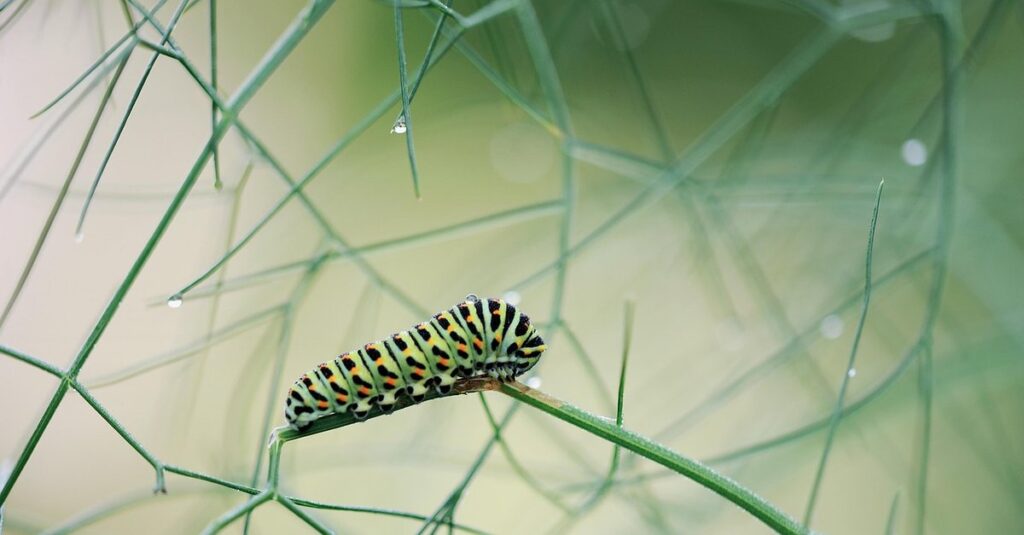
What is a Fennel Plant?
Fennel plants are actually perennial herbs that belong to the carrot family, characterized by their distinctive anise-flavored leaves and stems. Let’s dive deeper into what makes fennel unique.
Introduction to Fennel
Fennel is an incredibly versatile and fascinating plant that has been a staple in many cuisines for centuries. Its botanical name, Foeniculum vulgare, might not be familiar to everyone, but its unique characteristics and uses certainly are. Native to the Mediterranean region, fennel has been used for both culinary and medicinal purposes since ancient times.
Interestingly, fennel is a member of the carrot family (Apiaceae), which also includes parsley, dill, and celery. This connection might seem surprising at first, but it’s reflected in their similar growth habits and flavor profiles. Fennel’s distinctive anise or licorice-like aroma and taste are due to its high concentration of volatile oils.
One of the most notable features of fennel is its unique structure. It has a bulbous base with feathery leaves, which resemble those of dill. This characteristic makes it both visually appealing and easy to identify in gardens or markets. Whether you’re interested in growing your own fennel for cooking or exploring its medicinal properties, understanding its origins and characteristics will help you appreciate this incredible plant even more.
Types of Fennel Plants
When it comes to fennel plants, you’ll find that there are several types to choose from, each with its own unique characteristics and uses. One of the most popular varieties is sweet fennel (Foeniculum vulgare var. dulce), also known as Florence fennel. This type of fennel is grown for its edible bulb, which can be used in salads, soups, and as a side dish.
In contrast, bitter fennel (Foeniculum vulgare) has a more potent flavor and aroma than sweet fennel, making it ideal for cooking and herbal remedies. Bronze-leaved fennel (Foeniculum vulgare ‘Purpureum’) is another variety that’s prized for its attractive foliage, which adds a pop of color to any garden.
One key difference between these types of fennel is their growth habits. Sweet fennel tends to be more compact and bushy, while bitter fennel can grow quite tall. Bronze-leaved fennel falls somewhere in between, growing around 2-3 feet tall with a spread of about 1-2 feet.
When choosing which type of fennel plant to grow, consider the space you have available and how you plan to use it. Sweet fennel is a great choice for small gardens or containers, while bitter fennel can be grown in larger spaces. Bronze-leaved fennel is a versatile option that works well in both small and large gardens.
It’s worth noting that some nurseries and seed catalogs may also offer other varieties of fennel, such as ‘Zabel’ or ‘Tripod’. These plants are bred for specific traits like improved flavor, increased yield, or compact growth. If you’re new to growing fennel, it’s a good idea to start with one of the more popular varieties and see how it does in your garden before experimenting with other types.
By understanding the different types of fennel plants and their characteristics, you’ll be better equipped to choose the right variety for your needs. Whether you’re looking to add some fresh flavor to your cooking or create a beautiful display of foliage, there’s a type of fennel plant out there that’s sure to please.
Benefits of Growing a Fennel Plant
Growing your own fennel plant can bring a multitude of benefits, from culinary uses to potential health advantages. In this section, we’ll explore the advantages of cultivating fennel at home.
Culinary Uses
When it comes to using fennel in the kitchen, the possibilities are endless. One of the most popular ways to enjoy fennel is by adding it to salads. Thinly slice the bulb and toss it with mixed greens, cherry tomatoes, and a homemade vinaigrette for a light and refreshing summer salad.
Fennel also makes an excellent addition to soups and stews, particularly those inspired by traditional Mediterranean cuisine. Simply chop the fennel bulb and sauté it with garlic and olive oil before adding your favorite broth or stock. You can also use fennel seeds to add a subtle anise flavor to your cooking.
In Italian cuisine, fennel is often used in combination with seafood to create delicate and flavorful dishes. Try making a simple fennel and shrimp pasta by sautéing sliced fennel with garlic and cherry tomatoes before tossing it with cooked linguine and succulent shrimp.
To get the most out of your fennel plant, be sure to use both the bulb and the fronds in your cooking. The fronds can be used as a fragrant garnish or added to soups and stews for extra flavor.
Health Benefits
Growing a fennel plant is not only rewarding for your culinary endeavors but also offers numerous health benefits that can be reaped from its use. Fennel has been shown to possess antioxidant properties, which help protect the body against free radicals and oxidative stress. A study published in the Journal of Food Science found that fennel extract exhibited significant antioxidant activity, suggesting its potential as a natural preservative (1).
In addition to its antioxidant properties, fennel has long been used as a digestive aid due to its ability to ease bloating and cramps. The essential oil present in fennel seeds contains compounds like anethole and fenchone that have been shown to relax the muscles in the digestive tract, promoting healthy digestion (2). Fennel’s anti-inflammatory properties are also worth noting, with research suggesting it may help alleviate symptoms of conditions such as arthritis.
To incorporate fennel into your diet for its health benefits, try adding fresh fennel leaves or bulbs to salads, using fennel seeds in tea blends, or cooking with whole fennel plants. You can also use fennel essential oil topically or take it orally after consulting a healthcare professional.
Other Uses
Beyond its culinary uses, fennel has a multitude of other applications that make it an incredibly versatile herb. In the realm of herbal remedies, fennel is valued for its digestive properties and is often used to alleviate symptoms associated with irritable bowel syndrome (IBS), bloating, and gas. A soothing tea made from dried fennel seeds can be an effective natural remedy for these issues.
In addition to its medicinal uses, fennel has also gained popularity in the skincare industry due to its antiseptic and anti-inflammatory properties. Fennel extracts are often incorporated into face creams, serums, and masks to help reduce acne, soothe irritated skin, and even out skin tone. For example, a study published in the Journal of Cosmetic Dermatology found that fennel oil exhibited strong antibacterial activity against Propionibacterium acnes (P. acnes), the primary bacterium responsible for acne.
Fennel also has natural pest-repellent properties, making it an excellent addition to gardens and indoor spaces. Planting fennel alongside other crops can help deter aphids, spider mites, and other pests that can damage plants. To utilize fennel as a pest repellent, you can try mixing its essential oil with water and spraying the solution around your garden or on affected areas.
How to Grow a Fennel Plant
Growing fennel from seed can be a bit tricky, but don’t worry, we’ve got you covered with some simple tips and tricks to get your plant thriving. Learn how to sow seeds, provide optimal conditions, and avoid common mistakes.
Climate and Soil Requirements
When it comes to growing fennel plants, understanding their climate and soil requirements is crucial for optimal growth. Fennel prefers well-drained soil that is rich in organic matter, making compost or aged manure a great addition to the soil. Avoid planting fennel in low-lying areas where water may collect, as this can lead to root rot.
In terms of sunlight, fennel thrives in full sun to partial shade conditions. Aim for at least 6 hours of direct sunlight per day, but be mindful that intense heat can cause the plant to bolt (go to seed). If you live in a region with high temperatures, consider providing some afternoon shade to prevent scorching.
Fennel is also sensitive to temperature fluctuations, so it’s essential to choose a location with consistent temperatures between 65°F and 75°F (18°C and 24°C) during the growing season. Avoid planting fennel in areas with frost or extreme cold snaps, as this can damage the plant beyond repair.
When selecting a soil type for your fennel plants, look for a spot with a slightly acidic to neutral pH (around 6.0-7.0). This will help ensure that the nutrients are readily available for the plant to absorb.
Sowing and Germination
When sowing fennel seeds, it’s essential to choose a location that receives full sun and has well-draining soil. The ideal time for planting varies depending on your climate: in temperate regions, sow directly in the ground from late spring to early summer when the soil has warmed up to at least 60°F (15°C). In areas with frost, start fennel seeds indoors 4-6 weeks before the last frost date and then transplant them outside.
For optimal growth, plant fennel seeds about 1/4 inch deep and 1-2 inches apart. Sowing too closely together can lead to a taproot competition, causing stunted growth or even preventing the plants from bolting. Make sure to thin seedlings to 6-8 inches apart once they’ve reached 3-4 inches tall.
Germination typically takes 7-10 days after sowing. Keep the soil consistently moist during this period, but avoid overwatering, which can lead to rot and other issues. Common problems that may arise during germination include uneven moisture levels or inadequate light exposure. Be patient and ensure the growing conditions meet fennel’s basic requirements for healthy growth.
Care and Maintenance
To keep your fennel plant thriving, regular care and maintenance are essential. Watering is critical, as fennel plants require consistent moisture, especially when they’re producing bulbs. Aim to provide about 1 inch of water per week, either through rainfall or irrigation. However, make sure not to overwater, as this can lead to root rot.
Pruning is another crucial aspect of fennel care. Regularly trim off the top growth to encourage new shoots and prevent the plant from flowering too early. This will also help you control its height, which can reach up to 3 feet in ideal conditions. Fertilize your fennel plant with a balanced fertilizer once a month during the growing season.
Pest control is also vital for fennel plants. Common pests include aphids and whiteflies, which can be managed using neem oil or insecticidal soap. Regularly inspect your plant for signs of disease such as yellowing leaves or black spots on the stems, and treat promptly if necessary.
Propagation Methods
Fennel plants are relatively easy to propagate, and knowing how to do so will have you enjoying fresh homegrown fennel in no time. We’ll cover both division and seed propagation methods for optimal success.
Seeds vs. Division
When it comes to propagating fennel plants, you have two primary options: seeds and division. While both methods can be effective, they each have their own set of advantages and disadvantages.
Using seeds is a common method for starting fennel from scratch. This approach allows you to control the variety and ensure that your plant grows true to form. You can purchase high-quality seeds online or harvest them from mature plants in your garden. However, seed propagation requires patience as it takes several weeks for the seeds to germinate.
On the other hand, division involves separating established plants into smaller sections, which are then replanted to create new fennel plants. This method is ideal when you need to propagate a specific cultivar or want to increase your harvest yield quickly. Division can be done at any time of the year but is most successful during the spring and fall when the plant is dormant.
In general, division is a more reliable method for propagating fennel, especially if you’re working with mature plants that have already established themselves in your garden. However, seeds offer greater flexibility and allow you to start from scratch.
Cuttings and Layering
When it comes to propagating fennel, taking cuttings and layering are two alternative methods that can be effective. Taking cuttings involves cutting a stem from the mother plant and rooting it in water or soil. This method is relatively easy and can produce results within 1-2 weeks. The success rate of this method depends on various factors such as the time of year, temperature, and humidity.
Layering stems involves bending a long stem down to the ground and weighting it with a rock or soil. Roots will develop where the stem touches the ground, allowing you to cut the stem from the mother plant and replant it elsewhere. This method can be more challenging than taking cuttings but has a higher success rate, around 80-90%. When attempting layering, make sure to choose stems that are at least 6 inches long and have multiple nodes.
When using either of these methods, keep in mind that the fennel plant’s tendency to bolt may affect its ability to root. To increase chances of success, use fresh cuttings or stems from young plants, and ensure they receive sufficient light and water.
Troubleshooting Common Issues
Don’t worry, we’ve all been there – fennel plants can be finicky! This section tackles common problems and provides practical solutions to get your fennel growing strong.
Pests and Diseases
As you care for your fennel plant, it’s essential to be aware of common pests and diseases that can affect its health. Aphids are a primary concern, as they feed on the sap of the plant, causing curled or distorted leaves. These tiny insects can multiply quickly, so monitor your plants regularly and use neem oil or insecticidal soap to control infestations.
Slugs and snails can also damage fennel by feeding on its foliage at night. To prevent this, keep the area around your plant free of debris and moisture, as these pests thrive in humid environments. Hand-picking is an effective method for removing slugs and snails from your garden.
Another issue you may encounter is powdery mildew, a fungal disease characterized by a white, powdery coating on leaves. This can be prevented by providing good air circulation and ensuring the soil has adequate moisture. To control mildew, apply a fungicide specifically designed for powdery mildew or use a homemade solution of baking soda and water to treat affected areas.
Environmental Stressors
Fennel plants are surprisingly resilient, but even they can be impacted by environmental stressors. Heat, drought, and wind are just a few common issues that can hinder their growth.
Extreme heat can cause fennel to bolt, or go to seed too quickly, which can reduce its flavor and aroma. To mitigate this effect, ensure your plants receive at least 6 hours of dappled shade during the hottest part of the day. Mulching around the base of the plant will also help retain moisture in the soil.
Drought can have a similar effect on fennel as it does on other plants – it causes them to become weak and vulnerable to pests and diseases. To prevent this, water your fennel regularly, especially during periods of intense heat or drought. Aim for about 1 inch of water per week, either from rain or irrigation.
Wind can also be a problem for fennel, as it can cause the plants to dry out quickly and become susceptible to damage. If you live in an area prone to strong winds, consider planting your fennel in a sheltered location or using windbreaks such as burlap or snow fencing to protect them.
When it comes to mitigating these environmental stressors, prevention is key. Make sure to plant your fennel in well-draining soil and provide it with the right amount of sunlight and water from the start. By doing so, you’ll be able to enjoy a healthy, thriving fennel crop all season long.
Conclusion
Now that you’ve learned all about fennel plants, let’s summarize the key takeaways from our journey through their benefits, uses, and care.
Recap of Key Points
In conclusion to our comprehensive guide on fennel plants, let’s recap the key points discussed. We’ve seen that fennel boasts an impressive array of health benefits, from aiding digestion and reducing inflammation to providing a rich source of vitamins A and K. These benefits make it an excellent addition to salads, soups, and other dishes.
We also explored various uses for fennel plants, including its edible flowers, leaves, and seeds, as well as its potential applications in herbal medicine. To cultivate this versatile herb, we recommended a sunny location with well-draining soil and partial shade, alongside regular watering and fertilization.
For propagation methods, we covered seed starting, division, and layering techniques to ensure a successful harvest. Troubleshooting common issues, such as pests and diseases, can be achieved by implementing organic pest control measures and practicing good garden hygiene. By following these guidelines, you’ll be well-equipped to grow and care for your own fennel plants, unlocking their full potential in the kitchen and beyond.
Final Thoughts
As you’ve made it through this comprehensive guide to fennel plants, we hope you’re as excited as we are about the endless possibilities offered by these incredible herbs. Whether you’re a seasoned gardener or just starting out, growing your own fennel is easier than you think and can be a rewarding experience.
Don’t be afraid to experiment with different varieties of fennel, such as the Florence or bulb-forming types, which can add an extra layer of depth to salads and other dishes. You could also try growing fennel in containers on your balcony or patio, making it easy to keep fresh year-round.
As you explore the world of fennel, don’t limit yourself to just its culinary uses – it’s also a natural remedy for digestion issues and can be used as a diuretic. Consider using fennel seeds in teas or infusions to reap these benefits.
Remember, the most important thing is to have fun with your fennel plants! Try new recipes, experiment with different cooking methods, and enjoy the many perks that come with growing your own herbs. With a little creativity and experimentation, you’ll soon be a fennel expert and will be able to share your knowledge with friends and family.
Frequently Asked Questions
Can I grow fennel plants indoors, or is it strictly an outdoor crop?
Yes, you can grow fennel plants indoors, but they require a lot of sunlight to thrive. Place them in a sunny south-facing window or under grow lights, and maintain temperatures between 65-75°F (18-24°C). This will help simulate the warm Mediterranean climate that fennel loves.
How do I know when my fennel plant is ready for harvesting?
Check the bulb size and color. Fennel bulbs are typically ready to harvest when they reach 1-2 inches in diameter, with a light tan or yellow color at the top. Use a fork to gently loosen the soil around the bulb, then lift it out of the ground.
Can I use fennel seeds as a substitute for fresh leaves and stems?
No, fennel seeds have a different flavor profile and texture than fresh leaves and stems. While they can be used in cooking, especially in baking or making pickles, they won’t provide the same anise flavor that fresh fennel does.
How do I prevent pests like aphids and whiteflies from attacking my fennel plant?
To keep pests at bay, use neem oil or insecticidal soap to spray your plants regularly. You can also introduce beneficial insects like ladybugs or lacewings into your garden, which will feed on pest populations naturally.
Can I propagate fennel by cutting and layering, as with other herbs?
While you can try propagating fennel through cuttings and layering, the results may vary. Fennel is typically propagated more easily through seed division or direct sowing in spring or fall, when temperatures are cooler and rainfall is more consistent.