
Deadheading is often misunderstood as just a chore to remove spent blooms, but it’s so much more than that. By learning how to deadhead your plants effectively, you can unlock their full potential and enjoy stunning results in your garden or indoor space. Not only will this practice enhance the beauty of your plants, but it also encourages growth, promotes healthy development, and even helps prevent pest issues. In this article, we’ll delve into the art of deadheading and flower removal, separating fact from fiction along the way. You’ll learn expert techniques for removing flowers at the right time, debunk common misconceptions, and explore real-world case studies that demonstrate the impact of proper deadheading on plant health and appearance. Whether you’re a seasoned gardener or just starting out, this guide is designed to equip you with the knowledge and confidence to take your plant care to the next level.
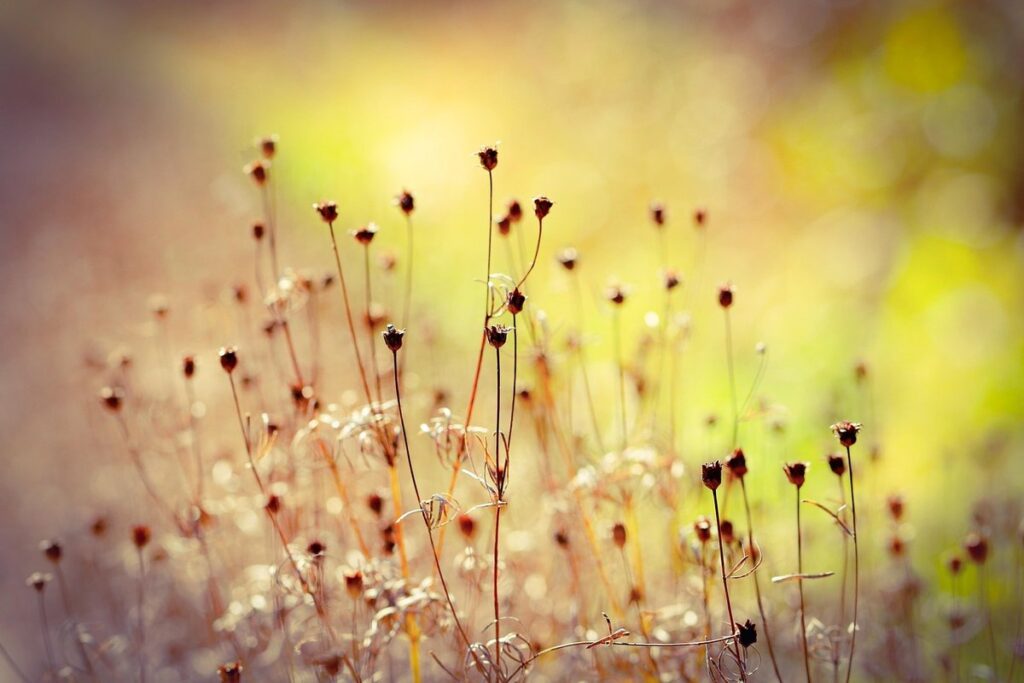
Understanding the Importance of Deadheading
Deadheading is more than just a gardening task, it’s a vital step in maintaining your plants’ health and encouraging beautiful blooms to come. Let’s dive into why it matters for plant enthusiasts like you.
What is Deadheading?
Deadheading is a simple yet crucial gardening technique that involves removing spent flowers from plants to promote healthy growth and enhance plant beauty. Its primary purpose is to encourage the plant to redirect its energy towards producing new blooms instead of seed production. By doing so, deadheading helps maintain the plant’s appearance, as it prevents seed pods from developing and taking over the plant’s appearance.
When you remove spent flowers, you’re essentially telling your plant that it doesn’t need to focus on reproducing at the moment. This signals the plant to channel its energy into producing new growth, such as leaves, stems, or even more flowers. As a result, deadheading can lead to an increase in flower production, which is especially beneficial for plants like roses, gerbera daisies, and marigolds that produce multiple blooms throughout their growing season.
To practice effective deadheading, simply snip off the faded flowers at the base of the stem using a pair of clean scissors or pruning shears. This will help your plant redirect its energy towards producing new growth, resulting in a more vibrant and healthy appearance.
Benefits of Regular Deadheading
Regular deadheading is an essential practice for gardeners to reap numerous benefits. By removing spent flowers from plants, you can significantly enhance their appearance and encourage more blooms. One of the most noticeable advantages of regular deadheading is its ability to promote a continuous display of flowers. This process signals to the plant that it should focus its energy on producing new growth, rather than expending resources on seed production.
In addition to improved appearance, regular deadheading also leads to increased blooms. By removing old flowers, you allow your plants to channel their energy towards creating more buds and blossoms. For example, petunias, which are notorious for shedding their old flowers, will continue to bloom profusely if regularly deadheaded. This practice can be particularly beneficial for annuals and perennials that tend to fade quickly.
Moreover, regular deadheading has a profound impact on plant growth. By removing spent flowers, you reduce the risk of seed production, which can weaken plants in subsequent seasons.
How to Identify Plants that Need Deadheading
To identify plants that need regular deadheading, look for visual cues such as spent blooms, wilting stems, and seed pods. Plants like marigolds, zinnias, and cosmos are notorious for producing large quantities of flowers that require frequent removal to encourage continued blooming.
For flowering shrubs and perennials, inspect the plant’s growth habit and foliage. Bushy plants with a dense growth pattern, such as hydrangeas and rhododendrons, often benefit from regular deadheading to maintain shape and promote new blooms. On the other hand, plants like roses and peonies tend to produce fewer flowers but require more frequent removal of individual blooms to encourage repeat flowering.
Keep in mind that some plants, like sunflowers and dahlias, are designed to produce seed heads and may not benefit from deadheading. However, even these plants can be pruned back after blooming to maintain shape and promote new growth. To determine the best approach for your plant, observe its natural growth patterns and adjust your pruning schedule accordingly. Regular observation and maintenance will help you develop a routine that keeps your garden looking its best throughout the growing season.
Techniques for Effective Deadheading
To make the most of deadheading, let’s dive into some practical techniques that will help you remove spent blooms and encourage your plants to produce even more beautiful flowers.
Hand-Pulling vs. Cutting: Choosing the Right Method
When it comes to deadheading, you have two primary methods at your disposal: hand-pulling and cutting. While both techniques are effective, they cater to different types of blooms and may require more finesse than others.
For delicate or immature blooms, hand-pulling is often the preferred method. This approach allows for a gentler removal of spent flowers, reducing the risk of damage to the stem or surrounding foliage. To hand-pull effectively, simply grasp the flower at its base, working your fingers around it to loosen any remaining petals. Gently twist and pull the bloom away from the plant, taking care not to disturb the delicate roots.
Cutting, on the other hand, is ideal for mature blooms that are beginning to fade. Using a sharp pair of scissors or pruning shears, snip off the spent flower just above a node (where the petal meets the stem). This helps promote new growth and encourages the plant to redirect its energy towards producing more blooms.
Consider your plant’s specific needs and bloom type when choosing between hand-pulling and cutting.
Timing is Everything: When to Deadhead Your Plants
Deadheading at the right time is crucial for maintaining your plants’ health and appearance. When deciding when to deadhead, consider the plant’s growth stage and environmental conditions.
In general, it’s best to deadhead plants that are actively producing new blooms or have a high flower count. This typically occurs during the peak growing season, usually spring and summer months. Deadheading at this time encourages the plant to focus its energy on producing more flowers rather than seeds.
However, if your plant is already in a stage of dormancy or has completed its blooming cycle, it’s best to hold off on deadheading until new growth appears. This prevents the plant from redirecting its energy towards seed production, which can weaken its overall health.
Additionally, be mindful of weather conditions and temperature fluctuations when deadheading. Avoid pruning during extreme heat or cold snaps, as this can cause stress to the plant. Wait for more favorable temperatures before proceeding with deadheading.
Tips for Minimizing Damage During Deadheading
When performing deadheading, it’s essential to handle stems, leaves, and other delicate parts with care to minimize damage. To begin, make sure the tool of choice is clean and sharp – a dull knife or pruning shears can tear stems and cause further stress to the plant.
Hold the stem at an angle, making a 45-degree cut just above a node (where a leaf meets the stem). This helps direct energy towards new growth. When handling leaves, gently twist and remove them from the stem rather than pulling them off, which can cause damage or even break the stem entirely.
When dealing with delicate flowers like roses or peonies, use finger pruning to carefully snip off spent blooms at their base. Take care not to crush the surrounding tissue as you handle the flower head. Remember that some plants, such as those in the succulent family, have sensitive leaves and stems – so be extra cautious when handling them.
It’s also crucial to inspect the plant after deadheading for any signs of pests or disease, taking prompt action if necessary. By being mindful of these details, you’ll minimize damage during the process and help promote healthy growth and blooming throughout the season.
Removing Flowers: A Guide to Successful Pruning
When it comes to pruning, understanding how and when to remove flowers is crucial for maintaining your plant’s health and appearance. This process helps promote new blooms and encourages growth.
When to Remove Flowers Entirely
Removing flowers entirely is not always about cutting them off completely. It’s essential to consider the plant’s health, growth patterns, and maintenance goals before making a decision. If you notice that a particular bloom has finished its cycle or is past its prime, it might be best to remove it in its entirety.
For instance, if your plant is producing seed heads, removing them will prevent the plant from expending energy on seed production and direct more resources towards growth. However, be cautious not to cut too far back, as this can stress the plant further. For example, some perennials like daylilies produce offsets or new plants from their roots. Removing the flowers entirely might encourage these offsets to grow and multiply.
On the other hand, if your plant is a hybrid or has been bred for its specific bloom characteristics, removing the flowers entirely could compromise its growth potential. In such cases, it’s better to deadhead selectively, allowing some flowers to seed naturally while removing others that have finished blooming. Ultimately, the decision to remove flowers entirely depends on your maintenance goals and understanding of the plant’s needs.
How to Remove Individual Blooms Without Damaging the Plant
When you only want to remove individual blooms from your plant without harming it, follow these steps: Start by gently grasping the stem of the bloom between your thumb and index finger. Next, twist the bloom counterclockwise until it comes off easily. Be careful not to pull too hard on the stem, as this can cause damage to the surrounding tissue or even the entire plant.
If the bloom is particularly stubborn, you may need to cut the stem with a pair of clean pruning scissors. Make sure to trim just above a node – where a leaf meets the stem – as this will encourage new growth and prevent the plant from becoming leggy. It’s also essential to remove any dead or dying flowers to maintain your plant’s appearance and promote healthy growth.
When removing individual blooms, always prioritize the overall health of your plant. If you’re unsure about how to proceed or if a bloom is too close to the center of the plant, consider consulting with a gardening expert or doing further research on specific pruning techniques for your particular plant species.
Pruning Shears vs. Scissors: Choosing the Right Tool
When it comes to removing flowers from plants, having the right tool can make all the difference. You’re likely to have two options: pruning shears and scissors. Both tools are effective for flower removal, but they serve different purposes and offer distinct advantages.
Pruning shears, also known as secateurs, are ideal for cutting thicker stems up to 1 inch in diameter. They’re designed with a curved or angled blade that allows for precise cutting close to the base of the stem. Pruning shears are perfect for removing spent flowers on shrubs, perennials, and small tree branches.
Scissors, on the other hand, are better suited for snipping smaller stems and delicate flower stalks. They’re often used for deadheading annuals, seedlings, or plants with long, thin stems. However, they can be less effective for thicker stems, as they may not cut cleanly.
When choosing between pruning shears and scissors, consider the size of your plant’s stems and the level of precision you need. If you’re working with larger stems, pruning shears are likely a better option. For smaller stems or delicate flowers, scissors might be more suitable.
Common Misconceptions About Deadheading and Flower Removal
Many gardeners have misconceptions about when and how to deadhead, which can actually hinder plant growth instead of encouraging it. Let’s clear up some common mistakes right now.
Debunking Myths About Deadheading Frequency
When it comes to deadheading frequency, there are several myths that can lead gardeners astray. One of the most common misconceptions is that plants need to be deadheaded constantly to keep them looking their best. In reality, the frequency of deadheading depends on the plant’s growth rate and bloom cycle.
For example, flowering annuals like petunias and marigolds require more frequent deadheading (every 7-10 days) because they produce a high volume of blooms throughout their growing season. On the other hand, perennials like roses and peonies can be deadheaded less frequently (every 2-3 weeks), as they produce fewer but larger blooms.
Research has shown that over-deadheading can actually do more harm than good, leading to a decrease in flower production and even plant stress. A study by the National Gardening Association found that plants deadheaded too frequently experienced a significant reduction in flower yield compared to those left unpruned. By following evidence-based best practices and observing your plant’s specific needs, you can strike the right balance between keeping your garden looking its best and promoting healthy growth.
Separating Fact from Fiction: The Impact of Deadheading on Plant Growth
When it comes to deadheading, many gardeners wonder if this process truly affects plant growth. Let’s separate fact from fiction and explore both short-term and long-term effects.
In the short term, deadheading can appear to have a negative impact on plant growth. By removing spent flowers, you may think that you’re reducing the plant’s energy reserves. However, this couldn’t be further from the truth. Deadheading encourages the plant to focus its energy on producing new blooms rather than seed production. In fact, studies have shown that plants can allocate up to 50% of their energy towards producing seeds if allowed to go to seed.
In the long term, regular deadheading promotes healthy growth and encourages the plant to produce more flowers. This is because deadheading removes the source of stress caused by spent blooms, allowing the plant to channel its resources into developing a robust root system and producing new foliage. By removing dead flowers regularly, you’re essentially giving your plants a “haircut” – promoting even growth, preventing legginess, and encouraging bushy shapes.
Setting Realistic Expectations for Your Plants’ Appearance
When it comes to deadheading and removing flowers from your plants, many gardeners expect an instant transformation. They envision lush green foliage and a profusion of new blooms. However, the reality is that this process can take time. Setting realistic expectations is crucial to avoid disappointment and ensure you’re getting the most out of your plant’s potential.
Firstly, it’s essential to understand that deadheading doesn’t mean removing every single flower from your plant at once. This would shock the plant and potentially cause stress, leading to a decrease in growth and blooms. Instead, focus on removing spent flowers as they wilt or drop off naturally. This process should be done regularly, ideally after each blooming cycle.
Be patient and give your plants time to adjust. It may take several weeks for them to recover from the initial pruning and start producing new growth. Don’t expect an overnight miracle – it’s a gradual process that requires gentle care and attention. By being realistic about what you can achieve through regular deadheading and flower removal, you’ll be more likely to enjoy the rewards of a healthy, thriving garden.
Case Studies: Successful Deadheading and Flower Removal Strategies
Let’s take a look at some real-world examples of successful deadheading and flower removal strategies that have boosted plant beauty and encouraged growth in gardens just like yours.
Real-World Examples of Effective Deadheading Techniques
In professional horticulture settings, deadheading techniques are used to maintain the appearance of plants and encourage continuous blooming. For instance, the Chelsea Flower Show features elaborate displays of professionally deadheaded flowers, showcasing the technique’s ability to extend blooming periods. Similarly, in home gardening, successful examples can be seen in the use of deadheading shears to tidy up spent blooms on roses and other perennials.
Consider a simple yet effective example: removing wilted daffodil blooms after they’ve finished flowering. This allows the plant to conserve energy for future growth and promotes new bulb development. In contrast, neglecting deadheading can lead to seed production, which may result in fewer blooms in subsequent years.
Other examples include using garden scissors to trim back spent daylily blooms or carefully pinching off spent flowers on peonies to encourage bushy growth. By adopting these techniques, gardeners can enhance plant appearance and promote healthy growth throughout the growing season.
The Impact of Regular Deadheading on Plant Health and Appearance
Regular deadheading has been proven to have a profound impact on plant health and appearance. By removing spent flowers, you can encourage plants to redirect their energy towards producing new growth, rather than expending resources on seed production.
In one notable case study, gardeners at a botanical garden found that regular deadheading increased flower production by 300% in just six weeks. This was achieved through the removal of spent flowers and seed pods, allowing the plant to focus its energy on developing new blooms. Similarly, a study published in the Journal of Horticultural Science showed that deadheading improved leaf density and overall plant appearance in a variety of annuals.
To see similar results, make it a habit to inspect your plants regularly and remove any spent flowers or seed pods as soon as they appear. This simple practice can work wonders for promoting healthy growth and encouraging repeat blooming. By doing so, you’ll be rewarded with more vibrant colors and a more robust plant appearance over time.
Tips for Scaling Up Your Deadheading and Flower Removal Routine
As you expand your plant collection, it’s essential to adapt your deadheading and flower removal routine to maintain efficiency and effectiveness. One key strategy is to group plants with similar needs together, making it easier to tackle tasks like regular pruning and cleanup.
Create a schedule that aligns with the growth cycle of each plant species. For example, flowering annuals like marigolds and zinnias require more frequent deadheading, while perennials like roses and peonies can be done less often. Consider investing in ergonomic gardening tools, such as long-handled pruning shears or a flower-removing tool, to reduce strain and increase productivity.
When removing spent flowers, take the opportunity to inspect the plant for any signs of pests or disease. This proactive approach can prevent issues from escalating and save time in the long run. Additionally, make sure to dispose of removed flowers properly by composting them or adding them to your garden waste collection.
Frequently Asked Questions
Can I deadhead plants that are still producing a lot of blooms?
Yes, deadheading can be done on plants with plenty of new growth and blooming flowers. In fact, it’s essential to continue deadheading throughout the growing season to encourage continuous blooming and prevent seed production. Simply remove spent flowers at their base, taking care not to damage nearby buds or leaves.
How often should I check my plants for deadheading?
Check your plants regularly, ideally once a week during peak bloom periods. This will help you catch any spent blooms before they go to seed, ensuring your plants continue to focus energy on producing new flowers. Adjust this frequency based on individual plant needs and growth rates.
Can deadheading affect the plant’s root system?
No, deadheading itself won’t harm a plant’s root system if done correctly. However, improper removal of stems or leaves can damage roots over time. To avoid this, use clean, sharp pruning shears to cut at a 45-degree angle just above a node (where a leaf meets the stem), and make sure not to damage nearby foliage.
What happens if I miss a week or two of deadheading?
Missing a week or two of deadheading won’t cause catastrophic harm, but it can lead to an increase in seed production, which may compromise your plant’s blooming performance. Simply get back on schedule with regular deadheading to restore the balance and encourage new blooms.
Can I use scissors for deadheading instead of pruning shears?
While not ideal, you can use scissors as a last resort or when working with delicate stems. However, pruning shears are generally more precise and effective for most deadheading tasks. For best results, invest in good-quality pruning shears specifically designed for gardening, which will make the process easier and more efficient.
What if I accidentally damage some leaves while deadheading?
Minor leaf damage from deadheading is usually not a cause for concern. Remove any damaged or discolored leaves to prevent further issues, but otherwise, most plants can recover from minor damage. For larger, more significant damage, consider consulting with a local nursery expert for advice on how to best repair the plant.
Can I combine other pruning tasks with deadheading?
Yes, combining other pruning tasks with deadheading is perfectly fine and can even be beneficial. This approach allows you to make the most of your time in the garden while maintaining healthy plants. Just prioritize any necessary cuts or removals according to their urgency and importance for plant health.