
Are you ready to unlock the secrets of the stunning croton leaf? Not only is this plant a beautiful addition to any room, but it also boasts an impressive array of health benefits and low-maintenance requirements. Whether you’re a seasoned green thumb or just starting out on your plant parenthood journey, the croton leaf is definitely worth getting to know.
With its vibrant leaves and effortless care, it’s no wonder the croton leaf has become a favorite among indoor gardeners. But did you know that this plant also offers numerous benefits for air quality and mental well-being? From purifying the air we breathe to providing a calming presence in our living spaces, the croton leaf is more than just a pretty face. In this ultimate guide, we’ll dive into the top benefits of croton leaves, provide expert care tips, and explore the exciting varieties that are sure to captivate even the most discerning plant enthusiast.
Introduction to Croton Leaf
Welcome to our in-depth look at croton leaves, where we’ll explore their unique characteristics and benefits for your home decor. Let’s start by getting familiar with what makes these leaves so special.
What is a Croton Leaf?
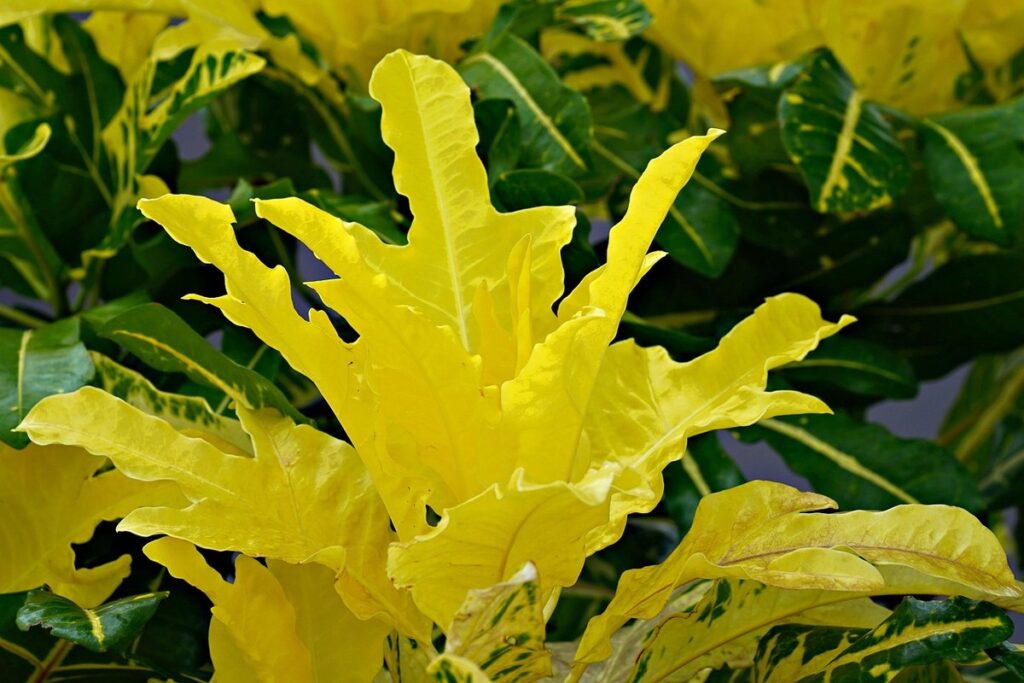
A croton leaf is one of the most recognizable and striking elements of the Croton plant (Codiaeum variegatum). Native to Southeast Asia and Australia, this versatile leaf has been a staple in interior design for decades. Its unique shape, vibrant colors, and intricate patterns have made it a favorite among houseplant enthusiasts.
The croton leaf is more than just a decorative piece – it’s also an integral part of the plant’s overall structure. Typically oval-shaped with pointed tips, these leaves can grow up to 12 inches long and 6 inches wide. The variegated pattern on each leaf features shades of green, yellow, orange, and even pink, making every one unique.
When choosing a Croton plant for your space, consider the shape and size of the room as well as your personal style. A single statement piece or a cluster of plants can add visual interest to any area. To care for your croton leaf, ensure it receives bright indirect light and maintain temperatures between 65-75°F (18-24°C). With proper care, these beautiful leaves will thrive and continue to captivate with their dynamic colors and patterns.
History and Popularity of Croton Leaf
The history of croton leaves as ornamental plants dates back to ancient civilizations. In Southeast Asia and India, crotons were highly valued for their vibrant foliage, and they were often used in traditional medicine, decorative arrangements, and even as a symbol of wealth. As global trade increased, croton leaves became popular among European colonizers who brought them back to their countries as exotic treasures.
Today, croton leaves have experienced a resurgence in popularity, particularly among plant enthusiasts. They are prized for their striking, multicolored leaves that add a pop of color and texture to any room. With over 250 species to choose from, there’s a croton leaf variety to suit every style and preference. Many people find them an attractive alternative to traditional houseplants due to their low-maintenance requirements and adaptability to different environments.
One reason for the croton leaf’s enduring appeal lies in its versatility. From indoor spaces to outdoor containers, these plants thrive in a range of settings. Whether you’re a seasoned horticulturist or a beginner, the croton leaf is an excellent choice for anyone looking to add some visual interest and personality to their space.
Benefits of Having a Croton Leaf
Adding a croton leaf to your space can bring more than just aesthetics, it also offers a range of benefits that enhance your well-being and interior design. Let’s explore these advantages further!
Air Purification and Health Benefits
When you bring a croton leaf into your home or office, it’s not just for aesthetic purposes. These beautiful plants are also working hard to purify the air around you, making them an excellent addition to any indoor space.
Croton leaves have been shown to remove pollutants and toxins from the air through a process called phytoremediation. This means that they can absorb and break down harmful substances like benzene, formaldehyde, and trichloroethylene – all common culprits in poor indoor air quality. By removing these toxins, croton leaves help create a healthier environment for you to breathe.
But the benefits of having croton leaves don’t stop there. Studies have also suggested that being around plants like crotons can reduce stress levels, boost mood, and even lower blood pressure. With their vibrant colors and unique shapes, it’s no wonder these plants are known to bring a touch of joy to any room. By incorporating a few croton leaves into your decor, you’ll not only be purifying the air but also creating a more peaceful and uplifting atmosphere.
Aesthetic Appeal and Decoration
The unique and striking appearance of croton leaves is one of their most captivating features. With over 600 species to choose from, you’re sure to find a variety that adds a pop of color and texture to any space. Their vibrant hues range from deep reds and purples to bright yellows and greens, making them an excellent choice for adding visual interest to a room.
When it comes to decorating with croton leaves, the possibilities are endless. You can use them as a statement piece by placing a single, show-stopping specimen on a console table or mantel. Alternatively, group multiple plants together in a decorative bowl or planter to create a stunning centerpiece for your dining table. To take your decor to the next level, consider combining croton leaves with other eye-catching elements like woven baskets or colorful vases.
In terms of practicality, croton leaves are relatively low-maintenance, making them an excellent choice for busy homeowners. They prefer well-draining soil and moderate watering, but can thrive in a variety of lighting conditions. With proper care, these stunning plants can add beauty and character to your space for months to come.
Care and Maintenance of Croton Leaf
To keep your croton leaf looking its best, it’s essential to follow a regular care routine that includes watering, pruning, and providing optimal growing conditions. Let’s dive into these crucial maintenance tips!
Lighting Requirements
When it comes to providing the right lighting conditions for your croton leaves, there are several factors to consider. While crotons can thrive in a range of light environments, they generally prefer bright, indirect light.
Direct sunlight is not ideal for croton leaves, especially during peak hours when the sun’s rays can be intense. Prolonged exposure to direct sunlight can cause scorching and discoloration on the leaves. Instead, place your croton near an east- or west-facing window, where it can receive gentle, indirect light throughout the day.
If you don’t have a sunny windowsill available, you can also consider using grow lights to supplement the natural light in your space. Just be sure to position the grow lights at least 12 inches away from the leaves to prevent overheating and burning.
In general, most croton varieties require at least 4-6 hours of direct or indirect sunlight per day. However, some species like ‘Petra’ and ‘Mammy’ can tolerate lower light conditions and may even do well in partial shade.
Watering and Humidity Needs
When it comes to caring for your croton leaf, providing the right amount of water and humidity is crucial. Overwatering can be just as detrimental as underwatering, so getting this balance right is essential.
To avoid overwatering, make sure to check the soil moisture by sticking your finger into the soil up to the first knuckle. If it feels dry, it’s time for a drink. Water thoroughly until water drains out of the pot’s bottom holes, but avoid getting water on the leaves themselves as this can cause fungal diseases.
On the other hand, underwatering can cause the leaves to wilt and drop their beautiful colors. A good rule of thumb is to maintain a humid environment, ideally between 50-60% relative humidity, by placing your croton leaf on a tray filled with water and pebbles or using a humidifier nearby.
Remember, it’s also essential to check your potting mix for proper drainage to prevent waterlogged soil. By monitoring the soil moisture, providing the right amount of water, and maintaining a humid environment, you’ll be well on your way to keeping your croton leaf happy and thriving.
Common Problems and Pests Affecting Croton Leaf
As a croton leaf owner, you may encounter some common issues that can affect your plant’s health, from pests to diseases, which we’ll cover in this section. We’ll tackle these problems head-on and provide solutions to keep your croton thriving.
Root Rot and Overwatering Issues
Root rot and overwatering issues are common problems that can affect croton leaves. When the soil is consistently waterlogged, it creates an ideal environment for fungal growth, which can lead to root rot. This condition causes the roots to decay, making it difficult for the plant to absorb nutrients and water. As a result, the leaves may turn yellow or drop off.
To prevent overwatering, make sure to check the soil moisture by inserting your finger into the soil up to the first knuckle. If the soil feels wet, wait a few days before watering again. Also, ensure that the pot has proper drainage holes to allow excess water to escape.
Another way to identify root rot is by examining the roots themselves. If they’re soft and mushy, it’s likely a sign of overwatering. To treat root rot, repot the plant in fresh, well-draining soil and reduce watering frequency. Monitor your croton leaf closely for improvement within 2-3 weeks. Regular monitoring can help prevent these issues from arising.
Pests and Diseases
Croton leaves are prone to several common pests and diseases that can cause damage to their leaves. One of the most common pests affecting croton leaves is mealybugs. These small, white bugs feed on the sap of the plant, causing curled or distorted leaves. To identify mealybugs, look for a cottony substance on the underside of the leaves or on the stems.
Spider mites are another common pest that can affect croton leaves. These tiny insects spin fine webs and feed on the sap of the plant, causing yellowing or bronzing of the leaves. To manage spider mites, spray the plant with water daily to dislodge them, and use insecticidal soap or neem oil as a treatment.
Leaf spot disease is another common problem affecting croton leaves. It’s caused by fungal infections that thrive in humid environments. Look for small, circular spots on the leaves that can be grayish-brown or yellowish-green in color. To manage leaf spot disease, remove infected leaves and improve air circulation around the plant to prevent further infection.
Varieties of Croton Leaf
There are numerous varieties of croton leaf, each boasting unique characteristics, colors, and growth habits that can add a touch of tropical flair to any space. Let’s explore some of the most popular ones!
Common Types of Croton Leaves
There are numerous varieties of croton leaves to choose from, each with its own unique characteristics and features. One popular type is ‘Petra’, which boasts large, glossy leaves with vibrant green coloration. These leaves can grow quite long, making them a great choice for adding drama to a room.
Another variety is ‘Gold Dust’, known for its stunning mottled leaves that resemble gold-leaf dusting. This adds a touch of elegance and sophistication to any space. If you’re looking for a more compact option, ‘Mammii’ might be the way to go – this type features smaller, more rounded leaves with a subtle variegation.
When choosing between these types, consider the level of maintenance you’re willing to commit to. For example, ‘Gold Dust’ croton leaves require regular pruning to maintain their shape and promote healthy growth. In contrast, ‘Mammii’ is relatively low-maintenance and can thrive in a variety of conditions.
Some other notable varieties include ‘Sunburst’, which features bright yellow and green markings, and ‘Nanus’, with its small, rounded leaves. Ultimately, the right type for you will depend on your personal style and preferences – take some time to research each option and find the one that suits your needs best.
Less Common but Beautiful Varieties
If you’re looking to add some excitement to your plant collection, you might want to consider exploring lesser-known varieties of croton leaves. Among these is the ‘Lemon Drop’ variety, which boasts bright yellow-green leaves with creamy white veins. This eye-catching combination has made it a favorite among collectors and enthusiasts.
Another variety worth noting is ‘Emerald Green’, characterized by its deep, rich green leaves that seem to glow in low light. These varieties are often sought after for their unique coloration and ability to add visual interest to any space.
For those interested in growing these less common varieties, the key is to provide them with the right conditions. This includes bright, indirect light and consistent moisture levels. Prune regularly to maintain shape and encourage new growth. With proper care, your ‘Lemon Drop’ or ‘Emerald Green’ croton leaf can thrive and become a stunning addition to any room.
These varieties may not be as widely available as some of the more popular types, but they’re definitely worth tracking down for their one-of-a-kind beauty.
Tips for Propagation and Pruning
To keep your croton leaf looking its best, you’ll want to learn some essential tips on propagation and pruning, which will be covered in the next few paragraphs.
Methods for Propagating Croton Leaf
When it comes to propagating croton leaves, you have several methods at your disposal. One of the most popular and effective methods is through stem cuttings. To do this, choose a healthy stem with at least two nodes (the joint where a leaf meets the stem). Cut the stem just below a node, making sure each cutting has at least one set of leaves. Remove lower leaves to prevent moisture from collecting in the node, then plant the cutting in well-draining soil.
Another method is through leaf cuttings. While less common than stem cuttings, this method can still produce great results. Choose healthy leaves with a long petiole (the stem that connects the leaf to the plant). Cut off the petiole about an inch from the base of the leaf, then plant it in well-draining soil.
Division is also a viable option for propagating croton plants. This method involves separating the roots and replanting them in new pots or directly into the ground. When dividing your croton, make sure to separate any rhizome (a thick underground stem) from the roots, as this will help prevent the plant from becoming pot-bound.
Be patient when propagating, as it can take several weeks for roots to develop and new growth to appear.
Techniques for Pruning and Shaping
When pruning and shaping croton leaves, it’s essential to maintain their desired shape and size. To achieve this, you’ll need to understand the specific needs of your plant. Crotons are known for their vibrant colors and unique leaf shapes, so it’s crucial not to over-prune them.
To prune a croton, start by identifying the oldest leaves, which will be the largest and most mature. These leaves should be removed at the base of the stem using clean, sharp pruning tools. Cut just above a node (where a leaf meets the stem), as this is where new growth begins. Remove any dead or damaged leaves to prevent the spread of disease.
When shaping your croton, consider the plant’s natural growth habit and prune accordingly. For example, if you want to encourage bushy growth, prune back the longest stems by about one-third. This will help control the plant’s height while promoting a fuller shape. Regular pruning will also encourage new leaf growth and maintain the vibrant colors of your croton.
Frequently Asked Questions
How do I choose the right variety of croton leaf for my home?
When selecting a croton leaf, consider factors like lighting conditions, personal style, and desired level of maintenance. If you’re new to indoor gardening, opt for more forgiving varieties like ‘Petra’ or ‘Ladys Finger’. For added flair, explore less common varieties like ‘Mammy’ or ‘Black Velvet’, but be aware that they may require more attention.
Can I propagate a croton leaf from just one stem?
Yes, you can successfully propagate a croton leaf using stem cuttings. To increase your chances of success, use healthy stems with plenty of leaves and roots. Remove lower leaves, dip the cutting in rooting hormone, and plant it in well-draining soil. Keep the soil consistently moist but not waterlogged until roots develop.
How often should I fertilize my croton leaf?
Fertilize your croton leaf during the growing season (spring-fall) with a balanced, water-soluble fertilizer. Dilute the fertilizer to half the recommended strength to avoid burning the leaves. Feed your plant every 2-3 weeks for optimal growth and vibrant color. During winter, reduce fertilization to once a month or skip it altogether.
Can I grow a croton leaf indoors without direct sunlight?
While croton leaves prefer bright indirect light, they can tolerate low-light conditions. If you don’t have a sunny spot, place your plant near an east- or west-facing window for partial shade. However, be aware that low light may reduce the intensity of colors and slow growth.
How do I prevent pests like mealybugs from infesting my croton leaf?
To minimize the risk of pest infestations, inspect your plant regularly for signs of pests like mealybugs, spider mites, or scale. Use neem oil or insecticidal soap as a preventative measure. If you notice any issues, isolate the affected area and treat it promptly with the recommended pesticide.