
Composting is often misunderstood as a complicated or time-consuming process, but the truth is, it’s a simple way to turn waste into a valuable resource for your garden. If you’re new to composting, you might be wondering where to start and how to get started with creating nutrient-rich soil. Or maybe you’ve been trying to compost, but struggling to see results.
In this ultimate guide to composting, we’ll debunk common myths and provide you with a step-by-step approach to turning your kitchen scraps and yard waste into valuable fertilizer for your garden. We’ll cover everything from what to compost (and what not to) to how to maintain the perfect balance of “green” and “brown” materials in your compost pile. Whether you’re an experienced gardener or just starting out, this guide will help you unlock the power of composting and create a thriving, sustainable garden ecosystem.
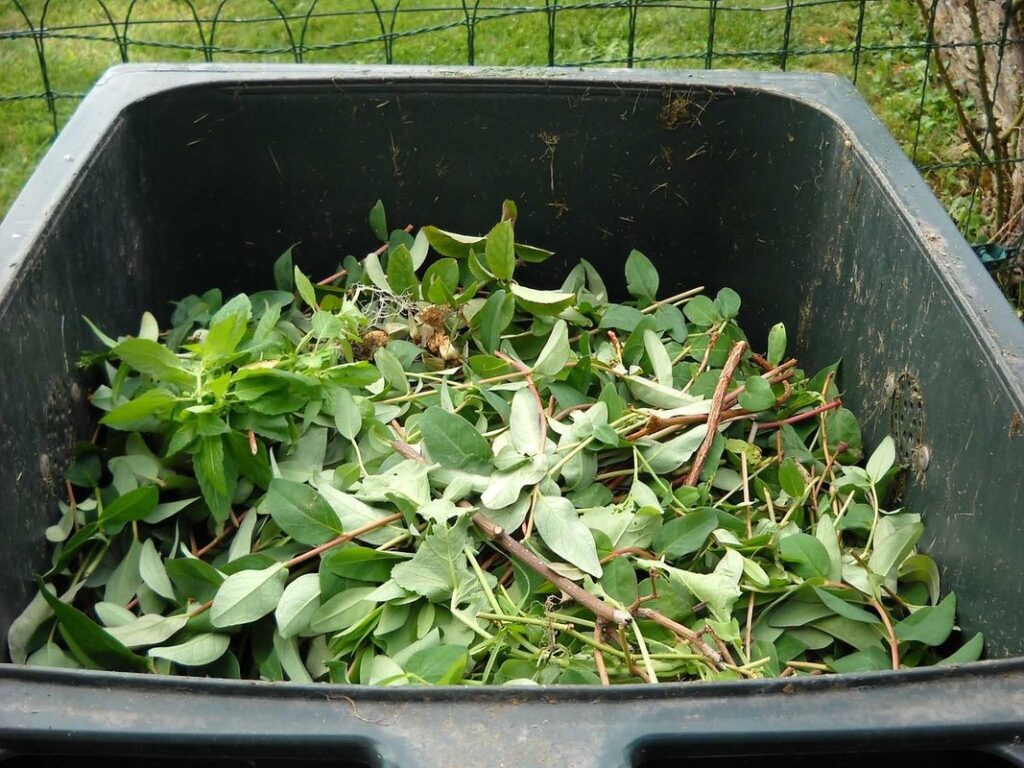
What is Composting and Why Should You Do It?
Composting is a simple yet powerful way to turn household waste into nutrient-rich soil that will make your garden thrive. Let’s start by exploring what composting is all about and why it’s an essential practice for any gardener.
Benefits of Composting for Your Garden
Composting is a simple yet powerful way to turn waste into a valuable resource for your garden. By composting, you can enjoy numerous benefits that extend beyond just reducing waste sent to landfills. For instance, composting helps conserve water by improving soil’s ability to retain moisture. This is because compost increases the soil’s water-holding capacity, allowing it to absorb and store more water, thus reducing the need for frequent watering.
In addition to conserving water, composting also improves soil health in several ways. Compost adds essential nutrients, such as nitrogen, phosphorus, and potassium, which are vital for plant growth. It also increases the soil’s structure, making it easier for roots to grow and plants to thrive. This results in healthier plants that require fewer pesticides and fertilizers, promoting a more balanced ecosystem.
By composting your waste, you’re creating a nutrient-rich soil amendment that will improve your garden’s overall health and productivity. To reap these benefits, make sure to add a mix of “green” materials (such as kitchen scraps or grass clippings) and “brown” materials (like leaves or shredded newspaper) to your compost pile. Regularly turning the pile will help speed up the decomposition process, ensuring you have a supply of rich compost for your garden by spring.
Common Misconceptions About Composting Debunked
Composting is often misunderstood, and it’s not uncommon to come across misconceptions about this natural process. One of the most prevalent myths is that composting smells bad. While it’s true that compost piles can be pungent, especially when they’re first started, a well-maintained pile should have minimal odor. In fact, many composters even describe their finished products as having a rich, earthy aroma.
Another misconception is that composting is too difficult or requires a lot of time and effort. However, with the right setup and routine, composting can be done in just a few minutes a week. Start by adding brown materials like dried leaves or shredded newspaper to balance out green materials like food scraps or grass clippings.
Some people also worry that they’ll attract pests or create an eyesore in their yard with a compost pile. But modern composting methods are designed to minimize these risks. For example, you can build your compost pile off the ground using pallets or wire mesh, which helps keep animals out and makes cleanup easier.
Getting Started with Composting: Choosing the Right Method
When it comes to setting up your composting system, choosing the right method can be overwhelming. Let’s break down the basics and explore the key factors to consider.
Types of Composting Systems (Outdoor, Indoor, Vermicomposting)
Composting systems come in various forms to cater to different spaces and preferences. Outdoor bins are ideal for larger households or yards with ample space. They can be as simple as a wooden pallet bin or as elaborate as a worm tower. One advantage of outdoor composting is the ability to handle large quantities of waste, but it requires regular maintenance and monitoring to prevent pests and odors.
Indoor containers, on the other hand, are perfect for small spaces, such as apartments or condominiums. These compact systems allow for continuous composting without taking up too much room. They’re also ideal for households with limited outdoor space or those who prefer a more contained process. However, indoor composting can be slow due to the absence of oxygen and heat.
Vermicomposting, or worm composting, uses red wiggler worms to break down food waste into a nutrient-rich castings. This method is great for indoor use, as it’s odorless and produces a highly concentrated fertilizer. It requires a specific environment, with optimal moisture and temperature levels, but can be an efficient way to recycle kitchen scraps. When choosing a composting system, consider factors such as space constraints, waste volume, and desired outcome to select the most suitable method for your needs.
Selecting the Perfect Location for Your Compost Bin
When selecting the perfect location for your compost bin, it’s essential to consider several key factors. Firstly, think about sunlight – a spot that receives partial shade is ideal, as direct sunlight can cause the pile to dry out too quickly. Conversely, if you choose a location with full sun exposure, make sure to monitor the temperature and turn the pile regularly to prevent overheating.
Another critical factor is wind direction. Compost bins need to be protected from strong winds that could disturb the pile or blow away loose materials. Try to position your bin in an area that offers some natural windbreak, such as a wall or group of trees. Additionally, keep your compost bin at least 10 feet away from any water sources – you don’t want excess moisture seeping into your compost pile.
Consider the proximity of your compost bin to your kitchen and garden beds. A convenient location will encourage regular maintenance and reduce odors that might travel through open windows or doors.
Setting Up Your Composting System: Collection and Layering
Now that you’ve gathered your compost materials, it’s time to set up a system for collecting and layering them in a way that will ensure optimal decomposition. Here’s how to do it efficiently.
What Can Be Composted (Organic Materials)
When it comes to composting, there are many organic materials that can be transformed into nutrient-rich soil. At the top of the list are food waste and yard trimmings. Fruit and vegetable scraps, bread, grains, and eggshells are all great additions to your compost pile. You can also compost coffee grounds and tea bags, which are rich in nitrogen and phosphorus.
In addition to these common materials, you can also compost paper products like newspaper, cardboard, and brown paper bags. These add carbon-rich fibers that help balance out the nitrogen content of your food waste. Even manure from herbivores like horses or rabbits can be composted, but make sure it’s free of contaminants.
On the other hand, there are some items you should avoid adding to your compost pile. These include meat, dairy, and oily foods, which can attract pests and create odors. Pet waste is also a no-go, as it may contain pathogens that can harm humans and animals alike. And please, do not add weeds with seeds or invasive plant species, as they can spread in the finished compost.
Correctly Layering Green and Brown Materials
When it comes to creating a balanced compost pile, layering “green” and “brown” materials is crucial. Green materials are high in nitrogen and will help speed up the decomposition process, while brown materials are rich in carbon and provide energy for the microorganisms breaking down the waste.
Think of green materials as the fuel that keeps your compost pile running. Examples include fresh grass clippings, food scraps, and manure from herbivores like horses or rabbits. On the other hand, brown materials are like the insulation that keeps everything cozy. They can be dry leaves, shredded newspaper, or coconut coir.
To correctly layer these materials, start with a 4-6 inch base of brown materials to allow air to circulate and water to drain. Then add a layer of green materials, followed by another layer of brown materials. Repeat this process until you reach the top of your compost pile. Aim for a mix that’s roughly 2/3 brown materials and 1/3 green materials. This balance will help create an optimal environment for decomposition and minimize odors and pests. By following these simple steps, you’ll be well on your way to creating nutrient-rich soil from your kitchen scraps and yard waste.
Composting Process: Breaking Down Waste into Nutrient-Rich Soil
Let’s dive into the composting process, where microorganisms work their magic to break down waste into a nutrient-rich soil that’s teeming with life. It’s a fascinating and crucial step in creating perfect compost.
The Role of Microorganisms in Composting
Microorganisms are the unsung heroes of composting. They’re responsible for breaking down organic matter into its constituent parts and creating a nutrient-rich soil amendment that’s essential for plant growth. Without microorganisms, composting would be impossible. These tiny organisms thrive on the carbohydrates, proteins, and fats present in decomposing waste.
As food scraps and yard trimmings start to break down, microorganisms like bacteria, fungi, and protozoa begin to feed on them. They secrete enzymes that dissolve complex molecules into simpler compounds, releasing essential nutrients like nitrogen, phosphorus, and potassium. As the compost pile heats up, these microorganisms multiply rapidly, consuming more and more organic matter.
To create an ideal environment for microorganisms, it’s essential to maintain a mix of “green” (nitrogen-rich) and “brown” (carbon-rich) materials in your compost pile. This balance allows microorganisms to thrive and efficiently break down waste into nutrient-rich soil amendment. For example, adding shredded newspaper or cardboard (brown materials) alongside food scraps and grass clippings (green materials) will create a perfect blend for decomposition.
Monitoring Temperature and Moisture Levels
Monitoring temperature and moisture levels is crucial to ensure optimal composting conditions. If left unchecked, high temperatures can lead to pests and odors, while too little moisture can slow down the decomposition process. To monitor these levels effectively, you’ll need a thermometer and a moisture gauge.
Insert the thermometer into the compost pile at least 3-4 times a week to check for temperature fluctuations. The ideal range is between 130°F (54°C) and 140°F (60°C), where microbial activity is highest. If temperatures exceed 160°F (71°C), it’s likely due to too many “green” materials, such as food scraps or grass clippings.
Monitor moisture levels by inserting your finger into the compost pile up to the knuckle. The ideal range is between 40-60% moisture content. If the compost feels dry, add water; if it’s too wet, turn it over to aerate and speed up evaporation. Regular monitoring will prevent anaerobic conditions that lead to pests, odors, and a decreased carbon-to-nitrogen ratio. By striking this balance, you’ll create an optimal environment for your compost to break down efficiently.
Managing Odors and Pests: Troubleshooting Common Issues
We’ve all been there – a pungent smell wafts from your compost pile, or pesky critters start to visit. Let’s tackle these common issues and keep your composting process on track.
Recognizing and Addressing Compost Odor Problems
Recognizing and addressing compost odor problems is a crucial aspect of maintaining a healthy and thriving compost pile. One common issue arises when the carbon-to-nitrogen (C:N) balance is off-kilter. When there’s too much nitrogen-rich material, such as food scraps or manure, it can lead to anaerobic conditions and strong odors. To resolve this, simply adjust the C:N ratio by adding more carbon-rich materials like leaves, straw, or shredded newspaper.
Proper aeration also plays a significant role in preventing odor buildup. Ensure your compost pile has adequate airflow by mixing the materials regularly and maintaining a height of around 3-4 feet. This allows oxygen to penetrate and helps microorganisms break down organic matter efficiently. If odors persist, try adding a handful of soil or finished compost to act as an odor-absorbing agent.
Regularly monitoring your compost pile’s moisture levels is also essential. Excessive wetness can lead to anaerobic conditions and strong odors. Aim for a damp but not soggy consistency by sprinkling water over the pile if it becomes too dry.
If you notice persistent or overwhelming odors, consider implementing a new approach, such as turning your compost pile every week or two, to increase oxygen flow and speed up decomposition.
Keeping Pests Out of Your Composting System
Pests can be a significant problem when it comes to composting. These unwanted visitors can not only ruin the quality of your finished compost but also create unpleasant odors and attract even more pests. To keep rodents, raccoons, and flies out of your compost pile or bin, start by choosing the right location for your composting system. Ideally, place it in a spot that’s well-ventilated, receives partial shade, and is at least 10 feet away from any water sources.
To deter pests, use a rodent-resistant wire mesh or hardware cloth to cover the top of your bin. You can also add a layer of physical barriers such as fine-mesh screen or burlap around the pile. For example, you can wrap a 3-foot diameter area around your compost with chicken wire and secure it with rocks or soil. Additionally, avoid overwatering your compost, which attracts flies and creates an ideal environment for pests to thrive. By taking these simple precautions, you’ll be able to enjoy pest-free composting and create nutrient-rich soil for your garden.
Using Your Finished Compost: Tips for Effective Application
Now that you’ve spent time creating nutrient-rich compost, it’s time to put it to use – we’ll share tips on how to apply it effectively in your garden. Learn how to make the most of your finished compost.
How to Use Compost in Your Garden (Vegetable Beds, Lawns)
Now that you have your finished compost, it’s time to put it to good use in your garden. One of the most effective ways to do this is by incorporating it into your vegetable beds and lawns. This will not only improve soil structure but also increase fertility.
To start, simply mix 2-4 inches of compost into the top 6-8 inches of soil in your bed or lawn. You can also use a garden fork to gently turn over the soil, working the compost into the existing soil as you go. This will help break down any clumps and distribute the nutrients evenly.
Using finished compost in your garden is like giving it a healthy dose of fertilizer and mulch all at once. The beneficial microbes present in the compost will start to colonize the soil immediately, breaking down organic matter and recycling nutrients for your plants. As you continue to add fresh compost to your beds throughout the growing season, the soil will become increasingly fertile, supporting healthier plant growth and higher yields.
Think of it like replenishing a bank account – with regular deposits, your soil’s nutrient balance will be consistently topped up, ensuring your garden stays thriving all year round!
Compost Tea as a Natural Fertilizer
Compost tea has been gaining popularity among gardeners and farmers as a natural fertilizer that provides a range of benefits for plant health. By steeping finished compost in water, you create a liquid solution rich in beneficial microbes and nutrients. These microorganisms are key to improving soil fertility and plant growth.
The process of making compost tea involves steeping one part compost in five parts water for 24 hours, allowing the beneficial microbes to leach into the liquid. The resulting brew is then strained and used as a foliar spray or added directly to the soil. This approach not only provides essential nutrients but also boosts microbial activity, which can lead to improved root development, increased resistance to pests and diseases, and enhanced overall plant health.
Some gardeners swear by compost tea’s ability to rejuvenate tired soils and promote healthy plant growth. In fact, a study conducted by the Rodale Institute found that using compost tea as a fertilizer resulted in significant increases in soil fertility and crop yields compared to synthetic fertilizers. To try it for yourself, be sure to use a high-quality finished compost as the base and follow proper brewing times to reap its benefits.
Frequently Asked Questions
How Long Does It Take for Compost to Be Ready for Use?
The time it takes for compost to be ready for use depends on various factors, including the size of your compost pile, the ratio of green to brown materials, and the temperature. Generally, a well-maintained compost pile can take anywhere from 2-6 months to break down into nutrient-rich soil. However, this timeline may vary depending on your specific situation.
What If I Notice Unpleasant Odors in My Compost Pile?
Yes, unpleasant odors are a common issue in composting. To manage them, make sure you’re maintaining the right balance of green and brown materials. Green materials like food scraps can create ammonia, which contributes to strong odors. Add more brown materials like leaves or straw to absorb excess moisture and reduce odor-causing bacteria.
Can I Compost Pet Waste?
No, it’s not recommended to compost pet waste. While it may seem like a convenient way to manage pet waste, it can harbor pathogens that can harm plants and humans alike. Instead, consider using other methods for disposing of pet waste, such as burying it in a designated area or using biodegradable bags.
How Do I Prevent Pests Like Flies and Rodents from Attracting Compost?
To prevent pests like flies and rodents from being attracted to your compost pile, ensure you’re maintaining good hygiene practices. Keep the pile covered with a lid or tarp, and avoid adding meat, dairy, or oily foods that can attract pests. You can also add a layer of brown materials like leaves or straw to deter pests.
Can I Use Compost Tea as a Fertilizer for My Indoor Plants?
Yes, compost tea is an excellent natural fertilizer for indoor plants. To make compost tea, steep finished compost in water and let it brew for 24 hours before straining and using the liquid as a fertilizer. This will provide your indoor plants with beneficial microbes that can help them thrive in container gardens or indoor spaces.