
Are you tired of feeling guilty about throwing away food scraps or yard trimmings, but unsure how to make composting work for your lifestyle? You’re not alone. Traditional composting methods require adding microorganisms and heat, which can be a hassle and even contribute to greenhouse gas emissions. But what if I told you there’s a simpler way? Enter cold composting, a game-changing approach that allows you to turn organic waste into nutrient-rich soil without breaking a sweat. In this article, we’ll delve into the world of cold composting, exploring its benefits for the environment and your garden. You’ll learn how to reduce your carbon footprint while creating a sustainable gardening solution – all from the comfort of your own backyard.
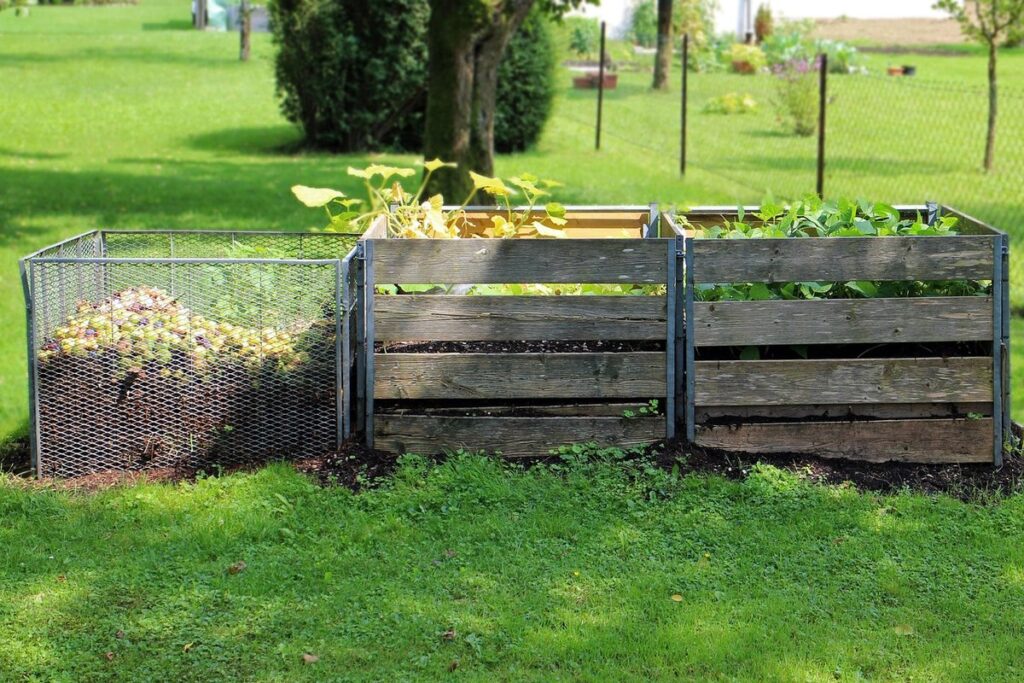
What is Cold Composting?
Let’s dive right into the basics of cold composting, where we’ll explore what exactly it means to use a low-maintenance method to break down organic waste.
Definition and Explanation
Cold composting is a unique approach to turning waste into valuable nutrient-rich soil. Unlike hot composting methods that require heat and microorganisms to speed up the decomposition process, cold composting relies on natural processes to break down organic matter. This method is perfect for those who want to reduce their environmental footprint without relying on specialized equipment or intense labor.
To put it simply, cold composting involves layering different types of organic waste in a specific order, allowing nature to do its magic over time. This process can take anywhere from several months to a few years, depending on factors like temperature and moisture levels. The slow pace is actually an advantage, as it allows for a more thorough breakdown of materials and reduces the risk of pests or diseases.
By embracing cold composting, you’ll be creating a nutrient-rich soil amendment that’s perfect for your garden without contributing to greenhouse gas emissions or air pollution.
Benefits of Cold Composting
Cold composting offers numerous benefits that make it an attractive and eco-friendly option for managing organic waste. By reducing greenhouse gas emissions, you’re not only minimizing your environmental footprint but also contributing to a healthier planet. Compared to traditional composting methods, cold composting requires minimal space, making it perfect for small gardens or urban areas with limited yard space.
Another significant advantage of cold composting is its ease of implementation. Unlike hot composting, which demands precise temperature control and frequent turning, cold composting allows you to simply add materials as needed without worrying about optimal conditions. This makes it an excellent choice for busy households or those new to composting.
To get the most out of cold composting, consider starting with a small pile or bin in a corner of your yard. Add a mix of “green” materials (food scraps, grass clippings) and “brown” materials (dried leaves, straw) to create a balanced carbon-to-nitrogen ratio. Let nature do the rest – cold composting is all about patience and allowing the natural decomposition process to unfold at its own pace.
Choosing the Right Materials for Cold Composting
When it comes to cold composting, selecting the right materials is crucial to create a balanced and thriving ecosystem. Let’s explore the best materials to include in your cold compost pile.
Understanding Carbon-to-Nitrogen Ratio
In cold composting, achieving the right balance between “brown” and “green” materials is crucial. Brown materials, such as dry leaves, straw, and shredded newspaper, are high in carbon but low in nitrogen. They provide energy for the decomposition process. Green materials, like food scraps, grass clippings, and manure, are rich in nitrogen but relatively low in carbon.
The ideal ratio of brown to green materials is between 2:1 and 4:1 (brown:green). This balance ensures that microorganisms have enough carbon-rich materials to break down the complex organic compounds, releasing heat and energy for decomposition. If there’s too much nitrogen-rich material without sufficient carbon, the composting process can lead to unpleasant odors, anaerobic conditions, or even pests.
To strike a balance, add brown materials like dry leaves or shredded newspaper in larger quantities than green materials like food scraps or manure. For example, for every bucket of green materials, add two buckets of brown materials. Regular monitoring and adjustments will help you fine-tune the carbon-to-nitrogen ratio, ensuring your cold compost piles are healthy and thriving.
Types of Organic Waste Suitable for Cold Composting
When it comes to cold composting, not all organic waste is created equal. Some materials are perfect for this natural and effective method of reducing waste, while others may not be suitable. Let’s take a closer look at the types of organic waste that thrive in a cold composting environment.
Leaves from trees like oak, maple, or willow are an excellent addition to your cold compost pile. They’re rich in carbon and can help balance out the nitrogen content in other materials. Grass clippings, while high in nitrogen, also work well when mixed with leaves or shredded newspaper. However, be cautious not to add too much grass clippings as they can create anaerobic conditions that lead to unpleasant odors.
Food waste like fruit and vegetable scraps are another great option for cold composting. They’re rich in nutrients and will break down quickly in the presence of microorganisms. Avoid adding meat, dairy, or oily foods as they can attract pests and create unsanitary conditions. When incorporating food waste, be sure to mix it with other materials to maintain a balanced carbon-to-nitrogen ratio.
Building a Successful Cold Compost Pile
To build a thriving cold compost pile, it’s essential to layer materials carefully and maintain a balance of green and brown elements for optimal decomposition. This involves understanding how to mix carbon-rich browns with nitrogen-rich greens.
Layering Techniques for Optimal Decomposition
When it comes to cold composting, layering techniques are crucial for efficient decomposition. The process involves alternating between brown and green materials to create a balanced mix that encourages the breakdown of organic waste.
Start by adding a 4-6 inch layer of brown materials such as dried leaves, shredded newspaper, or cardboard at the bottom of your pile. These materials provide carbon-rich nutrients that help microorganisms thrive. Next, add a 2-3 inch layer of green materials like food scraps, grass clippings, or manure. Green materials are rich in nitrogen and serve as a food source for decomposing microbes.
Continue alternating between brown and green layers, ending with a layer of brown materials on top. Aim for a mix of 2/3 brown materials to 1/3 green materials. This ratio allows microorganisms to break down the organic waste efficiently without creating anaerobic conditions that produce odors or pests.
As you add each new layer, gently mix it into the previous one using a pitchfork or shovel to create an even distribution of materials. Avoid compacting the pile, which can hinder airflow and slow decomposition.
Maintaining the Right Moisture Levels
Maintaining adequate moisture levels is crucial in cold composting. Water helps to break down organic matter by activating microorganisms that speed up the decomposition process. Aim for a mix of 50-60% moisture content, similar to that found in a damp sponge.
To achieve this, start by layering wet materials like food scraps and grass clippings at the bottom of your pile. Follow with dry materials like leaves or shredded newspaper. As you add more layers, water as needed to maintain an even consistency. Avoid overwatering, which can lead to anaerobic conditions that attract pests.
Monitor your pile’s moisture levels regularly by feeling its weight and checking for stickiness when touched. Aim to keep the top layer slightly damp but not soggy. If it starts to smell unpleasant or attracts pests, adjust your watering schedule accordingly. By striking this balance, you’ll create an ideal environment for microorganisms to thrive, ensuring a successful cold composting process that minimizes waste and produces nutrient-rich soil amendments.
Managing Odors and Pests in Cold Composting
Managing odors and pests can be a challenge when using the cold composting method, but don’t worry, we’ve got you covered. Let’s dive into some effective strategies to keep your compost pile odor-free and pest-free.
Strategies for Minimizing Unpleasant Smells
When managing odors and pests in cold composting, it’s essential to focus on minimizing unpleasant smells rather than eliminating them entirely. This approach not only reduces the risk of attracting pests but also creates a healthier environment for microorganisms to break down organic matter.
One natural method for controlling odor-causing microorganisms is by adding bulking agents to your compost pile. Bulking agents, such as straw or shredded newspaper, absorb excess moisture and provide oxygen, which helps to regulate microbial activity. This not only reduces odors but also speeds up the decomposition process. Aim for a mix of 30% bulking agents and 70% organic materials.
Another effective method is using essential oils to control odor-causing microorganisms. Certain oils, such as tea tree oil or lavender oil, have antimicrobial properties that can help reduce unpleasant smells. Add a few drops of your chosen essential oil to the compost pile, but be sure to use them in moderation – excessive amounts can harm beneficial microorganisms.
Remember, the key is to create an environment where microorganisms thrive, and this includes managing moisture levels and providing adequate oxygen. By implementing these strategies, you’ll not only minimize unpleasant smells but also optimize your cold composting process.
Dealing with Pests and Insect Infestations
When it comes to cold composting, dealing with pests and insect infestations is an inevitable concern. However, there are several prevention and management techniques that can help minimize pest problems.
Firstly, it’s essential to maintain a balanced carbon-to-nitrogen (C:N) ratio in your compost pile. A well-balanced C:N ratio will discourage pests from thriving in the environment. Aim for a mix of 2/3 “brown” materials (dry leaves, straw, or shredded newspaper) and 1/3 “green” materials (food scraps, grass clippings, or manure). This balance will help regulate moisture levels, reduce odors, and prevent pest infestations.
Regularly turning your compost pile is another effective way to manage pests. Turning the pile exposes any hidden pests to the elements, preventing them from multiplying. Additionally, ensure that you bury vegetable scraps deep within the compost pile to prevent attracting pests like rodents or raccoons.
By following these simple tips and maintaining a healthy compost environment, you can minimize pest problems and enjoy the benefits of cold composting with minimal hassle.
Monitoring Progress and Harvesting the Compost
Now that you’ve created a thriving cold compost pile, it’s essential to know when your nutrient-rich fertilizer is ready to use. This section will walk you through how to monitor its progress and harvest your finished compost.
Signs of Successful Decomposition
Now that you’ve been patiently waiting for months, it’s time to check if your cold compost is ready. One of the most significant signs of successful decomposition is the earthy aroma that emanates from it. If your pile has reached this stage, it means that the carbon-rich materials have broken down and released their volatile organic compounds (VOCs) into the air.
To confirm if the smell is indeed earthy and not putrid, take a whiff of your compost. A pleasant, rich aroma indicates that the decomposition process has progressed to the next level. Next, check the texture of your compost by gently digging in with your hands or a shovel. If it feels crumbly and resembles damp soil, it’s a clear indication that the compost is ready for use.
The absence of recognizable materials like twigs, leaves, or food scraps is another crucial indicator that your cold compost has reached maturity. Inspect your pile carefully, and if you find mostly uniform brown matter with some visible earthworms, you’re on the right track.
Using Your Cold Compost in the Garden or Home
When it’s time to use your cold-composted material, you’ll be thrilled with the rich nutrient-dense end product. Cold composting creates a natural fertilizer that’s perfect for your garden or indoor plants. To utilize this resource, follow these ideas:
You can mix cold-compost into your soil as a fertilizer, promoting healthy plant growth and disease resistance. For example, add 2-3 inches of the compost to the top layer of your vegetable bed before planting new seeds. Alternatively, use it as a mulch to retain moisture, suppress weeds, and regulate soil temperature.
To incorporate cold-compost into potting mixes, simply blend it with other ingredients like peat moss or perlite. This creates a nutrient-rich growing medium that’ll help your indoor plants thrive. You can also repurpose old containers by filling them with cold-compost and using them as mini-gardens for herbs or succulents.
When working with cold-compost, remember to mix it well before applying it to your soil or potting mixes. This ensures an even distribution of nutrients and optimal results in your garden or indoor space.
Overcoming Common Challenges in Cold Composting
As you dive deeper into cold composting, you’ll likely encounter some common hurdles that can slow down your progress. Let’s tackle these challenges head-on and explore practical solutions to overcome them.
Troubleshooting Tips for Common Issues
Cold composting can be a simple and effective way to reduce waste, but it’s not without its challenges. Don’t worry if you encounter some common issues along the way – with these troubleshooting tips, you’ll be back on track in no time.
Anaerobic Conditions: If your pile is too dense or has limited airflow, anaerobic conditions can occur, leading to a foul odor and slowed decomposition. To fix this, try turning your compost pile regularly to aerate it. You can also add some brown materials like straw or shredded newspaper to absorb excess moisture and improve airflow.
Pests: If pests like rodents, raccoons, or flies are attracted to your compost pile, they may cause problems. Try using physical barriers like chicken wire or hardware cloth to cover the top of your pile. You can also add some deterrents like hot pepper powder or garlic cloves to keep them away.
Poor Decomposition Rates: If your compost is taking too long to break down, it might be due to an imbalance of “green” and “brown” materials. Try adding more brown materials like dried leaves or shredded newspaper to balance out the mix. You can also try adding some microorganisms like effective microbes (EM) to speed up decomposition.
Remember, cold composting is a low-maintenance process, but it does require some patience and attention. By addressing these common issues, you’ll be well on your way to creating rich, nutrient-dense compost for your garden.
Adjusting Your Approach for Optimal Results
Adjusting Your Approach for Optimal Results
As you continue to fine-tune your cold composting method, it’s essential to consider various factors that can impact the outcome. Climate plays a significant role in this process, and understanding how temperature fluctuations affect your pile is crucial.
In colder climates, you may need to add more “brown” materials like dried leaves or shredded newspaper to increase carbon levels and promote decomposition. Conversely, in warmer regions, it’s essential to maintain adequate moisture levels to prevent overheating.
The type of waste you collect also affects the composting process. If you’re working with a high volume of nitrogen-rich food scraps, balance them out by adding more “brown” materials to avoid attracting pests and odors. On the other hand, if you have limited waste availability, consider supplementing with finished compost or well-rotted manure.
Ultimately, achieving optimal results in cold composting requires flexibility and adaptability. Monitor your pile’s temperature, moisture levels, and odor regularly, making adjustments as needed to ensure a balanced and thriving ecosystem.
Frequently Asked Questions
How Long Does a Cold Compost Pile Typically Take to Break Down?
Cold composting is a slow process that can take anywhere from several months to a few years, depending on factors like temperature, moisture, and the types of organic waste. Generally, it’s best to expect 6-18 months for the initial breakdown phase, with ongoing decomposition over time.
Can I Mix “Weird” or Exotic Materials into My Cold Compost?
While cold composting is flexible, it’s essential to maintain a balanced mix of materials that provide adequate carbon and nitrogen. Avoid adding large quantities of unusual items like citrus peels or eggshells, as they can throw off the balance. Stick to a mix of ‘green’ (nitrogen-rich) and ‘brown’ (carbon-rich) materials.
How Do I Know When My Compost is Ready for Use?
Look for signs of successful decomposition, such as earthy aroma, dark color, and crumbly texture. If it’s still too wet or smells unpleasantly pungent, give it more time. Check the carbon-to-nitrogen ratio, aiming for a balance that promotes healthy microbial growth.
Can I Use Cold Composting in Small Spaces Like Apartments?
Yes! Cold composting can be adapted to urban settings with space constraints. Consider using indoor containers or even a balcony planter. Just ensure adequate ventilation and maintain a balanced mix of materials.
Is Cold Composting Effective for Reducing Food Waste?
Cold composting is an excellent way to divert organic waste from landfills, reducing the environmental impact associated with food production and disposal. By turning kitchen scraps into nutrient-rich soil, you’re also minimizing greenhouse gas emissions and contributing to a more sustainable future.