
Are you growing chard in your garden but struggling to get the most out of this nutritious crop? Proper chard spacing is crucial for its optimal growth, flavor, and nutrient content. Not only does it ensure a bountiful harvest, but it also helps prevent common issues like overcrowding, disease, and pests. In this article, we’ll delve into the world of chard spacing techniques that will elevate your gardening skills. We’ll cover the ideal spacing for different types of chard, nutritional benefits of growing this superfood, and expert harvesting methods to help you maximize your crop’s potential. By following our guide, you’ll be able to enjoy a fresh, healthy harvest from your garden all season long. Let’s get started on cultivating the perfect chard crop!
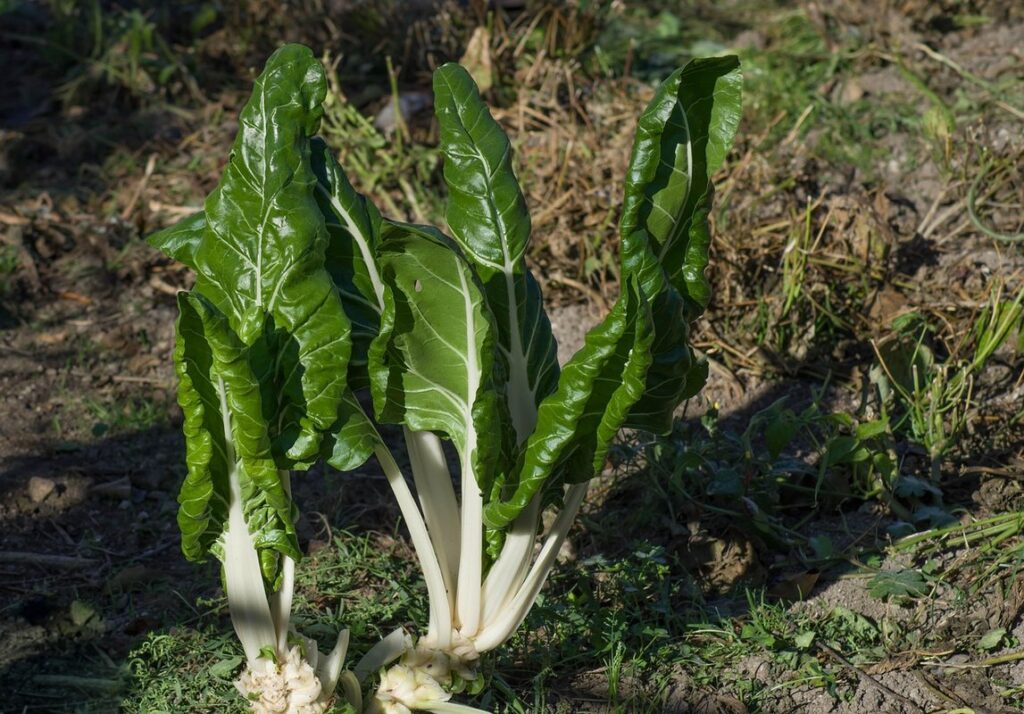
Understanding Chard Basics
Let’s dive into the basics of chard, covering its growth habits and ideal spacing requirements for a thriving and healthy crop. Understanding these fundamentals is key to successful harvesting.
Types of Chard: A Brief Overview
Chard comes in many forms, each with its unique characteristics that set it apart from others. Swiss chard is one of the most popular varieties and a favorite among gardeners due to its versatility and ease of growth. It boasts thick, crunchy stems and delicate leaves that are perfect for sautéing or steaming.
Rhubarb chard, also known as leaf beet, is another notable variety that’s often confused with rhubarb itself. While it shares some similarities with rhubarb in terms of its tart flavor and slightly bitter taste, it doesn’t contain oxalic acid – a key difference that makes it safe to eat raw.
Other varieties of chard include Fordhook Giant, Perpetual Spinach, and Rainbow Chard. Each has its own distinct traits and uses, from Fordhook’s robust stems perfect for soups to Perpetual Spinach’s compact growth ideal for small gardens. Understanding the different types of chard is essential in determining how best to care for them, including their spacing needs and optimal harvest times.
When selecting a chard variety, consider factors such as flavor profile, texture, and growth habits to ensure you choose one that suits your garden and cooking preferences.
Nutritional Benefits of Chard
Chard is not only a versatile and easy-to-grow crop but also packed with nutrients that can have a significant impact on our overall health. As we explore the best ways to space and harvest chard, it’s essential to appreciate its nutritional benefits.
One of the most notable advantages of chard is its high levels of vitamins A, C, and K. Vitamin A helps protect our vision and immune system, while vitamin C boosts collagen production and fights off infections. Vitamin K, on the other hand, plays a crucial role in blood clotting and bone health. To reap these benefits, make sure to consume chard raw or lightly cooked, as overcooking can destroy some of its delicate nutrients.
The potential health benefits of chard go beyond just these essential vitamins. Studies suggest that consuming chard regularly may help lower cholesterol levels and reduce the risk of heart disease. Additionally, its antioxidant properties have been linked to cancer prevention, particularly in relation to colon and stomach cancers. When harvesting your chard crop, be sure to choose leaves with minimal signs of wilting or damage to maximize their nutritional value.
Chard Spacing: Optimal Planting Density
To achieve optimal growth and prevent overcrowding, understanding the ideal spacing for chard plants is crucial. Let’s explore what density works best for your garden.
Factors to Consider When Determining Plant Spacing
When determining plant spacing for chard, several key factors come into play. Climate is one of the most critical considerations. In warmer climates with high temperatures and intense sunlight, it’s essential to provide more space between plants to prevent overcrowding and promote air circulation. This will help prevent fungal diseases that thrive in moist environments.
Soil type also plays a significant role in determining plant spacing. Chard prefers well-draining soil, but if you’re growing in heavy clay or dense loam, you’ll need to accommodate for slower root growth by giving plants more space. Conversely, if your soil is sandy or has good drainage, you can get away with closer spacing.
Chard’s own growth habits are another crucial factor. Some varieties grow quite tall and may require staking, while others remain compact and bushy. Consider the mature height of your specific chard variety when planning plant spacing to ensure optimal growth and harvest. For example, a dwarf or semi-dwarf variety can be spaced closer together than a more vigorous type.
In addition to these factors, it’s also important to consider companion planting and crop rotation. Some plants can compete with chard for resources, while others may benefit from its shading or nutrient uptake.
Recommended Plant Spacing for Different Chard Varieties
When it comes to growing different varieties of chard, understanding the recommended planting densities is crucial for optimal growth and harvesting. While the spacing requirements can vary depending on factors like climate, soil quality, and personal preference, here are some general guidelines for common chard types.
For example, ‘Rainbow Chard’ and ‘Perpetual Spinach’, which have larger leaves, require a wider row spacing of about 18-24 inches (45-60 cm) to allow for proper air circulation and sunlight penetration. Within-row spacing should be around 6-8 inches (15-20 cm), allowing for easy access and maintenance.
On the other hand, ‘Fordhook Giant’ and ‘White Beth’, which produce smaller leaves, can thrive in narrower rows of 12-18 inches (30-45 cm). In these cases, within-row spacing can be as close as 4-6 inches (10-15 cm).
Keep in mind that these are general guidelines, and the specific needs of your garden may vary. Always consider factors like mature plant size, growth rate, and intended use when determining planting densities for your chard varieties.
Techniques for Proper Chard Spacing
When growing chard, proper spacing is crucial to prevent overcrowding and ensure healthy growth. In this section, we’ll explore some effective techniques for achieving perfect chard spacing.
Crop Rotation and Companionship
When it comes to optimizing chard spacing, understanding crop rotation and companion planting is crucial for promoting healthy growth and maximizing yields. Crop rotation involves alternating between different crops on the same land to maintain soil fertility, reduce pests and diseases, and prevent nutrient depletion.
For example, after a season of heavy feeding by legumes like beans or peas, it’s best to rotate to a crop that won’t demand similar nutrients. Chard is an excellent choice for this role as it has low nitrogen requirements and can even improve soil structure over time.
Companion planting also plays a significant role in chard spacing. Certain plants repel pests or attract beneficial insects that protect your chard from harm. Some ideal companion plants include:
• Nasturtiums: Repel aphids, whiteflies, and squash bugs
• Radishes: Deter cucumber beetles and other pests
• Borage: Attracts beneficial pollinators and improves flavor
By incorporating these techniques into your garden planning, you can create a harmonious environment for your chard to thrive. Make sure to stagger plantings and maintain adequate spacing (about 6-8 inches between leaves) to allow for healthy growth and prevent overcrowding.
Tools for Maintaining Even Plant Growth
Maintaining even plant growth is crucial for healthy chard development, especially when it comes to preventing overcrowding. A well-placed trellis can help keep plants upright and encourage a balanced spread of leaves. Consider installing trellises that are at least 3 feet tall to accommodate mature chard plants.
You can also use individual supports like stakes or cages around each plant to ensure they receive equal sunlight and air circulation. This is particularly important for varieties with loose, spreading growth habits. For instance, ‘Rainbow’ and ‘Fordhook Giant’ chard types benefit from additional support as their leaves grow quite large.
When using trellises or individual supports, make sure to place them before the plants become too dense. Avoid overcrowding by leaving about 6-12 inches of space between each plant. This will allow for even growth, prevent fungal diseases that thrive in shaded areas, and promote efficient photosynthesis. As your chard plants grow, you can adjust or remove these supports if needed to accommodate their unique development.
Chard Harvesting Techniques
When it’s time to harvest your chard, you’ll want to know how to do so at the right stage of maturity and without damaging the leaves. This section covers some effective harvesting techniques for a bountiful crop.
Identifying Optimal Harvest Time
Identifying optimal harvest time for chard can be a bit tricky, but there are some clear signs to look out for. Generally, Swiss chard is ready to harvest when the leaves are between 6 and 12 inches tall, and the stalks are around 1-2 inches in diameter.
To determine if your chard is mature enough for harvest, gently grasp a leaf at its base and twist it away from the plant. If it comes off easily, it’s ready to go. Another way to check is by looking for the top set of leaves to be slightly curled or ruffled – this usually indicates that they’re past their prime.
In terms of optimal harvesting periods, you can typically expect chard to be ready within 40-50 days of sowing, depending on weather conditions and growth rates. For cooler climates, aim for harvest times between spring and early summer, when the plants are producing plenty of new leaves. In warmer regions, you may need to harvest more frequently to encourage regrowth. Regular harvesting will also help prevent bolting (premature flowering) and keep your chard crop healthy and productive.
Methods for Hand-Harvesting vs. Machine Harvesting
When it comes to harvesting chard, you have two primary options: hand-harvesting and machine harvesting. Each method has its own set of benefits and drawbacks that can impact the quality and quantity of your harvest.
Hand-harvesting involves manually cutting or pulling the leaves from the plant, typically by a person wielding a knife or a pair of scissors. This method is ideal for small-scale growers who value the gentle touch it provides to the delicate chard leaves. Hand-harvesting also allows for selective picking, where you can choose only the largest and most tender leaves. However, this labor-intensive process can be time-consuming and tiring, especially when working with large quantities.
Machine harvesting, on the other hand, uses mechanical devices like harvesters or strippers to remove the chard leaves from the plant in a single pass. This method is more efficient for larger growers who need to harvest quickly and in bulk. Machines can also help reduce labor costs and minimize physical strain. However, machine harvesting can be harsh on the plants, causing damage to the stalks and potentially reducing yields. To use machines effectively, it’s essential to choose the right equipment for your specific crop and soil type.
When choosing between hand-harvesting and machine harvesting, consider factors like your farm size, labor availability, and the specific needs of your chard crop. Both methods can be effective, but they require different approaches and attention to detail.
Pests, Diseases, and Weeds in Chard
Pests, diseases, and weeds can be a major threat to your chard crop’s health and productivity. Learn how to identify common issues and prevent infestations in this section.
Common Chard Pests and Diseases
Chard plants are susceptible to various pests and diseases that can significantly impact their health and productivity. As a gardener, it’s essential to be aware of these common issues so you can take proactive measures to prevent them.
Some of the most prevalent chard pests include aphids, whiteflies, and slugs. Aphids can cause curled or distorted leaves, while whiteflies may transmit plant viruses. Slugs, on the other hand, can damage leaves and stems by feeding on their sap. To manage these pests, use neem oil or insecticidal soap to control infestations.
Fungal diseases like powdery mildew and downy mildew can also affect chard plants. These conditions are often triggered by high humidity and poor air circulation. Bacterial infections such as bacterial leaf spot and bacterial wilt can be caused by overwatering or contaminated soil. Regularly inspect your plants, remove any affected areas, and maintain good gardening practices to prevent the spread of these diseases.
To minimize the risk of pests and diseases, ensure that your chard plants receive adequate sunlight, water, and nutrients. Keep your garden well-maintained, with good air circulation and proper irrigation. By being vigilant and taking prompt action when issues arise, you can protect your chard crop from damage.
Integrated Pest Management (IPM) Strategies for Chard
When it comes to growing chard, Integrated Pest Management (IPM) strategies are essential for maintaining a balanced ecosystem and minimizing chemical pesticide use. This approach involves monitoring pests and diseases regularly, using physical barriers, and applying targeted controls when necessary.
To implement IPM on your chard crop, start by learning the signs of common pests like aphids, whiteflies, and slugs. Regularly inspect your plants for these signs and take action promptly to prevent infestations from getting out of hand. For example, you can use fine-mesh row covers to keep pests away or introduce beneficial insects like ladybugs that prey on aphids.
Additionally, rotate your crops seasonally to break disease cycles and reduce the buildup of pathogens in the soil. Practice good sanitation by removing weeds, debris, and infested plants, and ensure adequate air circulation around your chard plants to prevent moisture-related diseases.
Some effective organic pesticides for chard include neem oil, insecticidal soap, and garlic spray. Use these products judiciously and according to their instructions to avoid harming beneficial insects.
Tips for Extending the Harvest Season
To get the most out of your chard crop, we’ve put together some practical tips to help you extend the harvest season and enjoy those delicious leaves for even longer.
Techniques for Succession Planting
Succession planting is a game-changer for chard growers, allowing you to enjoy a continuous harvest throughout the growing season. By staggering plantings every 1-2 weeks, you can create a steady supply of fresh chard without having to worry about overcrowding or depleting soil resources.
To implement this strategy effectively, start by planting a group of chard seedlings in a block rather than rows. This will make it easier to space them out and avoid gaps between plants. Then, begin making staggered plantings, spacing them 1-2 weeks apart. For example, if you plant the first batch on a Monday, wait until the following Sunday to plant the next batch.
This continuous harvesting approach also means you’ll be able to identify potential problems earlier, such as pests or diseases that might affect subsequent plantings. Regular monitoring and prompt action will help prevent these issues from spreading and damaging your crop.
Preserving Chard Through Storage and Processing
If you’ve managed to harvest a bountiful crop of chard, don’t let it go to waste. With some simple storage and processing techniques, you can enjoy this nutritious leafy green throughout the year.
Freezing is one of the most straightforward methods for preserving chard. To freeze, blanch the leaves in boiling water or steam for 2-3 minutes to inactivate enzymes that cause spoilage. Shock them in an ice bath, then pat dry and package in airtight containers or freezer bags. Frozen chard is perfect for soups, stews, and smoothies.
Drying is another effective method for preserving chard. You can use a food dehydrator or simply lay the leaves out in a single layer on a baking sheet, placing it in a low-temperature oven (150°F – 200°F). Store dried chard in airtight containers to maintain its flavor and nutritional value.
When it comes to cooking, there are many ways to enjoy preserved chard. Consider adding frozen or dried chard to your favorite recipes for an instant boost of nutrients. You can also cook it down with garlic and lemon juice as a tasty side dish. Whatever method you choose, make the most of your chard harvest by preserving it for year-round enjoyment.
Frequently Asked Questions
Can I grow chard indoors, or is it best suited for outdoor gardens?
Yes, you can grow chard indoors, but it requires more attention to lighting and temperature control. Chard needs at least 6 hours of direct sunlight per day, which can be challenging in indoor settings. If you choose to grow chard indoors, make sure to provide supplemental lighting and maintain a consistent temperature between 60-70°F (15-21°C). This will help prevent bolting and promote healthy growth.
What’s the best way to prevent pests and diseases from affecting my chard crop?
To prevent common pests like aphids, whiteflies, and slugs, implement Integrated Pest Management (IPM) strategies. These include using physical barriers, practicing good garden hygiene, introducing beneficial insects, and applying targeted pesticides only when necessary. Regularly inspect your plants for signs of disease or pest infestation, and take prompt action to address any issues.
How often should I water my chard crop, especially during hot summer months?
Chard needs consistent moisture, but overwatering can lead to root rot and other problems. Water your chard crop when the top 2-3 inches of soil feel dry to the touch. Aim for about 1-2 inches of water per week, either from rain or irrigation. During hot summer months, you may need to increase watering frequency to ensure your plants don’t suffer from drought stress.
Can I grow multiple types of chard together in the same bed, or should I separate them?
While it’s possible to grow multiple types of chard together, it’s generally recommended to separate them due to differences in growth habits and space requirements. Some varieties, like Swiss chard, can grow quite large and may shade out other plants. By separating your chard varieties, you can optimize growing conditions for each type and minimize competition.
How long does chard typically take to mature, and when should I start harvesting?
Chard typically takes 50-60 days to mature from sowing seeds. Start harvesting individual leaves as soon as they reach a useable size, usually around 6-8 inches tall. Continue to harvest the oldest leaves first, leaving younger leaves to continue growing. This will encourage the plant to produce new growth and prolong the harvest season.