
Carrot enthusiasts, are you tired of sowing seeds only to have them sit idle for weeks? Understanding carrot seed germination times is crucial for successful cultivation. The right conditions can make all the difference between a bountiful harvest and a disappointing one. But what exactly affects these delicate seeds? Temperature, moisture, and light exposure play significant roles in determining how long it takes for your carrots to sprout.
In this comprehensive guide, we’ll delve into the world of carrot seed germination times, exploring the intricacies of each factor that influences the growth process. From ideal temperature ranges to optimal watering schedules and the perfect balance of light and darkness, we’ll cover everything you need to know to ensure your carrots get off to a strong start. Whether you’re a seasoned gardener or just starting out, this article will provide you with the knowledge necessary to coax those tiny seeds into thriving, healthy plants.
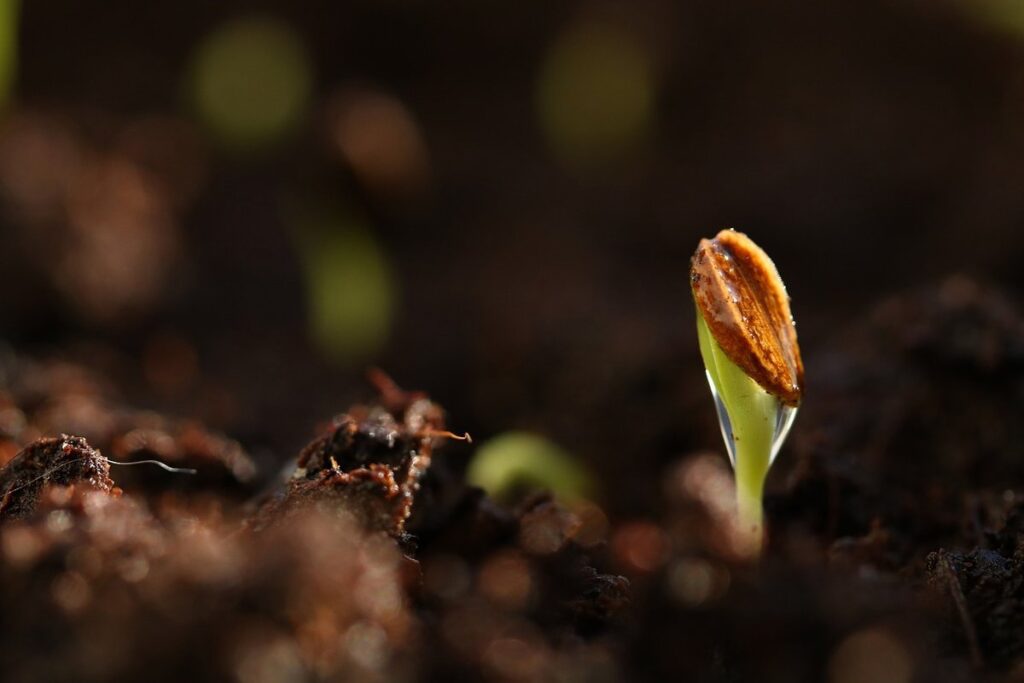
What is Carrot Seed Germination?
Carrot seed germination is a crucial step in growing healthy carrots, and it’s essential to understand what it entails and how to facilitate it successfully. Let’s dive into the basics of carrot seed germination.
Definition of Germination
When it comes to carrot seed germination, you might be wondering what exactly germination is. In simple terms, germination refers to the process by which a plant begins to grow from its seed. It’s the first stage of a plant’s life cycle, marking the transition from a dormant seed to an active growing organism.
During germination, the seed absorbs water and breaks down its stored food sources, releasing the embryo into action. This can take anywhere from a few days to several weeks, depending on factors like temperature, moisture, and light exposure. When the seed has absorbed enough water, it begins to swell, and eventually, the radicle (primary root) emerges, followed by the hypocotyl (stem).
Think of germination as the “awakening” of a seed from its dormant state. It’s a crucial step that sets the stage for further growth and development. To encourage healthy germination in your carrot seeds, make sure to provide them with adequate water, warmth, and light. Keep the soil consistently moist but not waterlogged, and maintain a temperature range of 70-80°F (21-27°C) for optimal results.
Importance of Germination in Carrots
Understanding germination time is crucial for successful carrot cultivation. If you’re planting carrots without considering their specific germination requirements, you might end up with a disappointing harvest. Carrots have a unique germination process that’s sensitive to temperature, moisture, and light.
When seeds germinate too quickly or slowly, the taproot may become distorted or develop an irregular shape, making it unsuitable for market. In extreme cases, delayed germination can lead to crop losses due to weeds taking over the space meant for carrots. For instance, some carrot varieties may require a period of cold stratification before they’ll germinate at all.
To avoid these issues, it’s essential to choose a high-quality seed with a known germination rate and follow specific sowing instructions for your region’s climate. Planting seeds at the right depth and maintaining consistent moisture levels will also contribute to successful germination. By understanding and respecting the unique needs of carrot seeds, you’ll increase your chances of growing healthy, flavorful carrots that meet market standards.
Factors Affecting Carrot Seed Germination Time
When it comes to growing carrots, understanding how factors affect germination time is crucial for achieving optimal yields. Let’s explore the key environmental and physical factors that influence carrot seed germination.
Temperature and Its Role in Germination
Temperature plays a significant role in regulating the germination of carrot seeds. As a grower, understanding optimal temperature ranges can help you optimize the germination process and ensure healthy seedlings.
Carrot seeds typically require temperatures between 60°F to 75°F (15°C to 24°C) for optimal germination. This range allows for steady and consistent growth, preventing the seeds from experiencing extreme stress that can lead to poor germination rates or weak seedlings. If the temperature is too high, above 85°F (29°C), it can cause the seeds to dry out, slowing down the germination process.
On the other hand, if the temperature drops below 50°F (10°C), the seeds will take longer to germinate, and in some cases, may not germinate at all. To create an ideal environment for carrot seed germination, ensure that your growing area maintains a consistent temperature within this optimal range. By doing so, you can expect faster and healthier seedlings, giving them a strong foundation for growth.
In practice, you can use a thermal mat or a heating pad to regulate the temperature around the seeds if needed. This simple step can significantly impact the overall success of your carrot crop.
Moisture Levels and Their Impact on Germination
Moisture levels play a crucial role in carrot seed germination. Adequate moisture is essential to break down the seed coat and initiate growth. If the soil is too dry, the embryo inside the seed may not have enough energy to break through the seed coat, leading to delayed or failed germination. On the other hand, excessive water can cause root rot and damage the delicate roots of the emerging seedling.
The ideal moisture level for carrot seeds is when the top 1-2 inches of soil are consistently moist but not waterlogged. You can achieve this by maintaining a consistent irrigation schedule and avoiding overhead watering, which can lead to surface evaporation and reduced soil moisture. Aim for about 10-15% moisture content in the soil, as measured with a moisture meter.
To create an optimal germination environment, sow carrot seeds directly into the soil when it’s moist but not saturated. Cover the seeds with a thin layer of fine soil or compost, and keep the soil consistently moist during the first week after sowing.
Light Exposure: Affecting Germination Rate
Light exposure plays a significant role in determining carrot seed germination rates. Carrot seeds require light to initiate germination, but excessive light can be detrimental. Prolonged direct sunlight can cause the seed coat to dry out, hindering germination. On the other hand, insufficient light may lead to slow or irregular germination.
When sowing carrots, it’s essential to provide adequate light exposure without overexposing the seeds. You can achieve this by placing them 1-2 inches deep in a well-draining seed starting mix and covering with a thin layer of soil. This will allow for some indirect light penetration while preventing excessive drying out.
In general, carrot seeds germinate best when exposed to moderate levels of light, typically between 20,000-40,000 lux. You can measure the intensity of your growing environment using a light meter to ensure optimal conditions for germination. By striking the right balance between light and darkness, you’ll be well on your way to successful carrot seed germination.
Optimal Carrot Seed Germination Conditions
For optimal results, you’ll want to provide your carrot seeds with a specific temperature range and moisture level during germination, which we’ll break down in this section.
Ideal Soil Temperature for Germination
When it comes to germinating carrot seeds, soil temperature plays a crucial role in determining their success. The ideal soil temperature range for germination varies slightly depending on the specific variety of carrot you’re growing, but generally falls between 60°F (15°C) and 75°F (24°C).
If the soil is too cold, the seeds will struggle to germinate, while temperatures above 80°F (27°C) can lead to weak or deformed seedlings. To give your carrots the best chance at success, make sure the soil has reached a minimum of 55°F (13°C) before sowing. This allows for optimal germination within 7-10 days.
In terms of specific temperature ranges, here’s what you can expect:
* For ‘Danver’ and ‘Little Finger’, ideal temperatures range from 65°F (18°C) to 70°F (21°C).
* ‘Thumbelina’ prefers slightly cooler temperatures between 60°F (15°C) and 65°F (18°C).
Keep in mind that these are general guidelines, and it’s essential to research the specific needs of your carrot variety.
Sowing Depth: A Factor in Germination Time
When it comes to carrot seed germination, sowing depth plays a crucial role in determining the time it takes for seeds to sprout and grow. Generally, carrots prefer to be sown shallowly, with most gardeners planting them about ¼ inch (6-8 mm) deep. This allows for even soil contact and helps prevent rot.
However, research has shown that varying sowing depths can significantly impact germination time and growth patterns. Seeds planted too deeply may experience delayed or inhibited germination due to limited oxygen availability and increased risk of fungal infections. Conversely, seeds sown too shallowly may become over-exposed to light, leading to poor germination rates.
As a general rule, aim for the optimal sowing depth based on seed size and type. For example, small carrot varieties can be planted as close as ¼ inch (6-8 mm) deep, while larger types require about ½ inch (1 cm). Keep in mind that over-sowing or under-sowing can have long-term effects on crop yields and quality.
Experiment with different sowing depths to determine the best approach for your specific climate and soil conditions.
Additional Tips for Promoting Healthy Germination
To further boost healthy germination of carrot seeds, consider these additional tips. Maintain optimal soil temperature by covering the sown area with a clear plastic bag or a cloche, trapping warmth and moisture. Keep the area consistently moist but not waterlogged to prevent root rot.
Make use of seed starting mats or heat cables, especially in colder climates, to provide an extra boost of warmth. These tools can be set to maintain a consistent temperature of around 70-80°F (21-27°C), ideal for carrot germination.
Another tip is to sow seeds thinly and evenly, about ¼ inch deep. This allows each seedling room to grow without competing with its neighbors for resources. Also, avoid over-fertilizing the soil as this can encourage weak root growth, which may hinder healthy development later on.
By implementing these strategies, you’ll be well on your way to achieving optimal carrot germination rates and setting up your seedlings for successful growth.
Understanding Carrot Seed Germination Stages
Let’s dive into the different stages of carrot seed germination, from seed cracking to sprouting and emerging above ground. This process typically takes around 7-14 days under optimal conditions.
Stage 1: Imbibition (Water Absorption)
At the beginning of the germination process, carrot seeds undergo a crucial stage known as imbibition. This is where seeds absorb water to initiate growth and kick-start the germination process. During this stage, the seed coat absorbs moisture from the surrounding environment, causing it to swell and become more permeable. As the seed takes in water, the embryo inside the seed begins to rehydrate, preparing itself for the emergence of roots and shoots.
In ideal conditions, seeds can absorb enough water within a few hours or days, depending on their size and storage condition. However, factors such as soil temperature, moisture level, and oxygen availability can significantly impact this stage. For example, if the seedbed is too dry or too cold, imbibition may take longer, which can lead to reduced germination rates.
To ensure optimal imbibition, it’s essential to sow seeds in well-draining, moistened soil with adequate aeration. Avoid overwatering, as this can cause root rot and other problems. By creating the right conditions for imbibition, you’ll be providing your carrot seeds with the best possible chance of germinating quickly and healthily.
Stage 2: Activation of Embryo Growth
At this stage, the embryo begins to stir, marking the transition from dormancy to growth. During Stage 2: Activation of Embryo Growth, the tiny root and hypocotyl start to emerge from the seed coat. The embryo’s radicle (primary root) lengthens, creating a small root hair that helps anchor the developing seedling. As it grows, the cotyledon or seed leaf unfurls, providing nutrients for the expanding embryonic tissue.
The growth of the embryo at this stage is influenced by factors such as temperature, moisture, and light exposure. Optimal conditions can stimulate faster germination rates. For instance, carrot seeds typically require a minimum of 2-3 days at consistent temperatures between 18-25°C (64-77°F) to activate embryo growth.
To encourage healthy embryonic development during Stage 2, ensure your seed starting mix is consistently moist but not waterlogged. Avoid exposing the seeds to direct sunlight or extreme temperature fluctuations. By providing a stable environment, you’ll support the delicate processes that drive germination and set your carrot seedlings up for success.
Stage 3: Radicle Emergence and Root Development
During Stage 3 of germination, the radicle (primary root) begins to emerge from the seed coat. This is a crucial period for the development of the root system, which will eventually support the growing carrot plant. The radicle grows downward through the soil, anchoring the seedling and providing access to water and nutrients.
As the radicle emerges, it starts to develop into two distinct roots: the primary root and the adventitious roots. The primary root continues to grow downward, while the adventitious roots branch out laterally from the base of the primary root, increasing the plant’s absorption capacity. This root development is essential for the seedling’s ability to withstand environmental stresses and support its growth.
In ideal conditions, the radicle emergence usually occurs within 2-5 days after sowing, depending on factors such as temperature, moisture, and light exposure. If you notice the radicle has emerged from the soil but the seed coat still appears intact, it means the process is proceeding normally. However, if there’s no sign of root development after a week, it may indicate that the seeds require more time to germinate or have been subjected to unfavorable conditions.
Factors Affecting Germination Rate in Different Environments
When planting carrots, it’s essential to consider how various factors can influence germination rates in different environments. These include temperature, moisture levels, and soil quality, among others.
High-Altitude Conditions and Their Effects on Germination
High-altitude conditions can significantly impact germination rates and growth patterns of carrot seeds. At higher elevations, the air pressure is lower, which affects gas exchange between the seed and its surroundings. This can lead to reduced oxygen availability, making it more difficult for seeds to germinate.
As a general rule, each 1,000-foot increase in elevation above sea level corresponds to an approximately 3-4% decrease in available oxygen. For carrot seeds, this means that they may experience increased difficulty germinating at elevations above 5,000 feet. At such high altitudes, growers can try using specialized seed varieties bred for high-altitude conditions or adjusting the sowing schedule to coincide with warmer temperatures.
Research has shown that seeds grown at higher elevations often exhibit delayed germination and reduced root growth due to low oxygen levels. To optimize carrot seed germination in high-altitude areas, it’s essential to provide adequate moisture, ensure optimal soil temperature (around 70°F), and maintain good air circulation around the seedlings.
Coastal or Humid Environments: Impact on Carrot Seed Germination
In coastal or humid environments, carrot seed germination is affected by unique challenges that can impact the overall growth and yield of the crop. The high levels of moisture in these regions can lead to an increased risk of fungal diseases such as damping off, which can kill young seedlings.
As a result, farmers and gardeners must take extra precautions to ensure optimal germination conditions. This includes using sterile seeds and soil to prevent the spread of disease, as well as maintaining good air circulation around the seedlings to promote healthy growth.
In areas with high humidity, it’s also essential to monitor the soil moisture levels closely to avoid overwatering, which can lead to root rot and other problems. A general rule of thumb is to water the soil gently but thoroughly once or twice a week, depending on weather conditions.
By being aware of these specific challenges and taking proactive steps to mitigate them, you can help ensure that your carrot seeds germinate successfully in coastal or humid environments.
Troubleshooting Common Issues with Carrot Seed Germination
Don’t worry if your carrot seeds aren’t germinating as quickly as you’d like, we’ll walk through common issues and solutions to get you back on track. Let’s tackle some of the most frequent problems.
Identifying Causes of Delayed Germination
Delayed germination can be frustrating for carrot seed growers. It’s essential to identify the causes behind this issue to take corrective action and ensure optimal growth. One common reason for delayed germination is inadequate moisture. Carrot seeds need consistent moisture to break down their seed coat and initiate growth.
If your seeds are not receiving sufficient water, they may appear dry and shriveled, or even develop cracks on the surface. Check the soil moisture by inserting a finger into the soil up to the first knuckle; if it feels dry, it’s time to water. Keep in mind that carrot seeds germinate optimally between 7-9°C (45-48°F), but excessive moisture can lead to rot and other issues.
Other factors contributing to delayed germination include incorrect sowing depth, poor soil quality, or temperature fluctuations. Inspect your seedlings regularly for signs of damage, such as yellowing leaves or distorted growth patterns. By monitoring these factors and making adjustments accordingly, you’ll be able to address potential causes of delayed germination and promote healthy growth in your carrot crop.
Inadequate light is another common cause of slow or delayed germination. Make sure the area where your seeds are planted receives sufficient natural light. If necessary, supplement with grow lights or lamps for optimal results.
Addressing Issues with Poor Soil Quality
Poor soil quality can significantly impact carrot seed germination rates. Before you start sowing seeds, it’s essential to assess the condition of your soil and take corrective measures if necessary. One way to determine poor soil quality is by checking its pH level. Most carrots prefer a slightly acidic to neutral soil pH, ranging from 6.0 to 7.0.
If your soil tests too alkaline or acidic, you can adjust it using lime or sulfur. However, if the issue persists due to underlying factors such as compacted or waterlogged soil, more extensive measures are needed. You can improve soil structure by incorporating organic matter like compost or well-rotted manure into the soil. This will not only aerate the soil but also replenish its nutrient content.
When addressing poor soil quality, consider the type of carrots you’re growing. Some varieties, such as ‘Thumbelina’ or ‘Parisienne’, are more tolerant of less-than-perfect conditions than others. Nonetheless, even these varieties can benefit from improved soil health. As a general rule, it’s best to sow carrot seeds in well-draining, loose soil with a pH between 6.0 and 7.0 for optimal germination rates.
Maintain proper drainage by incorporating perlite or vermiculite into the soil mixture. This will help prevent waterlogged conditions that can hinder seedling growth. For areas with heavy clay soils, consider growing carrots in raised beds with improved drainage systems. Keep your soil consistently moist during the first few weeks after sowing to promote healthy germination and development of strong carrot taproots.
In addition to adjusting soil pH or structure, consider using a starter fertilizer specifically designed for seeds. This will provide essential nutrients necessary for seedling growth without overfertilizing the soil.
Frequently Asked Questions
Can I use the same sowing depth for all types of carrots?
No, different carrot varieties have optimal sowing depths. For example, Nantes and Imperator varieties prefer a deeper sowing depth (about ¼ inch), while Danver and Parisienne varieties do better with a shallower sowing depth (about 1/8 inch). Make sure to check the specific sowing instructions for your chosen variety.
How can I troubleshoot issues with delayed germination in high-altitude conditions?
High-altitude conditions often lead to slower seed germination due to cooler temperatures and lower oxygen levels. To troubleshoot, ensure that you’re providing the optimal soil temperature (around 70°F to 85°F) for your carrot variety. You can also try using a heated propagation mat or sowing seeds indoors with a grow light.
What’s the ideal moisture level for promoting healthy germination in carrots?
Carrot seeds need consistent moisture, but overwatering can be detrimental. Aim for keeping the soil consistently moist during the first week after sowing. After that, reduce watering to about 1 inch of water per week. Use a watering schedule or moisture meter to ensure you’re not underwatering or overwatering.
Can I use direct sunlight for germinating carrot seeds?
While carrots need some light exposure, direct sunlight can be too intense and may inhibit germination. For optimal results, provide your carrot seeds with 12-14 hours of indirect light per day, such as through a south-facing window or under grow lights. Avoid exposing the seeds to direct sunlight, especially during peak hours.
How do I handle poor soil quality affecting carrot seed germination?
Poor soil quality can significantly impact carrot seed germination. To address this issue, add organic matter like compost or well-rotted manure to your soil to improve its structure and fertility. You can also consider using a potting mix specifically designed for root vegetables like carrots. Regularly test your soil pH and adjust it if necessary to ensure optimal conditions for carrot growth.