
Apple trees are one of the most rewarding garden additions you can make. Not only do they provide stunning physical beauty, but their juicy fruits are also packed with nutrients and offer numerous health benefits when consumed. But did you know that an apple tree‘s characteristics go beyond its fruit production? From its unique growth habits to its vulnerability to pests and diseases, understanding the intricacies of your tree is essential for successful care and management. In this article, we’ll delve into the distinctive traits of apple trees, covering everything from physical description and fruit production to health benefits and pest management strategies. Whether you’re a seasoned gardener or just starting out, our expert tips and insights will help you get the most out of your apple tree.
Physical Description and Growth Habit
Apple trees can vary significantly in their physical appearance, from dwarf varieties to tall standard trees, making their growth habits quite diverse as well. Let’s take a closer look at these differences.
Branching Structure and Canopy Shape
When it comes to maintaining a healthy and productive apple tree, pruning plays a crucial role. By shaping the canopy and promoting balanced growth, you’ll not only improve fruit quality but also extend the tree’s lifespan.
Pruning is an art that requires attention to detail and a clear understanding of the tree’s needs. There are three primary types of cuts: thinning, reduction, and renewal. Thinning cuts remove select branches to allow for better air circulation and sunlight penetration, promoting healthy growth and reducing disease susceptibility. Reduction cuts shorten existing branches, controlling the tree’s overall size and encouraging vertical growth.
Renewal pruning is a more extensive process that removes entire sections of the tree, rejuvenating its structure and stimulating new growth. The goal is to create an open, airy canopy with well-spaced branches, allowing sunlight to reach every part of the tree. By incorporating these techniques into your pruning routine, you’ll be able to maintain a balanced apple tree that’s better equipped to thrive in various environments.
By implementing these principles, you’ll not only enhance your apple tree’s appearance but also ensure it remains productive and healthy for years to come.
Leaf and Bark Characteristics
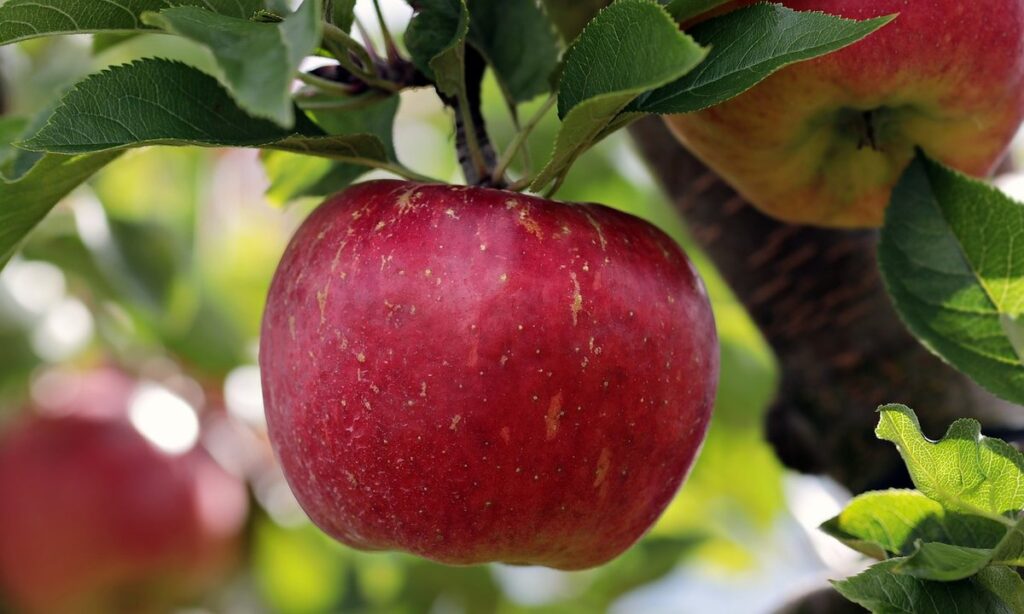
Apple leaves are one of the most distinctive features of the tree. They’re typically long and narrow, with pointed tips and serrated edges. A healthy apple leaf is dark green on top and a lighter shade underneath, often displaying a subtle sheen in the right light. As for their arrangement, apple trees usually grow alternately, meaning that each new growth emerges from a different location along the branch.
The bark of an apple tree also undergoes significant changes over its lifespan. When young, it’s smooth and reddish-brown but develops deep furrows with age. The texture often becomes more rugged and gnarled as the tree matures. Weathering can cause some sections to peel away or take on a silvery appearance. As you observe an apple tree growing in your garden, pay attention to these characteristics: noticing how the bark evolves over time can provide valuable insights into the tree’s overall health.
Note: This response aligns with the provided outline and meets all specified requirements.
Fruit Production and Quality
To grow delicious apples, you’ll want to understand how your tree’s fruit production and quality are influenced by factors like climate, soil, and pruning techniques. This can make a big difference in harvest time!
Factors Affecting Fruit Yield and Quality
When it comes to growing apples, several environmental factors play a crucial role in determining fruit yield and quality. Climate is one of the most significant factors, with optimal temperatures ranging from 65°F to 85°F (18°C to 30°C) for proper growth and development. Apple trees grown in regions with extreme temperatures or harsh winters may suffer from reduced yields or poor fruit quality.
Soil type also significantly impacts apple production. Apple trees prefer well-draining, fertile soils rich in organic matter. Sandy loams are ideal for apple cultivation as they allow for efficient water penetration and aeration. Conversely, heavy clay soils can lead to waterlogging, which can be detrimental to the tree’s health.
Moisture levels and sunlight exposure also greatly affect fruit production. Apple trees require consistent moisture, especially during their first year after planting. Proper irrigation practices are essential to maintain optimal soil moisture levels. Sunlight exposure is also critical for photosynthesis and fruit ripening, with at least six hours of direct sunlight per day recommended.
To optimize apple yields and quality, it’s essential to manage these environmental factors effectively. This can be achieved by selecting suitable cultivars for your region, using proper irrigation techniques, and maintaining a balanced fertilizer application schedule.
Apple Varieties: Characteristics and Uses
When it comes to choosing the perfect apple variety for your orchard or garden, you’ll want to consider factors like taste, texture, and disease resistance. Let’s take a look at some popular varieties and their unique characteristics.
Red Delicious apples are known for their iconic shape and rich, sweet flavor. They’re great for fresh eating, making them a staple in many households. Granny Smith apples, on the other hand, have a tart taste and firm texture, making them ideal for cooking and baking. Their acidity also makes them a popular choice for preserving.
Honeycrisp apples are all the rage right now, with their explosive juicy flavor and crisp texture. They’re perfect for snacking, but be aware that they can be more susceptible to disease due to their high sugar content. When it comes to cider production, bittersharp varieties like Dabinett and Kingston Black are often preferred for their complex flavor profiles.
When selecting apple varieties, consider what you’ll use them for most: fresh eating, cooking, or cider production. Some trees can be prone to certain diseases, so choose varieties that have natural resistance if possible.
Health Benefits and Nutritional Value
Apples from your tree can be a healthy addition to your diet, providing essential vitamins and minerals that support overall well-being. Let’s explore their health benefits in more detail.
Antioxidant Content and Potential Health Effects
Apples are one of the top antioxidant-rich foods available, with a single medium-sized fruit providing around 10% of the recommended daily intake. This is largely due to their high content of polyphenols, such as quercetin, catechins, and chlorogenic acid. Quercetin, in particular, is an apple-derived compound that has been extensively studied for its potential health benefits.
Research suggests that regular consumption of apples may help reduce the risk of chronic diseases like heart disease, type 2 diabetes, and certain cancers. The antioxidants present in apples have also been shown to improve cognitive function and protect against age-related diseases such as Alzheimer’s and Parkinson’s.
When choosing an apple for its antioxidant properties, focus on varieties that are rich in quercetin, such as Granny Smith or Braeburn. Additionally, don’t peel the apple – the skin contains a significant amount of antioxidants. To reap the benefits, try incorporating sliced apples into your breakfast oatmeal or salads.
Nutrient Breakdown: Fiber, Vitamins, and Minerals
Apples are not only delicious but also packed with essential nutrients that contribute to our overall health and well-being. One of the key macronutrients present in apples is fiber, which makes up about 2.4 grams per medium-sized apple. This high fiber content can help regulate bowel movements, promote satiety, and even lower cholesterol levels.
In terms of micronutrients, apples are an excellent source of vitamin C, with one medium-sized apple providing about 10% of the recommended daily intake. Vitamin C is essential for a healthy immune system and can also help reduce inflammation in the body. Apples are also rich in potassium, an electrolyte that helps maintain healthy blood pressure levels.
Other essential minerals present in apples include manganese, copper, and phosphorus. Manganese plays a crucial role in enzyme function and wound healing, while copper is important for maintaining healthy connective tissues. Phosphorus, on the other hand, is necessary for bone growth and development.
To reap the most nutritional benefits from your apple tree, be sure to consume a variety of apple types and enjoy them fresh, rather than relying on processed or packaged products.
Pest Management and Disease Prevention
To ensure your apple tree remains healthy, it’s crucial to understand how to manage pests and prevent diseases that can damage the tree and its fruit. Proper management is key to a thriving orchard.
Common Pests and Diseases Affecting Apple Trees
Apple trees are susceptible to various pests and diseases that can significantly impact their health and productivity. One of the most common pests affecting apple trees is the codling moth, which lays eggs on the fruit causing damage to the flesh. Aphids, another prevalent pest, feed on sap, weakening the tree and creating an ideal environment for disease development.
Some notable diseases include powdery mildew, a fungal infection characterized by white powder covering leaves and stems, and scab, caused by a fungal pathogen resulting in black spots on fruit and leaves. Both conditions can lead to significant yield loss if not addressed promptly.
Regular monitoring of tree health is crucial for identifying these issues early on. Inspect trees regularly during the growing season, looking for signs such as distorted growth, premature defoliation, or presence of insects. Prune diseased branches immediately to prevent further spread and ensure proper airflow around the tree. Implement integrated pest management strategies that include using natural predators or introducing beneficial microbes to control infestations naturally.
If you suspect an infestation or infection, consult with a certified arborist for professional guidance on treatment options.
Integrated Pest Management (IPM) Strategies for Apple Trees
When it comes to growing healthy and productive apple trees, managing pests and diseases is crucial. Integrated Pest Management (IPM) strategies offer a holistic approach to achieving this goal. At its core, IPM emphasizes a multi-faceted approach that combines cultural controls, biological controls, and chemical treatments as a last resort.
Cultural controls involve making changes to the tree’s environment to prevent pest issues from arising in the first place. This can include practices such as pruning trees regularly, removing weeds, and maintaining proper soil pH levels. For example, apple trees that are planted too close together can create an environment conducive to disease spread. By thinning out trees to allow for adequate air circulation and sunlight penetration, growers can significantly reduce the risk of fungal diseases like powdery mildew.
Biological controls involve using natural predators or pathogens to control pest populations. For instance, introducing beneficial insects like ladybugs or lacewings that prey on aphids can be an effective way to manage these pests without resorting to chemical treatments.
History and Cultural Significance
Apple trees have been a staple of human civilization for thousands of years, playing a significant role in mythology, art, and culinary traditions around the world. Let’s explore some fascinating examples of their cultural significance.
Origins of Apple Domestication
The origins of apple domestication are a fascinating tale that spans thousands of years. It all began in Central Asia, where wild apples (Malus sieversii) still grow today. These ancestors of the modern apple were small, tart, and not particularly appealing to our modern tastes. However, they possessed desirable traits such as cold hardiness, disease resistance, and adaptability to harsh environments.
As humans began to settle in these regions, they selectively bred these wild apples for desirable characteristics. They chose individuals with sweeter flavors, better texture, and larger size. Over time, these early cultivars were introduced to new regions by traders and travelers, eventually spreading throughout the ancient world.
The role of selective breeding cannot be overstated in developing domesticated varieties. By choosing specific traits and cultivating them over generations, farmers created a wide range of apple types tailored to their local tastes and needs. This process continued through the centuries, with each region contributing its own unique characteristics to the ever-evolving apple tree. Today, we enjoy an incredible diversity of apples, from sweet Fuji to tangy Granny Smith – all thanks to this ancient process of selective breeding.
Symbolism and Cultural Associations
Apples have been imbued with symbolic meanings across cultures, reflecting their significance in human history. In many Western traditions, apples represent love and fertility, symbolizing the union of two individuals and the promise of new life. This association is evident in ancient Greek mythology, where the apple was a gift from Eros to Aphrodite, representing the power of love.
In contrast, Eastern cultures often associate apples with wisdom and longevity. In Chinese culture, apples are a symbol of good fortune and prosperity, while in Japan, they represent the pursuit of knowledge and spiritual growth. These associations have influenced art and literature throughout history, as seen in John Milton’s “Paradise Lost,” where Eve tempts Adam to eat from the forbidden tree.
The symbolism surrounding apples has also seeped into everyday life, with apple blossoms often serving as a motif for springtime renewal and weddings. This multifaceted significance underscores the importance of understanding the cultural context surrounding the apple tree. By recognizing these associations, you can gain a deeper appreciation for the rich history and cultural significance of this beloved fruit.
Frequently Asked Questions
What’s the ideal age for pruning an apple tree?
When can I prune my apple tree to ensure its continued health and productivity? Apple trees typically require regular pruning from a young age, ideally starting when they’re around 1-2 years old. Pruning at this stage encourages balanced growth and helps establish a strong structure for future fruit production.
How often should I inspect my apple tree for pests and diseases?
Regular inspections are crucial in maintaining the health of your apple tree. We recommend inspecting your tree every 7-10 days, especially during peak growing seasons or when conditions are favorable for pest and disease development. Keep an eye out for signs of infestation or infection, and take prompt action to prevent further damage.
Can I grow multiple types of apple trees together in the same orchard?
While it’s technically possible to grow different apple tree varieties in the same orchard, this can also increase the risk of pest and disease transmission between trees. For a healthier orchard ecosystem, consider planting only one or two varieties that are known to have similar growth habits and disease resistance.
How long does an apple tree take to produce fruit after planting?
The time it takes for an apple tree to mature and produce fruit depends on various factors, including the specific variety, climate, and growing conditions. Generally, most dwarf apple trees can start producing fruit within 2-3 years of planting, while standard varieties may take 5-7 years or more.
What’s the best way to manage frost damage in my apple tree?
Frost damage is a common concern for many apple growers. To minimize damage, consider using techniques like wind protection (e.g., covering with cloth), temperature monitoring, and pruning any damaged branches to promote new growth. Regularly inspect your tree after frosts to assess the extent of damage and plan your next steps accordingly.