
Are you dreaming of a vibrant and beautiful garden that attracts bees, butterflies, and other pollinators? Planting annual and perennial wildflowers is an excellent way to achieve this goal. Not only are they easy to grow, but they also require minimal maintenance and care. However, choosing the right types of wildflowers for your garden can be overwhelming, especially with so many options available.
In this article, we’ll guide you through the process of selecting, planting, and caring for annual and perennial wildflowers in your garden. We’ll cover essential tips on soil preparation, maintenance, and designing a stunning wildflower meadow that will attract wildlife and add beauty to your outdoor space. Whether you’re a seasoned gardener or just starting out, this article is perfect for anyone looking to bring some color and life into their garden with these gorgeous flowers.
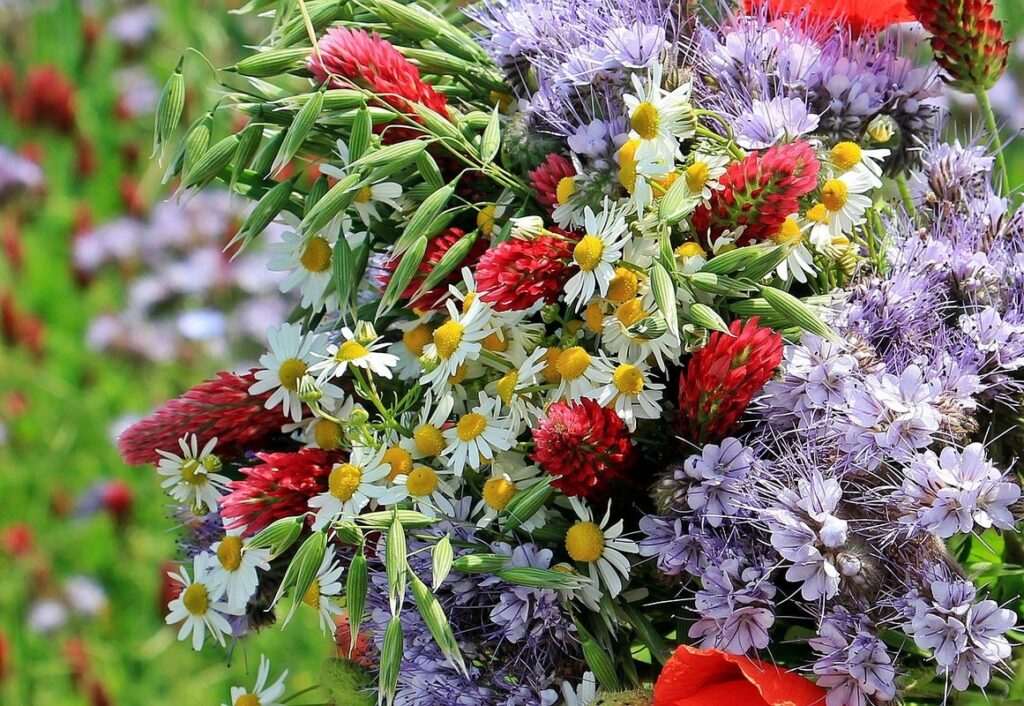
Understanding the Basics of Wildflowers
Let’s start by grasping the fundamental differences between annual and perennial wildflowers, which will help you better appreciate their unique characteristics. This foundation will set the stage for exploring each type in more depth.
What are Wildflowers?
Wildflowers are a type of flowering plant that grows naturally in their environment without being cultivated by humans. They’re often found in fields, meadows, and along roadsides, but can also thrive in more challenging conditions like rocky outcroppings or wetlands. What’s remarkable about wildflowers is their ability to adapt to different environments, making them incredibly resilient.
One of the key characteristics of wildflowers is their capacity to grow and bloom in a wide range of conditions. They may have evolved specific traits that allow them to survive in areas with poor soil quality, intense sunlight, or limited water availability. For example, some wildflowers have deep taproots that enable them to reach underground water sources, while others have developed thick stems to protect themselves from extreme temperatures.
As a result, wildflowers come in an astonishing array of shapes, sizes, colors, and scents. They’re a testament to the incredible diversity and adaptability of plant life. Whether you’re a seasoned gardener or just starting to explore the world of wildflowers, understanding their unique characteristics can help you appreciate and even cultivate these beautiful plants.
Types of Wildflowers: Annual vs. Perennial
When it comes to understanding wildflowers, one crucial distinction lies within their growth habits and life cycles: annual versus perennial. Annual wildflowers complete their life cycle within a year, germinating in the spring, blooming, producing seeds, and dying off before winter. These flowers often require replanting every season, making them perfect for gardeners who desire a fresh look each year.
Perennial wildflowers, on the other hand, thrive through multiple growing seasons. They typically sprout in early spring, bloom, and then die back in autumn or early winter, only to regrow anew the following spring. Perennials often require less maintenance than their annual counterparts but may need occasional division or pruning to maintain health.
Understanding whether a wildflower is annual or perennial can significantly impact garden planning and care. For instance, if you’re aiming for a low-maintenance landscape, perennials might be the way to go. However, if you prefer changing scenery each season, planting annuals could be your best bet.
Importance of Wildflowers in Ecosystems
Wildflowers play a vital role in maintaining the balance of ecosystems. One of the primary ways they contribute is by providing food for pollinators like bees, butterflies, and hummingbirds. These beneficial insects rely on nectar-rich wildflowers to fuel their activities, allowing them to reproduce and sustain themselves.
In addition to supporting pollinators, wildflowers also promote biodiversity within an ecosystem. By growing in diverse varieties, they create a haven for other plants and animals to thrive. For instance, the varied shapes and colors of wildflowers attract different species of insects, which in turn attract birds and small mammals seeking food or shelter.
To incorporate wildflowers into your garden or landscape design with the goal of supporting local ecosystems, start by choosing native species that will naturally draw pollinators. Consider planting a mix of annuals and perennials to provide year-round nectar sources for beneficial insects.
Planting and Caring for Annual Wildflowers
Now that you’ve learned about the different types of annual wildflowers, let’s dive into the process of planting and caring for them in your garden. This will ensure a thriving display of color all season long.
Choosing the Right Annual Wildflower Species
When choosing annual wildflower species, it’s essential to consider your local climate, soil type, and desired bloom color. This will help ensure that the flowers you select are not only beautiful but also thrive in their environment.
Start by evaluating your climate: are you in a hot and dry region or cooler with moderate rainfall? Different climates support different types of annual wildflowers. For instance, California poppies (Eschscholzia californica) love the warm, dry conditions of the western United States, while black-eyed Susans (Rudbeckia hirta) prefer the more temperate climates of the eastern US.
Next, consider your soil type: is it sandy, clay-based, or somewhere in between? Some annual wildflowers, such as cosmos (Cosmos bipinnatus), can tolerate a wide range of soils, while others like geraniums (Pelargonium spp.) prefer well-draining conditions.
Finally, think about the colors you want to incorporate into your garden. Do you prefer bright and bold blooms or soft pastels? Annual wildflowers come in a rainbow of colors, including vibrant reds, oranges, yellows, pinks, purples, and whites. By considering these factors, you can choose annual wildflower species that not only bring beauty but also thrive in their surroundings.
Preparing the Soil for Annuals
Preparing the soil for annual wildflowers is an often-overlooked but crucial step in ensuring their success. Before planting, take a few minutes to inspect and prepare the soil. Start by loosening the top 6-8 inches of soil with a garden fork or tiller. This will help break up any compacted soil, allowing roots to grow freely.
Check the pH level of your soil, as annual wildflowers can thrive in slightly acidic to neutral conditions (pH 6.0-7.0). Test your soil and adjust it if necessary by adding lime to raise the pH or sulfur to lower it.
Remove any debris, rocks, or weeds from the planting area. Annual wildflowers prefer well-draining soil that is rich in organic matter. Mix in a 2-inch layer of compost or well-rotted manure to enrich the soil and improve its structure. By taking these simple steps, you’ll create an ideal environment for your annual wildflowers to bloom and flourish throughout the growing season.
Watering and Maintenance Tips for Annuals
Annual wildflowers require regular watering and maintenance to thrive throughout their growing season. When planting annuals, make sure to water them deeply once or twice a week, depending on weather conditions. However, be cautious not to overwater, as this can lead to root rot and other problems.
To maintain your annual wildflowers, remove any deadheading flowers to encourage continuous blooming and prevent seed production. This will also help direct the plant’s energy towards producing new blooms rather than seeds.
Fertilization is another crucial aspect of maintaining annuals. Feed them with a balanced fertilizer once a month during their growing season. You can also side-dress with a high-phosphorus fertilizer to promote blooming.
Monitor your plants regularly for pests and diseases, such as aphids, whiteflies, and powdery mildew. Take action promptly if you notice any issues, using organic or chemical controls as needed.
Keep in mind that annual wildflowers typically have a shorter lifespan than perennials, so be prepared to replant every year. With proper care and attention, however, they can bring vibrancy and color to your garden for several months.
Planting and Caring for Perennial Wildflowers
To get started, let’s focus on planting and caring for perennial wildflowers, a low-maintenance way to bring beauty and life to your garden year after year.
Selecting the Right Perennial Wildflower Species
When selecting perennial wildflower species for your garden, it’s essential to choose varieties that thrive in your local climate conditions. This might seem obvious, but many gardeners make the mistake of planting species that are not suited to their region, leading to disappointment and frustration.
Start by researching which perennial wildflowers are native to your area or can tolerate the specific temperature, sunlight, and rainfall patterns found there. For example, if you live in a hot and dry climate like the Southwest, choose drought-tolerant species such as Lupine, Yarrow, or Blanket Flower (Gaillardia). On the other hand, if you’re gardening in the Northeast with cold winters, look for hardy perennials like Black-eyed Susan (Rudbeckia), Bee Balm (Monarda), or Catmint (Nepeta).
By selecting species that match your local climate, you’ll save yourself time and effort in the long run. Your plants will be more likely to thrive, bloom beautifully, and come back year after year with proper care. Remember to also consider factors like soil type and amount of sunlight when making your selection, but choosing the right climate is the first step towards a stunning perennial wildflower garden.
Preparing the Soil for Perennials
Preparing the soil for perennial wildflowers is an essential step that sets them up for success. Before planting, it’s crucial to assess and amend the soil conditions if necessary. Start by testing the pH level of your soil, as most perennials prefer a slightly acidic to neutral pH (around 6.0-7.0). If your soil is too alkaline or acidic, consider adding organic matter like compost or peat moss to adjust the pH.
Next, examine the soil structure and drainage. Perennials prefer well-draining soil that can support their deep taproots. If your soil is heavy clay or prone to waterlogging, mix in some perlite or sand to improve its structure. Additionally, remove any debris, rocks, or weeds from the planting area to create a clean slate.
Lastly, consider adding a balanced fertilizer to provide essential nutrients for growth. A slow-release fertilizer is ideal, as it promotes healthy root development and blooms throughout the growing season. By taking these steps, you’ll be giving your perennial wildflowers a solid foundation for thriving in their new home.
Tips for Long-Term Maintenance and Division
As you enjoy watching your perennial wildflowers bloom year after year, it’s essential to remember that they too need attention and care to thrive. With proper maintenance, these beautiful flowers can continue to provide stunning displays of color for decades to come.
When to divide and replant perennials is a crucial consideration. Typically, this process occurs every 3-5 years, depending on the species and growth rate. Spring or fall are ideal times for division, as the plant is dormant and less prone to stress. To prepare your perennial wildflowers for division, start by gently digging around the base of the plant, being careful not to damage any roots. Next, carefully separate the clumps into individual sections, making sure each section has at least one “eye” or growing point. Finally, replant the divided sections in a new location with well-draining soil and adequate sunlight.
Remember to also deadhead spent blooms, remove weeds, and mulch around the base of your perennial wildflowers to maintain their health and vigor.
Designing a Wildflower Garden with Annuals and Perennials
When combining annuals and perennials, consider layering taller perennial stems with shorter annual blooms to create a dynamic, colorful wildflower garden that changes throughout the seasons. This unique combination will add depth and visual interest to your outdoor space.
Combining Annuals and Perennials for Year-Round Interest
Combining annuals and perennials is a game-changer for creating year-round interest in your wildflower garden. By incorporating both types of plants into one bed or design, you can enjoy a dynamic display that evolves throughout the seasons. Annuals, which complete their life cycle within a year, provide a burst of color in the spring and summer months, while perennials return year after year, adding depth and structure to the garden.
To make the most of this combination, choose annuals that bloom at different times to ensure a continuous display of color. For example, plant cool-season annuals like pansies or violas in early spring, followed by warm-season annuals like marigolds or zinnias later on. Meanwhile, select perennials with attractive foliage or winter interest to add texture and visual appeal during the dormant seasons.
By balancing annuals and perennials in your design, you can create a thriving wildflower garden that’s full of life and beauty all year round.
Creating a Wildflower Meadow
Creating a wildflower meadow is a unique opportunity to blend annual and perennial species together to create a stunning and diverse landscape. To start, choose a spot that receives full sun to partial shade and has well-draining soil. Both annuals and perennials thrive in this type of environment.
Begin by planting a mix of low-growing perennials such as creeping thyme, sweet woodruff, or wild strawberry. These plants will provide a solid foundation for the meadow and help suppress weeds. Next, incorporate annual species like cosmos, black-eyed Susan, or poppies that will bloom throughout the growing season. Be sure to choose varieties with different bloom times to ensure year-round interest.
When selecting perennials, consider their growth habits and flowering times to create a layered effect. For example, plant taller perennials in the back of the meadow and shorter ones towards the front. This will create depth and visual interest. By combining annuals and perennials, you can create a vibrant and dynamic wildflower meadow that attracts pollinators and brings joy to your outdoor space.
Tips for Choosing Companion Plants
When choosing companion plants for your annual and perennial wildflower garden, it’s essential to select varieties that complement their unique characteristics. Consider the growth habits, bloom times, and textures of both types of flowers to ensure a harmonious coexistence.
For example, tall perennials like coneflowers or black-eyed Susans can provide a stunning backdrop for shorter annuals like petunias or marigolds. Similarly, flowering shrubs or vines like clematis or honeysuckle can add structure and interest when paired with low-growing perennials like creeping thyme or sedum.
When selecting companion plants, also think about the space they require and their maintenance needs. Some annuals, like impatiens or coleus, prefer shaded areas and consistent moisture, while perennials like daylilies or hostas are more drought-tolerant and can thrive in sunny spots.
By choosing companion plants that share similar growing conditions and requirements, you can create a balanced and thriving ecosystem in your wildflower garden.
Common Challenges and Solutions for Growing Wildflowers
As you nurture your wildflower garden, you’ll inevitably face challenges that can deter even the most enthusiastic growers. Let’s explore common obstacles and practical solutions to keep your blooms thriving.
Overcoming Soil and Climate Challenges
When it comes to growing wildflowers, you’re likely to encounter some challenges that can affect their health and vibrancy. Poor soil quality is one of the most common issues, but don’t worry – there are ways to overcome this hurdle. If your soil lacks essential nutrients or has high pH levels, consider adding organic matter like compost or manure to balance it out. You can also test your soil and amend it with fertilizers specifically designed for wildflowers.
Climate extremes, such as scorching heat or frost, can also damage your wildflower bed. To combat this, choose varieties that are tolerant of extreme temperatures or offer shade during the hottest part of the day. Some wildflowers, like cosmos and zinnias, thrive in full sun, while others prefer partial shade. Research the specific needs of your chosen species to ensure you’re providing optimal growing conditions.
It’s also essential to note that even if you’ve done everything right, extreme weather events can still affect your wildflower bed. However, by being proactive and choosing hardy varieties, you’ll be better equipped to handle these challenges and enjoy a stunning display of color all season long.
Managing Pests and Diseases in Wildflower Gardens
Wildflowers are beautiful additions to any garden, but they can also be vulnerable to pests and diseases. Identifying these issues early on is crucial to prevent them from spreading and causing significant damage. Here are some common pests and diseases that affect wildflowers, along with practical tips for managing them.
Aphids, whiteflies, and spider mites are common sucking insects that feed on the sap of wildflower leaves and flowers. To control these pests, use neem oil or insecticidal soap as a spray. For example, if you notice aphids on your coneflower blooms, try spraying them with a mixture of 1 tablespoon of neem oil and 1 quart of water.
Fungal diseases like powdery mildew and leaf spot can also affect wildflowers. These diseases thrive in humid conditions and can be treated with fungicides or copper-based sprays. To prevent fungal diseases from developing, ensure good air circulation around your plants by thinning out nearby vegetation.
Regular monitoring and maintenance are key to keeping pests and diseases at bay. Inspect your wildflower garden regularly for signs of infestation or infection, and take action promptly if you notice any issues.
Conclusion: Embracing the Beauty of Annual and Perennial Wildflowers
As you’ve navigated through this guide on annual and perennial wildflowers, we hope you’re now inspired to incorporate these stunning blooms into your outdoor space. Remember, the key to making them thrive is understanding their unique needs and habits. Whether it’s providing the right amount of sunlight or maintaining a consistent watering schedule, taking the time to learn about each species will pay off in the long run.
With this knowledge, you’re now empowered to choose the perfect wildflowers for your garden, considering factors like climate, soil type, and maintenance requirements. By embracing the diversity of annual and perennial wildflowers, you’ll not only add visual interest but also attract pollinators and create a thriving ecosystem. So go ahead, take the plunge, and enjoy the beauty these amazing flowers bring to your outdoor space.
Frequently Asked Questions
What are the best companion plants for annual wildflowers?
When planting annual wildflowers, it’s essential to choose companion plants that complement their growth habits and requirements. Some excellent options include herbs like lavender, rosemary, or thyme, which attract pollinators and add fragrance to your garden. You can also consider planting native grasses or low-growing shrubs to create a diverse and thriving ecosystem.
How do I handle common challenges like poor soil quality?
Soil conditions are often the primary concern when growing wildflowers. To overcome poor soil quality, focus on improving drainage, adding organic matter like compost or manure, and adjusting your pH levels if necessary. Consider using raised beds or containers to create a more controlled environment for your plants.
Can I plant annual and perennial wildflowers together in the same bed?
While it’s possible to combine annuals and perennials in the same bed, keep in mind that their growth habits and requirements may differ significantly. Perennials typically require less maintenance and can thrive in poor soil conditions, whereas annuals need more frequent watering and fertilization. Consider creating separate sections for each type of plant or using a mix of both to create a diverse landscape.
How do I design a wildflower garden that attracts pollinators year-round?
To create a pollinator-friendly garden with year-round interest, focus on selecting a variety of annuals and perennials that bloom at different times. Incorporate native plants, shrubs, or trees that provide food, shelter, and habitat for local wildlife. Don’t forget to include water sources like birdbaths or shallow dishes filled with fresh water to keep pollinators hydrated.
Can I use wildflowers as a natural solution for weed control?
Wildflowers can indeed serve as an effective natural solution for weed control when planted densely in the right conditions. Their deep taproots and spreading habits can outcompete weeds, reducing the need for herbicides or manual removal. However, keep in mind that this method may require some trial and error to achieve optimal results depending on your specific climate and soil type.