
Are you ready to add a pop of sunshine to your garden? Yellow rose climbing plants are not only stunning, but they’re also incredibly rewarding to grow. These beautiful flowers offer a multitude of benefits, from attracting pollinators and adding color to your outdoor space, to providing a lush backdrop for outdoor entertaining. But with so many varieties to choose from, it can be overwhelming to know where to start.
In this comprehensive guide, we’ll take you through the ins and outs of growing, training, and caring for yellow rose climbing plants. We’ll cover everything from popular varieties and planting techniques to benefits and characteristics. Whether you’re a seasoned gardener or just starting out, our expert tips and advice will have your yellow roses thriving in no time. So, let’s get started on this journey to create the perfect climbing rose arrangement!
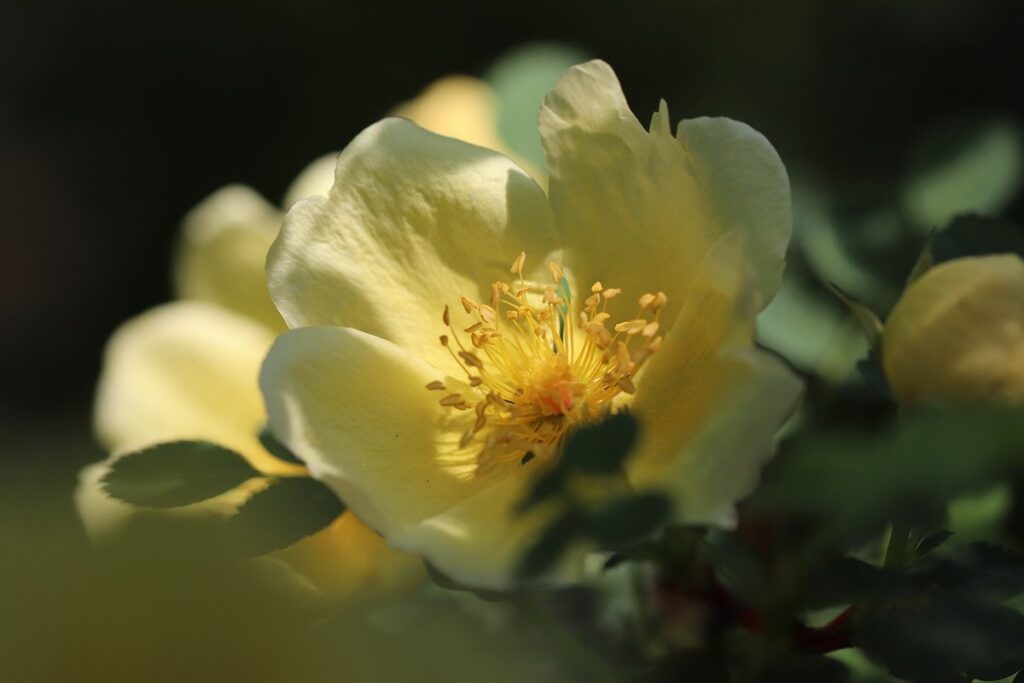
Benefits and Characteristics of Yellow Roses
When it comes to yellow rose climbing, understanding its benefits and characteristics is essential for creating a stunning display. This includes its vibrant color and impressive growth habits.
Why Choose a Yellow Rose Climbing Plant?
When it comes to choosing a climbing plant for your garden or home, you have many options to consider. However, if you’re looking for a stunning and versatile addition that’s sure to impress, a yellow rose climbing plant is an excellent choice.
One of the main reasons people choose yellow rose climbing plants is their breathtaking beauty. With vibrant, sunny blooms that burst with color, these plants add a pop of warmth and energy to any space. Whether you’re looking for a statement piece or a more subtle accent, there’s a yellow rose variety to suit your taste.
Another significant advantage of yellow rose climbing plants is their incredible fragrance. Many varieties produce sweet, heady scents that fill the air with their intoxicating aroma. This not only adds to their beauty but also creates a sensory experience that’s hard to beat.
Lastly, yellow rose climbing plants are incredibly adaptable and can thrive in a range of conditions. From full sun to partial shade, and from well-draining soil to more fertile soils, these plants are remarkably resilient. With proper care, they can even tolerate cooler temperatures and some drought.
Understanding the Key Characteristics of Yellow Roses
When it comes to growing yellow roses that can thrive as climbers, understanding their key characteristics is crucial. One of the most notable traits of yellow roses is their vigorous growth habit. They tend to grow rapidly and need regular pruning to keep them under control. This makes them an excellent choice for trellises or arbors, where they can be trained to climb upwards.
Another significant characteristic of yellow roses is their bloom time. While many rose varieties bloom only once a year, yellow roses often produce repeat blooms throughout the growing season. This means that you’ll get multiple flushes of beautiful flowers from spring to fall. Additionally, many yellow rose varieties are bred for disease resistance, making them a low-maintenance option for gardeners.
Some popular yellow rose varieties suitable for climbing include ‘Juliette Harkness’, ‘Lady Banksia’, and ‘Cassanova’. These roses are not only stunning but also relatively easy to care for. When choosing a yellow rose climber, look for plants that have a strong stem and vigorous growth habit. With proper care, these beautiful flowers will thrive in your garden.
Choosing the Right Variety for Your Garden
When selecting a yellow rose climbing variety, consider factors such as climate, sunlight, and soil type to ensure your plant thrives. This will help you choose a variety that suits your garden’s unique needs.
Factors to Consider When Selecting a Yellow Rose Climbing Plant
When selecting a yellow rose climbing plant for your garden, it’s essential to consider several key factors that will ensure its success and beauty. First and foremost, think about the climate where you live. Yellow roses are generally more tolerant of cooler temperatures than other varieties, but they still require at least 6 hours of direct sunlight per day. If you live in an area with hot summers or cold winters, choose a variety that is bred for heat tolerance or hardiness.
Next, consider the soil type in your garden. Roses prefer well-draining soil with a pH between 6.0 and 6.5. Avoid planting in areas where water tends to collect, as this can lead to root rot and other problems. Also, think about the available space you have for the plant to climb. Make sure there are sturdy trellises or supports nearby, and consider pruning any nearby plants that may compete with your yellow rose for resources.
By carefully considering these factors, you’ll be able to choose a beautiful and thriving yellow rose climbing plant that will bring joy and beauty to your garden for years to come.
Popular Varieties of Yellow Rose Climbers
If you’re looking to add some sunshine to your garden, consider planting one of these popular varieties of yellow rose climbers. The ‘Cecile Brunner’ is a classic choice, known for its delicate, pastel-yellow blooms and vigorous growth habit. It’s perfect for covering trellises or arbors with a sea of tiny roses.
For something more dramatic, try the ‘Mister Lincoln’ hybrid tea rose. Its large, bright yellow flowers are sure to make a statement in your garden, and its relatively compact size makes it ideal for smaller spaces. Another option is the ‘Juliet’ cluster-flowered rose, which produces clusters of golden-yellow blooms that will cascade down from even the tallest supports.
When choosing a variety of yellow rose climber, be sure to consider factors like growth habit, bloom time, and disease resistance. Make sure to choose a variety that suits your specific climate and garden conditions for optimal performance. With so many options available, it’s easy to find the perfect yellow rose climber to brighten up your outdoor space.
Planting and Training Your Yellow Rose Climber
Now that you’ve chosen your perfect yellow rose climber, it’s time to learn how to plant and train it to thrive and bloom beautifully. This section will guide you through the essential steps for a successful start.
Preparing the Soil for Planting
Before planting your yellow rose climber, it’s essential to prepare the soil properly to ensure optimal growth. This may seem like a no-brainer, but it’s often overlooked by gardeners. The fact is that most plants, including roses, are adapted to grow in specific types of soil.
To determine if your soil needs any adjustments, start by getting a soil test done. This will tell you the pH level and nutrient content of your soil. Yellow rose climbers prefer well-draining, fertile soil with a pH between 6.0 and 6.5. If your soil is too alkaline or acidic, it may need to be amended.
Add organic matter like compost or manure to improve soil structure and fertility. You can also add a balanced fertilizer according to the manufacturer’s instructions. Another crucial step is to loosen the soil to a depth of about 12 inches to provide room for the rose’s roots to grow. By preparing your soil properly, you’ll set your yellow rose climber up for success and encourage healthy growth from the get-go.
Training and Pruning Techniques for Optimal Growth
To encourage healthy growth and optimal flowering, it’s essential to master the art of training and pruning techniques for your yellow rose climber. As a climbing rose, it thrives on support and regular maintenance. Start by providing sturdy trellis or arbor for your rose to cling onto, ensuring it receives sufficient sunlight.
Regular pruning is crucial for promoting a balanced structure and encouraging new growth. Remove any dead, diseased, or damaged canes during dormant season (winter) to prevent the spread of disease. In the growing season, prune regularly to maintain shape and encourage new blooms. Cut back stems that have finished flowering by about one-third to encourage repeat blooming.
Prune for structure in late winter or early spring, removing any crossing or rubbing branches. Remove any weak or spindly growth, promoting a robust and balanced framework for your rose. Regular pruning will also help control the height and width of your climber, making it easier to train onto its support system.
Remember, patience is key when training and pruning your yellow rose climber. With consistent care and attention, your rose will thrive and provide years of beauty and fragrance.
Care and Maintenance Tips for Maximum Blooms
To get the most out of your yellow rose climbing, make sure you’re providing the right conditions for maximum blooms by following these essential care tips. Regular maintenance is key!
Watering and Fertilization Requirements
When it comes to providing optimal care for your yellow rose climber, watering and fertilization are crucial aspects that require attention. Consistent moisture levels are essential for promoting healthy growth and blooming. Aim to provide about 1-2 inches of water per week, either through rainfall or irrigation. Be cautious not to overwater, as this can lead to root rot and other issues.
To ensure your rose climber receives the necessary nutrients, incorporate a balanced fertilizer into its routine. Look for products containing nitrogen (N), phosphorus (P), and potassium (K) in the ratio of 10-10-10. You can also add a rose-specific fertilizer for extra benefits. A general rule is to fertilize during the growing season, from spring to fall, but avoid overfertilizing.
Some other key considerations include:
* Using compost or well-rotted manure to enrich soil conditions
* Avoiding fertilizers high in nitrogen, which can promote leaf growth at the expense of blooms
* Fertilizing new plantings immediately after transplanting for maximum uptake
Pest and Disease Management Strategies
As a yellow rose climber owner, you’re probably aware that these beautiful flowers can be susceptible to pests and diseases that can affect their blooms. One of the most common issues is aphids, which are tiny insects that feed on the sap of the plant, causing curled or distorted leaves. To manage aphid infestations, try spraying your rose with a strong jet of water to dislodge them, followed by a mild insecticidal soap solution.
Another issue you may encounter is powdery mildew, a fungal disease that causes white, powdery patches on the leaves and stems of your rose. To prevent powdery mildew, ensure good air circulation around your plant and avoid overhead watering, which can spread spores. If you do notice symptoms, treat with a fungicide specifically designed for roses.
Regularly inspecting your plant for signs of pests or diseases is essential to catch issues early on. Keep an eye out for other common problems like black spot, rust, and spider mites. By staying vigilant and taking prompt action when needed, you can help ensure your yellow rose climber continues to thrive and produce plenty of blooms.
Tips for Encouraging Repeat Blooming and Vigor
To get the most out of your yellow rose climbing plant, it’s essential to encourage repeat blooming and vigor. This section shares expert tips on how to achieve this goal naturally.
Understanding the Importance of Deadheading
When it comes to encouraging repeat blooming and vigor in your yellow rose climbing, one crucial aspect to consider is deadheading. This process involves removing spent flowers from the plant to promote continuous flowering and prevent seed production. By doing so, you’re essentially signaling the plant to redirect its energy towards producing new blooms instead of investing in seeds.
To remove spent flowers effectively, simply snip off the entire stem at a 45-degree angle just above the first five-leaf set. This will help the plant conserve water and energy while encouraging it to produce more flowers. Make sure to remove all dead or dying flowers, as these can harbor disease and attract pests that might harm your plant.
Regular deadheading can make a significant difference in the blooming cycle of your yellow rose climbing. Aim to remove spent flowers every 7-10 days during peak blooming periods to maintain optimal flowering performance. By incorporating this simple yet effective technique into your care routine, you’ll be rewarded with a more vibrant and resilient plant that continues to produce stunning blooms throughout the growing season.
Promoting Healthy Growth Habits with Regular Pruning
To encourage repeat blooming and vigor in your yellow rose climber, it’s essential to develop healthy growth habits through regular pruning. Pruning isn’t just about maintaining the plant’s shape; it also promotes new growth, prevents disease, and encourages blooms.
For a climbing rose like yours, prune at least twice a year – once in late winter or early spring, and again after the first flush of blooming in summer. Remove any dead, diseased, or damaged wood to prevent the spread of disease and encourage healthy growth. Cut back canes to about one-third to one-half their length to stimulate new growth from the base.
During the growing season, prune your yellow rose climber every 4-6 weeks to maintain its shape and promote blooming. Remove any weak or spindly growth, and cut back long stems to encourage branching. This will also help control the plant’s height and prevent it from becoming leggy. By incorporating regular pruning into your maintenance routine, you’ll be rewarded with a more robust, vibrant, and continuously blooming yellow rose climber.
Common Challenges and Solutions for Yellow Rose Climbers
As you continue to nurture your beautiful yellow rose climbers, you may encounter some common issues that can be frustrating to deal with. Let’s explore some of these challenges and their easy-to-implement solutions together.
Overcoming Common Problems Such as Powdery Mildew or Black Spot
If you’re growing yellow rose climbers, chances are high that you’ll encounter some common issues like powdery mildew or black spot. These fungal diseases can be detrimental to the health and appearance of your roses.
Prevention is key when it comes to these problems. First, ensure good air circulation around your plants by pruning nearby vegetation and using a trellis to provide support without overcrowding the area. Regularly inspect your plants for signs of infection, such as white powder or black spots on the leaves. If you catch it early enough, you can treat the affected areas with a fungicide specifically designed to target these diseases.
To prevent powdery mildew, water your roses at their base rather than overhead, and avoid getting water on the leaves. For black spot, remove any infected leaves or stems, and disinfect your pruning tools between cuts. Be proactive, and take preventative measures to minimize the risk of infection in the first place.
Troubleshooting Issues with Blooms or Growth Patterns
When it comes to yellow rose climbers, issues with blooms or growth patterns can be frustrating and puzzling. But don’t worry, with a few troubleshooting strategies, you can identify the problem and get back on track.
Firstly, let’s talk about bloom issues. One common problem is sparse blooming, where your rose doesn’t produce as many flowers as it should. This could be due to factors like inadequate sunlight, poor soil quality, or insufficient watering. To address this, make sure your plant is getting at least 6 hours of direct sunlight and fertilize it regularly with a balanced fertilizer.
Another issue you might encounter is uneven blooming patterns. If one side of the rose is producing more flowers than the other, it could be due to shading from nearby plants or structures. Prune any obstructive branches or move your rose to a brighter location.
On the other hand, if you notice unusual growth patterns like weak stems or twisted canes, it might be a sign of disease or pest infestation. Regularly inspect your plant for signs of pests like aphids or spider mites and treat promptly if necessary.
Keep in mind that prevention is key. Regular maintenance tasks like pruning, training, and monitoring will go a long way in preventing problems with blooms and growth patterns. By staying vigilant and addressing issues early on, you can ensure your yellow rose climber thrives and produces beautiful flowers all season long.
Frequently Asked Questions
Can I plant yellow rose climbing plants in containers or do they require direct soil planting?
Yes, you can plant yellow rose climbing plants in containers provided they have good drainage and are at least 12-18 inches deep to accommodate the roots. However, keep in mind that container-grown roses may need more frequent watering and fertilization.
How often should I water my yellow rose climbing plant during hot summer months?
Yellow rose climbing plants require consistent moisture, especially during hot summer months. Water them deeply once or twice a week, depending on weather conditions, to maintain soil moisture. Avoid overwatering, which can lead to root rot.
What are some common pests and diseases that affect yellow rose climbing plants, and how do I prevent them?
Common pests like aphids, whiteflies, and spider mites can infest yellow rose climbing plants. Regularly inspect your plant for signs of infestation and use neem oil or insecticidal soap to control pest populations. Diseases like powdery mildew and black spot can also occur; practice good sanitation, provide adequate air circulation, and treat with fungicides as needed.
Can I train my yellow rose climbing plant to grow up a trellis or arbor without damaging the support?
Yes, you can train your yellow rose climbing plant to grow up a trellis or arbor using twine or wire supports. However, ensure the structure is sturdy enough to support the weight of the plant and its flowers. Regularly inspect the supports for signs of damage or wear.
How often should I prune my yellow rose climbing plant to promote healthy growth and encourage repeat blooming?
Prune your yellow rose climbing plant after it finishes blooming in late spring or early summer, removing any dead, diseased, or damaged wood. Then, trim back canes by about one-third to one-half of their length to maintain shape and encourage new growth. Repeat this process annually to promote healthy growth and repeat blooming.