
Are you struggling to keep your rosemary plants thriving? Do you find yourself constantly searching for tips on how to prune them effectively? You’re not alone! Rosemary can be a bit finicky, but with the right care and attention, it’s one of the most rewarding herbs to grow. Not only does it add incredible flavor to your cooking, but its fragrance is also known to improve focus and cognitive function.
In this comprehensive guide, we’ll walk you through the essential steps for growing and maintaining healthy rosemary plants. We’ll cover everything from soil preparation and watering techniques to pruning strategies that will keep your plant bushy and productive. Plus, we’ll address some common problems you may encounter, such as pests, diseases, and over-pruning. By the end of this article, you’ll be equipped with the knowledge you need to grow robust, fragrant rosemary year after year.
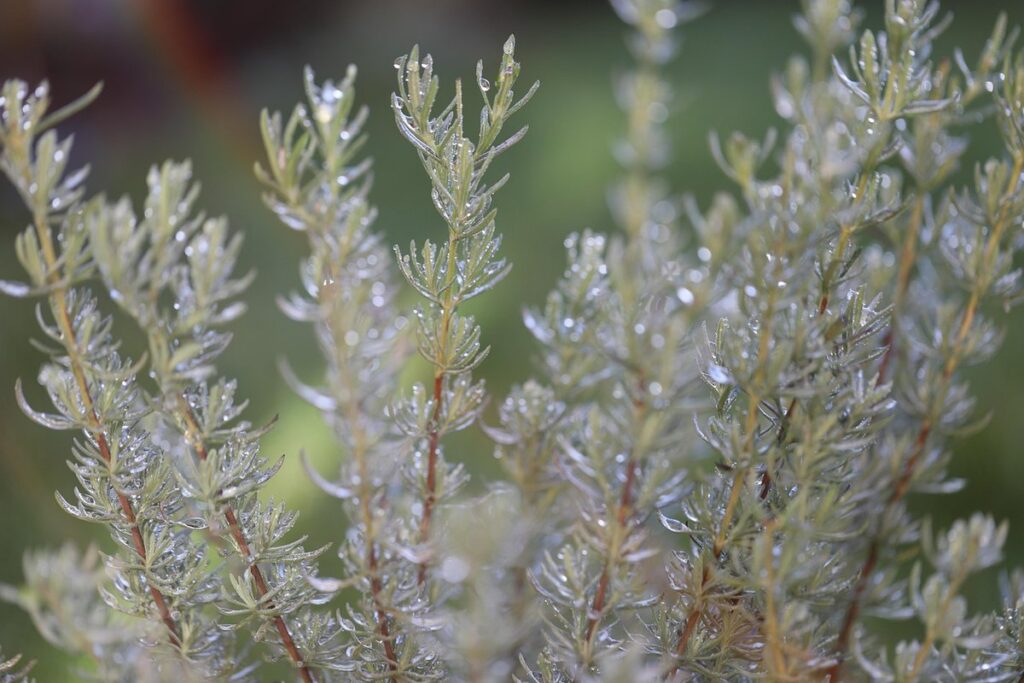
Understanding Rosemary Plants
To truly master rosemary care and pruning, it’s essential to understand the unique characteristics and needs of these fragrant herb plants. In this next part, we’ll explore their specific requirements in detail.
Choosing the Right Variety
When it comes to choosing the right rosemary plant for your garden, you’ll find that there are several varieties to consider. Each type has its own unique growth habit and characteristics, making some more suitable than others depending on your needs.
For example, creeping rosemary (Rosmarinus officinalis ‘Prostratus’) is a great choice if you want a low-maintenance option that can thrive in containers or as a groundcover. Its spreading habit allows it to fill gaps between pavers or stones, and its compact growth makes it perfect for small spaces.
Upright rosemary (Rosmarinus officinalis) is the most common type found in gardens, growing up to 2-3 feet tall with a similar width. This variety prefers well-draining soil and full sun, making it ideal for Mediterranean-style gardens or areas with dry climates.
English rosemary (Rosmarinus officinalis ‘Miss Jessop’s Upright’) is another popular choice, known for its slender growth habit and delicate foliage. It’s a good option if you want a more compact variety that still produces plenty of fragrant leaves.
Consider your garden’s conditions, available space, and desired level of maintenance when selecting the right rosemary plant. By choosing a variety that suits your needs, you’ll be better equipped to provide the best possible care and enjoy its benefits for years to come.
Planting and Soil Requirements
When planting a new rosemary bush, it’s essential to give it a strong foundation for optimal growth. Start by selecting a well-draining soil mix specifically designed for herbs and Mediterranean plants like rosemary. Avoid using regular garden soil, as it can retain too much moisture and lead to root rot.
Rosemary prefers a slightly acidic to neutral soil pH, ranging from 6.0 to 7.0. If your tap water is alkaline (high in pH), consider mixing in some sulfur or peat moss to lower the pH level. Space new rosemary bushes at least 12-18 inches apart, allowing for air circulation and sunlight penetration.
When planting, dig a hole slightly larger than the root ball and gently spread out the roots. Water thoroughly after planting and keep the soil consistently moist during the first few weeks. Mulch around the base to retain moisture, suppress weeds, and regulate soil temperature. By providing the right environment from the start, you’ll be well on your way to growing a healthy and thriving rosemary bush.
Basic Care for Rosemary Plants
To keep your rosemary plant healthy and thriving, start by understanding its basic care requirements, including watering and pruning techniques. This will give it a solid foundation to grow strong and fragrant.
Watering and Humidity
Watering rosemary plants is an art that requires attention to detail, especially when it comes to frequency and amount. Over-watering can be detrimental to the plant’s health, causing root rot and other problems. Under-watering, on the other hand, may not provide the necessary nutrients for optimal growth.
As a general rule of thumb, water your rosemary plants when the top inch of soil feels dry to the touch. This is usually once or twice a week during spring and summer months when the plant is actively growing. However, this frequency may vary depending on your climate and environment.
Maintaining humidity levels suitable for rosemary plants is also crucial. They thrive in well-ventilated areas with moderate humidity levels, typically between 40% to 60%. You can increase the humidity around your plant by placing it on a tray filled with water and pebbles or using a humidifier nearby.
Some rosemary varieties are more sensitive to humidity than others, so make sure to research the specific needs of your plant. By paying attention to watering frequency and maintaining suitable humidity levels, you’ll be well on your way to creating an optimal environment for your rosemary plants to thrive.
Fertilization and Mulching
Fertilizing rosemary plants is essential to maintain their health and promote growth. However, over-fertilization can harm the plant, so it’s crucial to follow a balanced approach. Feed your rosemary with a low-nitrogen, high-potassium fertilizer during the growing season (spring and summer). This will provide the necessary nutrients for optimal growth without promoting excessive foliage production.
You should fertilize your rosemary every 4-6 weeks during the active growing period. You can also add compost or well-rotted manure to the soil to enrich its fertility. For instance, a mix of one part compost and two parts potting soil can work wonders for your rosemary plant.
Mulching is another vital aspect of rosemary care that helps retain moisture in the soil while suppressing weeds. Apply a 2-inch layer of organic mulch around the base of the plant, keeping it a few inches away from the stem to prevent rot. You can use materials like wood chips, bark, or straw as effective mulching agents. Regularly replenish the mulch as it breaks down and becomes less effective over time.
Regular fertilization and mulching will provide your rosemary with the necessary support for optimal growth and health.
Pruning Techniques for Rosemary
When it comes to rosemary pruning, mastering a few key techniques can make all the difference. Let’s dive into the best methods for shaping and maintaining your herb garden staple.
Why Prune Rosemary?
Pruning rosemary is not just about maintaining its shape; it’s essential for its overall health and longevity. When left unpruned, rosemary plants can become leggy, with long stems that droop under the weight of their own foliage. This not only affects their appearance but also creates an environment conducive to pests and diseases.
By pruning your rosemary regularly, you’re removing weak growth, which encourages the plant to focus its energy on producing new, healthy shoots. This process is called “hard pruning,” and it’s especially beneficial for young or overgrown plants. It not only improves air circulation around the plant but also allows sunlight to penetrate deeper into the foliage, reducing moisture retention that can lead to root rot.
Pruning also helps prevent pest infestations, such as spider mites and mealybugs, which thrive in dense, humid environments. Additionally, pruning removes any diseased or damaged areas, preventing the spread of fungal diseases like powdery mildew and root rot. Regular pruning will keep your rosemary looking its best while promoting a balanced growth habit that’s more resistant to pests and diseases.
Basic Pruning Tools and Safety Precautions
To prune rosemary effectively, you’ll need some basic tools that will help you get the job done efficiently. Pruning shears are a must-have for this task, as they allow you to make precise cuts on smaller stems and branches. Loppers are also essential, especially when dealing with thicker growth or when cutting larger sections of the plant.
When working with rosemary, it’s crucial to follow some basic safety precautions to avoid injuries. Wear protective gloves to shield your hands from thorns and sap, which can cause skin irritation in some individuals. Safety glasses will protect your eyes from debris that may fly off during pruning. Make sure you have a clean and stable workspace, free from any obstacles or tripping hazards.
It’s also vital to keep the pruning tools sharp and clean throughout the process. Dull blades can lead to uneven cuts and increase the risk of accidents. Always disinfect your tools after use to prevent the spread of diseases that might be present on the plant.
Advanced Pruning Techniques
As you’ve gained experience pruning your rosemary, it’s time to take it to the next level by mastering more advanced techniques that promote healthy growth and encourage bushy shapes. This section will walk you through expert-approved methods for achieving a lush, well-maintained rosemary plant.
Pinching and Tying in Rosemary
When pinching rosemary tips to encourage bushy growth, timing is everything. Wait until your rosemary plant has reached a height of around 6-8 inches (15-20 cm), and you notice the stem starting to elongate. This is usually after it’s had its initial pruning at the beginning of the growing season. Gently pinch off the top 1-2 inches (2.5-5 cm) of new growth, using your thumb and index finger to snip through the stem just above a leaf node. This will encourage the plant to focus its energy on developing side shoots, resulting in a fuller, more compact shape.
Tying in new stems is essential for supporting rosemary’s long, thin branches as they grow. Choose a sturdy stem with two or three sets of leaves and tie it gently to the nearest support using twine or wire. Make sure not to constrict the stem, as this can damage the bark and lead to disease. For more vigorous varieties, you may need to tie in multiple stems at different heights, but avoid overcrowding the plant by leaving about 6-8 inches (15-20 cm) between each support. By providing the right amount of support, you’ll be able to enjoy your rosemary’s full potential and prevent it from becoming leggy or top-heavy.
Trimming Back Overgrown Rosemary
When it comes to trimming back overgrown rosemary plants, it’s essential to know just how much to cut. This helps prevent shock to the plant and encourages new growth. A good rule of thumb is to prune about one-third of the plant at a time. Cutting back too much can lead to stress and potentially kill the plant.
To begin, take a step back and assess your rosemary’s shape. Identify any leggy or damaged stems that are pulling the plant out of balance. Cut these off just above a growth node, where new shoots will emerge. Remove any dead or woody material as well, taking care not to damage the surrounding foliage.
For older, more established plants, it’s best to prune in stages over several weeks. This allows the plant to adjust and reduces the risk of disease or pests. During each pruning session, aim for a balanced shape, considering the plant’s natural growth habit. This will encourage bushy new growth and prevent legginess.
Common Problems and Solutions
As you tend to your rosemary, you might encounter some challenges. In this section, we’ll address common problems and their practical solutions to keep your herb thriving.
Dealing with Pests and Diseases
Dealing with pests and diseases is an unfortunate reality when it comes to rosemary care. These tiny critters and fungal infections can quickly spread and cause irreparable damage to your beautiful herb plant. Let’s take a look at some common culprits: spider mites, mealybugs, root rot, and leaf spot.
Spider mites are tiny, spider-like insects that feed on the sap of rosemary leaves, leaving behind a fine webbing and yellowing foliage. To prevent infestations, keep your plant in well-ventilated areas with low humidity levels. If you notice any signs of spider mites, treat your plant with neem oil or insecticidal soap.
Mealybugs are small, white insects that secrete a sticky substance called honeydew, which attracts ants and promotes fungal growth. To get rid of mealybugs, isolate the infected plant and gently wipe down its leaves with a soft cloth dipped in soapy water. Regular pruning can also help prevent infestations.
Root rot is often caused by overwatering or poor drainage. To prevent root rot, make sure your pot has good drainage holes and avoid getting water on the leaves to prevent fungal growth. Leaf spot is typically caused by excessive moisture and humidity. To treat leaf spot, remove infected leaves and improve air circulation around the plant.
By being vigilant and taking prompt action when you notice any signs of pests or diseases, you can save your rosemary plant from further damage.
Handling Overwintering and Frost Damage
As a rosemary enthusiast, you’re likely aware that these fragrant herbs can be sensitive to harsh winter conditions and frost damage. When overwintering is not possible, it’s essential to take proactive steps to protect your rosemary plants from the cold. If your rosemary does suffer from frost damage, don’t worry – with proper care and attention, you can help it recover and rejuvenate.
To safeguard your rosemary against winter chill, bring potted plants indoors or relocate them to a protected area like a greenhouse or sunroom. For those that must stay outdoors, mulch heavily around the base of the plant to insulate the roots from extreme cold. Additionally, prune back any damaged or dying branches before new growth begins.
In cases where your rosemary has been exposed to frost damage, inspect the plant carefully for dead or dying stems. Use clean pruning shears to cut these away, making sure each snip is just above a node (where leaves meet stem). This will help stimulate new growth and prevent the spread of disease. Apply a balanced fertilizer to promote healthy recovery, and keep your rosemary in a bright, sunny spot until it regains its vigor.
Conclusion and Tips for Success
Now that you’ve mastered the art of rosemary care and pruning, let’s recap what we’ve learned and provide some final tips to keep your herb thriving all year round.
Putting it All Together
Now that we’ve covered the ins and outs of rosemary care and pruning, let’s recap the essential techniques to ensure a healthy and thriving plant. First and foremost, remember that rosemary loves well-draining soil and full sun, so make sure you’re providing it with these optimal conditions.
When it comes to watering, be mindful not to overwater your rosemary – this can lead to root rot and other problems. Instead, water sparingly but thoroughly, allowing the top inch of soil to dry out between waterings. Also, don’t forget to fertilize your rosemary regularly, using a balanced fertilizer to promote healthy growth.
In terms of pruning, we discussed how regular shaping and trimming can help control the plant’s size and encourage bushy growth. Remember to prune in the spring or summer when new growth is happening, and be sure to remove any woody stems to maintain the plant’s shape.
By following these care and pruning techniques, you’ll be well on your way to growing a robust and fragrant rosemary plant that will bring joy to your kitchen for years to come.
Final Tips and Recommendations
To truly make the most of your rosemary plant, consider companion planting with herbs like thyme and oregano. These Mediterranean natives share similar growing conditions and can enhance each other’s flavors when used together in cooking. For instance, pairing rosemary with garlic and lemon will add depth to roasted meats or vegetables.
When it comes to using rosemary in the kitchen, don’t be afraid to experiment with different parts of the plant. The leaves are a natural addition to soups, stews, and sauces, while the stems can be used as skewers for grilled meats or vegetables. You can also make a fragrant rosemary syrup by steeping fresh leaves in sugar water – perfect for topping cocktails or desserts.
To keep your rosemary plant thriving year-round, consider pruning it regularly to maintain its shape and encourage new growth. By doing so, you’ll not only promote healthy foliage but also stimulate the production of essential oils responsible for the herb’s signature fragrance and flavor. With these final tips and recommendations in mind, you’re well on your way to mastering rosemary care and reaping the rewards of this versatile and aromatic plant.
Frequently Asked Questions
How do I propagate rosemary from cuttings, and what are the chances of success?
To increase your chances of propagating rosemary from cuttings, take 4-6 inch stem sections with at least two nodes. Remove lower leaves, dip in rooting hormone, and plant in well-draining soil. Keep the soil consistently moist but not waterlogged, and provide a warm location with high humidity. Rosemary propagation can be tricky, but successful rates range from 50% to 80%.
Can I grow rosemary indoors year-round, or will it require seasonal rotation?
While rosemary can tolerate indoor conditions, it typically prefers outdoor growing in warmer temperatures (above 60°F) and full sun. To keep your rosemary thriving year-round, consider using grow lights for winter months and placing the plant near a sunny window.
How often should I prune my rosemary to maintain its shape and promote healthy growth?
Prune your rosemary regularly to encourage bushy growth and prevent it from becoming leggy. Aim for 2-3 pruning sessions per year: once in spring, after new growth begins; again mid-summer to control height; and a final time in fall before frost sets in.
What are some common mistakes people make when pruning rosemary, and how can I avoid them?
Avoid over-pruning your rosemary, as this can stress the plant and lead to disease. Don’t prune more than one-third of the plant’s foliage at once, and never remove more than 50% of new growth in a single session.
Can I grow multiple varieties of rosemary together, or will they compete for resources?
While it’s possible to grow multiple rosemary varieties together, consider their mature size and growing conditions. Some varieties may be more compact or have specific requirements that could lead to competition for resources like light, water, and nutrients.