
Pruning your pear tree is an essential part of its care, but did you know that some techniques are more effective than others? One crucial method to master is spur pruning. For those new to gardening or unfamiliar with this technique, let’s start by understanding why it’s so important. Properly pruned pear trees produce better fruit and promote overall tree health. However, managing established branches and avoiding common mistakes can be intimidating, especially for beginners.
In this article, we’ll delve into the world of pear tree spur pruning, covering its importance, techniques, and strategies for success. You’ll learn how to identify the right branches to prune, when to do it, and how to avoid common pitfalls that can harm your tree’s productivity. By the end of this post, you’ll be equipped with the knowledge and confidence to tackle even the most challenging pear tree pruning jobs.
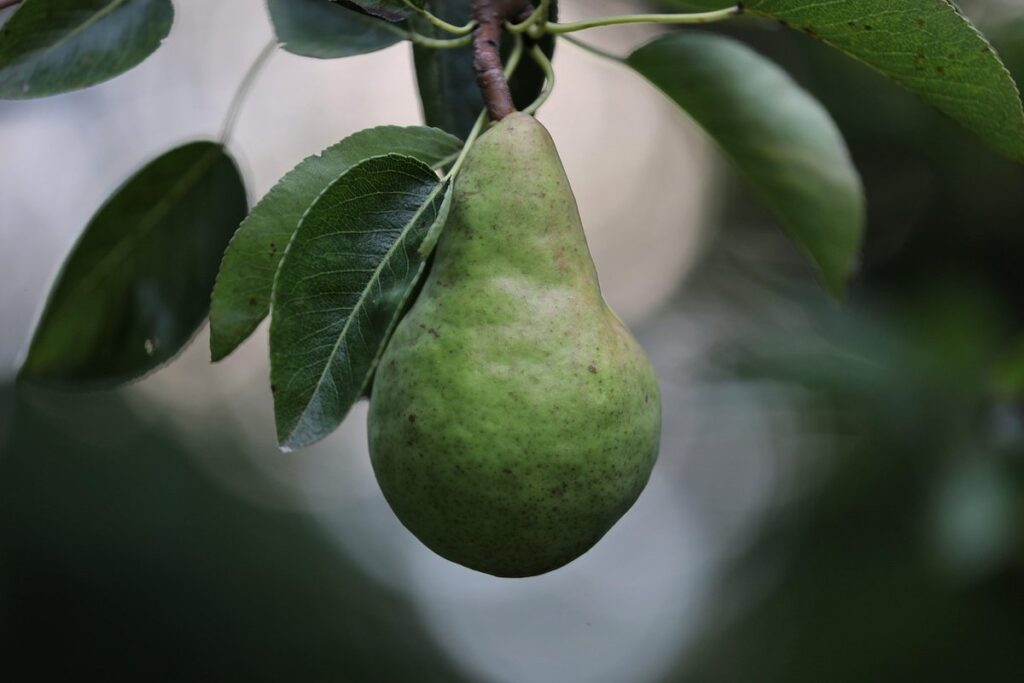
Understanding the Importance of Spur Pruning
Now that you know the basics of spur pruning, it’s essential to understand why this technique is crucial for promoting healthy growth in your pear trees. Effective spur pruning can make a significant difference in their overall productivity.
What is Spur Pruning and Why is it Necessary?
Spur pruning is a crucial technique for maintaining the health and productivity of pear trees. In essence, spur pruning involves reducing the number of fruiting branches on the tree to encourage more vigorous growth and increase yields. This process is necessary because it allows the tree to focus its energy on producing high-quality fruit rather than spreading its resources too thinly.
When done correctly, spur pruning can significantly enhance fruit production and overall tree health. For instance, studies have shown that properly pruned pear trees can increase their yield by up to 30% in just one season. Additionally, regular spur pruning helps prevent disease and pest issues from taking hold, as it allows for better air circulation and sunlight penetration.
By removing select branches and encouraging the growth of new spurs, you’re essentially giving your pear tree a ‘haircut’ – but instead of improving its appearance, this haircut is tailored to boost fruit production. By pruning the right areas at the right time, you’ll be rewarded with bountiful harvests year after year.
Identifying Suitable Pear Tree Varieties for Spur Pruning
When it comes to choosing the right pear tree variety for spur pruning, not all trees respond equally well to this technique. Some popular cultivars that excel with spur pruning are ‘Bartlett’, ‘Anjou’, and ‘Red Anjou’. These varieties produce a high number of fruiting spurs, making them ideal for spur pruning.
When selecting a pear tree variety for spur pruning, consider factors such as growth habit, fruit quality, and disease resistance. For example, ‘Bartlett’ trees are known for their upright growth habit, while ‘Anjou’ trees have a more open, spreading canopy. If you’re looking to produce high-quality fruit with good storage potential, ‘Red Anjou’ might be the better choice.
Keep in mind that some varieties, like ‘Kieffer’ and ‘Moonglow’, are not as well-suited for spur pruning due to their vigorous growth and tendency to produce long, unproductive branches. In contrast, dwarf or semi-dwarf rootstocks can help control tree size and make spur pruning more manageable.
When choosing a pear tree variety for your garden or orchard, consider the specific needs of your climate, soil type, and desired fruit quality. With careful selection and proper pruning techniques, you can optimize your pear tree’s productivity and enjoy bountiful harvests for years to come.
Pre-Pruning Considerations: Timing and Preparation
Before you start pruning, let’s cover a few crucial considerations to ensure your pear tree spur pruning is done at the right time for optimal results. Timing and preparation are key steps to a successful prune.
Choosing the Right Time for Spur Pruning
When to prune your pear tree is just as crucial as how to prune it. Timing plays a significant role in achieving optimal results from spur pruning. As a general rule of thumb, the best time for pruning is during the dormant season, typically between late winter and early spring. This allows the tree to heal quickly and reduces the risk of disease or pests.
However, factors such as climate and weather conditions also come into play. In regions with mild winters, you may be able to prune your pear tree in late autumn or early winter, but this should only be done if absolutely necessary. Avoid pruning during periods of active growth, as this can stress the tree and lead to disease.
Additionally, consider the growth stage of your tree. Young trees typically require more frequent pruning, while mature trees may need less. It’s essential to prune at the right time for your specific tree, taking into account its unique needs and characteristics. By doing so, you’ll be able to enjoy a healthy, productive pear tree for years to come.
When in doubt, consult with an experienced arborist or gardening expert to ensure you’re pruning at the best possible time for your tree.
Essential Tools and Equipment for Spur Pruning
To ensure a safe and efficient spur pruning process, you’ll need the right tools and equipment. Start by gathering a good pair of pruning shears for thin branches and a set of loppers for thicker ones. Look for high-quality tools with sharp blades and comfortable grips to reduce fatigue.
In addition to your pruning gear, don’t forget about safety. Wear protective gloves, safety glasses, and a dust mask to shield yourself from debris and potential diseases. A first-aid kit on hand is also essential in case of accidents.
Before you begin pruning, prepare the area around your pear trees by clearing any obstacles or hazards. Remove any fallen branches or leaves that may interfere with your work, and create a clean workspace to prevent tools from getting stuck in debris. This simple step will save you time and energy during the pruning process and help you stay focused on shaping your pear tree to optimal health.
Techniques and Methods for Effective Spur Pruning
When pruning a pear tree, understanding various techniques and methods is essential to optimize fruiting and overall tree health. This section will explore some of the most effective spur pruning techniques you can use.
Hand Pruning vs. Mechanical Pruning: What’s Best?
When it comes to spur pruning in pear trees, two popular methods come into play: hand pruning and mechanical pruning. While both techniques have their advantages, the best approach depends on several factors, including the size of the tree, the type of branches, and personal preference.
Hand pruning involves using sharp tools like loppers, pruners, or saws to carefully cut branches from the tree. This method allows for precision and control, making it ideal for delicate or intricate cuts. However, hand pruning can be time-consuming and labor-intensive, especially on larger trees. It’s also physically demanding and requires a good understanding of pear tree anatomy.
Mechanical pruning, on the other hand, uses specialized equipment like shears, pole saws, or shredders to remove branches more efficiently. This method is often faster and easier than hand pruning, but it can be less precise, potentially causing damage to the tree. For smaller trees or light pruning tasks, mechanical pruning might be sufficient. But for larger trees or heavy pruning needs, hand pruning remains the better choice.
Consider your specific needs and goals before deciding between these two methods. If you’re new to spur pruning, hand pruning may be a safer bet, as it allows for more control and flexibility.
Reducing Bud Count and Encouraging New Growth
Reducing bud count and encouraging new growth is crucial for maintaining a healthy and productive pear tree. When you prune too many buds at once, it can stress the tree and reduce its ability to produce fruit. To avoid this, it’s essential to remove only one or two buds from each spur, depending on their age and vigor.
When removing old or weak buds, make sure to cut them off just above a bud eye, which is the small swelling where a branch meets a trunk or another branch. This will help the tree direct its energy towards producing new growth from the remaining bud eyes. For younger buds, simply remove any weak or deformed growth.
By pruning in this way, you’ll not only reduce the risk of disease and pests but also encourage the tree to produce more fruit. It’s also essential to keep an eye out for water sprouts, which are vigorous shoots that grow directly from the trunk or branches. Remove these as soon as they appear to direct the tree’s energy towards producing fruit on the correct spurs.
It’s worth noting that some pear varieties can tolerate a higher bud count than others. Be sure to research your specific variety to determine the optimal number of buds per spur.
Pruning Strategies for Different Tree Stages
As you continue to nurture your pear tree, it’s essential to prune strategically at different stages of growth to promote healthy development and optimal fruit production. Let’s explore pruning techniques tailored to each stage of your tree’s life cycle.
Young Pear Trees: Initial Spur Pruning Techniques
When it comes to young pear trees, initial spur pruning is crucial for developing a strong and balanced structure. As you prune, consider the branch selection criteria: choose vigorous shoots with a good balance of wood and leaves. Avoid weak or damaged branches that may compromise the tree’s overall health.
For cut types, aim for 6-12 inches long spurs, cutting back to an outward-facing bud. This encourages growth in different directions, promoting even fruiting. Cut just above a node (where a branch meets the main stem), making a clean cut with a sloping or angled cut, about one-quarter inch above the bud.
Spacing is also vital during initial spur pruning. Leave about 6-8 inches between each spur to allow for air circulation and sunlight penetration. Prune in late winter or early spring when the tree is dormant, before new growth begins. This timing allows you to assess the tree’s structure without compromising its energy reserves. By adopting these techniques, you’ll establish a healthy foundation for your young pear tree, setting it up for a productive life cycle.
Mature Pear Trees: Managing Established Branches
When it comes to mature pear trees, managing established branches is crucial for maintaining a balanced canopy structure and encouraging continued fruiting. As your tree grows older, its branch structure becomes more complex, and pruning requires a different approach.
To prune established branches, start by assessing the overall shape of your tree. Look for any signs of congestion or weakness in the branches, such as low-hanging limbs or thinning foliage. Use the “center leader” method to guide the growth of new branches and maintain a symmetrical canopy. Remove any crossing or rubbing branches to prevent damage and promote healthy growth.
For mature pear trees, it’s essential to focus on maintaining a balanced structure rather than removing too much wood at once. This will help prevent shock to the tree and minimize the risk of disease or pest infestations. Prune no more than one-third of the canopy in any given year, taking care to maintain an even balance between top and bottom growth.
Use long-handled loppers or pole pruners to carefully remove any dead, diseased, or damaged branches, making clean cuts just above a bud eye. This will encourage new growth from the remaining buds and promote a healthy, productive tree.
Additional Tips and Best Practices
To ensure you’re getting the most out of your pear tree spur pruning, we’ve also included some essential tips to keep in mind for a healthy tree. These extra considerations will help you avoid common mistakes and achieve optimal results.
Regular Maintenance and Follow-Up Pruning
Regular maintenance and follow-up pruning are crucial for maintaining optimal tree health and productivity. After performing spur pruning on your pear tree, it’s essential to schedule regular follow-up sessions to ensure the tree continues to thrive.
Typically, you should plan to prune your pear tree again 6-8 weeks after the initial spur pruning session. This allows new growth to develop, making it easier to identify and remove any weak or damaged branches. Additionally, this timing helps promote even fruiting and maintains a balanced canopy structure.
To schedule future pruning sessions effectively, monitor your tree’s growth cycle. For most pear varieties, the active growing season typically lasts from late winter to early summer. During this period, the tree will produce new shoots and leaves rapidly, making regular pruning necessary to maintain its shape and promote healthy growth. By following this pruning schedule, you’ll be able to control the tree’s size, promote fruiting, and minimize disease susceptibility, ultimately ensuring a bountiful harvest for years to come.
Common Mistakes to Avoid When Spur Pruning
When it comes to spur pruning pear trees, there are several common mistakes that can lead to reduced yields and poor tree health. One of the most critical errors is over-pruning, which involves cutting back too much of the tree’s growth during a single season. This can cause stress to the tree, leading to reduced fruit production and increased susceptibility to disease.
On the other hand, under-pruning is just as problematic, as it fails to remove dead or diseased wood, allowing problems to spread throughout the tree. Neglecting specific branches, such as the fruiting spurs, can also have negative consequences, resulting in lower yields or even no fruit at all.
To correct these mistakes, be sure to prune only what is necessary and avoid removing more than 20-30% of the tree’s growth in a single season. Also, make sure to remove any dead or diseased wood, as well as weak or crossing branches that can rub against each other and cause damage. By being mindful of these common mistakes and taking a more strategic approach to pruning, you can promote healthy growth and maximize your pear tree’s potential for fruit production.
Conclusion and Final Considerations
Now that you’ve mastered the art of spur pruning, let’s wrap up with some final thoughts on how to integrate these techniques into your pear tree care routine.
Review of Key Takeaways
As you’ve now completed reading our comprehensive guide to pear tree spur pruning, let’s recap the essential takeaways. When it comes to pruning your pear trees for optimal fruit production and overall health, remember these key points.
Firstly, identify and remove weak or diseased branches as soon as possible to prevent the spread of disease and encourage healthy growth. This will also help promote air circulation within your tree, reducing the risk of fungal diseases like powdery mildew.
When selecting spurs for removal, consider removing any that are crossing over other branches or rubbing against them, which can cause damage and create an entry point for pests. Make sure to retain at least two to three spurs on each lateral branch, as these will be responsible for producing next year’s fruit.
Lastly, keep in mind the importance of timing. Prune your pear trees during their dormant season, typically between late winter and early spring, when they’re less susceptible to disease and stress. By implementing these pruning techniques effectively, you’ll be well on your way to cultivating a healthy and productive pear tree that will provide you with an abundance of delicious fruit for years to come.
Additional Resources and Further Reading
If you’re eager to learn more about pear tree care and pruning techniques beyond this comprehensive guide, I’ve got you covered. Here are some top-notch resources to further your education:
For bookworms, I highly recommend “The New Organic Grower” by Eliot Coleman for a thorough understanding of organic gardening principles. Another great resource is “Pruning and Training” by Gillian Lane-Petter, which offers detailed guidance on pruning techniques.
Online, you can visit the National Gardening Association’s website (gardening.org) for an extensive library of gardening articles, including those focused on pear tree care. The Cornell University Cooperative Extension (cals.cornell.edu) is another excellent resource, providing research-based information on horticulture and related topics.
For a more hands-on approach, I suggest checking out the websites of renowned nurseries like Four Winds Growers (fourwindsgrowers.com) and Raintree Nursery (raintreenursery.com), which offer expert advice on tree care and propagation.
Frequently Asked Questions
Can I use a mechanical pruner for spur pruning, or is hand pruning better?
While some gardeners swear by the efficiency of mechanical pruners, hand pruning is still the preferred method for spur pruning due to its precision and control. Mechanical pruners can easily damage delicate branches and encourage regrowth in unwanted areas.
How often should I perform follow-up pruning after initial spur pruning on a young pear tree?
For optimal results, it’s recommended to prune your young pear tree every 6-8 weeks during the growing season (spring-fall) for the first year. This allows you to monitor and control its growth while promoting healthy development.
What if I’ve already pruned my pear tree incorrectly in the past? Can I still recover from mistakes?
Yes, it’s never too late to correct pruning mistakes! Focus on gradually restoring balance to your tree through regular maintenance and follow-up pruning. This may involve reducing branch numbers or reorienting growth patterns, but patience and consistent effort will help your tree regain its vitality.
Are there any specific tools I should use when performing spur pruning on mature trees with established branches?
When dealing with larger, more stubborn branches, consider investing in a long-handled pruning saw for added leverage. This can make it easier to navigate thicker growth while minimizing fatigue and preventing accidental damage.
What’s the best way to encourage new growth after reducing bud count through spur pruning?
To stimulate new growth, be sure to maintain adequate spacing between branches and prune any weak or competing shoots. Also, consider applying a balanced fertilizer specifically formulated for fruit trees to provide essential nutrients during this critical growth phase.