
Are you a fan of crunchy, slightly sweet green peppers? Whether you’re a seasoned chef or a curious cook, this ultimate guide to green peppers is for you. We’ll take a trip through history and explore the fascinating world of these versatile vegetables. From the different types that’ll elevate your dishes to the growing tips that’ll have you harvesting like a pro in no time, we’ve got it all covered.
In this comprehensive guide, we’ll also share some mouth-watering recipes to inspire your next meal prep or dinner party. Plus, discover the amazing health benefits of green peppers and learn how to troubleshoot common issues when growing or cooking with them. Whether you’re a beginner or an expert, get ready to elevate your green pepper game and take your culinary skills to the next level!
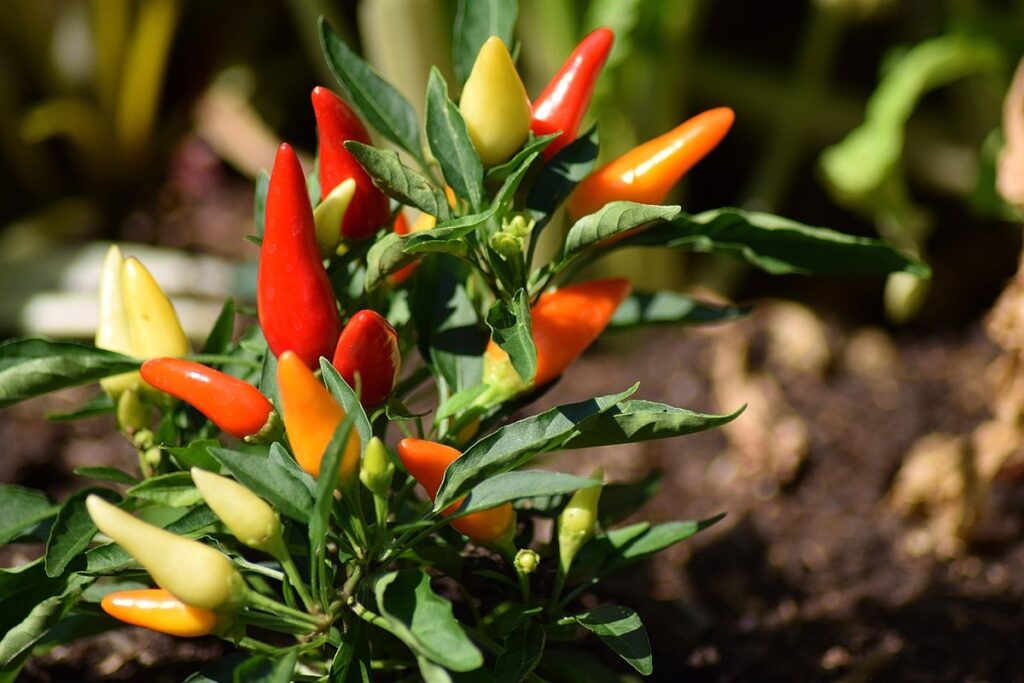
What are Green Peppers?
So, you’re wondering what green peppers actually are? In this next part of our guide, we’ll delve into their history and explore why they’re one of the most versatile veggies around.
History and Origin
Green peppers have been a staple in many cuisines around the world for thousands of years. Their origins date back to Central and South America, where they were first cultivated by the Incas. The pepper plant was later introduced to Europe by Spanish and Portuguese traders, who brought it to their colonies in the New World.
As trade routes expanded, green peppers spread throughout the globe, becoming a popular ingredient in many different cuisines. In Asia, they are often pickled or fermented to add flavor to dishes like Korean kimchi and Japanese takuan no moto. In Europe, they are commonly used in Mediterranean cooking, adding crunch and sweetness to salads, sandwiches, and sauces.
Today, green peppers are one of the most widely consumed vegetables globally, with over 20 million tons produced annually. They come in a range of colors, from bright green to red, yellow, orange, and even purple. Whether you’re using them raw or cooked, green peppers add flavor, texture, and nutrition to countless dishes.
Types of Green Peppers
Green peppers come in an astonishing variety of shapes, sizes, and flavors. Among the most well-known types are bell peppers, jalapenos, Anaheim peppers, and Poblano peppers. Each type boasts its unique characteristics that make them suitable for different cooking styles.
Bell peppers are sweet and crunchy, perfect for adding a pop of color to salads or stir-fries. Their mild flavor makes them an excellent choice for beginners. On the other hand, jalapenos pack a spicy punch and are commonly used in Mexican cuisine. They add a burst of heat to salsas, tacos, and sauces.
Anaheim peppers are long, slender, and moderately hot. They’re ideal for roasting or stuffing with cheese, herbs, and meat. Poblano peppers, also known as ancho chilies, have a rich, slightly sweet flavor. Use them in stews, soups, or sauces to add depth and complexity.
Some lesser-known types of green peppers include Cubanelle, Hungarian hot wax, and Shishito peppers. Experiment with these varieties to discover their unique flavors and textures.
Growing Your Own Green Peppers
To successfully grow green peppers, you’ll want to learn how to sow seeds, provide optimal growing conditions, and prune your plants for maximum yields. Let’s dive into these essential tips.
Choosing the Right Variety
When it comes to growing your own green peppers, choosing the right variety is crucial for success. With hundreds of varieties to choose from, selecting the best one can be overwhelming. To make informed decisions, consider three key factors: disease resistance, growth habits, and maturity dates.
Disease resistance is essential in many regions plagued by fungal diseases like powdery mildew or bacterial spot. Look for peppers with built-in resistance such as ‘California Wonder’ or ‘Jalapeño’. These varieties will help minimize the need for pesticides and maintain a healthy crop.
Growth habits are also vital, especially if you have limited space. Compact varieties like ‘Bush Early Pick’ or ‘Thai Hot’ are perfect for small gardens or container growing. They produce plenty of peppers without taking up too much room.
Lastly, consider maturity dates to ensure your variety ripens in sync with the local climate. For example, if you live in an area with a long growing season, choose a pepper like ‘Bell Boy’ that takes 80 days to mature. If you have a shorter growing season, opt for an early maturing variety like ‘Early Jalapeño’.
Soil Preparation and Planting
When it comes to growing green peppers, the foundation of success lies in soil preparation and planting. To ensure optimal growth, choose a location that receives at least six hours of direct sunlight per day. Green peppers need warmth to thrive, so avoid planting them in shaded areas.
Next, prepare the soil by loosening it to a depth of about 12 inches. Add a 2-inch layer of compost or well-rotted manure to enrich the soil with essential nutrients. You can also mix in a balanced fertilizer according to the manufacturer’s instructions. Water the soil gently but thoroughly before planting.
For optimal growth, sow green pepper seeds indoors 8-10 weeks before the last frost date in your area. Transplant them outdoors when they have two sets of true leaves. Alternatively, purchase seedlings from a reputable nursery and plant them directly into the prepared soil. Make sure to space them about 18 inches apart to allow for proper air circulation and sunlight penetration.
Water green peppers regularly, but avoid overwatering, which can lead to root rot and other problems.
Caring for Green Pepper Plants
To keep your green pepper plants thriving, it’s essential to provide them with proper care, from watering and fertilizing to pruning and pest management. Here are some key tips to get you started.
Watering and Irrigation
Watering and irrigation are critical components of green pepper plant care. It’s essential to understand that these plants prefer well-draining soil and adequate moisture. Overwatering is a common mistake that can lead to root rot, fungal diseases, and even plant death. On the other hand, underwatering can cause stress, reducing yields and affecting flavor.
So, how much water does your green pepper plant need? The frequency of watering depends on factors such as temperature, humidity, soil type, and pot size. As a general rule, water your plants when the top 1-2 inches of soil feels dry to the touch. Avoid getting water on the leaves or crown to prevent fungal diseases.
A good starting point is to water your seedlings every 2-3 days during hot weather and every 4-5 days in cooler temperatures. As they mature, reduce watering to once a week. Monitor your plants’ response to adjust the frequency accordingly. Keep in mind that pots drain faster than in-ground soil, so adjust watering schedules accordingly.
Remember, it’s better to err on the side of caution and underwater slightly than to risk overwatering your green pepper plant.
Fertilization and Pruning
Fertilizing your green pepper plants is crucial for their growth and development. A well-balanced fertilizer that contains nitrogen, phosphorus, and potassium will provide the necessary nutrients for healthy growth. Feed your plants with a water-soluble fertilizer once a week during the growing season, which typically lasts from spring to fall. You can also use a slow-release fertilizer to provide a consistent supply of nutrients over time.
Proper pruning techniques are essential for promoting healthy growth and preventing disease in green pepper plants. Remove any weak or spindly branches to allow more light and air to reach the rest of the plant. Cut back leggy stems by one-third to encourage bushy growth. Also, remove any diseased or infested areas to prevent the spread of disease. Make clean cuts just above a leaf node using sharp, sterile pruning tools.
Pruning also helps control the size and shape of your green pepper plants, making them more manageable in your garden or indoor space.
Harvesting and Storing Green Peppers
Once you’ve picked your green peppers at their peak, it’s essential to handle them carefully to preserve their flavor and texture for a longer period. Let’s explore how to harvest and store these delicious vegetables properly.
Signs of Maturity
When it comes to determining whether green peppers are ripe and ready for harvest, there are several signs you can look out for. First, consider the color of the pepper. While immature green peppers will stay green as they mature, a ripe one may develop a slightly yellow or creamy tint around the stem end.
Another factor is texture: a ripe green pepper should be firm but yield to pressure. If it’s too soft or mushy, it’s likely overripe and past its prime. Size can also be an indicator – typically, a larger pepper will be riper than a smaller one.
It’s worth noting that different varieties of green peppers may have slightly varying characteristics at maturity. For example, some may retain their bright green color even when fully ripe, while others may develop more pronounced yellow or orange tones. To be sure you’re harvesting your green peppers at the optimal time, inspect them regularly and trust your instincts – a ripe pepper will feel heavy for its size and have a sweet, slightly grassy aroma.
Storage and Preservation Methods
When it comes to storing fresh green peppers, proper handling and storage techniques are crucial to maintaining their flavor, texture, and nutritional value. To keep your green peppers fresh for a longer period, store them in a cool, dry place away from direct sunlight. You can also wrap them individually in plastic bags or aluminum foil to prevent moisture loss.
For longer-term preservation, consider freezing, pickling, or canning your green peppers. Freezing is an excellent method, as it helps retain the peppers’ crunch and flavor. Simply wash, slice, and blanch the peppers before placing them in airtight containers or freezer bags. Frozen green peppers are perfect for adding to stir-fries, soups, or sauces.
Pickling is another great way to preserve green peppers, especially if you have an abundance of produce. Slice the peppers thinly and soak them in a brine solution (vinegar, salt, and water) for at least 24 hours. Canned green peppers can be stored for up to 12 months and are ideal for adding to stews or casseroles.
Cooking with Green Peppers: Recipes and Ideas
Get creative in the kitchen with these delicious recipes that showcase green peppers as the star ingredient, from stir-fries to roasts. We’ll share our favorite dishes for you to try!
Stuffed Peppers
When it comes to using green peppers in your cooking, there’s no better way to showcase their versatility than by making stuffed peppers. This recipe is a staple for a reason, and with a few simple ingredients and some basic cooking techniques, you can create a delicious and visually appealing dish.
To make stuffed peppers, start by selecting four large green peppers and cutting off the tops. Remove the seeds and membranes, then fill each pepper with a mixture of cooked rice, ground meat (beef or turkey work well), chopped onion, and shredded cheese. You can also add some diced tomatoes, herbs like parsley or dill, or even some crumbled bacon for added flavor.
Bake the peppers in a preheated oven at 375°F (190°C) for about 25-30 minutes, or until they’re tender and the filling is hot and bubbly. You can also grill them for a smoky twist or pan-fry them for a crispy exterior. To present your stuffed peppers, consider garnishing with fresh herbs, serving with a side salad, or even using them as a centerpiece for a dinner party.
Some key tips to keep in mind: make sure the filling is loosely packed so the pepper can cook evenly, and don’t overfill the pepper or it will burst open during baking. With these simple steps and some creative flair, you’ll be enjoying perfectly cooked stuffed peppers in no time!
Green Pepper Salsa
There’s nothing like a fresh and tangy homemade green pepper salsa to elevate your next taco Tuesday or add a burst of flavor to your grilled meats. To make the most of this recipe, it’s essential to start with high-quality ingredients. Choose crisp, vibrant green peppers for their sweetness and crunch.
Begin by seeding and finely chopping 2-3 green peppers, depending on their size. Add one diced red onion, 1 jalapeño pepper (optional), 1/4 cup cilantro leaves, and 2 cloves of minced garlic to a blender or food processor. Squeeze in the juice of 1 lime and add a pinch of salt.
Blend the mixture until it’s coarsely chopped but still retains some texture. Taste and adjust the seasoning as needed – you may want to add more lime juice, cilantro, or jalapeño heat to suit your taste buds. Transfer the salsa to an airtight container and refrigerate for at least 30 minutes to allow the flavors to meld together.
When serving, use this vibrant green pepper salsa on tacos, grilled chicken, fish, or veggies. You can also store it in the fridge for up to 5 days – simply give it a good stir before using.
Health Benefits and Nutrition Facts
Not only will green peppers add flavor and crunch to your dishes, but they’re also packed with nutrients that can have a positive impact on your health. Let’s take a closer look at their impressive health benefits.
Vitamins and Minerals
Green peppers are an excellent addition to a healthy diet, and their nutritional benefits make them a standout among other vegetables. One of the key vitamins that green peppers are rich in is vitamin A, which plays a crucial role in maintaining healthy vision, immune function, and skin health. Vitamin C content is also exceptionally high in green peppers, making them an excellent source for boosting your immunity and fighting off infections.
In addition to these essential vitamins, green peppers are also packed with potassium, an electrolyte that helps regulate fluid balance and blood pressure. They are a good source of dietary fiber as well, which can aid in digestion, promote satiety, and support healthy blood sugar levels.
To maximize the nutritional benefits of green peppers, consider incorporating them into your meals in various ways – add sliced green peppers to salads or sandwiches, use them as a crunchy topping for soups or stir-fries, or enjoy them roasted as a side dish. With their versatility and numerous health benefits, it’s no wonder that green peppers are a staple in many cuisines around the world.
Antioxidant Properties
Green peppers are a powerhouse of antioxidants, packed with vitamins C and E, beta-carotene, and other beneficial compounds that help protect against chronic diseases. The antioxidant properties of green peppers have been extensively studied, and the evidence is clear: consuming them regularly can reduce the risk of cancer, heart disease, and Alzheimer’s.
In fact, one cup of sliced green pepper contains over 125% of the recommended daily intake of vitamin C, a potent antioxidant that scavenges free radicals and prevents oxidative stress. The vitamin E content in green peppers also helps to protect cell membranes from damage, further reducing the risk of chronic diseases. Additionally, beta-carotene, a precursor to vitamin A, has been shown to reduce the incidence of lung, breast, and colon cancers.
To reap the antioxidant benefits of green peppers, try incorporating them into your diet as a crunchy snack or adding them to salads, stir-fries, and sautéed dishes.
Common Pests and Diseases: Prevention and Treatment
Common pests and diseases can quickly damage your green pepper crop, so it’s essential to learn how to prevent and treat them effectively in your garden. Here are some common issues to watch out for.
Common Pests
When it comes to growing green peppers, one of the biggest challenges you’ll face is dealing with common pests that can damage your plants and reduce yields. Three of the most prevalent pests that affect green pepper plants are aphids, whiteflies, and spider mites.
Aphids are small, soft-bodied insects that feed on plant sap, causing curled or distorted leaves. They can also transmit diseases to your plants. To prevent aphid infestations, make sure to inspect your plants regularly for signs of aphids, such as sticky honeydew droplets or white cottony patches. Use neem oil or insecticidal soap to control aphid populations.
Whiteflies are tiny, flying insects that feed on plant sap, causing yellowing leaves and stunted growth. They can also transmit diseases like tomato spotted wilt virus. To prevent whitefly infestations, use fine mesh row covers to keep them away from your plants. You can also spray neem oil or insecticidal soap to control whitefly populations.
Spider mites are tiny, spider-like insects that feed on plant sap, causing yellowing leaves and fine webbing. They thrive in hot, dry conditions and can quickly spread to other plants. To prevent spider mite infestations, keep your plants well-watered and use neem oil or insecticidal soap to control populations.
In addition to these prevention methods, make sure to rotate your crops regularly to avoid depleting the soil of nutrients and attracting pests. By taking a proactive approach to pest management, you can enjoy healthy, thriving green pepper plants that produce delicious fruit all season long.
Fungal Diseases
Fungal diseases can be devastating to green pepper crops, affecting their yield and quality. Three common fungal diseases that affect green peppers are powdery mildew, downy mildew, and fusarium wilt.
Powdery mildew appears as a white, powdery coating on the leaves and stems of infected plants. It’s caused by a fungus called Erysiphe cichoracearum, which thrives in warm temperatures and high humidity. To treat powdery mildew, remove infected leaves or plants to prevent the disease from spreading. Apply a fungicide specifically designed for powdery mildew, following the product’s instructions carefully.
Downy mildew is caused by a different fungus, Peronospora parasitica, which infects green peppers through water droplets on the leaves. Downy mildew appears as yellowing or browning leaves and stems with white cotton-like growth on the undersides of leaves. To prevent downy mildew, use drip irrigation instead of overhead watering, which can splash water onto the leaves.
Fusarium wilt is a more serious disease caused by the fungus Fusarium oxysporum. It affects green pepper plants through their roots and causes yellowing or wilting leaves, as well as stunted growth. To treat fusarium wilt, remove infected plants to prevent the disease from spreading. Apply a fungicide specifically designed for fusarium wilt, following the product’s instructions carefully.
Regularly inspect your green pepper plants for signs of these fungal diseases. Monitor their temperature and humidity levels, and use drip irrigation or overhead watering systems that spray water directly onto the soil instead of the leaves. Keep your garden clean by removing weeds and debris to prevent fungal spores from spreading.
Conclusion: The Versatility of Green Peppers
As we reach the end of this comprehensive guide, it’s clear that green peppers are an incredibly versatile ingredient. Not only can they add crunch and flavor to a wide variety of dishes, but they also offer numerous health benefits due to their high vitamin C content and antioxidant properties. From snacking on fresh green pepper slices to incorporating them into savory stir-fries, the possibilities are endless. In fact, one of our favorite tips is to roast green peppers in the oven until charred and smooth for a delicious dip or spread. With their mild flavor and adaptability, it’s no wonder that green peppers have become a staple in many cuisines around the world. By now, you should be inspired to experiment with this incredible ingredient and find new ways to incorporate it into your cooking repertoire.
Frequently Asked Questions
Can I grow green peppers indoors if I have limited outdoor space?
Yes, you can definitely grow green peppers indoors with the right conditions! Make sure your container has good drainage, provide a trellis for support, and maintain temperatures between 65-75°F (18-24°C). Green peppers require at least 6 hours of direct sunlight per day, so place them near a sunny window or use grow lights.
How do I prevent fungal diseases in my green pepper plants?
To prevent fungal diseases, ensure good air circulation around your plants by spacing them adequately. Remove any infected leaves or stems to prevent the spread of disease. Use a fungicide as a last resort and always follow the instructions carefully. Regularly inspect your plants for signs of disease and take action promptly if you notice any issues.
Can I store green peppers at room temperature, or do they need refrigeration?
You can store green peppers at room temperature for up to 5 days, but they’ll keep longer in the refrigerator (up to 2 weeks). Keep them away from direct sunlight and heat sources. To extend their shelf life, wash and dry the peppers thoroughly before storing.
How often should I water my green pepper plants during hot summer months?
Green pepper plants require consistent moisture, especially during hot weather. Water your plants deeply once or twice a week, depending on soil type and climate. Check the soil daily by inserting your finger into it; if it feels dry, it’s time to water.
Can I use any variety of green pepper for stuffed peppers, or are some better suited?
While you can experiment with different varieties, bell-shaped green peppers like California Wonder or Grand Rapids work best for stuffed peppers. They have a thicker walls and hold their shape well when filled with ingredients. Experiment with other varieties for unique flavor profiles, but keep in mind the texture may vary.