
Are you tired of letting your garden space go to waste? Do you dream of growing lush, fruitful plants without sacrificing style or functionality? Well, we’ve got some great news for you: it’s time to learn about espalier techniques! Espalier is an ancient horticultural practice that involves training plants to grow vertically, often against a wall or trellis. Not only does this method save precious space in your garden, but it also promotes healthy growth, improves fruit quality, and adds a touch of elegance to your outdoor decor. In this comprehensive guide, we’ll walk you through the basics of espalier techniques, sharing expert tips on how to select the right plants, choose the perfect support system, and train your plants for maximum results. Whether you’re a seasoned gardener or just starting out, get ready to unlock the full potential of your garden with this practical introduction to espalier.
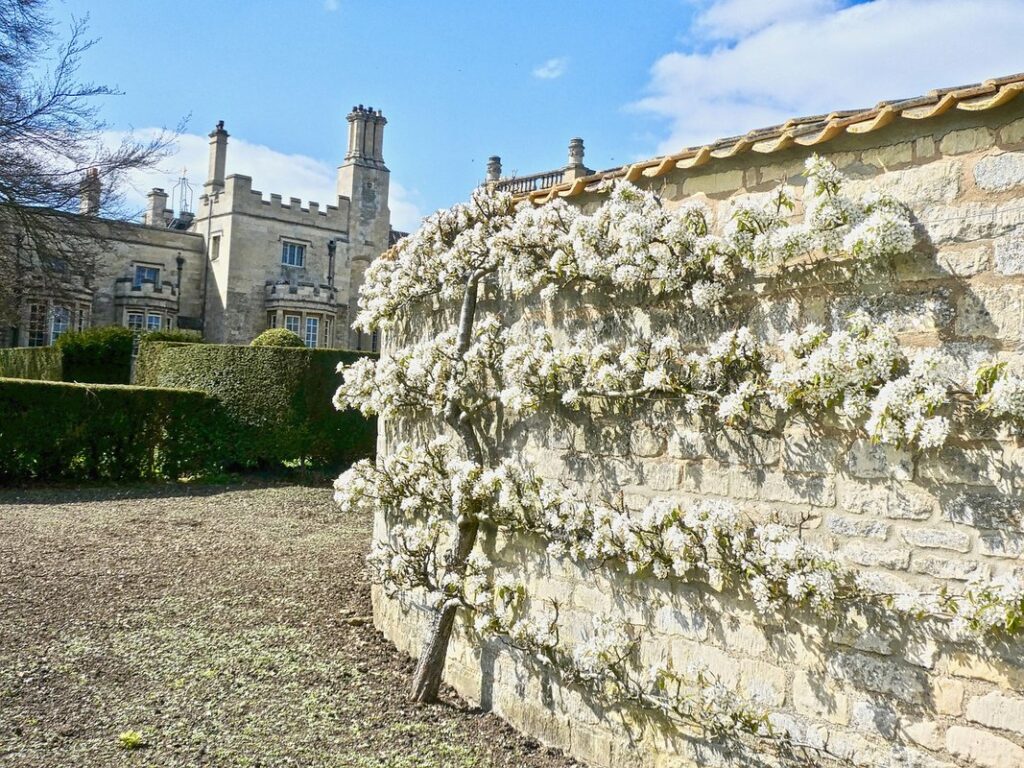
What is Espalier?
Espalier is a centuries-old gardening technique that involves training plants to grow along a support, such as a trellis or wall. In this section, we’ll break down the basics of espalier and its many benefits.
Definition and History of Espalier
Espalier is an ancient horticultural technique that has been used for centuries to train and grow plants against a wall or other support. The word “espalier” comes from the French term for “spalter,” meaning “to split,” which refers to the method of pruning and training branches to create a lattice-like pattern.
The origins of espalier date back to ancient Rome, where gardeners used this technique to train vines and fruit trees against walls. However, it wasn’t until the 17th century that espalier became popular in Europe, particularly in France and England. Garden designers and horticulturists like André Le Nôtre and William Kent helped popularize the technique by incorporating espalier into their designs.
Over time, espalier has evolved to accommodate a wide range of plants, from topiaries and shrubs to fruit trees and vines. Modern gardeners can choose from various techniques, including the classic two-tiered espalier, as well as more intricate patterns like the “basket weave” method. By understanding the history and evolution of espalier, gardeners can appreciate the versatility and creativity that this timeless technique offers.
Espalier is not just a decorative element; it also serves a practical purpose by maximizing space in small gardens or courtyards. By growing plants against a wall, you can make the most of vertical space while creating a visually stunning display.
Benefits of Using Espalier
Using espalier techniques in your garden can bring numerous benefits that go beyond just aesthetics. One of the most significant advantages is its space-saving nature. By training plants to grow against a trellis, wall, or other support system, you can maximize your garden’s productivity without sacrificing valuable real estate.
For instance, a single espalier apple tree can produce fruit in as little as 2-3 years, compared to the 5-7 years it takes for a standard apple tree. This not only saves space but also increases yields per square foot. Improved fruit quality is another significant benefit of using espalier techniques. By carefully controlling the plant’s growth and pruning, you can direct its energy towards producing larger, more flavorful fruits.
To get started with espalier in your garden, choose varieties that are specifically bred for this type of training. For example, dwarf or semi-dwarf apple trees like ‘Red Delicious’ or ‘Gala’ work well for espalier systems. With proper care and attention to detail, you can enjoy a bounty of delicious fruits while making the most of your garden’s space.
Choosing the Right Plants for Espalier
When choosing plants for espalier, consider factors such as growth habits, size requirements, and flowering cycles to ensure a thriving display. Not all plants are suitable for this technique!
Selecting Fruit Trees or Shrubs
When selecting fruit trees or shrubs for espalier, it’s essential to consider their growth habit and size to ensure they thrive with support. Choose varieties that are naturally compact or dwarf, as they tend to require less pruning and training. For example, ‘Dwarf Washington’ nectarine and ‘Red Delicious’ apple are popular choices for espalier due to their smaller mature size.
When considering the compatibility of your chosen plant with a support system, think about how it will interact with the trellis or wall. Plants with an upright growth habit, like citrus trees, work well when trained against a south-facing wall. On the other hand, plants with a more horizontal growth pattern, such as some apple varieties, may require additional pruning to keep them contained within the espalier framework.
Some factors to consider when selecting fruit trees or shrubs include:
• Maturity size: Choose compact or dwarf varieties that won’t outgrow their support system
• Growth habit: Select plants with an upright or horizontal growth pattern that fits your espalier design
• Pruning needs: Consider how often you’ll need to prune your plant to maintain its shape and promote healthy growth
Ultimately, the key is to select a plant that complements your espalier style while meeting the plant’s unique needs.
Evergreen vs. Deciduous Options
When it comes to choosing plants for espalier, one of the most important decisions you’ll make is whether to go with evergreen or deciduous options. While both have their benefits and limitations, understanding these differences will help you select the perfect plants for your space.
Evergreen options, such as holly, boxwood, or lavender, offer year-round interest and structure to your espalier. They retain their leaves throughout the seasons, providing a consistent look that requires minimal maintenance. However, they can be more expensive to establish and may need regular pruning to maintain shape. Evergreens also tend to grow slower than deciduous options, which can be beneficial for smaller spaces.
Deciduous options, like apple trees or wisteria, offer dramatic seasonal changes and can add a dynamic element to your espalier. They drop their leaves in the fall, creating a natural mulch that retains moisture and suppresses weeds. Deciduous plants often grow faster than evergreens, but they require more maintenance during the growing season. Consider factors like sunlight exposure, soil type, and mature size when deciding between these two options.
In general, choose evergreen plants for areas with limited space or where year-round interest is desired. Deciduous options are better suited to larger spaces or where seasonal changes are a priority. By considering your specific needs and climate, you can select the perfect evergreen or deciduous plants to create a thriving espalier system.
Preparing Your Support System
To get started, it’s essential that you assemble a reliable support system, consisting of pruning tools, stakes, and wires, to help your espalier plants thrive. This section will walk you through what you’ll need.
Designing a Custom Espalier Frame
When designing a custom espalier frame, it’s essential to consider the specific needs of your plants and the structure of your support system. Start by selecting sturdy materials that will provide long-lasting support for your espaliered plants. Cedar or redwood are excellent choices due to their natural resistance to rot and insect damage.
To build a custom espalier frame, you’ll need the following tools: a saw (circular or handsaw), drill, measuring tape, level, and screws. The design should allow for easy access to your plants’ stems and leaves, as well as provide support for any heavy branches. A simple yet effective approach is to create a rectangular or square frame with horizontal wires or bars spaced about 6-8 inches apart.
Consider the mature size of your plants and leave enough space between them for proper air circulation and sunlight penetration. For example, if you’re growing multiple apple trees, you’ll want to ensure their branches won’t overcrowd each other as they grow. By taking these factors into account, you can create a custom espalier frame that not only supports your plants’ growth but also enhances their overall health and productivity.
Installing the Plant and Frame Together
Now that you’ve prepared your support system, it’s time to plant the chosen species into their new home. This is a crucial step that requires care and attention to detail. Begin by gently removing the plant from its container, taking note of the roots’ orientation.
Next, position the plant in the espalier frame, ensuring the graft union (if applicable) is above the soil level. If your plant has an open root system, tease out the roots to encourage growth along the support system. For species with a closed root system, such as citrus or apple trees, gently spread the roots around the base of the tree.
As you place the plant in the frame, make sure the stem is centered and the branches are evenly distributed on either side. Secure the plant to the frame using twine or wire, taking care not to constrict the stems. Finally, backfill with soil, making sure to firm it gently around the roots to prevent air pockets.
Remember to water thoroughly after planting, and mulch around the base of the plant to retain moisture and suppress weeds. With careful handling, your espalier will begin to flourish in its new support system.
Training and Pruning for Optimal Growth
To ensure your espaliered plants thrive, you’ll need to master the art of training and pruning. This involves guiding branches into place and carefully shaping the plant’s structure to achieve optimal growth.
Initial Training and Shaping
When training a plant for espalier, it’s essential to establish good habits from the beginning. Initial training techniques set the stage for a strong framework and encourage upright growth. One of the most critical aspects is selecting the right variety. Not all plants are suitable for espalier, so choose ones that have been bred for this purpose.
Start by gently securing the plant to its support using soft ties or clips. This will help establish the shape you want without causing damage. Remove any weak or spindly growth to encourage a strong, balanced structure. Prune new shoots back by about half to promote branching and a fuller appearance.
As the plant grows, regularly train new stems onto the trellis or support using flexible ties or clips. This will help maintain the desired shape and prevent congestion. Remember to monitor your plant’s progress closely, making adjustments as needed to ensure it continues to grow in the right direction. By following these initial training techniques, you’ll be well on your way to creating a beautiful, thriving espalier display.
Ongoing Pruning and Maintenance
Regular pruning is essential to maintain the shape and size of your espaliered plants. As the trees grow, it’s crucial to continue training them to the trellis or wall. This involves regular checks on the plant’s structure, removing any weak or crossing branches that may cause damage.
Prune during the dormant season when the tree is less active, typically in late winter or early spring. Use sharp, clean pruning tools and make cuts at a 45-degree angle just above a growth node. This will help prevent water from collecting on the cut surface, reducing the risk of disease.
To promote fruiting, prune more aggressively after harvest, removing about one-third to one-half of the branches. This encourages the plant to focus its energy on producing new growth and flowers for next year’s crop. For example, if you’re growing an apple espalier, prune back any weak or spindly shoots after harvest to encourage bushy growth and promote fruiting.
Tips for Success: Common Challenges and Solutions
As you begin your espalier journey, it’s inevitable that you’ll encounter obstacles along the way. This section will offer practical advice on common challenges and solutions to help you stay on track.
Overcoming Space Constraints
When working with small gardens or tight spaces, it can be tempting to rule out espalier techniques altogether. However, there are many creative ways to adapt these beautiful and space-efficient methods to fit even the smallest of plots.
One key consideration is choosing plants that are naturally compact or dwarf varieties. For example, look for apple trees like ‘Red Delicious’ or ‘Gala’, which grow to be around 6-8 feet tall, making them perfect for small espalier systems. Similarly, dwarf citrus trees like Meyer lemons can thrive in containers and be trained to a trellis or wall.
When planning your espalier system, prioritize vertical space by using a trellis or arbor to support the plant’s growth. You can also make the most of corner spaces by training plants to grow up walls or along fences. To maximize yields in tight spaces, focus on growing multiple layers of fruiting branches, which will not only increase production but also add visual interest to your garden.
Consider using a mix of espaliered trees and vining plants like kiwi or passionfruit to create a layered look that takes full advantage of available space.
Managing Weather Conditions
Managing weather conditions is one of the most significant challenges when growing espalier plants. Extreme temperatures, heavy rainfall, and strong winds can all take a toll on your delicate trees and shrubs if not properly managed.
To begin with, it’s essential to choose espalier varieties that are resilient to specific weather conditions in your region. For example, if you live in an area prone to drought, select plants that have adapted to dry climates. If you’re in an area known for heavy rainfall, opt for plants with a natural tolerance for wet soil.
When it comes to extreme temperatures, provide adequate protection for your espalier plants. This can be achieved by using shade cloth or individual plant covers during heatwaves. For colder regions, ensure your plants are securely tied and wrapped before the first frost hits.
In addition to these preventative measures, regularly inspect your espaliers for signs of stress caused by weather conditions. Monitor for curled or discolored leaves, as well as any cracks in the bark. Addressing issues promptly will help prevent more severe damage from occurring.
Additional Applications of Espalier Techniques
Espalier techniques aren’t just for formal gardens and topiaries, they can also be used to add visual interest to walls, trellises, and even container arrangements. We’ll explore some creative ways to incorporate espalier into your garden design.
Integrating into Garden Design
Incorporating espalier into garden design offers endless possibilities for creativity and functionality. One of the most effective ways to integrate espalier is by incorporating it into mixed borders. These vibrant areas typically feature a combination of plants with varying textures, colors, and growth habits. By training an espaliered plant like a clematis or wisteria along a trellis or wall, you can add vertical interest while still maintaining the sense of diversity that characterizes a mixed border.
Espalier also lends itself well to hedge design. Training topiary plants like boxwood or yew into elaborate shapes using espalier techniques allows for maximum control over size and shape. This is particularly useful when creating hedges for screening purposes, as it enables you to tailor the exact dimensions required for your needs.
Consider incorporating espalier into a living wall or green roof by training vining plants like ivy or clematis up a trellis or series of wires. This can add a touch of whimsy and visual interest while also providing shade and insulation in urban environments.
Exploring Indoor and Container Options
While many think of espalier as an outdoor technique, it can also thrive indoors and in containers. These spaces often come with their own set of challenges, such as limited root growth and varying light conditions.
To create a successful indoor or container espalier system, choose plants that are tolerant of indoor conditions and have a compact growth habit. Consider using dwarf varieties of fruit trees like citrus or apple, which can grow well in containers.
When selecting containers, ensure they have adequate drainage to prevent waterlogged soil. A minimum depth of 12-18 inches is recommended for most rootstock types. You may also want to use trellises or stakes to support the plant’s growth and provide structural support.
For indoor espalier systems, use a sturdy wall-mounted system that can hold the weight of your plants. Position them near a sunny window or under grow lights to ensure adequate light. Regular pruning will help maintain the desired shape and encourage fruiting.
Some popular options for container espaliers include herbs like rosemary and thyme, which are easy to prune and can thrive in small spaces. With proper care and attention, your indoor or container espalier system can provide a bountiful harvest even in limited conditions.
Frequently Asked Questions
Can I use espalier techniques with any type of plant, or are some more suitable than others?
Espalier can be applied to a wide range of plants, but it’s essential to choose varieties that thrive in containers and have a compact growth habit. Consider using fruit trees like dwarf apple or pear, or shrubs like boxwood or rosemary. These plants will benefit from the support and training provided by espalier.
How do I prevent my espaliered plant from becoming too leggy or top-heavy?
To avoid this issue, make sure to prune your plant regularly, removing any weak or spindly growth. You can also use stakes or trellises to provide additional support, especially for heavy-bearing fruit trees. Regular pruning will not only maintain a healthy shape but also promote a balanced root system.
Can I combine espalier with other gardening techniques, like permaculture or companion planting?
Yes, espalier is highly versatile and can be integrated with various gardening methods. In fact, combining espalier with permaculture principles can help create a more efficient and sustainable garden design. Choose plants that benefit from each other’s growth habits and pair them with complementary support systems for a thriving and harmonious ecosystem.
How do I maintain my espaliered plant during the off-season or in areas with harsh weather conditions?
To ensure your espaliered plant survives extreme weather, provide protection from wind, frost, or intense sunlight. For example, you can cover plants with burlap or bring them under a canopy for added security. Regular pruning and inspection will also help identify any potential issues before they become major problems.
Can I use espalier techniques indoors, such as in containers on balconies or patios?
While espalier is typically associated with outdoor gardening, you can indeed adapt these techniques to indoor spaces. Choose compact plants that thrive in containers and provide sufficient light for your chosen varieties. Be mindful of temperature fluctuations and ensure your support system is secure and sturdy enough for indoor use.