
Are you tired of high water bills and scorching hot landscapes? Desert landscaping with succulents is a game-changer for homeowners in arid climates. Not only does it save water, but it also adds a touch of elegance and sophistication to your outdoor space. With the right guidance, anyone can create stunning desert landscapes that thrive with minimal maintenance.
In this comprehensive guide, we’ll walk you through the benefits of using succulents in your desert landscape, including their water efficiency and low-maintenance requirements. We’ll also cover the key species to select for your climate and provide expert advice on garden design, from choosing the perfect plants to incorporating decorative elements that complement your succulent selection. By the end of this article, you’ll be equipped with the knowledge to create a beautiful and sustainable desert landscape that reflects your personal style.
Understanding the Benefits of Succulent Landscaping
One of the most significant advantages of succulent landscaping is its ability to thrive in even the harshest desert conditions, making it a great choice for arid landscapes. Let’s explore the benefits you can expect from incorporating succulents into your outdoor space.
Why Succulents Are Perfect for Hot Climates
Succulents are incredibly well-suited to arid environments like those found in desert landscapes. Their unique ability to store water in their leaves, stems, and roots allows them to survive with minimal watering, making them an attractive option for water-conscious homeowners. In fact, succulents can thrive in conditions that would be challenging for other plants.
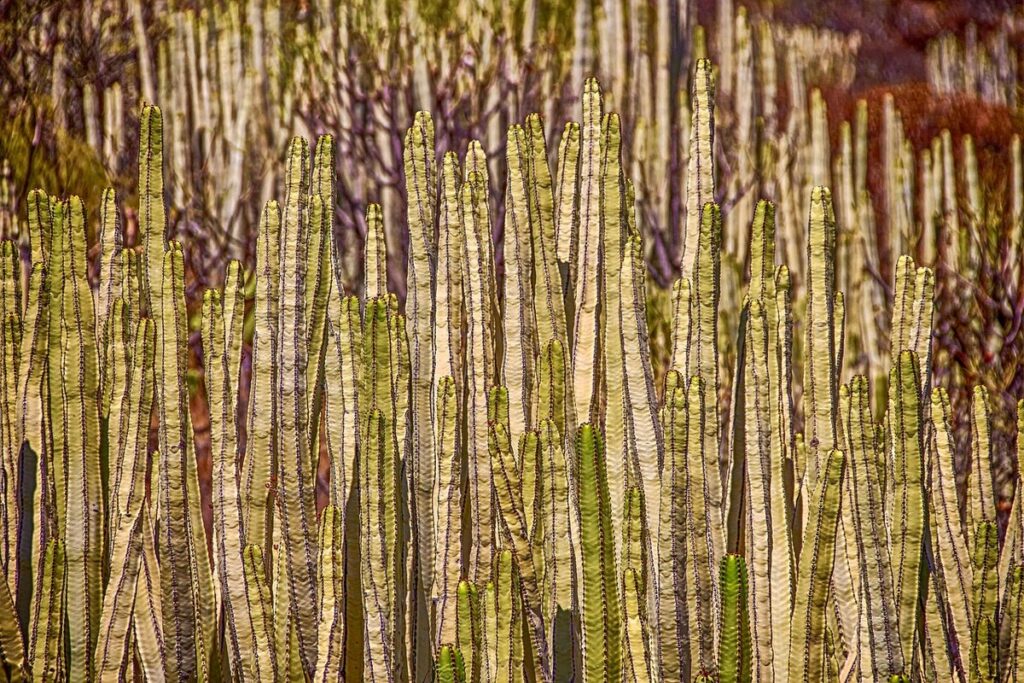
Take the example of cacti, which are a type of succulent native to the desert. These spiny plants have adapted to store water in their stems and roots, allowing them to survive without rainfall for long periods. This unique adaptation makes succulents perfect for hot climates where water is scarce.
Another reason succulents excel in arid environments is their ability to regulate moisture levels internally. Through a process called CAM photosynthesis (crassulacean acid metabolism), succulents open their stomata at night, taking in carbon dioxide and storing it in their leaves. This allows them to conserve water by minimizing transpiration during the day.
This means that succulent plants can go weeks without watering, making them an ideal choice for desert landscaping. Plus, they require minimal maintenance, as they’re resistant to pests and diseases, reducing the need for pesticides or fungicides.
To get started with incorporating succulents into your desert landscape, choose varieties that are suitable for your climate and soil type. Some popular options include aloe vera, agave, and echeveria. Plant them in well-draining soil and provide partial shade to full sun, depending on the specific needs of each plant.
By selecting the right succulent species and following proper care guidelines, you can enjoy a lush and vibrant desert landscape that’s both beautiful and sustainable.
Choosing the Right Succulent Species
When selecting a succulent species for your desert landscape, it’s essential to consider factors such as climate, soil type, and personal style. This will help you choose the perfect plant to thrive in its environment.
Selecting Succulents Based on Climate and Soil Type
When selecting succulent species for your desert landscaping project, it’s essential to consider two critical factors: climate and soil type. These elements will significantly impact the health and survival of your plants, so choosing varieties that thrive in your specific conditions is crucial.
Let’s start with climate zones. If you’re living in a hot and dry region like the Mojave Desert, you’ll want succulents that can withstand extreme heat and drought. In this case, popular options include the iconic Joshua Tree (Yucca brevifolia), which can tolerate temperatures up to 120°F (49°C) and infrequent watering. Another excellent choice is the majestic Agave americana, with its stunning blue-gray foliage and ability to store water in its thick stems.
On the other hand, if you’re residing in a slightly cooler desert region like the Sonoran Desert, you may prefer succulents that thrive in milder temperatures. The beautiful Echeveria elegans, with its delicate rosettes and vibrant colors, is an excellent choice for this climate zone. This plant requires well-draining soil and partial shade to prevent scorching.
Now, let’s discuss soil type. Succulents generally prefer well-draining soil that allows excess water to escape quickly, preventing root rot. If your native soil is dense or heavy clay, consider adding organic matter like perlite or sand to improve drainage. Some succulent species are highly adaptable and can thrive in poor soil conditions, such as the hardy Crassula ovata (Jade Plant). However, for optimal results, it’s still essential to provide a balanced mix of nutrients and adequate moisture.
When selecting succulents based on climate and soil type, remember that these factors often overlap. For example, plants adapted to well-draining soil may also be more tolerant of extreme temperatures. By considering both your local climate and soil conditions, you’ll increase the chances of choosing the perfect succulent species for your desert landscaping project.
Designing a Thriving Succulent Garden
Creating a beautiful and thriving succulent garden requires careful planning and consideration of the right plants, soil, and layout to ensure your desert landscape stays vibrant and healthy for years to come.
Creating a Succulent-Friendly Soil Mix
Creating a succulent-friendly soil mix is crucial to ensure their optimal growth and health. Succulents have unique requirements when it comes to soil, as they thrive in well-draining mixes that prevent waterlogged conditions.
To create a custom soil mix for your succulent garden, you’ll want to combine ingredients such as perlite or vermiculite (40-50%), sand or pumice (20-30%), and organic matter like peat moss or coconut coir (10-20%). This ratio allows excess water to drain quickly while retaining some moisture. You can also add a small amount of compost for added nutrients.
When selecting ingredients, keep in mind that succulents don’t like acidic soils. A slightly alkaline mix with a pH range between 6 and 7 is ideal. Be mindful of using peat moss, which has an acidic pH, as it may affect the overall balance of your soil mix.
To plant and arrange succulents effectively, consider grouping them by type or size for visual appeal. This way, you can create interesting compositions that draw attention to specific features like vibrant colors or unique shapes. Planting in odd numbers (three or five) creates a more balanced arrangement than planting in pairs.
Leave enough space between plants for proper air circulation and easy maintenance. Overcrowding succulents can lead to fungal diseases and pest infestations, as moisture accumulates among closely planted stems.
Maintenance and Care for Your Succulent Garden
To keep your succulent garden thriving, it’s essential to establish a regular maintenance routine that includes watering, pruning, and repotting as needed. This section will guide you through these crucial steps.
Watering and Fertilizing Techniques
When it comes to maintaining a thriving succulent garden, proper watering and fertilization techniques are essential. Overwatering is one of the most common mistakes people make when caring for succulents. These plants are adapted to survive in water-scarce environments, so they don’t require frequent watering. In fact, overwatering can lead to root rot and other problems.
To determine if your succulents need water, stick your finger into the soil up to the first knuckle. If the soil feels dry, it’s time for a drink. Water thoroughly until water drains out of the pot’s bottom holes. Make sure not to get any water on the plant’s leaves or crown to prevent rot.
Fertilization is also crucial for healthy growth and flowering. Feed your succulents with a balanced fertilizer during the growing season (spring and summer). Dilute the fertilizer to half the recommended strength to avoid burning the roots. Repot your succulents every year or two using a well-draining potting mix specifically designed for cacti and succulents.
Some common pests that affect succulents include mealybugs, spider mites, and scale insects. These pests feed on sap, causing damage to leaves and stems. Regularly inspect your plants, looking for signs of infestation. Use neem oil or insecticidal soap to control infestations if you catch them early.
To prevent pests and diseases, maintain good air circulation around your succulents and avoid overwatering. Treat your plants with a fungicide or bactericide as soon as you notice any problems. Some popular natural pest repellents include garlic and hot pepper sprays. With proper care and attention to detail, you can keep your succulent garden thriving for years to come.
Tips for Incorporating Succulents into Your Existing Landscape
Now that you’ve incorporated succulents into your yard, it’s time to make them a seamless part of your existing landscape. In this next section, we’ll show you how to do just that.
Integrating Succulents with Other Plants
When incorporating succulents into your existing landscape, it’s easy to get caught up in showcasing their individual beauty. However, one of the most effective ways to create a stunning desert landscape is by combining succulents with other drought-tolerant plants.
This approach not only adds visual interest but also takes advantage of each plant’s unique characteristics and benefits. For instance, pairing succulents with plants like yucca or agave can create a dramatic contrast in texture and shape. These spiky plants provide a striking backdrop for the more rounded shapes of succulents, creating a visually appealing composition.
One creative way to combine succulents with other plants is by repurposing existing planters or hardscapes. Instead of replacing an old planter, consider refilling it with a mix of succulents and other drought-tolerant plants. This not only reduces waste but also adds a touch of personality to your landscape.
For example, you can pair cacti like prickly pear or cholla with sedum or creeping juniper to create a low-maintenance groundcover. These plants thrive in full sun and require minimal watering, making them perfect for desert landscapes.
When combining succulents with other plants, don’t be afraid to think outside the box. Consider repurposing old brick pavers or concrete slabs by filling them with small succulent varieties like living stones or sedum. This not only adds visual interest but also creates a unique texture and depth in your landscape.
Remember, the key to successfully combining succulents with other plants is to choose species that share similar growing conditions and requirements. By doing so, you’ll create a harmonious balance of textures, shapes, and colors that will add beauty and functionality to your desert landscape.
Overcoming Common Challenges in Succulent Landscaping
As you plan your succulent landscape, it’s normal to encounter setbacks – from pests and diseases to watering woes and fading colors. In this section, we’ll tackle these common challenges head-on.
Dealing with Pests and Diseases
As you tend to your succulent garden, it’s not uncommon to encounter some unwanted visitors – pests and diseases that can quickly spread and damage your plants. While succulents are generally hardy and resilient, they’re not immune to these challenges. However, with the right knowledge and strategies, you can mitigate these issues and keep your desert landscape thriving.
One of the most common pests that affect succulents is mealybugs, whiteflies, and spider mites. These tiny insects feed on sap, causing curled or distorted leaves, and can even transmit diseases to your plants. To get rid of them, mix 1 tablespoon of neem oil with 1 quart of water in a spray bottle. Spray the solution directly onto the affected areas, making sure to cover all surfaces.
Diseases like powdery mildew and root rot are also common issues in succulent gardens. Powdery mildew appears as a white, powdery coating on leaves, while root rot causes soft, mushy stems. To prevent these diseases, ensure good air circulation around your plants, avoid overwatering, and treat the soil with fungicides.
When dealing with pests or diseases, it’s essential to identify the issue correctly before applying any treatments. Inspect your plants carefully, looking for signs like holes, chewed leaves, or unusual growth patterns. Once you’ve identified the problem, follow the recommended treatment guidelines.
In addition to preventative measures and treatments, there are some general practices that can help minimize the risk of pests and diseases in your succulent garden. These include choosing resistant varieties, maintaining a clean environment, and avoiding overcrowding. By following these tips and being proactive about monitoring your plants, you’ll be well-equipped to handle any challenges that arise, ensuring your desert landscape remains healthy and vibrant for years to come.
Additional Resources and Tips for Success
Now that you’ve learned the ins and outs of desert landscaping with succulents, let’s dive into some valuable resources and expert tips to take your project to the next level.
Recommended Reading and Online Communities
For those looking to dive deeper into desert landscaping with succulents, there are numerous resources available that offer expert insights and inspiration. One book that stands out is “The New Sunset Western Garden Book” by Kathleen Norris Brenzel, which provides comprehensive guidance on designing and maintaining gardens in arid regions.
Online forums like the Succulent City forum and Reddit’s r/Succulents community are also excellent places to connect with experienced landscapers and horticulturists. These communities offer a wealth of knowledge and advice, from troubleshooting common issues to sharing new trends and techniques.
For those interested in staying up-to-date on the latest research and developments in succulent cultivation, we recommend following experts like Matt Strunk, who writes extensively on succulent care and propagation for The Spruce. His articles are filled with practical tips and insights gained from years of experience working with these unique plants.
Another valuable resource is the National Succulent Society, which offers a wealth of information on succulent identification, cultivation, and conservation. Their online journal features articles by leading experts in the field, covering topics such as succulent breeding and hybridization.
In addition to these resources, don’t forget to explore local nurseries and gardening clubs for expert advice and inspiration. Many nurseries offer workshops and classes specifically focused on desert landscaping with succulents, which can be a great way to learn from experienced professionals in your area.
By tapping into these resources, you’ll gain the knowledge and confidence needed to create stunning desert landscapes that thrive in even the harshest conditions.
Frequently Asked Questions
What are some essential tools I’ll need to create a thriving succulent garden?
You’ll want to have a few basic tools on hand, such as a trowel or small shovel for planting and transplanting succulents, a pair of gardening gloves for protection, and a measuring tape or hose to determine the optimal watering schedule for your specific climate. Additionally, consider investing in a soil pH test kit to ensure you’re providing the right conditions for your succulent plants.
How often should I water my succulents during their first year?
It’s essential to water newly planted succulents regularly, but not excessively. Aim to provide about 1-2 inches of water per week, either through rainfall or irrigation, during the first year after planting. Monitor your soil moisture levels and adjust watering schedules accordingly to avoid overwatering, which can lead to root rot.
Can I grow succulents indoors if I live in an apartment with limited sunlight?
While most succulents prefer direct sunlight, some species like aloe, echeveria, and crassula can thrive in bright, indirect light. Consider placing your indoor succulent garden near a sunny window or using grow lights to supplement natural lighting. Be cautious not to overwater indoors, as this can lead to fungal diseases.
How do I protect my succulents from frost damage during winter?
If you live in an area with freezing temperatures, take steps to protect your succulents from frost damage. Bring potted plants indoors or move them to a sheltered location, and cover any outdoor plants with a breathable sheet or blanket to retain moisture and keep the plant warm.
Can I use regular potting soil for my succulent garden, or do I need a special mix?
While you can use regular potting soil for your succulents, it’s recommended to use a well-draining cactus or succulent potting mix instead. This specialized soil helps prevent waterlogged conditions that can lead to root rot and ensures the optimal pH levels for succulent growth.