
Currants are one of the most rewarding fruit bushes to grow in your garden, providing a bountiful harvest of juicy berries from mid-summer onwards. However, with great rewards comes great responsibility – effective pruning is essential for maintaining healthy growth and maximizing fruit production. If you’re struggling to get the best out of your currant bushes or simply want to learn some new techniques to improve their performance, this article is for you. We’ll take a closer look at the art of currant pruning, covering everything from the right tools and equipment to use through to the best practices for different types of currants, including black, red, and white varieties. By the end of our guide, you’ll be equipped with the knowledge to give your currants the TLC they need to thrive.
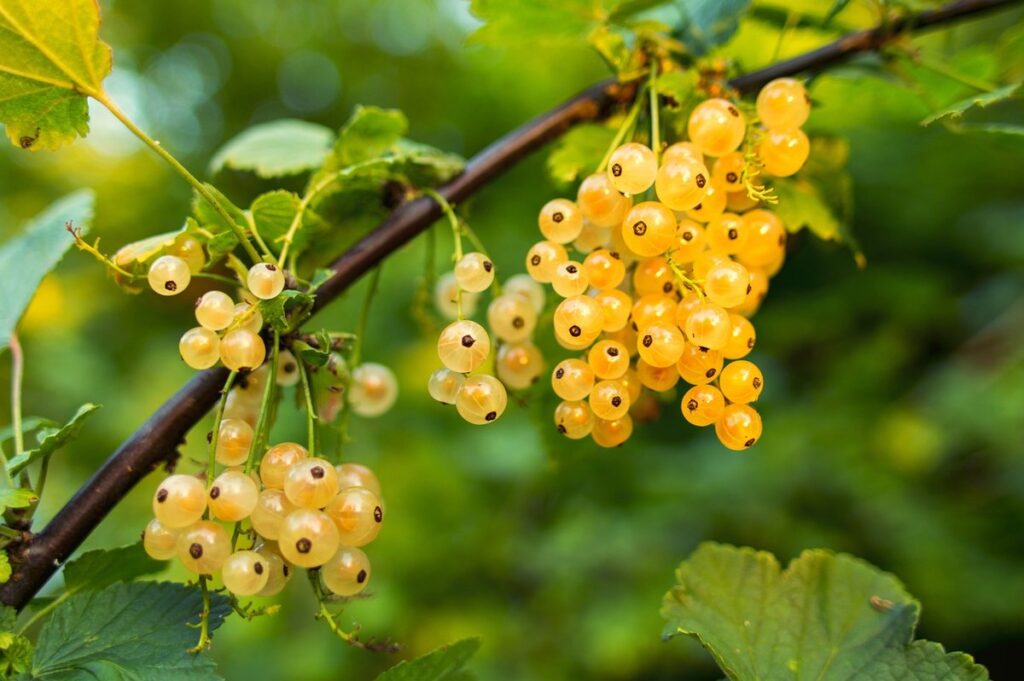
Understanding Currant Pruning Basics
To prune currants effectively, you first need to understand the basics of pruning, including why it’s essential and how to identify the right tools for the job.
Why Prune Currants?
Pruning currants is not just about maintaining the plant’s appearance; it serves several critical purposes that ultimately contribute to its overall health and productivity. First and foremost, pruning encourages healthy growth by removing diseased, damaged, or dead wood, which can harbor pests and diseases that might spread to other parts of the plant.
By pruning regularly, you’re also promoting a balanced structure, allowing sunlight to reach all areas of the bush, and encouraging new growth. This is especially important for currants, as they produce fruit on new wood, meaning that last year’s growth will not bear fruit. Pruning helps stimulate new shoots to grow, resulting in increased fruit production.
In addition to these benefits, pruning also plays a crucial role in maintaining your currant bush‘s shape and size. Regular pruning prevents the plant from becoming leggy or overgrown, which can make it more susceptible to disease and pests.
Types of Pruning Techniques for Currants
Currant pruning requires a range of techniques to maintain healthy growth, promote fruiting, and shape the plant. Topping pruning involves cutting back the entire current season’s growth to about 6-8 inches from the ground. This method is ideal for currants that have become leggy or overgrown.
Renewal pruning is more extensive, where you remove all but two to three of the oldest stems on established bushes. This technique encourages new growth and helps maintain a bushy shape. Reduction pruning focuses on removing select branches to control height and encourage fruiting. You can reduce long shoots by half their length or even remove entire sections.
Timing plays a crucial role in these techniques. Topping and renewal pruning are usually done in late winter or early spring, before new growth begins. Reduction pruning is more flexible and can be performed at various times throughout the growing season, depending on your specific needs.
When choosing a pruning technique for your currants, consider the plant’s age, vigor, and your desired outcome. For example, if you want to maintain a compact shape or stimulate new fruiting, renewal pruning might be the best choice.
When to Prune Currant Plants
Pruning currant plants at the right time is crucial for their overall health and productivity. The ideal times to prune currants are during late winter or early spring, typically around 2-4 weeks before new growth begins. This allows you to remove dead, diseased, or damaged branches without causing unnecessary stress to the plant.
To determine if a currant plant needs pruning, look for signs of overgrowth, such as weak or spindly stems, or an abundance of suckers (shoots growing from the base of the plant). These issues can reduce fruit production and make the plant more susceptible to disease. Prune your currants regularly to maintain their shape, promote healthy growth, and encourage fruiting.
If you’re unsure whether your currant plant needs pruning, observe its overall health. If it’s showing signs of decline or is no longer producing well, a good prune can work wonders. Just be sure to remove only the necessary branches, as over-pruning can cause more harm than good. With regular pruning, your currants will thrive and provide you with an abundance of delicious fruit for years to come.
Preparing for Pruning: Tools and Techniques
To get started with pruning your currant bushes, you’ll need the right tools and a solid understanding of basic techniques to avoid any mistakes. We’ll cover both in this next section.
Choosing the Right Pruning Tools
When it comes to pruning currants, having the right tools for the job is essential. You’ll want to start with a few fundamental pieces of equipment that will make the process much easier and more efficient.
First and foremost, loppers are a must-have for currant pruning. Look for high-quality loppers with long handles (at least 30 inches) and sharp blades. These should be able to handle thicker stems with ease. It’s also important to select loppers made from durable materials that can withstand regular use.
Hand pruners, or secateurs, are another essential tool for currant pruning. Choose hand pruners with comfortable grips and sharp blades. A good pair of hand pruners will allow you to make precise cuts on smaller stems and branches.
In addition to loppers and hand pruners, you may also want to invest in a pruning saw for thicker branches. Look for a saw with a curved or angled blade that can be used in tight spaces.
It’s worth noting that maintaining your tools is just as important as selecting them in the first place. Regularly clean and sharpen your loppers and hand pruners, and store them properly to prevent damage.
Pre-Pruning Inspection and Planning
Before you start pruning your currant bushes, it’s essential to inspect them carefully and plan your approach. This step may seem tedious, but trust us – a thorough inspection will save you time and effort in the long run. Start by walking around the plant, looking for any signs of disease or pests that could be affecting its health.
Check for any weak or damaged branches that need to be removed. Inspect the soil for any areas where water may be pooling, which can lead to root rot. Take note of any uneven growth patterns or bare patches on the bush. All these factors will help you determine what needs attention and inform your pruning plan.
As you inspect, consider how much sunlight each area of the plant is receiving. This will guide your decision-making when it comes to pruning for air circulation and sunlight penetration. Make a mental note (or better yet, take some photos) of areas that need improvement, so you can tackle them systematically during pruning. A pre-pruning inspection and plan are crucial for achieving optimal results – don’t skip this step!
Pruning Techniques for Different Currant Varieties
When pruning currants, it’s essential to consider the specific needs of each variety. In this section, we’ll explore the unique pruning techniques for black, red, and white currants.
Pruning Red Currants
When it comes to pruning red currant varieties, the goal is to control their size while encouraging fruit production. Red currants tend to grow more vigorously than black and white currants, so they require regular pruning to maintain a manageable shape.
To prune red currants, start by removing any dead or damaged branches in late winter or early spring. Cut these branches back to the base of the plant, making clean cuts just above a growth node. This will help prevent disease from spreading and encourage new growth.
Next, reduce the size of the current season’s growth by cutting back the tips of the stems to about two-thirds their length. This will help control the plant’s overall height and promote bushy growth. Also, remove any weak or spindly growth to maintain a balanced shape.
Finally, consider thinning out some of the fruiting branches to allow more sunlight to reach the remaining fruit. This can be done in late spring or early summer, after the first flush of flowers has passed. By following these pruning techniques, you’ll be able to control the size of your red currant variety while encouraging healthy and productive growth.
Pruning White and Black Currants
When it comes to pruning white and black currant varieties, understanding their unique growth habits and fruiting patterns is crucial for optimal yields. White currants (Ribes rubrum) are known for their vigorous growth, producing a dense canopy of stems that can overshadow other plants if not pruned regularly.
To control this growth, prune white currant bushes in late winter or early spring, removing any dead, diseased, or damaged wood. Cut back the longest shoots to about one-third to encourage branching and promote even fruiting. Black currants (Ribes nigrum), on the other hand, have a more compact growth habit but still require regular pruning.
For black currant bushes, prune in late winter or early spring, focusing on removing any weak or spindly growth. Cut back stems that produced fruit the previous season to about 6-8 inches from the ground to encourage new growth and promote healthy fruiting.
In both cases, make clean cuts just above a bud eye, using sharp, sterile pruning tools to prevent disease spread. Pruning at the right time and with the right techniques will help ensure your white and black currant bushes produce an abundance of delicious fruit for years to come.
Common Pruning Mistakes to Avoid
When it comes to pruning currants, even small mistakes can have a big impact on your plant’s health and productivity. Let’s take a closer look at some common errors to steer clear of.
Over-Pruning: A Recipe for Disaster
Over-pruning currant plants can be a recipe for disaster. When you remove too much of the plant’s growth, it can leave the remaining stems vulnerable to disease and pests. This is especially true if you’re pruning back currants in late winter or early spring, when they’re at their most susceptible. By cutting away too much foliage, you’re essentially stripping the plant bare, making it harder for it to photosynthesize and produce energy.
Not only can over-pruning damage a currant’s health, but it can also lead to reduced fruit production. Currants need strong, established stems to support the weight of their fruits, so if you’ve pruned away too much growth, your plant may struggle to produce a decent crop. In extreme cases, over-pruning can even kill off a currant plant altogether.
To avoid these problems, it’s essential to prune your currants judiciously. Remove only what’s necessary – dead, diseased, or damaged wood – and leave enough foliage to allow the plant to thrive. Remember, a little pruning goes a long way when it comes to maintaining healthy, productive currant plants.
Under-Pruning: Missing Opportunities
Under-pruning can lead to missed opportunities for improvement in currant pruning. When you don’t prune enough, you may not take advantage of the potential growth and productivity of the plant. This can result in reduced yields, as the currant bush may not be able to produce as many fruits due to inadequate thinning.
Furthermore, under-pruning can also lead to an altered plant shape, which can compromise the overall health and appearance of the currant bush. For instance, if you don’t prune regularly, the branches may become too dense and overcrowded, making it difficult for air and light to penetrate, and creating an ideal environment for diseases to thrive.
To avoid under-pruning, make sure to inspect your currant bushes regularly during the growing season. Remove any weak or damaged branches, and thin out the fruiting wood to allow for good air circulation and sunlight penetration. This will help promote healthy growth, increase yields, and maintain a desirable plant shape. By pruning correctly, you’ll be able to maximize the potential of your currants and enjoy a bountiful harvest.
Post-Pruning Care and Maintenance
Now that you’ve pruned your currant bushes, it’s time to focus on post-pruning care and maintenance to ensure they thrive throughout the growing season. Proper care will promote healthy growth and encourage a bountiful harvest.
Aftercare for Pruned Currant Plants
After pruning your currant plants, it’s essential to provide them with proper aftercare to ensure their health and productivity. This involves monitoring for potential pests and diseases that can take advantage of the newly exposed branches. Keep a close eye on your plants for signs of aphids, spider mites, or powdery mildew, which are common issues in currant cultivation.
To prevent these problems, spray your pruned plants with a fungicide or insecticidal soap solution as needed. Regularly inspect the foliage and stems for any unusual growths or discolouration, addressing potential issues promptly to prevent them from spreading.
In addition to pest control, ensure that your pruned currant plants receive adequate water and nutrients. Water deeply after pruning, then maintain consistent moisture levels throughout the growing season. Apply a balanced fertilizer in early spring, following the manufacturer’s instructions for application rates and timing. This will help promote healthy growth and fruit production, setting your currant plants up for success in the months to come.
Regularly inspecting your pruned plants and providing optimal care will ensure they recover quickly from pruning and remain vigorous throughout the season.
Seasonal Considerations and Follow-Up Pruning
As you navigate the world of currant pruning, it’s essential to be mindful of seasonal changes and their impact on your plants’ needs. During different times of the year, your currants will require varying levels of care, and understanding these fluctuations is crucial for optimal growth and health.
In warmer climates, currant bushes often enter a period of dormancy during the winter months. As temperatures drop, prune back any dead or damaged branches to maintain air circulation and prevent disease. This is also an excellent opportunity to shape your plants’ structure and promote healthy new growth. In regions with harsh winters, consider pruning in late winter or early spring when buds begin to swell.
Follow-up pruning should occur approximately 4-6 weeks after the initial cutback. This allows time for the plant to establish new growth and reduces stress on the plant during the growing season. Remember to inspect your plants regularly throughout the year, addressing any issues promptly to prevent damage and ensure a bountiful harvest.
Frequently Asked Questions
What’s the ideal time to inspect my currant bushes before pruning, considering weather conditions?
Inspect your currant bushes about a week after the last frost of winter when new growth begins to emerge. This is usually around late March or early April in most regions. Avoid pruning during wet or cold weather as it can cause damage and increase disease risk.
How often should I prune my currants if I’m short on time but still want to maintain healthy growth?
Pruning currants at least once a year, preferably in late winter or early spring, is essential for maintaining healthy growth. However, if you’re short on time, focus on removing any dead, diseased, or damaged wood, and cut back the longest canes by about one-third.
Can I use the same pruning techniques for all types of currants (black, red, and white)?
While some general principles apply to pruning all types of currants, there are differences in technique specific to each variety. For example, pruning black currants requires more attention to detail due to their compact growth habit. Research the specific needs of your currant variety for optimal results.
What’s the best way to store my pruning tools between uses to prevent rust and maintain cleanliness?
Store pruning tools in a dry place, such as a garage or shed, after each use. Clean and disinfect tools with a mixture of water and bleach, then wipe them down with oil to protect against rust. Regular maintenance will keep your tools sharp and clean for years to come.
How long does it take for currant bushes to recover from over-pruning?
Currants can be resilient but may require additional time to recover from over-pruning. In most cases, give your currant bushes an extra growing season or two before they fully bounce back. Monitor their health closely and adjust your pruning schedule accordingly to avoid future setbacks.