
Composting is an art that requires patience, persistence, and a bit of know-how. When done correctly, it can transform your kitchen scraps and yard waste into nutrient-rich soil amendments that’ll make your garden thrive. But layering compost effectively is key to achieving this magic. In the traditional hot composting method, you need to balance carbon-rich “brown” materials with nitrogen-rich “green” ones in a precise sequence. However, this approach can be too intense for some, and that’s where cool alternatives come into play. If you’re struggling to create a balanced compost pile or dealing with pesky odors and pests, worry no more! This article will guide you through the art of compost layering, covering hot and cool methods, troubleshooting common issues, and revealing expert tips to help you achieve perfect compost every time.
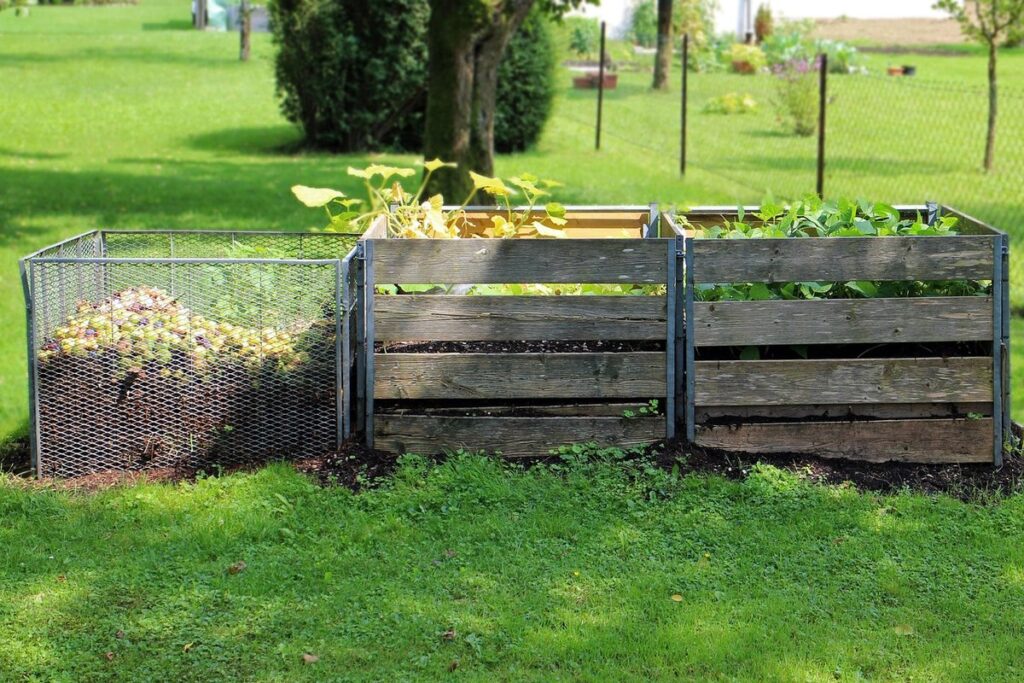
Understanding the Basics of Composting
Composting is a fundamental process that sets the foundation for successful compost layering, so let’s start by breaking down its basic principles and how they apply to our method.
What is Composting?
Composting is a fascinating process that’s essential for creating nutrient-rich soil for your garden. At its core, composting involves breaking down organic materials into a valuable resource for sustainable gardening. This process relies on the actions of microorganisms like bacteria and fungi, which feed on the carbon-rich materials in your compost pile.
To understand composting, it’s helpful to think about the 4 main components involved: carbon (dry, brown materials), nitrogen (wet, green materials), oxygen, and water. When these elements are present in balance, microorganisms can thrive, and decomposition occurs efficiently. Carbon sources include dried leaves, straw, or shredded newspaper, while nitrogen-rich materials come from food scraps, grass clippings, or manure.
In composting, a symbiotic relationship between the microorganisms and their environment allows for efficient breakdown of organic matter. This transformation is critical for soil health as it adds essential nutrients, improves structure, and supports beneficial microbial populations. As you layer your compost pile, consider incorporating a mix of carbon-rich materials to balance out nitrogen sources, ensuring a thriving ecosystem that maximizes nutrient potential.
Benefits of Composting
Composting not only helps to reduce waste sent to landfills but also provides numerous benefits for our environment and soil health. According to the Environmental Protection Agency (EPA), composting can divert up to 30% of organic materials from landfills, reducing greenhouse gas emissions and conserving landfill space.
One of the most significant advantages of composting is its ability to improve soil structure. Compost adds essential nutrients and microorganisms that help break down complex compounds, making it easier for plants to absorb water and nutrients. As a result, crops grow stronger and healthier, leading to increased yields. In fact, a study by the University of California found that corn yields were 25% higher when grown in soil amended with compost compared to unamended soil.
By incorporating compost into your gardening routine, you can also expect to see improved water retention, reduced erosion, and enhanced biodiversity. Furthermore, composting reduces the need for synthetic fertilizers and pesticides, making it an eco-friendly alternative for gardeners and farmers alike.
Choosing the Right Compost Layering Method
When it comes to compost layering, not all methods are created equal, and selecting the right one for your needs can make a big difference in your compost’s quality and efficiency. Let’s explore some popular options together.
Traditional Hot Composting
Traditional hot composting is one of the most popular and efficient methods for creating nutrient-rich compost. This method involves mixing “green” materials, which are high in nitrogen, with “brown” materials, rich in carbon, in specific ratios. The ideal mix is 2/3 brown materials (dried leaves, straw, or shredded paper) to 1/3 green materials (food scraps, grass clippings, or manure). By maintaining this balance, you’ll create an optimal environment for decomposition, allowing the composting process to occur quickly and efficiently.
This method’s benefits are numerous. It accelerates the composting process, reducing the time it takes to create a finished product from several months to just a few weeks. Additionally, hot composting helps to kill off weed seeds, pathogens, and pests that can be present in your materials, resulting in a safer and cleaner final product.
However, traditional hot composting does have its drawbacks. It requires regular mixing, typically daily or every other day, which can be time-consuming and labor-intensive. This method also needs sufficient space to allow for adequate airflow and to prevent matting of the materials. Finally, if not managed properly, hot composting can lead to unpleasant odors and pests attracted to the high nitrogen levels in green materials. To minimize these risks, ensure you have enough space (at least 3×4 feet) and maintain regular mixing and monitoring of your pile’s temperature and moisture levels.
Cool Composting Methods: Alternatives to Hot Composting
If you’re looking for compost layering methods that don’t require frequent turning or temperature monitoring, you’ll love these cool alternatives to hot composting. Vermicomposting, also known as worm composting, is a popular method where red wiggler worms break down organic matter into a nutrient-rich compost in just a few weeks.
To set up a vermicomposting system, start by collecting red wiggler worms from a pet store or online supplier. Add a 4-6 inch layer of bedding material like coconut coir or shredded newspaper to the worm bin, followed by a layer of food scraps and then another layer of bedding. Repeat this process until the bin is about 2/3 full.
Bokashi composting is another cool method that uses microorganisms to break down organic matter in an oxygen-free environment. You’ll need a bokashi bin with a tap at the bottom, which allows you to drain off the liquid fertilizer (Bokashi Juice) as it’s produced. Add 1-2 inches of Bokashi mix to the bottom of the bin, followed by layers of food scraps and bedding materials.
Both vermicomposting and bokashi composting offer benefits like reduced odors, minimal space requirements, and the ability to compost meat, dairy, and other high-nitrogen foods. These methods are ideal for small-scale or indoor composting, where hot composting might not be feasible due to space constraints or temperature fluctuations.
Layering Materials for Optimal Composting
When it comes to layering materials, selecting a balance of green and brown compostables is crucial for optimal decomposition. This combination will create an environment where microorganisms can thrive.
Green Materials: Nitrogen-Rich Additions
Green materials like food scraps, grass clippings, and manure play a vital role in providing nitrogen to the compost pile. Nitrogen is an essential nutrient that promotes healthy microbial growth, which in turn accelerates the decomposition process. However, it’s crucial to balance green materials with brown carbon-rich additions to avoid creating anaerobic conditions.
When adding green materials, aim for 2/3 of your total layer composition to be brown materials and 1/3 to be green. For example, if you have a 4-foot compost pile, allocate the bottom two feet for brown materials like dried leaves or shredded newspaper, followed by one foot of green materials like food scraps or grass clippings. This balance allows microorganisms to thrive while preventing excessive heat buildup.
Remember, it’s not just about adding a specific amount of green materials; it’s also about creating an environment that supports their breakdown. Ensure adequate air circulation and moisture levels throughout the pile by mixing in brown materials, which help absorb excess water and maintain porosity. By striking this balance, you’ll create a thriving compost ecosystem that produces rich, nutrient-dense soil for your garden.
Brown Materials: Carbon-Rich Additions
Brown materials play a vital role in compost layering by providing an abundance of carbon to fuel decomposition. These materials, such as dried leaves, straw, or shredded newspaper, are rich in carbon and can make up the bulk of the pile. The ideal ratio for brown materials is 2/3 to 3/4 of the total pile, with green additions like kitchen scraps making up the remaining portion.
To incorporate brown materials into your compost pile, start by adding a thick layer at the bottom. This will provide a foundation for the rest of the pile and help speed up decomposition. Next, alternate between brown and green layers, maintaining the desired balance throughout the pile. For example, you might add 6-8 inches of straw or dried leaves, followed by a 2-inch layer of kitchen scraps.
By balancing brown materials with green additions, you’ll create an optimal environment for decomposition to occur. This will result in a nutrient-rich compost that’s perfect for gardening and reducing waste in your household. Aim to maintain a mix of 25-30% carbon-rich materials and 5-10% nitrogen-rich materials throughout the pile.
Monitoring and Maintaining Compost Piles
Now that you have a thriving compost pile, let’s dive into monitoring its progress and making any necessary adjustments to keep it healthy and productive. Regular maintenance is key to optimal decomposition.
Temperature Management
Monitoring temperature during hot composting is crucial to ensure that the decomposition process happens efficiently and safely. When carbon-rich “brown” materials are mixed with nitrogen-rich “green” materials, they undergo a series of chemical reactions that generate heat. This heat is what drives the composting process, breaking down organic matter into a rich, earthy fertilizer.
A temperature range between 130°F to 140°F (54°C to 60°C) is ideal for hot composting. At this point, microorganisms are actively working to break down the materials, and the process is happening at an optimal rate. However, if temperatures rise above 160°F (71°C), it can lead to a process called “overheating,” which kills off beneficial microbes and renders the compost unusable.
To maintain optimal temperatures, ensure that your compost pile has adequate moisture and oxygen levels. Regularly turn or aerate the pile to facilitate airflow and help cool down hot spots. Avoid adding too many green materials at once, as this can lead to a rapid increase in temperature. Instead, balance out the carbon-to-nitrogen ratio by gradually introducing new materials to the pile. By monitoring temperature and following these guidelines, you’ll be able to achieve the perfect conditions for hot composting.
Moisture Levels: Avoiding Compaction and Odors
Maintaining adequate moisture levels is crucial to prevent compaction and odors in compost piles. When moisture levels are off, it can lead to anaerobic conditions, where microorganisms thrive without oxygen. This results in unpleasant odors and reduced nutrient value.
To avoid over-moistening, look for signs such as water pooling at the bottom of the pile or a spongy texture when pressed. These indicate that excess moisture is breaking down too quickly, leaving behind anaerobic byproducts like ammonia. Reduce moisture levels by adding more dry materials, turning the pile, or increasing airflow.
Under-moistening can also be detrimental, as it slows decomposition and may attract pests. Check for signs such as a dry, crumbly texture or an inability to compress the pile easily. In this case, replenish moisture by sprinkling water over the pile or adding more green materials like food scraps or grass clippings.
Aim for a mix of 50-60% “brown” (dried leaves, straw) and 40-50% “green” (food scraps, grass clippings) materials to maintain optimal moisture levels. Regularly inspect the pile’s texture, odor, and temperature to adjust as needed, ensuring your compost remains healthy and efficient.
Composting for Specific Needs: Specialized Methods
Compost layering isn’t one-size-fits-all, and different needs call for unique approaches – from worm composting to dealing with odors. Let’s dive into these specialized methods together.
Composting for Indoor Spaces
Composting indoors can be a challenging yet rewarding experience. Limited space and potential for pests or odors are common concerns for indoor composters. However, with the right approach, you can successfully turn food scraps into nutrient-rich fertilizer even in a compact urban setting.
One popular method for indoor composting is vermicomposting, also known as worm composting. This involves using red wiggler worms to break down organic matter in a controlled environment. By providing adequate moisture and oxygen, you can maintain a thriving worm colony that converts kitchen scraps into a valuable resource.
Another option is bokashi composting, which uses microorganisms to ferment food waste in an airtight bin. This method allows for high-temperature decomposition, eliminating the risk of pests or odors. By layering materials correctly and following specific guidelines, you can create a balanced indoor composting system that meets your needs while minimizing potential drawbacks.
For those with limited space, consider investing in compact bins or containers specifically designed for indoor composting. Regular maintenance and monitoring are key to successful indoor composting, ensuring the health of both humans and microorganisms involved.
Composting for Small Gardens: Compact Layering Solutions
Composting for small gardens can be just as effective and efficient as larger spaces, with compact layering solutions that save space without sacrificing results. For those with limited yard area, a compact compost bin is an excellent option. These bins come in various sizes, from 1-2 cu. ft., making them perfect for balconies, patios, or small backyards.
Worm composting systems are another fantastic choice for tiny spaces. These self-contained units allow you to vermicompost at home, breaking down food scraps and yard waste into a nutrient-rich compost in just a few weeks. They’re ideal for indoor gardening and can be easily maintained with minimal space requirements.
When choosing a compact layering solution, consider factors like size, material, and ease of maintenance. For example, some worm composters come with automated aeration systems, while others require manual turning. By selecting the right fit for your small garden’s needs, you can create rich, fertile soil that supports healthy plant growth without sacrificing valuable space.
Incorporating compact layering solutions into your composting routine is easier than ever, especially when considering the numerous online resources and tutorials available to guide you through the process. With the right equipment and a little know-how, even the smallest garden can thrive with effective composting practices in place.
Troubleshooting Common Compost Layering Issues
We’ve all been there – wondering what to do when a layer of compost turns anaerobic, or how to fix an imbalance in your pile. Let’s tackle these common problems together!
Common Pests and Diseases in Compost
When it comes to compost layering, there are several common pests and diseases that can affect your pile. These unwelcome guests can be frustrating and even ruin the quality of your finished compost.
One of the most notorious pests is the rodent, which can nibble on tender shoots and roots, contaminating the compost with their droppings. Insects like fruit flies, flies, and ants are also common culprits, attracted to the sweet scent of fermenting materials. Other pests that may infiltrate your compost pile include slugs, snails, and even nematodes.
To prevent these pests from taking over, make sure to layer your compost with adequate carbon-rich “brown” materials like straw or shredded newspaper. This will help deter insects and other small creatures that prefer moist environments. You can also incorporate natural pest repellents like cayenne pepper, garlic, or hot peppers into your pile.
Diseases in compost piles often result from high moisture levels, poor aeration, or contamination with weeds. Fungal diseases are particularly common, causing slimy textures and unpleasant odors. To control diseases, ensure good airflow by turning your pile regularly and maintaining adequate carbon-to-nitrogen ratios. Remove any weeds or disease-prone materials immediately to prevent the problem from spreading. Regular monitoring will help you catch potential issues early on, allowing for prompt action to be taken.
Overheating or Underheating: Adjusting Your Layering Technique
When you’re hot composting, achieving optimal decomposition temperatures is crucial for creating a nutrient-rich finished compost. However, issues of overheating or underheating can arise due to incorrect layering techniques. Overheating occurs when the compost pile becomes too dense and oxygen levels drop, causing the microorganisms to overheat and potentially kill off beneficial bacteria.
Underheating, on the other hand, happens when the pile is too sparse and doesn’t retain enough heat. To address these issues, it’s essential to adjust your layering technique accordingly. A good rule of thumb is to aim for a moisture level of 50-60% and maintain a balance between green (high-nitrogen) materials like food scraps and brown (low-nitrogen) materials like dried leaves or straw.
When adding new layers, make sure to alternate between high-nitrogen and low-nitrogen materials. You can also try adding more brown materials if the pile is overheating or more water-soluble ingredients like urine or manure tea to help maintain optimal moisture levels. Keep in mind that a hot compost pile should reach temperatures of 130°F – 140°F (54°C – 60°C) within 24-48 hours after layering.
Conclusion
Now that you’ve learned the art of compost layering, it’s time to put your new skills into practice. Remember, consistency is key when creating a thriving compost pile. By following this guide, you’ll be able to create a nutrient-rich soil amendment for your garden in no time. Don’t be discouraged if things don’t happen overnight – building healthy soil takes patience and effort.
Keep in mind that the benefits of compost layering extend far beyond just improving soil quality. By reducing waste and creating a balanced ecosystem, you’re also helping to reduce greenhouse gas emissions and support local wildlife. As you continue on your sustainable gardening journey, be sure to experiment with different materials and techniques to find what works best for you and your garden’s unique needs.
Frequently Asked Questions
What if I don’t have a large garden or outdoor space for composting?
You can still compost effectively even with limited space! Consider using a compact compost bin or container, which allows for efficient layering and decomposition without taking up too much room. Additionally, you can also explore indoor composting methods like vermicomposting (worm composting) or bokashi.
Can I use meat, dairy, and oils in my compost pile?
No, it’s not recommended to include animal products like meat, dairy, and oils in your compost pile, as they attract pests and create unpleasant odors. These materials also break down slowly, slowing the overall composting process. Stick to green materials like fruit and vegetable scraps, grass clippings, and manure from herbivores.
How do I balance the moisture levels in my compost pile?
To avoid compaction and odor issues, aim for a mix of 50-70% “wet” materials (green) and 30-50% “dry” materials (brown). Regularly inspect your pile’s moisture level by inserting a stick or probe. If it feels dry, add more green materials; if it’s too wet, add brown ones.
Can I compost pet waste?
While some gardeners claim that composting pet waste is safe and beneficial, others argue that it can harbor pathogens and parasites. To err on the side of caution, it’s generally recommended to exclude pet waste from your compost pile, especially if you have pets with diseases like parvovirus or E. coli.
How often should I turn my compost pile?
Turning your compost pile regularly helps maintain oxygen levels, promotes decomposition, and prevents pests and odors. Aim for turning every 7-10 days for hot composting methods and every 2-3 weeks for cool alternatives.