
Are you tired of store-bought cilantro that’s lost its flavor and aroma? If you’re looking for a fresh and continuous supply, planting cilantro in your garden is the way to go. However, knowing when to plant cilantro can be tricky, especially considering different climate zones and soil conditions. In this article, we’ll break down the essential tips on when to plant cilantro in your region, taking into account hardiness zone and climate considerations. We’ll also cover expert advice on preparing the perfect soil, providing optimal care for a healthy crop, and overcoming common challenges that might lead to disappointment. By following these guidelines, you’ll be well on your way to growing delicious and fragrant cilantro right in your own backyard, all season long.
Climate and Region Considerations
When planning when to plant cilantro, consider how your local climate and region will impact its growth. This can greatly affect when it’s ready to harvest and thrive.
Understanding Cilantro’s Temperature Requirements
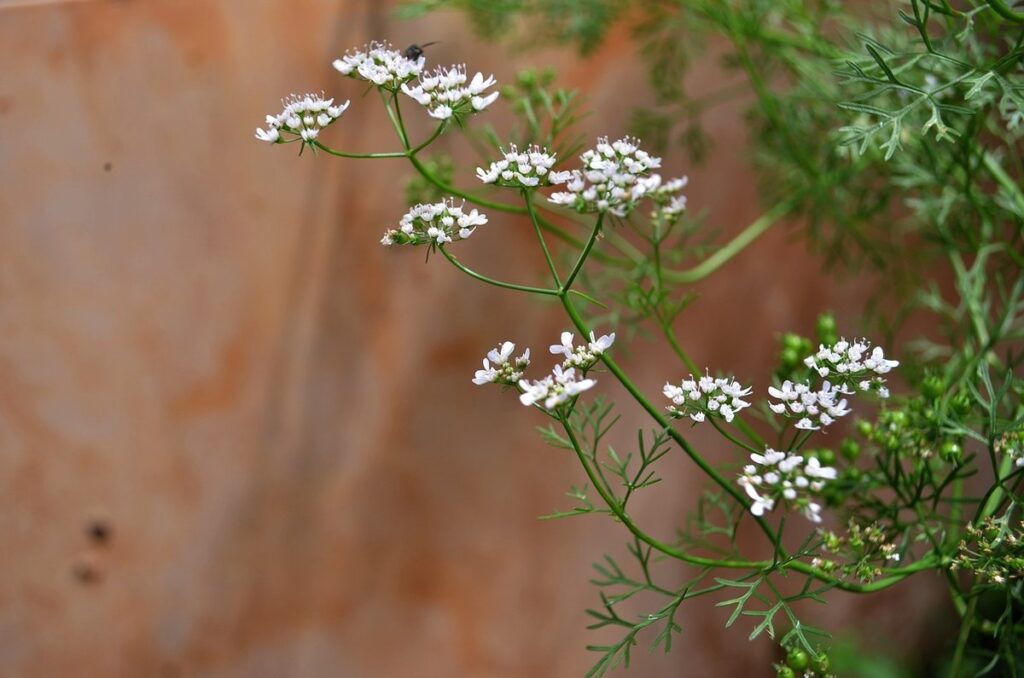
Cilantro is highly sensitive to temperature fluctuations, making it a challenging crop to grow for some gardeners. Ideally, cilantro thrives in temperatures between 60°F and 70°F (15°C and 21°C). While it can tolerate slightly warmer temperatures up to 80°F (27°C), prolonged exposure to heat above this threshold can lead to bolting, or premature flowering. On the other hand, cilantro is extremely sensitive to cold temperatures below 40°F (4°C) and may bolt or become bitter if exposed to frost.
In regions with mild winters, it’s not uncommon for cilantro to germinate in as little as two weeks after sowing. However, this rapid growth can be detrimental to the plant’s flavor and aroma. To mitigate this effect, consider planting cilantro in late summer or early fall when temperatures are cooler. This will allow you to harvest the herb at its peak flavor and aroma.
In areas with hot summers, it’s best to grow cilantro during the cooler months. In regions with moderate climates, plant cilantro every 1-2 weeks to ensure a continuous supply of fresh herbs throughout the growing season.
How to Determine Your Hardiness Zone
To determine when to plant cilantro, it’s essential to know your USDA hardiness zone. This will help you understand the average frost dates and temperature ranges for your area, which directly impact cilantro growth. First, visit the USDA website (usda.gov) and enter your zip code or city and state to find your specific hardiness zone.
Your hardiness zone affects cilantro planting in a few ways: cooler temperatures, shorter growing seasons, and increased frost risk. In zones 2-3, cilantro is typically grown as a cool-season crop, planted in early spring after the last frost date or late summer for a fall harvest. In warmer zones (4-10), cilantro can be grown year-round, but it may require more frequent watering to prevent bolting.
Consider your microclimate and local weather patterns when planning your cilantro planting schedule. For example, if you live in an area with mild winters, you might be able to grow cilantro continuously throughout the winter months. In contrast, areas with harsher winters will need to plan for annual cilantro crops.
Keep in mind that even within a single hardiness zone, microclimates can vary significantly. Your specific planting schedule may depend on these local conditions.
Regional Variations in Planting Times
Cilantro is a warm-season crop that thrives in temperatures between 65°F and 75°F (18°C to 24°C). However, its sensitivity to frost means it’s essential to consider regional differences when planting cilantro. In areas with short growing seasons or early frosts, it’s crucial to plant cilantro as soon as the soil can be worked in spring, usually around late March to early April.
In regions with mild winters, like Southern California or Florida, you may be able to grow cilantro year-round. In these areas, plant cilantro every 1-2 weeks to ensure a continuous harvest. On the other hand, in cooler climates like the Northeast or Midwest, it’s best to wait until late spring or early summer when the soil has warmed up.
Before planting, check the average frost dates for your region and plan accordingly. In areas with hot summers, cilantro may bolt (go to seed) quickly, so consider planting it in a spot that receives partial shade. Keep in mind that cilantro is a cool-season crop and can tolerate light frosts, but prolonged exposure to cold temperatures will damage the plant.
Planting Cilantro at the Right Time
When planning a cilantro garden, timing is everything. In this crucial step, we’ll explore the best seasons and months to plant cilantro in your area for optimal growth and flavor.
Spring Planting: A Delicate Balance
Planting cilantro in spring can be a delicate balance. With its short lifespan of around 50 to 60 days, you need to ensure that it’s planted at the right time to allow for optimal growth and harvesting before it bolts. One of the main challenges is temperature fluctuations – cilantro is sensitive to extreme temperatures, whether too hot or too cold.
For example, if it’s exposed to temperatures above 75°F (24°C), cilantro will quickly bolt, rendering it unusable. On the other hand, if it’s too cool, growth may be slowed down significantly. To navigate this challenge, consider planting cilantro in spring when the soil has warmed up to around 60-70°F (15-21°C). This allows for steady growth and minimizes the risk of bolting.
To ensure success, plant cilantro in a location that provides some shade, especially during the hottest part of the day. You can also start seedlings indoors 2-3 weeks before the last frost date to give them a head start on the season.
Summer Planting: Managing Heat Stress
Summer months can be challenging for cilantro growth due to heat stress. To mitigate this issue, it’s essential to implement techniques that promote healthy development and resilience. One such technique is planting cilantro in the early morning or late evening when temperatures are relatively cooler.
Watering also plays a significant role in managing heat stress. Avoid watering your cilantro plants during the hottest part of the day (usually between 11 am and 3 pm). Instead, water them thoroughly but infrequently to encourage deep root growth. This will help the plant withstand temperature fluctuations.
Another strategy is providing shade for your cilantro plants using umbrellas or other forms of shading. This can significantly reduce heat stress and promote healthy leaf growth. Additionally, incorporating organic mulch around the base of the plants can also help regulate soil temperatures and retain moisture.
When planting in extremely hot climates, consider growing a heat-tolerant variety of cilantro. These varieties are bred to perform better under intense heat conditions.
Fall Planting: Extending the Harvest Season
Planting cilantro in fall is an excellent strategy for extending the harvest season. By doing so, you can enjoy a continuous supply of fresh herbs throughout the year. To plant cilantro in fall, choose a location that receives partial shade and has well-draining soil.
In areas with mild winters, cilantro can be planted as early as August or September for a fall harvest. In regions with frost, wait until the temperature cools down to around 60°F (15°C) before sowing seeds directly in the ground. Sow seeds about 1/4 inch deep and 1-2 inches apart, thinning them out to 6-8 inches as they grow.
To ensure a continuous harvest, plant cilantro every 1-2 weeks throughout the fall season. This will provide you with a steady supply of fresh herbs for salads, soups, and other dishes. You can also consider growing cilantro in containers, which allows for better control over the soil temperature and moisture levels.
Soil Preparation and Care
Before you can start harvesting fresh cilantro, it’s essential to prepare your soil for optimal growth. Proper soil care will give your cilantro crop a head start on success.
Preparing the Soil for Cilantro Growth
To grow cilantro successfully, you’ll need to prepare the soil properly. First and foremost, check the pH level of your soil. Cilantro prefers a slightly acidic to neutral soil pH, ranging from 6.0 to 7.0. If your soil is too alkaline or acidic, it can affect the herb’s growth.
In terms of nutrient requirements, cilantro doesn’t need much fertilizer. In fact, over-fertilizing can lead to weak and leggy growth. Instead, focus on providing a balanced diet with essential micronutrients like nitrogen, phosphorus, and potassium. You can add a small amount of compost or well-rotted manure to the soil to provide these nutrients.
Drainage is also crucial when growing cilantro. The herb doesn’t tolerate waterlogged soil, so ensure that your soil drains well to prevent root rot. You can improve drainage by adding organic matter like perlite or vermiculite to the soil.
When preparing the soil for cilantro growth, consider the following tips: use a garden fork to loosen the top 8-10 inches of soil; mix in some compost or fertilizer according to the recommended rates; and avoid over-tilling the soil, which can damage the delicate roots of the herb.
Maintaining Healthy Cilantro Plants
To ensure that your cilantro plants thrive and produce plenty of fresh herbs for you to harvest, regular care practices are crucial. Watering is one of the most essential aspects of caring for cilantro plants. Make sure the soil is consistently moist but not waterlogged, as this can lead to root rot. Check the soil daily, and water when it feels dry to the touch.
Fertilizing your cilantro plants will also promote healthy growth. Use a balanced fertilizer (10-10-10) once a month to provide essential nutrients. You can also use compost tea or worm castings as natural alternatives. Pruning is another important practice that encourages bushy growth and prevents the plant from flowering too quickly.
Prune your cilantro plants regularly, removing any flower buds you see forming. This will direct the plant’s energy towards producing more leaves. Use scissors to snip off any leggy stems or weak growth, promoting a balanced shape.
Remember, it’s also essential to rotate your cilantro crop every few weeks to prevent pests and diseases from taking hold. By following these care practices, you’ll be able to enjoy a continuous harvest of fresh, healthy cilantro herbs throughout the growing season.
Tips for Success: Overcoming Common Challenges
Even the most seasoned gardeners can encounter issues when growing cilantro, so let’s tackle some common challenges and find solutions to keep your crop thriving. We’ll share expert tips to get you back on track.
Managing Pests and Diseases
Cilantro plants are susceptible to various pests and diseases that can significantly impact their growth and yield. One of the most common issues is aphid infestation, which can be prevented by using neem oil or insecticidal soap. Regularly inspecting your plants for signs of pests and taking prompt action is crucial.
Another problem faced by cilantro growers is powdery mildew, a fungal disease that appears as a white, powdery coating on the leaves. This can be controlled by maintaining good air circulation, removing infected leaves, and applying a fungicide.
To prevent root rot, ensure your cilantro plants have well-draining soil and avoid overwatering. Regularly check for signs of pests or diseases and treat promptly to minimize damage.
Some beneficial insects like ladybugs and lacewings can be introduced into the garden to naturally control aphid populations.
Extending the Harvest Period
Extending the harvest period of cilantro is crucial for continuous supply throughout the growing season. One technique to achieve this is succession planting. This involves sowing a new batch of cilantro seeds every 1-2 weeks, allowing for multiple harvests before the plants bolt. By staggering the plantings, you can have a steady supply of fresh herbs from spring to fall.
Crop rotation is another effective method for extending the harvest period. Cilantro belongs to the carrot family and is prone to pests and diseases. Rotating it with other crops like tomatoes, peppers, or cucumbers not only breaks disease cycles but also replenishes soil nutrients. For example, planting cilantro after tomatoes can help reduce nematode populations that target these plants.
Harvesting methods also play a significant role in extending the harvest period. Pinching off flower buds prevents seed production and encourages leaf growth, promoting continuous harvests. Regular harvesting of individual leaves or stems will also prevent bolting. By implementing these techniques, you can enjoy fresh cilantro for an extended period throughout the growing season.
Varieties and Their Planting Times
Knowing which cilantro variety to choose is just as important as knowing when to plant it, so let’s explore the different types and their ideal planting times.
Popular Cilantro Varieties and Their Characteristics
Cilantro is a popular herb that comes in several varieties, each with its unique growth habits and characteristics. Among the most common types are Slow Bolt, Curly Leaf, and Long Stem. Slow Bolt cilantro is known for its resistance to bolting (premature flowering) and slower growth rate, making it ideal for warmer climates or regions with a longer growing season.
Curly Leaf cilantro has distinctive curled leaves and a milder flavor than the other varieties. It’s an excellent choice for salads, salsas, and other dishes where you want a more delicate taste. Long Stem cilantro is recognized by its long, thin stems that can be harvested individually without affecting the rest of the plant.
When selecting a variety, consider your climate, available space, and desired usage. If you live in an area with hot summers or shorter growing seasons, Slow Bolt cilantro might be the best choice. Curly Leaf and Long Stem cilantro are better suited for cooler climates or regions with mild winters. Plant these varieties at the recommended times based on your location to ensure optimal growth and flavor.
In general, it’s essential to plant cilantro in the spring or fall when temperatures are cooler, around 60-70°F (15-21°C). This will help prevent bolting and promote healthy growth. Always check the specific planting time for your region to get the most out of your cilantro harvest.
Specialty Cilantro Variations for Specific Needs
If you’re looking for cilantro varieties that can thrive in specific climates or growing conditions, there are several specialty options worth exploring. ‘Slow Bolt’ is a popular variety resistant to bolting (going to seed too quickly), making it ideal for warmer climates where traditional cilantro varieties might struggle.
In regions with limited water availability, ‘Dwarf’ cilantro is a great choice, as it requires less moisture and has a smaller root system, reducing the risk of overwatering. For cooler climates or early spring plantings, ‘Mammoth’ cilantro can handle light frosts and continues to produce leaves well into the winter months.
Heirloom varieties like ‘Santo’ and ‘Jantar’ offer unique flavor profiles and are often sought after by chefs for their distinct characteristics. When selecting specialty cilantro varieties, consider your specific climate and growing conditions to ensure optimal growth and harvests. Be sure to check the seed packet or consult with a local nursery for more information on the specific needs of each variety.
Additional Resources and Next Steps
Now that you’ve mastered when to plant cilantro, we’re excited to share some additional resources to help you take your herb gardening skills to the next level. Check out these extra tips and tools below!
Resources for Further Learning
If you’re eager to dive deeper into cilantro cultivation or seeking expert advice from experienced gardeners, there are numerous resources available online and offline. Online platforms like Gardening Know How, a comprehensive gardening encyclopedia, offer extensive articles on growing cilantro, including its ideal climate, soil conditions, and pest management techniques. Similarly, websites such as Fine Gardening provide tips on companion planting and succession planting to maximize your harvest.
For more in-depth guidance, consider consulting books from renowned gardening experts like “The Vegetable Gardeners Handbook” by Edward C. Smith or “How to Grow Almost Anything” by James Wong. These resources not only offer expert advice but also share practical examples and case studies of successful cilantro cultivation.
To connect with local gardening communities, search for nearby gardening clubs or attend online forums like Reddit’s r/gardening. These platforms allow you to ask questions, share experiences, and learn from fellow gardeners who have successfully grown cilantro in your region. By leveraging these resources, you’ll be well-equipped to overcome common challenges and enjoy a bountiful harvest of fresh cilantro.
Encouragement to Experiment and Adapt
As you’ve now learned when and where to plant cilantro for optimal growth, it’s time to put this knowledge into action. Don’t be afraid to experiment with different planting times and techniques based on your specific climate and growing conditions. Every region has its unique microclimates, so it’s essential to observe and adapt.
Consider trying a few different approaches in small sections of your garden or even in pots. Plant some cilantro in the early spring or late summer/early fall when temperatures are mild, and see how they perform. Observe the weather patterns, soil quality, and pest activity in your area. Take note of what works best for you.
You might be surprised at how well your cilantro thrives under specific conditions. For example, if you live in a hot and dry climate, try planting cilantro during the cooler months when the temperatures are more moderate. In areas with ample rainfall, plant it after the last frost to avoid waterlogged soil. Remember that every gardener’s experience is unique, so be open-minded and willing to adjust your approach as needed.
By experimenting and adapting to your specific climate and growing conditions, you’ll become a cilantro expert in no time!
Frequently Asked Questions
Can I grow cilantro indoors if I live in a cold climate or during the winter months?
Yes, you can grow cilantro indoors using containers, which will provide more control over the temperature and allow for continuous harvests throughout the year. However, be aware that indoor conditions may require additional care to prevent bolting.
How often should I water my cilantro plants, especially in hot weather?
Cilantro requires consistent moisture, but overwatering can lead to root rot. Water your cilantro plants when the top inch of soil feels dry to the touch, usually every 2-3 days during hot summer months. Be cautious not to get water on the leaves to prevent fungal diseases.
What are some common pests that target cilantro and how can I manage them?
Aphids, spider mites, and nematodes are common pests that may infest your cilantro crop. Use neem oil or insecticidal soap to control aphid populations, while introducing beneficial insects like ladybugs or lacewings can help with spider mite management.
Can I plant cilantro alongside other vegetables in my garden, or does it require its own plot?
Cilantro can be grown companionably with other vegetables like tomatoes, peppers, and carrots. However, avoid planting it near slow-growing plants like lettuce or herbs that prefer well-drained soil, as cilantro prefers moist conditions.
How do I know when to harvest my cilantro crop for optimal flavor and aroma?
Harvest your cilantro when the leaves are at their peak fragrance and color. Pinch off individual leaves or stems to encourage new growth, or cut back the entire plant about an inch above the soil line to promote a continuous supply of fresh cilantro throughout its growing season.