
Blackberry pruning is often misunderstood as a daunting task, but trust us, it’s a crucial step in keeping your plants healthy and productive. By trimming and shaping your blackberries at the right time, you’ll not only promote better growth but also prevent common problems like disease and pests from taking hold. In this comprehensive guide, we’ll walk you through the benefits of pruning your blackberries, including increased yields and a more attractive appearance. We’ll cover the essential techniques to follow, whether you’re a seasoned gardener or just starting out with these delicious fruits. And, we’ll share some common mistakes to avoid so you can get the most out of this process. By the end of this article, you’ll be equipped with all the knowledge needed to prune your blackberries like a pro and enjoy a bountiful harvest.
Understanding the Importance of Pruning
Pruning is a crucial step in blackberry cultivation, and understanding its importance will help you maintain healthy, productive bushes that thrive year after year. Let’s dive into why pruning matters for your blackberry plants.
Benefits of Regular Pruning
Regular pruning is a crucial practice for blackberry growers, offering numerous benefits that contribute to a healthy and productive plant. By regularly trimming and shaping your blackberry bushes, you can increase yields significantly. Pruning encourages the development of new canes, which are essential for fruit production, allowing you to harvest more berries from your plants.
In addition to boosting yields, regular pruning also improves fruit quality. Pruned blackberry plants tend to produce larger, more consistent berries that are better suited for eating fresh or using in cooking and baking. This is because pruning promotes air circulation and sunlight penetration, reducing the risk of disease and allowing for even ripening.
Another advantage of regular pruning is reduced susceptibility to diseases. When blackberry plants become too dense, they create an environment conducive to fungal growth. Pruning helps to maintain a healthy balance between foliage and fruit, keeping your plants less vulnerable to pests and diseases. Regular pruning will also help you identify any potential problems early on, allowing for timely intervention and minimizing the risk of severe damage.
Determining When to Prune
When it comes to determining when to prune your blackberries, paying attention to signs of overgrowth and lack of productivity is crucial. As a general rule, most blackberry canes will produce fruit for only two to three years before becoming woody and unproductive. If you notice that your plants are producing fewer berries or the fruit is smaller than usual, it may be time to prune.
Look for signs such as long, leggy canes with few lateral shoots, which indicate a lack of vigorous growth. You should also inspect the plant’s productivity, checking for areas where new growth is sparse or absent. Prune any dead, diseased, or damaged wood, as this will promote healthy growth and encourage more productive stems.
In most cases, pruning blackberries in late winter or early spring, before new growth begins, is ideal. This timing allows you to cut back canes that have completed their fruiting cycle and makes way for new growth. Keep in mind that some blackberry varieties may require more frequent pruning, so be sure to research the specific needs of your plants.
Pruning Techniques for Different Blackberry Varieties
Now that you know the basics of blackberry pruning, let’s dive into specific techniques tailored to various blackberry varieties, from thornless to heritage types. This will help you refine your pruning skills.
Pruning for Thornless Blackberries
Thornless blackberries are a popular choice for home gardeners due to their ease of maintenance and high yields. However, they still require regular pruning to promote healthy growth and prevent disease. When it comes to pruning thornless blackberry varieties, the goal is to remove any weak or damaged canes, as well as promote air circulation within the plant.
To start, identify the oldest canes on your thornless blackberry plant, which are usually the most productive but also the weakest. Remove these canes completely at ground level using loppers or a pruning saw. This will help direct the plant’s energy towards new growth and encourage the production of new canes.
Another important task when pruning thornless blackberries is to remove suckers – long, thin shoots that grow from the base of the plant. These suckers can take valuable nutrients away from the rest of the plant, so it’s essential to remove them regularly. Use a sharp tool to cut the sucker at soil level, making sure to leave as little stem as possible.
By following these simple pruning techniques, you’ll be able to keep your thornless blackberry plants healthy and thriving throughout the growing season.
Pruning for Erect and Semi-Erect Blackberries
Pruning erect and semi-erect blackberries requires attention to controlling height while promoting fruiting wood. These types of blackberries grow upright, making them a popular choice for gardeners with limited space. To control their height, remove the tip growth of new canes each year after they’ve reached about 3 feet tall. This technique encourages bushy growth and prevents the canes from becoming too leggy.
To promote fruiting wood, allow some canes to grow unpruned until winter, when you’ll cut them back to about 1-2 inches above a bud eye. These canes will produce new growth in spring, which should be trained along trellises or supports. For established plants, remove any weak or damaged canes and thin out the oldest canes to allow for air circulation and sunlight penetration.
For semi-erect varieties, you’ll want to prune more regularly to maintain a compact shape and encourage fruiting. Prune in late winter or early spring, removing any dead, diseased, or damaged wood. By following these pruning techniques, you’ll be able to control the height of your erect and semi-erect blackberries while promoting healthy growth and fruit production.
Tools and Equipment Needed for Pruning
To prune blackberry bushes effectively, you’ll need a few essential tools and equipment that we’ll cover below to ensure your pruning tasks are safe and efficient.
Choosing the Right Pruning Tools
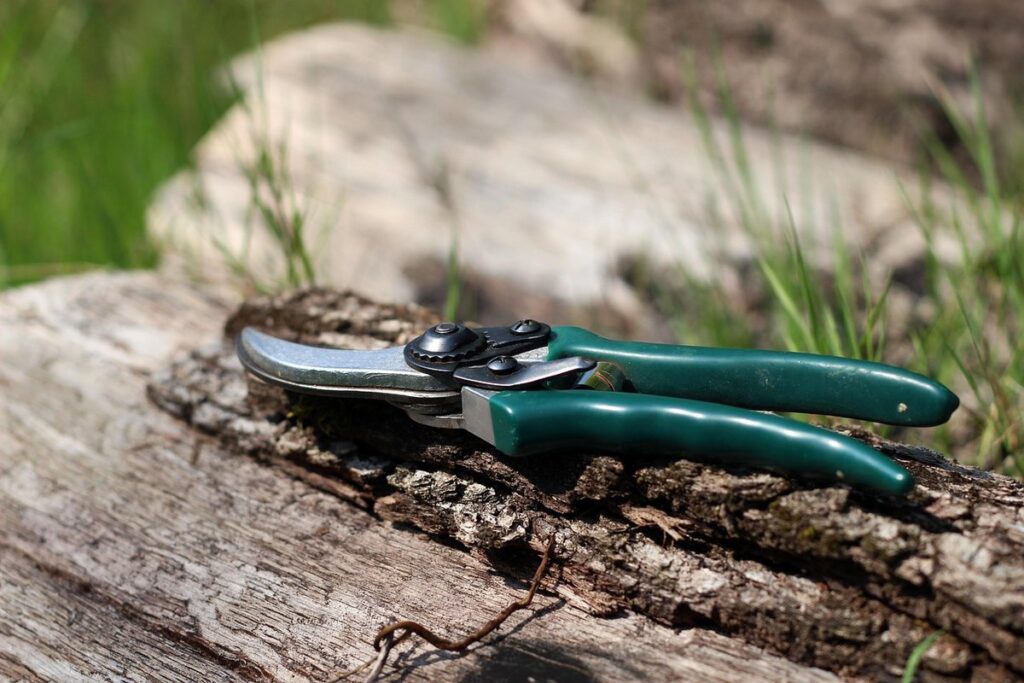
When it comes to pruning blackberries, having the right tools for the job is essential. Pruning tools come in various shapes and sizes, each designed to tackle specific tasks with ease. Hand pruners are perfect for delicate work, such as trimming individual canes or making precise cuts in tight spaces. Their curved blades allow for smooth, clean cuts that promote healthy growth.
Loppers, on the other hand, offer more leverage and reach than hand pruners, making them ideal for thicker stems and branches. Look for loppers with high-quality steel and comfortable grips to ensure you can prune efficiently without straining your hands.
Saws are another essential tool in any blackberry enthusiast’s arsenal. A good pruning saw should have a sharp blade and a sturdy handle that allows for smooth strokes. When choosing a saw, consider the type of cuts you’ll be making most often – e.g., straight cuts or curved cuts – and select one with the corresponding tooth pattern.
In terms of specific tool requirements for blackberry pruning, consider investing in a high-carbon steel pruner set or loppers to ensure durability and precision.
Preparing the Pruning Area
Before you begin pruning your blackberries, it’s essential to prepare the area thoroughly. This step is often overlooked, but it can make a huge difference in the success of your pruning efforts. Start by clearing any debris from the immediate surrounding area. This includes fallen leaves, branches, and weeds that could interfere with your pruning work.
Next, take steps to protect any surrounding plants from damage. If you have nearby flowers or vegetables, consider covering them with a breathable cloth or sheet to prevent accidental pruning. You can also use plant covers or individual plant guards to shield sensitive plants from the debris that will inevitably fall during pruning.
Clearing and protecting the area is not just about aesthetics; it’s also crucial for preventing damage to your equipment and tools. A cluttered workspace can lead to accidents, lost tools, and wasted time. By taking care of these details beforehand, you’ll be able to focus on the actual pruning process without unnecessary interruptions or setbacks.
Step-by-Step Pruning Instructions
Now that you’ve learned the basics, it’s time to put your new knowledge into practice with our step-by-step pruning instructions to keep your blackberry plants thriving. Follow along carefully for best results!
Removing Dead, Diseased, or Damaged Wood
When pruning blackberries, it’s essential to remove dead, diseased, or damaged wood not only for aesthetic reasons but also to prevent the spread of disease and encourage healthy growth. Start by inspecting your canes carefully, looking for signs of damage such as cracks, splits, or soft spots.
To identify affected areas, gently pinch or twist the cane between your thumb and index finger, applying gentle pressure to gauge its flexibility. If it’s brittle or snaps easily, it’s likely dead or diseased. Remove any obviously damaged sections with a sharp, clean cut just above a growth node using loppers or pruning shears.
Be cautious not to spread disease by touching healthy areas after handling affected wood. Clean and disinfect your tools between cuts to prevent the transfer of pathogens. As you remove dead or diseased material, be sure to leave at least two inches of undamaged stem to encourage new growth. This will also help prevent any remaining damage from affecting nearby canes.
Cutting Back Canes
When cutting back canes to promote healthy growth, it’s essential to strike a balance between removing old wood and allowing new stems to develop. Begin by identifying the oldest canes on your blackberry plant, which are typically marked with a slight decrease in vigor or a visible change in color. These canes should be cut back to about 3-4 feet from the ground, making sure to leave at least two nodes (or swollen areas) above the cut point.
To make clean cuts, use sharp, sterile pruning tools and aim for a 45-degree angle just above a node. This will help direct the plant’s energy towards new growth and encourage branching. When cutting, also remove any weak or damaged wood to prevent disease and pests from taking hold. Make sure your cuts are about one-third of the way through the cane, as this will help the plant seal off the wound quickly and minimize moisture loss.
By following these tips, you can ensure a strong foundation for next year’s crop while maintaining a balanced, healthy canopy.
Tips for Pruning Large Blackberry Plants
When tackling large blackberry plants, it can be overwhelming to know where to start with pruning – but don’t worry, we’ve got you covered. Here are some essential tips for keeping your big bushes in check.
Pruning in Difficult-to-Reach Areas
When it comes to pruning large blackberry plants, one of the biggest challenges is accessing hard-to-reach areas. This can be especially true for tall plants with thick canopies that block sunlight and make it difficult to maneuver. To overcome this obstacle, try using long-handled loppers or pruning saws that allow you to reach those out-of-the-way branches without having to use a ladder.
Another option is to prune your blackberry plant in stages, focusing on the lower-growing sections first before moving up to the taller parts of the plant. This will help prevent you from getting tangled in overgrown canes and make it easier to navigate the area. Additionally, be mindful of surrounding structures like fences or sheds – take care not to damage them with your pruning tools.
When working in tight spaces, always keep your weight centered and use a stable base to avoid slipping or losing control of your pruning tool. It’s also essential to clean up as you go, removing any debris or dropped branches to maintain a safe and tidy work area.
Managing Canes in a Limited Space
When growing blackberries in a limited space, managing canes can be a significant challenge. As plants mature, their growth habit can become unruly, spreading beyond the confines of their designated area. To mitigate this issue and promote healthy plant development, several strategies can be employed.
One effective technique is to use a trellis or stake system. This not only provides structural support but also helps contain the plant’s sprawling nature. Regularly pruning back long canes to encourage bushy growth will further contribute to maintaining a manageable size. To ensure adequate air circulation and prevent disease, space plants at least 3 feet apart, with rows spaced about 6-8 feet apart.
In addition to these measures, careful planning during the initial planting stage is crucial. Choose a location that provides sufficient sunlight and suitable soil conditions for your blackberry variety. When planting multiple canes together, arrange them in a staggered pattern to allow for maximum air circulation between plants.
Common Pruning Mistakes to Avoid
When it comes to pruning blackberries, there are a few common mistakes that can hinder your plant’s growth and productivity. Let’s take a closer look at what to avoid.
Over-Pruning and Under-Pruning
Finding the right balance between pruning too much and not enough is crucial for a healthy and productive blackberry plant. Over-pruning can leave the plant vulnerable to disease and pests, while under-pruning can lead to reduced yields and a cluttered growth habit.
Signs that indicate it’s time to prune more include bare spots on the trellis or heavy fruiting that has caused branches to break. If you notice either of these issues, consider pruning back about one-third of the plant’s canes to promote new growth and encourage air circulation. On the other hand, if your blackberry plant is looking robust with a dense foliage, it may be a sign that you’re over-pruning. In this case, prune only what’s necessary to maintain shape and allow for proper air circulation.
Aim for about 20-30% of new growth each year to maintain the plant’s overall health. This will also help promote root development, which is essential for blackberry plants. Prune in late winter or early spring, when the plant is dormant, to minimize shock and stress on the plant.
Damaging Fruit Buds or Flowers
When pruning blackberries, it’s essential to be mindful of fruit buds and flowers, which are highly susceptible to damage. These areas are crucial for next year’s crop, so taking extra care is vital. To identify them, look for small, swollen buds on canes or clusters of delicate white flowers.
As you prune, carefully inspect the area you’re working on, and if you notice any potential damage zones, reposition your pruning tool to avoid them entirely. A gentle touch goes a long way here – avoid using sharp instruments that could easily harm the tender shoots. When in doubt, consider making small, exploratory cuts with a very sharp instrument to assess the plant’s reaction.
One tip is to prune blackberries during their dormant season (winter or early spring), when there are fewer buds and flowers present. This reduces the risk of accidental damage and allows for more focused pruning without jeopardizing next year’s harvest.
Conclusion: Pruning for Blackberry Success
Now that we’ve covered the fundamentals of blackberry pruning, let’s tie everything together and walk through the key takeaways to ensure your plants thrive. This final section will summarize what you need for success.
Recap of Key Takeaways
In conclusion to our exploration of the art and science of blackberry pruning, let’s revisit the key takeaways from this journey. By now, you should have a solid understanding of why regular pruning is essential for a thriving blackberry patch.
Firstly, we’ve discussed the benefits of pruning, including increased yields, improved air circulation, and enhanced fruit quality. We’ve also explored various pruning techniques, such as tip-pruning, renewal pruning, and systematic thinning, each with its unique application and benefits.
However, it’s just as important to know what not to do. Common mistakes to avoid include over-pruning, which can stress the plant, and under-pruning, which can lead to disease and pests taking hold. Remember, pruning is an art that requires patience, attention to detail, and a deep understanding of your specific blackberry variety.
To ensure you’re on the right track, commit to regular maintenance, including annual pruning, and monitor your plants closely for signs of stress or disease. With practice and experience, you’ll develop the skills to prune like a pro and enjoy a bountiful harvest year after year.
Encouragement to Practice Regular Pruning
Regular pruning is not just a necessary task for maintaining healthy blackberries, but it’s also an opportunity to shape and improve their overall performance. By incorporating regular pruning into your gardening routine, you’ll be rewarded with bountiful harvests and robust plants that can thrive for years to come.
Think of pruning as a form of exercise for your blackberry bushes – just as our bodies need physical activity to stay healthy, blackberries require pruning to promote their structural integrity and encourage new growth. By removing dead or diseased wood, you’ll prevent the spread of disease and encourage the development of strong, fruit-bearing canes.
Make it a habit to prune your blackberries at least once a year, ideally during their dormant season (winter or early spring). This will give them a chance to recover from any damage and produce an abundance of delicious berries. Set aside some time each month to inspect your plants, remove any weak or damaged growth, and enjoy the rewards of your labor – luscious blackberries ripe for the picking!
Frequently Asked Questions
What if I’m new to blackberry pruning? Are there any beginner-friendly tips for getting started?
If you’re new to pruning, start by observing your plant’s natural growth patterns. Identify the strongest canes and trim back weaker ones to encourage healthy development. This will help you develop a sense of what works best for your specific variety. Additionally, consider investing in a good pair of hand pruners or loppers specifically designed for blackberry thorns.
Can I prune my blackberries at any time, or are there specific seasons I should avoid?
While regular pruning is essential, it’s generally recommended to prune during the dormant season (winter or early spring). Avoid pruning during active growth periods, as this can cause stress and increase susceptibility to disease. Also, if you’re pruning in the summer, be cautious not to damage new fruit buds or flowers.
How often should I water my blackberry plants after pruning?
After pruning, your blackberries will need extra care to recover from any potential water loss. Make sure to water them regularly, especially during hot and dry weather. Aim for about 1-2 inches of water per week, either from rainfall or irrigation. This will help prevent stress and promote healthy regrowth.
What if I accidentally damage a fruit bud or flower while pruning? Can I salvage the plant?
Yes, if you accidentally damage a fruit bud or flower, don’t panic! While it’s best to avoid damaging these areas altogether, some blackberry varieties are more forgiving than others. If you’ve only damaged one or two buds, the plant may still produce a decent crop. However, be more cautious in the future and prioritize protecting these areas.
How long does it take for my blackberries to recover from pruning?
The recovery time will vary depending on your specific variety, climate, and how thoroughly you prune. Generally, you can expect your blackberries to start regrowing within 2-4 weeks after pruning. Keep an eye out for new canes emerging, and continue to water and care for the plant as usual.