
Are you tired of watching your vegetables fall prey to pests, or worrying about soil-borne diseases ruining your harvest? You’re not alone! As any gardener knows, growing a healthy and thriving vegetable garden is no easy feat. But what if I told you there’s a secret weapon that can help protect your veggies from common pests and improve the overall health of your soil? Enter marigolds – those bright and cheerful flowers that are often overlooked in favor of more “practical” plants.
But marigolds have been used for centuries as a natural pest control and soil enhancer, and it’s time to give them the recognition they deserve. In this article, we’ll explore the surprising benefits of marigolds in your vegetable garden, from repelling nematodes to promoting beneficial microbes that improve soil health. We’ll also cover some expert tips on how to incorporate these vibrant flowers into your companion planting strategies for maximum impact.
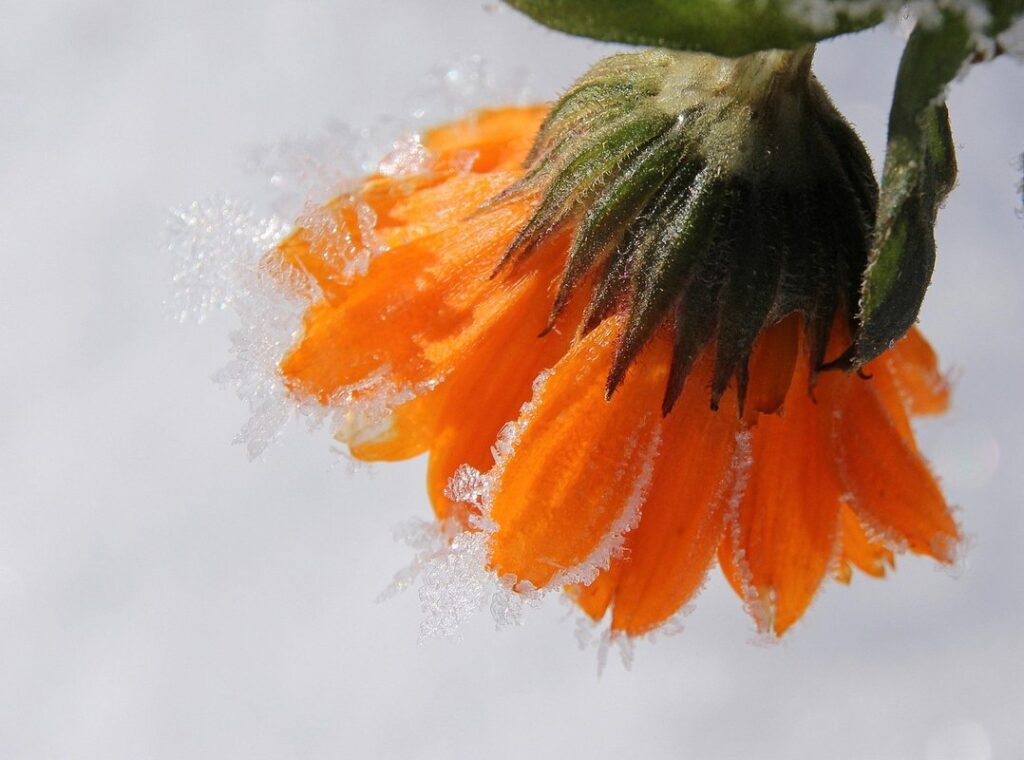
Introduction to Marigolds and Vegetable Gardening
Let’s start by exploring the wonderful world of marigolds, a natural companion plant that can bring numerous benefits to your vegetable garden. You’ll learn how to incorporate them effectively.
What are Marigolds?
Marigolds are one of the most versatile and beneficial flowers you can have in your vegetable garden. These bright and cheery annuals are not only easy to grow but also offer a range of advantages for gardeners looking to create a thriving and pest-free environment.
There are several types of marigolds, including African Marigold (Tagetes erecta), French Marigold (Tagetes patula), and Signet Marigold (Tagetes tenuifolia). Each type has its unique characteristics, such as bloom size, color, and fragrance. Some varieties are more suited to specific climates or soil types, making them a great choice for gardeners in different regions.
In addition to their aesthetic appeal, marigolds have been used for centuries as a natural pest deterrent. Their strong scent can repel nematodes, whiteflies, and even carrot flies. They also attract beneficial insects like ladybugs and lacewings, which prey on pests that harm vegetables. By incorporating marigolds into your garden, you can create a balanced ecosystem that promotes healthy plant growth and reduces the need for chemical pesticides.
Importance of Companion Planting in Vegetable Gardening
Companion planting is an age-old technique that has been employed by gardeners for centuries to create a harmonious and thriving vegetable garden ecosystem. The basic idea behind companion planting is to pair plants together that benefit each other in some way, whether it’s through pest control, nutrient uptake, or even shade provision.
When done correctly, companion planting can significantly boost crop yields, improve flavor, and reduce the need for pesticides and other chemicals. For instance, planting marigolds alongside tomatoes can deter nematodes, a microscopic pest that can cause root damage to these popular garden vegetables.
Incorporating companion planting into your vegetable gardening routine is easier than you think. Start by selecting plants that complement each other in terms of growth habits, nutrient requirements, and pest-fighting properties. Some popular companion plant combinations include pairing basil with tomatoes or peppers, or using nasturtiums to repel aphids.
By embracing the concept of companion planting, you’ll not only create a more resilient and diverse garden ecosystem but also enjoy a wider range of flavors and textures in your homegrown harvest.
How Marigolds Repel Garden Pests
One of the most exciting benefits of marigolds is their ability to repel garden pests, helping you grow healthy and pest-free vegetables without relying on chemicals. Let’s explore how these vibrant flowers keep your garden safe.
The Effectiveness of Marigolds Against Nematodes
Marigolds have been long recognized for their natural pest-repelling abilities, and one of the most significant benefits they offer is their effectiveness against nematodes. These microscopic worms are a common problem in vegetable gardens, causing damage to plant roots and reducing yields.
To understand why marigolds are so effective against nematodes, it’s essential to know about their lifecycle. Nematodes have four stages: egg, larva, adult, and female. They spend most of their life cycle underground, where they feed on plant roots. This is when marigolds come into play.
The root exudates from marigold plants contain chemicals that repel nematodes and prevent them from laying eggs nearby. These compounds disrupt the nematode’s ability to detect food sources and navigate through soil, making it challenging for them to infest the surrounding area. By planting marigolds alongside your vegetables, you can significantly reduce the risk of a nematode infestation.
Incorporating marigolds into your garden rotation is an easy and effective way to control nematode populations. For best results, plant them near the most vulnerable areas, such as between rows or around individual plants. With their natural pest-repelling abilities, you can enjoy healthier, more productive vegetables without relying on chemical pesticides.
Marigolds’ Ability to Repel Other Common Vegetable Garden Pests
Marigolds are known to repel a variety of common pests that can be detrimental to vegetable gardens. Among these pests are aphids, whiteflies, and spider mites. These tiny insects feed on plant sap, causing curled or distorted leaves, stunted growth, and reduced yields.
Aphids, in particular, are notorious for their ability to spread disease between plants. Whiteflies, while not typically as destructive, can still cause significant damage by feeding on plant sap. Spider mites, on the other hand, thrive in hot, dry conditions and can cause leaves to turn yellow or brown.
Fortunately, marigolds contain pyrethrum, a natural compound that repels these pests. By planting marigolds around the perimeter of your vegetable garden, you can create a barrier that keeps these unwanted visitors at bay. This not only protects your plants from damage but also reduces the need for pesticides and other chemicals. To maximize the effectiveness of this method, consider interspersing marigolds throughout your garden beds to create a layered defense system.
Marigolds’ Impact on Soil Health
Marigolds play a crucial role in maintaining soil health, and understanding their impact is key to maximizing their benefits in your vegetable garden. Let’s explore how they help improve soil structure and fertility.
How Marigolds Improve Soil Fertility
Marigolds play a vital role in improving soil fertility through their extensive root systems and plant material. As they grow, marigold roots break up compacted soil, allowing air, water, and nutrients to penetrate deeper into the earth. This process increases the soil’s overall structure, making it more conducive to supporting healthy microbial activity.
One of the primary ways marigolds contribute to soil fertility is through their ability to exude organic compounds from their roots. These compounds repel nematodes and other pests that can harm vegetables while also attracting beneficial microbes. By stimulating these beneficial microorganisms, marigold plants create an environment where nutrient cycling and decomposition are accelerated.
As a result of this process, the soil around marigolds becomes rich in nutrients, promoting healthy plant growth and development. By incorporating marigolds into your vegetable garden, you can expect to see improvements in soil fertility over time, ultimately leading to increased crop yields and better overall garden health.
The Role of Marigolds in Reducing Soil Compaction
Marigolds are known to have a profound impact on soil health, and one of their most significant benefits is their ability to reduce soil compaction. Soil compaction occurs when the soil is compressed by repeated foot traffic, heavy machinery, or even the roots of nearby plants. This compression can make it difficult for plant roots to grow deeply into the soil, limiting their access to essential nutrients and water.
Marigolds, with their sprawling growth habit and dense foliage, act as a natural “mulch” that helps to break up compacted soil. Their leaves and stems create pathways for air, water, and nutrients to penetrate deeper into the soil, making it easier for plant roots to grow. By breaking up compaction, marigolds improve soil structure, allowing it to breathe and absorb moisture more efficiently. This, in turn, promotes healthier root growth and development in nearby plants, making them more resilient and productive.
By incorporating marigolds into your vegetable garden, you can reduce the risk of soil compaction and create a more favorable environment for plant growth. Simply plant marigold seeds around the perimeter of your beds or intersperse them among your vegetables to reap the benefits of reduced soil compaction.
Attracting Beneficial Insects with Marigolds
Marigolds aren’t just a pretty face for your garden, they also attract beneficial insects that will protect your veggies from pests and diseases. Let’s explore how these vibrant flowers can be an invaluable addition to your garden.
How Marigolds Attract Predatory Wasps and Bees
Marigolds are known to attract a variety of beneficial insects that can provide valuable assistance in controlling pests and promoting healthy plant growth. One of the most notable attractions marigolds have is predatory wasps, which feed on common garden pests like aphids, whiteflies, and spider mites. These beneficial wasps lay their eggs inside the bodies of pest insects, ensuring a population reduction.
In addition to wasps, marigolds also attract bees, specifically hoverflies and honeybees. These pollinators play a crucial role in transferring pollen between flowers, facilitating plant reproduction. By attracting these beneficial insects, marigolds contribute significantly to maintaining an ecosystem balance within the vegetable garden. To maximize this attraction, consider planting marigold varieties rich in nectar and pollen.
Some beneficial wasp species that visit marigolds include:
* Mymarid wasps: These tiny wasps are known for their ability to control aphid populations.
* Trichogrammatids: These parasitic wasps target various garden pests, including caterpillars and beetles.
By incorporating marigolds into your vegetable garden, you can expect a reduction in pest infestations and an increase in beneficial insect activity.
The Role of Marigolds in Supporting Pollinators
Marigolds play a crucial role in supporting pollinators like bees and butterflies, which are essential for vegetable garden productivity. These beneficial insects rely on nectar-rich flowers to fuel their activities, and marigold blooms offer an abundance of it. As a result, when you plant marigolds alongside your vegetables, you’re essentially creating a haven for these vital pollinators.
The key benefit of marigolds in supporting pollinators lies in its early blooming period, which provides a valuable source of nectar during the spring season when other flowers are still dormant. This timing is particularly significant because it coincides with the emergence of bees and butterflies from their winter hibernation. By providing an immediate food source, marigolds help these pollinators regain their strength after a long period of dormancy.
In addition to nectar provision, marigold blooms also offer a safe haven for pollinators. The strong scent emitted by the flowers acts as a warning system to potential predators, protecting the insects from harm. This unique characteristic makes marigolds an attractive option for gardeners looking to create a welcoming environment for beneficial insects.
When planting marigolds, remember that they thrive in full sun and well-drained soil, conditions ideal for most vegetables too. By incorporating these requirements into your vegetable garden design, you’ll be creating a harmonious ecosystem that supports both the growth of your produce and the health of pollinators.
Using Marigolds in Companion Planting Strategies
When it comes to repelling pests and enhancing your garden’s biodiversity, marigolds can be a game-changer when used strategically alongside other vegetables. Let’s explore some clever ways to incorporate them into your companion planting plans.
Tips for Incorporating Marigolds into Your Vegetable Garden Design
When incorporating marigolds into your vegetable garden design, it’s essential to strategically place them among other plants. Begin by selecting a location where marigolds can receive at least six hours of direct sunlight each day. This will ensure they bloom profusely and repel pests effectively.
To maximize their benefits, interplant marigolds amidst vegetables that attract pests, such as tomatoes and peppers. This proximity allows the flowers to release their natural chemicals into the surrounding area, deterring unwanted insects from feeding on your crops. For instance, if you’re growing tomatoes, plant marigolds around them to keep whiteflies and aphids at bay.
When designing your garden layout, consider using a companion planting pattern known as the “Three Sisters” method. This involves planting marigolds between rows of vegetables like beans, corn, and squash. By doing so, you’ll create a diverse ecosystem that benefits from the marigolds’ pest-repelling properties while also promoting soil health and fertility.
Remember to space marigolds about 12-18 inches apart to allow for adequate air circulation and sunlight penetration among your plants.
Examples of Successful Companion Planting with Marigolds
When it comes to companion planting with marigolds, there are several successful combinations that can enhance the growth and health of your vegetable garden. One example is pairing marigolds with tomatoes. The strong scent of marigold flowers repels nematodes, microscopic worms that can damage tomato roots and cause disease. By planting marigolds around the perimeter of your tomato plants, you can reduce the risk of nematode infestations and promote healthy growth.
Another successful combination is marigolds with carrots. The bitter scent of marigold flowers deters carrot flies, which can spread pests like rust flies and carrot beetles. By planting marigolds alongside carrots, you can protect your crop from these damaging insects. You can also use marigolds to repel whiteflies and aphids that target cucumbers, squash, and other vining plants.
Marigold companion planting is a simple yet effective way to promote healthy growth and reduce pest damage in your vegetable garden.
Conclusion: Maximizing the Benefits of Marigolds in Vegetable Gardening
Now that we’ve explored the many uses and benefits of marigolds, let’s dive into how to maximize their effectiveness in your vegetable garden for optimal growth and health.
Recap of Key Benefits and Uses of Marigolds
In conclusion to our comprehensive guide on marigolds in vegetable gardens, it’s essential to recap the key benefits and uses of these versatile flowers. By incorporating marigolds into your garden, you can create a thriving ecosystem that not only repels pests but also attracts beneficial insects and improves soil health.
Marigolds have been shown to effectively deter nematodes, whiteflies, and other pesky insects that can damage vegetables. They are also a natural repellent for rabbits and deer, protecting your crops from these common garden pests. Moreover, marigolds attract beneficial pollinators like bees and butterflies, which aid in the pollination process.
To maximize the benefits of marigolds in your vegetable garden, consider planting them around the perimeter or interspersing them among your vegetables. This will create a barrier against pests while also attracting beneficial insects. Additionally, use marigold leaves and flowers as mulch to add nutrients to your soil and repel pests naturally. By incorporating these simple yet effective strategies, you can reap the rewards of marigolds in your vegetable garden and enjoy a healthier, more productive harvest.
Final Tips for Getting Started with Marigolds
To maximize the benefits of marigolds in your vegetable garden, there are several final tips to keep in mind. Firstly, make sure to plant marigolds at the right time for your specific climate and region. In areas with mild winters, you can sow seeds as soon as the soil can be worked in early spring. In colder climates, start seeds indoors 4-6 weeks before the last frost date.
When planting, remember that marigolds are most effective when grown near the plants they’re intended to protect. Plant them at a distance of about 12-18 inches from the vegetables you want to safeguard. This will allow for optimal root growth and prevent any potential competition for nutrients.
In addition to their pest-repelling properties, marigolds also make excellent companion plants due to their ability to attract beneficial insects like bees and butterflies. Consider planting a mix of marigold varieties to create a diverse and thriving ecosystem in your garden.
Frequently Asked Questions
Can I plant marigolds with any vegetable variety, or are there some that don’t get along?
Marigolds can be planted with most vegetables, but it’s essential to consider their growth habits and requirements. For example, tall marigold varieties may shade smaller plants like lettuce or herbs. Plant marigolds with vegetables like tomatoes, peppers, and cucumbers for optimal benefits.
How long do marigolds take to start repelling pests and improving soil health?
Marigolds begin to exert their beneficial effects shortly after planting, but it’s essential to allow them to mature before expecting maximum impact. Typically, it takes 3-4 weeks for marigolds to reach full maturity and start repelling pests.
Can I use marigold flowers as a mulch or compost addition?
Yes! Marigold flowers can be added to your compost pile to improve soil health and fertility. You can also dry the flowers and use them as a natural pest repellent in your garden beds. Simply crush the dried flowers and sprinkle them around affected areas.
Are there any potential drawbacks to incorporating marigolds into my vegetable garden?
While marigolds are generally safe for consumption by humans and animals, their strong scent can be overwhelming for some individuals. Additionally, marigold leaves contain a chemical called pyrethrum, which can inhibit the growth of certain vegetables like beans and peas.
Can I grow marigolds indoors to protect my indoor garden from pests?
Yes! Marigolds can thrive in pots or containers and can be used to repel pests in indoor gardens. Simply choose a compact or dwarf variety suitable for container growing, provide adequate light and water, and place the potted marigold near the affected area.