
When working with manure composting, it’s easy to overlook the potential health hazards and environmental concerns that come with it. But neglecting these risks can have serious consequences for both you and your community. Composting manure without proper safety precautions can expose you to disease-causing pathogens, as well as create environmental issues like water pollution and greenhouse gas emissions. Not only is this a regulatory concern, but also a moral one – ensuring that your composting practices are safe, environmentally friendly, and compliant with local regulations.
In this guide, we’ll cover everything you need to know about prioritizing manure composting safety. We’ll delve into the health hazards associated with pathogen transmission, discuss the environmental concerns surrounding water pollution and gas emissions, and provide a comprehensive overview of regulatory compliance requirements. By following our advice, you can create safe and sustainable manure composting practices that benefit both your community and the environment.
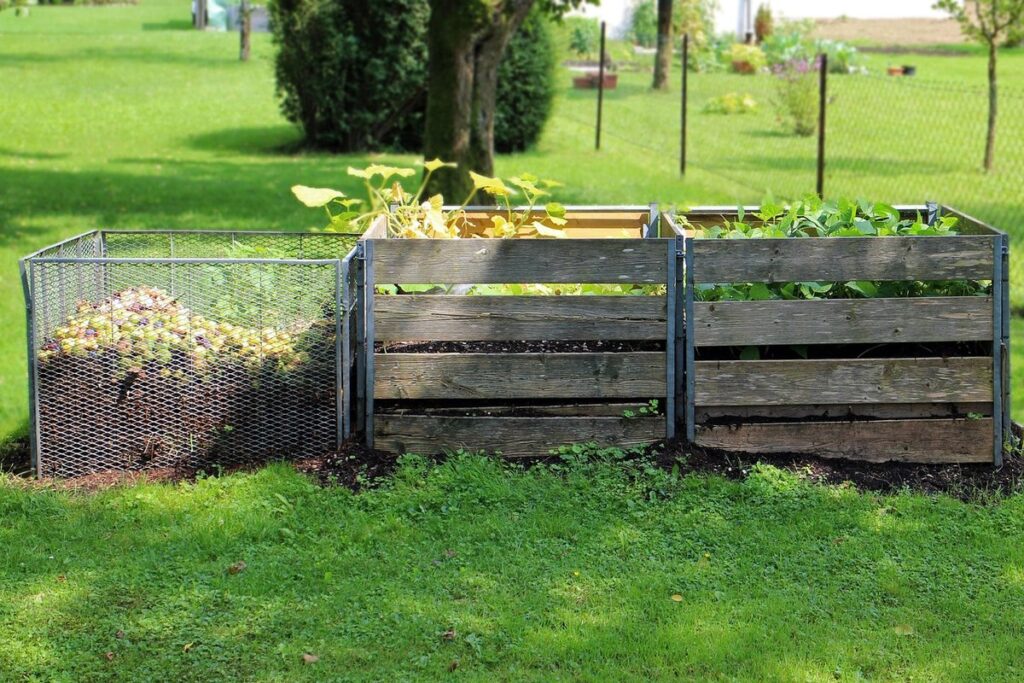
Understanding the Risks of Manure Composting
When it comes to manure composting, understanding the potential risks is crucial for safe and effective operations. This section will delve into the hazards associated with manure composting.
Health Hazards Associated with Manure Handling
When handling manure during the composting process, it’s essential to be aware of the potential health hazards associated with exposure. One of the primary concerns is respiratory problems caused by inhaling airborne pathogens and particulate matter. Bacteria, viruses, and fungi can become airborne, leading to infections such as pneumonia or bronchitis.
In addition to respiratory issues, skin infections are also a risk when handling manure. Manure can be teeming with bacteria like E. coli and Salmonella, which can easily spread through cuts or abrasions on the skin. Transmission of these diseases can occur when individuals come into contact with contaminated surfaces, equipment, or their own faces.
Preventing the transmission of diseases is crucial during manure handling. This can be achieved by wearing protective gear such as gloves, masks, and eye protection. Regular washing of hands, especially after handling manure, is also essential in reducing the risk of infection. Furthermore, maintaining a clean workspace, disinfecting equipment regularly, and ensuring proper ventilation can significantly minimize health risks associated with manure handling.
Environmental Concerns and Odor Issues
When it comes to manure composting, environmental concerns and odor issues cannot be overlooked. As a responsible composter, it’s essential to consider the potential impact of your operations on nearby communities and ecosystems.
Air pollution is one of the primary environmental concerns associated with manure composting. When manure decomposes, it releases ammonia gas, which can lead to air quality issues and contribute to respiratory problems in nearby residents. To mitigate this risk, ensure that your composting area has adequate ventilation systems in place. Regularly monitoring air quality meters can also help identify potential issues before they escalate.
Water pollution is another concern, as excess nutrients from manure can seep into nearby water sources, leading to eutrophication and harm to aquatic life. Implementing proper storage facilities for manure and leachate management systems can significantly reduce this risk. Regular inspections of your composting site will also help detect any potential issues.
Odor issues are often a source of complaint from nearby residents, who may experience unpleasant smells wafting from the composting area. To minimize odor concerns, maintain adequate moisture levels in the compost pile and ensure that it’s not overcrowded. This can be achieved by turning the pile regularly to aerate it.
Preparing for Manure Composting: Safety Precautions and Equipment
Before you start composting manure, it’s essential to take necessary safety precautions and have the right equipment on hand to avoid accidents. Let’s cover what you need to know to get started safely.
Personal Protective Equipment (PPE) Guidelines
When handling manure during composting, it’s crucial to wear Personal Protective Equipment (PPE) to minimize exposure to pathogens and contaminants. This includes gloves, masks, and eye protection.
Gloves should be made of a material that’s resistant to punctures and tears, such as nitrile or latex. They should also provide grip to prevent accidental dropping of manure. Change gloves frequently during handling and wash them thoroughly afterward with soap and warm water.
Face masks or respirators protect against inhaling aerosolized pathogens like E. coli and Salmonella. Choose a mask rated for biological particles, and replace it every 4-6 hours of use. Eye protection, such as goggles or safety glasses, shields your eyes from splashes of manure.
Regularly inspect PPE for damage and wear. Clean masks and gloves according to manufacturer instructions. Replace eye protection if lenses become scratched or fogged up. Proper maintenance ensures your equipment remains effective in protecting you from potential health risks associated with manure composting.
Ensuring Proper Equipment and Infrastructure
When it comes to manure composting, having the right equipment and infrastructure in place is crucial for safe and effective operation. A containment system is essential to prevent the spread of pathogens and odors into nearby water sources or residential areas. This can be achieved through the use of lined piles or bins with leak-proof liners.
Proper ventilation is also critical to maintain air quality and prevent the buildup of toxic gases such as ammonia. Ensure that your composting area has adequate airflow by incorporating features like exhaust fans, vents, or aeration systems. Temperature control is another vital aspect, as high temperatures can lead to the production of pathogens and other health hazards.
To ensure proper temperature management, you’ll need to monitor temperature regularly using thermometers or heat sensors. This will help prevent overheating and allow for timely intervention if necessary. Regular maintenance of your equipment and infrastructure is also essential to prevent breakdowns and ensure safe operation. Regularly inspect your containment systems, ventilation, and temperature control mechanisms to identify any potential issues before they become major problems.
Composting Methods: Safe Practices and Techniques
When it comes to manure composting, following safe practices is crucial to avoid potential health risks. In this section, we’ll explore various techniques for minimizing hazards while achieving optimal compost results.
Aerobic vs. Anaerobic Composting Methods
When it comes to manure composting safety, understanding the differences between aerobic and anaerobic methods is crucial. Aerobic composting, which involves oxygenation of the compost pile, is a popular method for breaking down organic materials like manure. This process involves regular turning of the pile to ensure adequate airflow, resulting in a faster decomposition rate and a more stable end product.
Anaerobic composting, on the other hand, occurs without oxygen and can be slower and more prone to pathogen survival. While this method may seem appealing due to its lower labor requirements, it’s not recommended for manure composting due to the risk of ammonia release and potential health hazards.
The choice between aerobic and anaerobic composting methods depends on your specific needs and resources. If you have a large quantity of manure to process, aerobic composting is likely a better option. However, if you’re working with small batches or have limited space, anaerobic composting might be more suitable. It’s essential to monitor temperature, moisture, and carbon-to-nitrogen ratios in your compost pile regardless of the method chosen to ensure safe and efficient decomposition.
Temperature Control and Monitoring
Maintaining optimal temperatures during manure composting is crucial to prevent pathogens from surviving and ensure the overall safety of the process. Temperature control involves monitoring the compost pile’s temperature regularly, which can be achieved through various methods.
One common technique is using a thermometer probe inserted into the compost pile. This allows for real-time temperature readings, enabling you to identify when temperatures peak or drop below safe levels. Another method is relying on the “feel test,” where you insert your hand into the compost pile and assess its heat based on your own body’s sensitivity.
It’s essential to maintain a balance between high and low temperatures during the composting process. Temperatures above 160°F (71°C) for several hours can kill pathogens, but extended periods above this threshold can lead to over-composting and reduced nutrient retention. Conversely, temperatures below 130°F (54°C) may not be sufficient to eliminate pathogens.
Regular monitoring and adjustments are key to maintaining optimal temperature ranges. Aim to keep the compost pile between 130°F (54°C) and 160°F (71°C), with occasional spikes to above 160°F (71°C) for pathogen elimination. This balance ensures effective decomposition, reduces odors, and promotes a safe composting environment.
Managing Odors and Pests: Effective Strategies
When managing manure composting, it’s essential to consider odor control and pest prevention methods that balance effectiveness with environmental responsibility. Let’s explore some effective strategies for reducing odors and keeping pests at bay.
Implementing Odor Management Plans
Implementing Odor Management Plans is a crucial aspect of manure composting safety. When done correctly, it not only minimizes odor impacts but also ensures compliance with regulatory standards and maintains a clean working environment.
One effective strategy for managing odors is through the installation of aeration systems. These systems inject oxygen into the compost pile, which helps to speed up the decomposition process and reduces volatile organic compounds (VOCs) responsible for unpleasant smells. By introducing oxygen, you can decrease moisture levels and prevent anaerobic conditions that foster odor-causing bacteria.
In addition to aeration systems, odor-neutralizing agents such as zeolites or biochar can be used to absorb VOCs. These agents are particularly useful in areas with high population density where odors may pose a nuisance to nearby residents. By combining aeration and odor-neutralizing agents, you can significantly reduce odor impacts.
Regular monitoring of temperature, moisture levels, and pH is also essential for effective odor management. Regular turning of the compost pile can help speed up the decomposition process and prevent anaerobic conditions that lead to strong odors.
Controlling Pests and Vermin
When managing manure composting operations, pest control is an essential aspect of maintaining a safe and healthy environment. Pests and vermin can carry diseases and contaminants that can compromise the quality of the finished compost and even pose health risks to people handling it.
Sanitation practices are crucial in controlling pests and vermin. Ensure that all equipment and facilities are regularly cleaned and disinfected, especially areas where food waste is stored or handled. Remove any potential food sources, such as weeds or debris, from around the composting area. Also, maintain a clean and dry environment to discourage pest infestations.
To modify habitats, consider adding physical barriers like mesh screens or fine-mesh netting over windows and vents to prevent rodents from entering the compost pile. Keep the composting area free of standing water and ensure good air circulation to prevent moisture buildup. By implementing these sanitation practices and habitat modifications, you can significantly reduce the presence of pests and vermin in your manure composting operation.
Regular monitoring is also vital for effective pest control. Look out for signs of pest activity, such as droppings, gnaw marks, or burrows. Use traps or other non-toxic deterrents to manage infestations promptly.
Post-Composting Safety: Handling Finished Compost
Now that your compost is finished, it’s essential to handle it safely to avoid any potential health risks or contamination. Properly disposing of and using your finished compost is crucial for a healthy garden and family.
Proper Handling and Storage of Finished Compost
When you’ve completed composting your manure, it’s essential to handle and store the finished product safely and efficiently. To prevent contamination and ensure proper use, follow these best practices for handling and storing finished compost.
Firstly, bag or containerize the compost securely to minimize exposure to the environment. Use heavy-duty bags or containers that can withstand outdoor conditions and are easy to transport. Label each bag or container with its contents (finished compost) and any relevant information, such as date, location of production, and any potential pathogens present.
When transporting finished compost, use a dedicated vehicle or equipment that has been properly cleaned and sanitized to prevent cross-contamination. Keep the load covered to protect it from rain and other environmental factors. If you’re storing the compost on-site, consider a designated area with proper drainage and ventilation to maintain quality and prevent odors.
Remember to follow local regulations regarding compost storage and transportation. Regularly inspect your stored compost for signs of spoilage or contamination, and take prompt action if issues arise.
Potential Hazards Associated with Finished Compost
When handling finished compost, it’s essential to be aware of potential hazards that can come with its use. One significant risk is contamination by pathogens such as E. coli and salmonella. These bacteria can cause serious health issues if ingested or exposed through skin contact.
Testing for pathogen presence is a crucial step in ensuring the safety of finished compost. A standard test typically involves collecting a sample from the compost pile, sending it to a lab, and waiting for results. However, this process can be time-consuming, and there’s always a risk that pathogens may still be present even after testing.
To mitigate these risks, implement quality control measures such as maintaining proper composting temperatures (at least 131°F) and adequate carbon-to-nitrogen ratios to inhibit pathogen growth. Additionally, ensure adequate drying times to reduce moisture levels.
Regulatory Compliance: Manure Composting Regulations
Compliance with local regulations is crucial when it comes to manure composting, as rules and guidelines can vary significantly from state to state. Let’s take a closer look at some of these regulations.
Overview of Relevant Regulations and Guidelines
Regulations surrounding manure composting vary widely depending on the region or country. In the United States, for instance, the Environmental Protection Agency (EPA) provides guidelines for managing animal waste, including composting practices that minimize environmental risks.
The EPA’s regulations emphasize the importance of proper site selection, odor control measures, and adequate ventilation to prevent airborne pathogens from escaping into nearby communities. Composting facilities must also implement regular monitoring programs to ensure compliance with air quality standards.
In Europe, the European Commission has established guidelines for animal by-product composting under the Waste Framework Directive. This includes strict requirements for pathogen reduction, nutrient content analysis, and labeling of finished compost products.
In some countries, like Canada, provinces have their own regulations governing manure composting. For example, Ontario’s Environmental Protection Act sets out specific standards for odour control and public health risks associated with animal waste management.
As a responsible compost operator, familiarize yourself with relevant local regulations to ensure your facility meets the necessary safety and environmental standards. This may involve obtaining permits or certifications that demonstrate compliance with established guidelines.
Ensuring Compliance with Local and State Laws
To ensure compliance with local and state laws, it’s essential to familiarize yourself with specific regulations that govern manure composting operations. Start by checking with your state’s department of environmental protection or agriculture for information on permit requirements. Some states may require a permit specifically for manure composting, while others may not.
When obtaining permits, be prepared to provide detailed information about your operation, including the size and type of facility, management practices, and expected production levels. Additionally, you’ll need to ensure that your facility meets specific standards for odor control, runoff prevention, and worker safety.
Maintaining accurate records is crucial in demonstrating compliance with regulations. Keep a record of permit applications, inspections, and any modifications made to the operation. This includes documentation on inputs (such as manure and bedding materials) and outputs (composted product). Regularly review these records to identify areas for improvement and ensure ongoing compliance.
Regular audits can also help you stay on top of changing regulations and identify potential issues before they become major concerns. Consider hiring a third-party auditor to assess your facility’s adherence to regulatory standards, providing an objective assessment of strengths and weaknesses.
Conclusion: Prioritizing Safety in Manure Composting Operations
As we conclude our exploration of manure composting safety, let’s focus on the most crucial aspect: prioritizing your well-being and that of others involved in these operations.
Recap of Key Takeaways
To recap, prioritizing safety in manure composting operations requires careful consideration of several key factors. As we’ve discussed throughout this article, it’s essential to assess potential hazards on-site and take steps to mitigate risks associated with equipment operation, material handling, and environmental conditions.
When implementing these best practices, remember that every detail counts – from regular equipment maintenance to providing personal protective gear for employees. Don’t underestimate the importance of worker training and ongoing education in recognizing and responding to safety incidents. We’ve also emphasized the need for clear communication among team members, supervisors, and regulatory officials to ensure compliance with industry standards.
By following these guidelines and staying vigilant about potential hazards, you can minimize the risk of accidents and maintain a safe working environment. Remember, safety is not just a moral imperative – it’s also an economic one. A single preventable incident can have serious consequences for your operation, from financial losses to reputational damage. By prioritizing safety now, you’ll be better equipped to handle any challenges that come your way.
Encouraging a Culture of Safety
Encouraging a culture of safety within your organization is essential to preventing accidents and promoting ongoing compliance with manure composting regulations. This requires more than just implementing safety protocols; it demands an organizational mindset shift towards prioritizing employee training and education.
Develop a comprehensive training program that includes both initial and refresher courses on safe manure composting practices. This may include modules on proper PPE use, handling of hazardous materials, equipment operation, and emergency procedures. Consider inviting industry experts to conduct workshops or seminars, providing employees with hands-on experience and opportunities for questions and feedback.
Moreover, emphasize ongoing education through regular safety meetings, site inspections, and peer-to-peer training sessions. Encourage a reporting system where employees can confidentially report any near-misses or concerns without fear of reprisal. Foster an open-door policy that promotes transparency, respect, and accountability throughout the organization. By investing in your employees’ knowledge and well-being, you not only safeguard their health but also ensure operational efficiency and long-term success in manure composting operations.
Frequently Asked Questions
What are the most common pathogen transmission risks associated with manure composting?
When handling manure, you may come across pathogens like E. coli, Salmonella, or Campylobacter. These bacteria can be transmitted through direct contact with contaminated materials, inhalation of aerosols, or ingestion of contaminated food and water. To minimize the risk, always wear Personal Protective Equipment (PPE), ensure proper ventilation in composting areas, and follow good hygiene practices.
Can I reuse finished compost if it’s been sitting for a while?
No, reusing finished compost that has been stored for an extended period may not be safe due to potential changes in its microbial composition. Before using the compost again, conduct a test to ensure it meets local regulations and has the required carbon-to-nitrogen ratio.
How often should I monitor temperature and moisture levels during the composting process?
Regular monitoring of temperature and moisture levels is crucial for preventing overheating or drying out. Check these factors daily, especially in the initial stages of composting, and adjust as needed to maintain an optimal environment (130°F – 140°F temperature and 40-60% moisture content).
What are some effective strategies for managing odors during manure composting?
Implementing Odor Management Plans that include regular aeration, turning piles, and using odor-absorbing materials can significantly reduce unpleasant smells. Additionally, consider incorporating natural odor-reducing agents like zeolites or essential oils into your composting process.
How do I ensure compliance with local regulations regarding manure composting?
To comply with local regulations, familiarize yourself with relevant laws and guidelines in your area. Consult with regulatory agencies to understand specific requirements for manure composting, and implement measures that meet these standards, such as installing emission-control systems or obtaining necessary permits.