
Are you looking for ways to give your garden the boost it needs? One simple yet effective solution is using manure compost. By harnessing the power of animal waste, you can create nutrient-rich soil that promotes healthy plant growth and reduces waste in the process. But what exactly is manure compost, and how do you make it work for your garden?
In this article, we’ll delve into the benefits of using manure compost and walk you through the step-by-step process of creating it from scratch. You’ll learn how to use this valuable resource effectively, reducing waste while giving your plants a nutrient-packed boost. By the end of this post, you’ll be equipped with the knowledge to create a thriving garden ecosystem using natural, organic methods that promote healthy growth and reduce environmental impact.
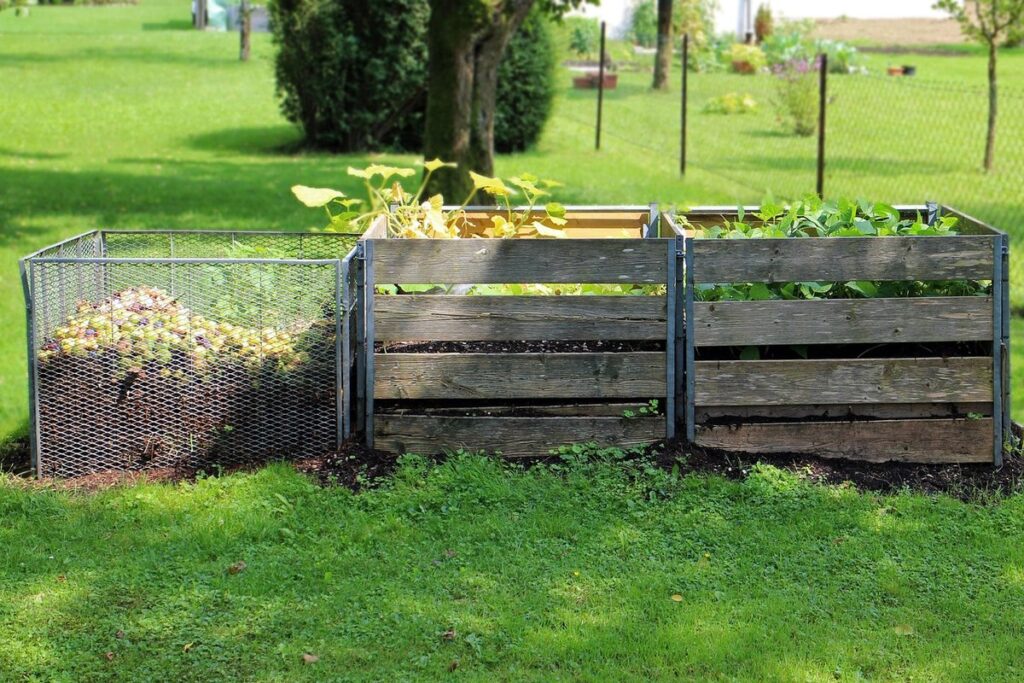
Understanding the Importance of Manure Compost
Understanding why manure compost is a crucial component for any garden, whether it’s a small backyard plot or a sprawling farm. Let’s dive into its importance.
What is Manure Compost and How Does It Benefit the Soil?
Manure compost is a natural and nutrient-rich soil amendment made from animal waste, such as cow dung, horse manure, or chicken droppings. When these organic materials are broken down through the composting process, they release essential nutrients like nitrogen, phosphorus, and potassium that are vital for plant growth.
The benefits of using manure compost in your garden are numerous. For one, it improves soil structure by increasing its water-holding capacity, aeration, and overall fertility. This leads to healthier roots, stronger stems, and more robust leaves on plants. Manure compost also enhances the soil’s ability to retain moisture, reducing the need for frequent watering and minimizing soil erosion.
One of the most significant advantages of manure compost is its ability to promote beneficial microbial activity in the soil. As these microorganisms feed on the compost’s nutrients, they release plant growth-promoting substances that stimulate healthy root development and increase crop yields.
Breaking Down the Science Behind Manure Compost
At its core, manure compost is created through the process of decomposition, which is facilitated by microorganisms such as bacteria and fungi. These tiny agents are responsible for breaking down organic matter into a nutrient-rich compost that can greatly benefit your garden.
The process begins when microorganisms feed on the carbon-rich components of manure, such as cellulose and hemicellulose. As they digest these compounds, they release enzymes that further break them down into simpler molecules. This process is accelerated by factors such as oxygen, moisture, temperature, and pH levels in the compost pile.
As decomposition continues, microorganisms also feed on other organic matter present in the manure, including nitrogen-rich compounds like urea and ammonia. These nutrients are then released back into the environment, creating a fertile substrate for plant growth. The result is a rich, dark humus that teems with beneficial microbes, which in turn support the health of your garden’s soil ecosystem.
In practical terms, this means that using manure compost can increase crop yields, improve soil structure, and reduce the need for synthetic fertilizers – all while promoting a balanced and sustainable gardening practice.
The Role of Manure Compost in Sustainable Gardening
When it comes to sustainable gardening, one often overlooked but highly effective tool is manure compost. Not only does it provide essential nutrients for your plants, but it also has a significant impact on the environment when used properly.
Reducing waste is a crucial aspect of sustainability, and manure compost plays a vital role in this process. By repurposing animal waste as fertilizer, we significantly decrease the amount of organic matter sent to landfills. According to the Environmental Protection Agency (EPA), the average American generates about 4 pounds of agricultural waste per day. If harnessed correctly, this waste can provide valuable nutrients for our gardens instead.
Another key environmental benefit of manure compost is its ability to conserve water. Compost enriched soil retains moisture better than ordinary soil, reducing the need for frequent watering and subsequent water waste. This makes it an excellent choice for areas with limited water resources or during periods of drought. By incorporating manure compost into your gardening routine, you’ll not only be contributing to a more sustainable future but also growing healthier, more resilient plants.
Choosing the Right Manure for Your Garden
When it comes to using manure compost, selecting the right type is crucial. We’ll walk you through the factors to consider when choosing a high-quality manure that suits your garden’s needs.
Types of Animal Manure Suitable for Composting
When it comes to choosing the right manure for composting, you have several animal sources to consider. Let’s take a closer look at some of the most popular options: cow, horse, and chicken manure.
Cow manure is an excellent choice for composting due to its high nitrogen content and relatively low moisture levels. It’s also readily available from dairy farms or those that raise beef cattle. However, it can be quite expensive compared to other sources.
Horse manure, on the other hand, has a more balanced pH level than cow manure, making it easier to mix with other compost materials. Its carbon-to-nitrogen ratio is also ideal for creating an efficient compost pile.
Chicken manure, often overlooked as a composting option, offers a unique advantage – its small particle size allows it to break down quickly and easily. This makes it perfect for bokashi composting or worm farming setups.
When selecting any of these animal sources, ensure you follow proper handling and storage procedures to prevent contamination and maintain quality.
Considering the Nutrient Content and Pathogen Risk
When selecting a manure for your garden, it’s essential to consider not only its nutrient content but also its pathogen risk. A good starting point is to look for manures that are rich in organic matter and nitrogen, phosphorus, and potassium (NPK) levels. Chicken manure, for instance, has high NPK levels, making it an excellent choice for gardens. However, not all manures are created equal – some may contain pathogens like E. coli or Salmonella.
To minimize the risk of pathogen contamination, choose manures that have been composted properly. Composting involves heating the manure to a temperature of at least 131°F (55°C), which kills off any pathogens present. You can either purchase pre-composted manure from a reputable supplier or create your own compost pile using chicken or cow manure.
Some manures are naturally lower in pathogens, such as sheep or goat manure. These animals tend to have a more robust digestive system, which makes their manure less likely to contain pathogens. Ultimately, the key is to find a balance between nutrient content and pathogen risk.
Tips for Collecting and Storing Manure Properly
When collecting manure for composting, it’s essential to follow proper procedures to prevent contamination and ensure safety. Manure can carry diseases like E. coli and Salmonella, which can be transferred to humans through contact with contaminated soil or produce. To minimize this risk, always wear gloves when handling manure, and wash your hands thoroughly afterward.
For storing manure, it’s crucial to provide adequate ventilation to prevent the buildup of ammonia gas. Manure should be stored in a well-ventilated area, away from children and pets. If you’re collecting manure from animals like horses or cows, make sure to separate it into smaller piles to speed up decomposition.
To maintain optimal storage conditions, keep the pile moist by sprinkling water regularly. Avoid overloading the pile with too much material, as this can lead to anaerobic conditions that promote pathogens and odors. Regularly turn and aerate the manure pile to facilitate decomposition and prevent matting. By following these guidelines, you’ll be able to collect and store manure safely and effectively for composting.
It’s also important to note that raw manure can have high levels of weed seeds and pathogens. If not properly processed, it can end up harming your garden rather than enriching it. By using a combination of regular turning and aeration with proper storage conditions, you’ll be able to minimize these risks and create high-quality compost for your garden.
Setting Up a Composting System
To get started with composting manure, you’ll first need to set up a system that allows for efficient decomposition and nutrient-rich soil creation. This involves selecting the right location and equipment.
Designing an Effective Composting Process
When designing an effective composting process for manure compost, it’s essential to create a well-structured system that balances carbon-rich materials with nutrient-dense manure. To start, select a location for the composting area that provides good airflow and is easily accessible.
Carbon-rich materials such as straw or shredded newspaper should be placed at the bottom of the compost pile, creating a 2-3 inch layer. This acts as an oxygen reservoir, facilitating decomposition. Next, add a mix of “green” materials like manure, kitchen scraps, and grass clippings on top of the carbon-rich base.
The key is to balance these two types of materials – carbon (brown) and nitrogen (green) – in a 2:1 or 3:1 ratio respectively. This ensures optimal decomposition rates while minimizing odors and pests. Regularly turning the pile will also help aerate it, promoting healthy microbial activity and preventing matting.
Remember to monitor temperature and moisture levels as you maintain your composting system. Aim for temperatures between 130°F-140°F (54°C-60°C) and maintain a consistent moisture level to speed up decomposition.
Maintaining the Right Balance of Carbon to Nitrogen
Achieving the ideal carbon to nitrogen (C:N) ratio is crucial for optimal decomposition and nutrient release in your composting system. The C:N ratio refers to the balance between the amount of carbon-rich materials, such as “brown” materials like dried leaves or straw, and nitrogen-rich materials, like “green” materials like manure or grass clippings.
A general rule of thumb is to maintain a C:N ratio of 25:1 to 30:1. However, this can vary depending on the type of materials you’re using. For example, if you’re using chicken manure, which is high in nitrogen, you may need to add more carbon-rich materials to balance it out. On the other hand, if you’re using a mix of horse and cow manure, which has a lower nitrogen content, you can get away with a slightly higher ratio.
To give you a better idea, here are some approximate C:N ratios for different types of composting materials:
* Dried leaves: 100:1
* Grass clippings: 10:1
* Chicken manure: 5:1
* Horse and cow manure: 15:1
By understanding the C:N ratio of your materials, you can make adjustments to achieve the ideal balance for optimal decomposition and nutrient release in your composting system.
Monitoring Moisture Levels and Aeration
Monitoring moisture levels is crucial to prevent anaerobic conditions that can lead to unpleasant odors and pathogens. To check moisture levels, insert a compost stick or your finger into the pile, and if it feels dry, add water. Conversely, if it’s too wet, aerate the pile by turning it or using a fork. A general rule of thumb is to maintain a mix of 50-60% carbon-rich “brown” materials like straw or shredded newspaper with 30-40% nitrogen-rich “green” materials such as manure or grass clippings.
Aeration also plays a vital role in maintaining optimal composting conditions. Aim for at least 10-15% porosity by regularly turning the pile, which helps speed up decomposition and reduces odors. Another method is to use a tool specifically designed for compost aeration, such as an auger or a compost turner, which can help you achieve consistent results.
Regular monitoring of both moisture levels and aeration will ensure your manure composting process runs smoothly, efficiently, and safely.
Turning Manure into Compost: The Process Explained
Let’s dive into the nitty-gritty of turning manure into compost, where we’ll break down each step to help you create rich, nutrient-filled fertilizer for your garden. This process is simpler than you might think!
Understanding the Four Stages of Composting
Composting manure is an aerobic process that involves breaking down organic matter into a nutrient-rich soil amendment. The four stages of composting – initial breakdown, active decomposition, setlling, and maturation – work together to transform raw materials into a valuable resource for your garden.
During the initial breakdown stage (0-7 days), microorganisms begin to break down the manure’s complex organic compounds. This process is accelerated by maintaining adequate moisture, oxygen levels, and temperature (ideally between 130°F to 140°F). Bulky materials like straw or shredded newspaper can be added to speed up this phase.
In the active decomposition stage (7-21 days), microbial activity increases, and the compost starts to release heat. This is where most of the nutrient-rich compounds are formed. Monitor moisture levels closely, ensuring the pile remains damp but not waterlogged.
As the process progresses into the settling stage (21+ days), the composting activity slows down, and the heap begins to cool. During this phase, carbon-to-nitrogen ratios stabilize, and the compost starts to resemble a dark, earthy humus.
The final maturation stage (several months) involves allowing the compost to fully decompose and reach its optimal nutrient balance. This may involve turning the pile periodically or monitoring temperature fluctuations.
Managing Odors and Pests in the Composting Process
Managing odors and pests is an essential aspect of the composting process. When dealing with manure, it’s common to encounter unpleasant odors and unwanted visitors like rodents, raccoons, and flies. These issues can be minimized by taking a few simple precautions.
To mitigate odor problems, ensure you have adequate ventilation in your compost pile. This can be achieved by adding more carbon-rich materials like straw or shredded newspaper to balance out the nitrogen-rich manure. Regular turning of the compost also helps speed up the decomposition process and reduces odors. Aim for a mix of 2/3 “brown” materials (dry leaves, straw) and 1/3 “green” materials (manure, grass clippings).
In terms of pest control, consider using fine-mesh hardware cloth to cover your compost pile or bin, preventing rodents from burrowing in. You can also add a layer of diatomaceous earth on top of the pile to repel flies and other insects. Regularly monitoring your compost for signs of pests is key, allowing you to address any issues promptly. By being proactive about odors and pest control, you’ll enjoy a smooth and odor-free composting experience.
Monitoring Temperature and Texture
Monitoring temperature and texture is crucial during the composting process to ensure that the manure has broken down sufficiently. This can be done by using a compost thermometer to check the internal temperature of the pile. The ideal temperature range for decomposition is between 130°F and 140°F (54°C-60°C). If the temperature rises above this, it may indicate overheating, which can lead to anaerobic conditions and odors.
Regularly turning the compost pile helps to maintain a healthy balance of carbon-rich materials like straw or leaves and nitrogen-rich manure. This turning process also allows for oxygenation, promoting the growth of beneficial microorganisms that break down organic matter efficiently. To check texture, you can use the “squeeze test”: if the compost crumbles when compressed but doesn’t form a ball, it’s likely ready to use.
It’s essential to balance temperature and texture monitoring with regular maintenance tasks like moisture adjustment and odour control. By maintaining an optimal balance of heat, oxygen, and carbon-to-nitrogen ratio, you can create high-quality manure compost that will enrich your garden soil.
Using Manure Compost in Your Garden
Now that you know why using manure compost is beneficial, let’s dive into how to incorporate it effectively into your garden, making it a valuable resource for growth.
Preparing Soil for Planting with Composted Manure
When preparing soil for planting with composted manure, it’s essential to consider the benefits this natural fertilizer can bring to your garden. By incorporating manure compost into your garden beds, you’ll be improving soil structure and fertility. Composted manure is rich in nutrients, such as nitrogen, phosphorus, and potassium, which are vital for plant growth.
To use manure compost effectively, start by adding a 2-3 inch layer of the finished compost to the top of your garden bed before planting. This will provide an immediate boost to soil fertility and structure. You can also mix the compost into the existing soil at a rate of about 10% for annual crops or 20% for perennials.
Composted manure can be made from various sources, including animal waste from farms, ranches, or even your own backyard animals. When choosing a source, look for finished compost that has been broken down to an earthy aroma and crumbly texture. This indicates that the pathogens have been eliminated, making it safe to use in your garden.
Remember to mix the manure compost into the soil well before planting seeds or seedlings to avoid any potential burning effects from the high nutrient levels.
Applying Composted Manure as a Fertilizer or Mulch
When it comes to utilizing composted manure in your garden, there are several effective ways to apply it as a fertilizer, mulch, or cover crop. One of the most straightforward methods is to use it as an organic fertilizer by spreading it evenly around your plants. Composted manure is rich in nutrients such as nitrogen, phosphorus, and potassium, which can help promote healthy growth and development.
To use composted manure as a fertilizer, mix 2-4 inches of the material into the top 6-8 inches of soil before planting. You can also side-dress plants by applying a thin layer around the base of the stems. This method is particularly beneficial for vegetables like tomatoes, peppers, and cucumbers.
Alternatively, you can use composted manure as a mulch to retain moisture, suppress weeds, and regulate soil temperature. Apply 2-3 inches of the material around your plants, keeping it a few inches away from the stems. As the mulch breaks down, it will add valuable nutrients to the soil.
Managing Nutrient Overload with Compost
When managing nutrient overload with compost, it’s essential to consider the balance between adding nutrients and avoiding over-fertilization. Manure compost can be a rich source of nutrients, but excessive application can harm plants and contaminate soil.
To avoid this issue, start by conducting a soil test to determine its current nutrient levels. This will help you gauge how much manure compost your garden needs. As a general rule, mix 1-2 inches of compost into the top 6-8 inches of soil before planting. However, if your soil is already fertile or has high levels of certain nutrients, reduce the amount of compost accordingly.
Additionally, consider using mature compost that’s at least six months old. This allows for a slower release of nutrients and helps prevent over-fertilization. Also, be mindful of the type of manure used in the compost – chicken or cow waste can contain pathogens that may harm plants if not properly heated during the composting process.
By taking these precautions, you can effectively manage nutrient overload with compost and reap the benefits of a rich, fertile soil without compromising plant health.
Troubleshooting Common Issues with Manure Composting
If you’re experiencing problems with your manure compost, don’t worry – we’ve got solutions to common issues that can help get your compost back on track. Troubleshooting common issues is a normal part of the composting process.
Addressing Common Pests and Diseases in the Composting Process
When composting manure, it’s not uncommon to encounter pests and diseases that can hinder the process. Red worms, for instance, are often found in compost piles as they break down organic matter efficiently. However, if their population gets out of control, it can lead to worm castings overpowering the compost.
To manage red worms, maintain adequate moisture levels in your pile by ensuring it’s not too dry or waterlogged. Regular turning and aeration help prevent anaerobic conditions where worms thrive excessively. Reducing excess nutrients also discourages worm overpopulation.
Some diseases associated with manure compost include fungal pathogens like Aspergillus and Fusarium, which can cause root rot in plants if ingested through the compost. To mitigate this risk, maintain proper carbon-to-nitrogen ratios and monitor temperature levels to prevent conditions conducive to pathogen growth. Regularly inspect your pile for any visible signs of disease or pest infestation, and take corrective measures promptly.
A balanced diet of carbon-rich materials like straw or shredded newspaper can help crowd out pathogens by creating an environment less favorable to their survival.
Identifying and Correcting pH Imbalances in Compost
Monitoring pH levels is crucial when it comes to composting manure. If the pH gets too high (above 8) or too low (below 6), nutrients become unavailable to plants, leading to deficiencies. To prevent this, regularly test your compost’s pH using a soil testing kit.
The ideal pH range for compost is between 6.5 and 7.5. If it’s too acidic, add lime to raise the pH. Conversely, if it’s alkaline, incorporate peat moss or sulfur to lower it. For example, if your compost test reveals a pH of 8.2, you can mix in some well-rotted peat moss (1 part peat to 10 parts compost) and let it sit for a few days before retesting.
Maintaining optimal pH balance is essential for nutrient availability and preventing toxicity. High levels of ammonia or nitrogen can accumulate if the pH gets too high, potentially harming microorganisms and plants alike. Regular monitoring and adjustments will ensure your compost remains beneficial for garden growth.
Managing Odors and Moisture Issues
When managing odors and moisture issues during manure composting, it’s essential to maintain proper ventilation and monitor the pile’s temperature. High ammonia levels can cause strong odors, so ensure that oxygen is circulating through the pile by turning or aerating it regularly. Keep an eye on the temperature as well; most pathogens are killed at temperatures above 131°F (55°C), but prolonged exposure to high temperatures can also cause odors.
To minimize moisture-related issues, maintain a carbon-rich ratio and monitor the compost’s consistency. Excessive water can lead to anaerobic conditions, resulting in unpleasant smells and potential for mat formation. Instead, focus on keeping the pile damp, like a well-wrung sponge, allowing it to breathe while retaining some moisture. Regular monitoring and adjustments will help prevent both odor and moisture problems.
Frequently Asked Questions
Can I use manure compost in containers or is it best for raised beds?
Yes, you can use manure compost in containers, but be mindful of the nutrient load and potential for over-fertilization. Start with a small amount (about 1-2 inches deep) and mix well to avoid burning your plants’ roots.
How long does it take for manure compost to break down completely?
The breakdown time varies depending on factors like temperature, moisture, and carbon-to-nitrogen ratio. Generally, you can expect the process to take anywhere from a few weeks to several months, with optimal results usually achieved within 2-3 months.
What happens if I add too much manure compost to my garden? Will it cause harm?
Yes, excessive application of manure compost can lead to nutrient overload, causing more harm than good. Monitor your plants’ growth and adjust your application rate accordingly. A general rule is to apply no more than 1-2 inches of compost per season.
How do I ensure the pathogen risk in manure compost is minimized?
To minimize pathogens like E. coli and Salmonella, maintain a temperature above 131°F (55°C) during the composting process. Also, ensure adequate carbon-to-nitrogen ratio (around 25:1 to 30:1), moisture levels, and oxygen supply.
Can I use manure compost on plants that are already established in my garden?
While manure compost can benefit existing plants, it’s best used as a pre-planting amendment. If you apply it during the growing season, be cautious not to over-fertilize, which may lead to nutrient imbalances and potential pest issues.