
Leeks are one of those garden gems that often fly under the radar, but they’re definitely worth getting to know. Not only do they add a deliciously mild flavor to soups and stews, but they’re also relatively low-maintenance compared to some other vegetables. However, when it comes to growing leeks, manual pollination is a crucial step in ensuring you get the best possible harvest. Without proper cross-pollination, your leek crop might suffer from poor yields or even no yield at all! In this article, we’ll take a closer look at how to manually pollinate leeks like a pro. We’ll cover everything you need to know, from essential tools and techniques to valuable tips for successful cross-pollination. Whether you’re a seasoned gardener or just starting out, you’ll find our step-by-step guide invaluable in helping you bring home those luscious leek bundles.
Understanding Leek Pollination
When it comes to manually pollinating leeks, a crucial step is understanding how they pollinate naturally and what to replicate through your own efforts. We’ll break down the basics of leek pollination in this next section.
Why Manual Pollination is Necessary for Leeks
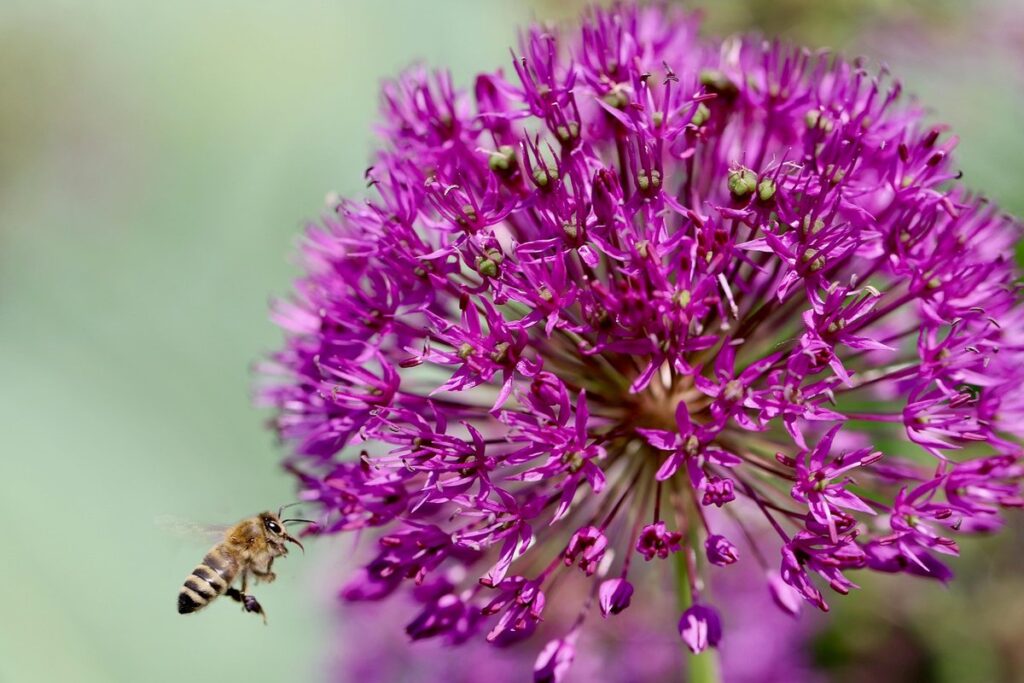
Leeks require manual pollination due to their unique flower structure and limited ability to attract natural pollinators. The leek plant produces small, bell-shaped flowers that are tightly clustered together at the top of a long stem, making it difficult for bees and other pollinators to access them effectively.
As a result, many gardeners find that relying on natural pollination methods can lead to inconsistent or even complete failure in achieving successful pollination. Leeks have a specific requirement for cross-pollination, where pollen from one plant is transferred to another to facilitate fertilization. Without this process, leek seeds may not develop properly, leading to reduced yields and poor quality.
To overcome these challenges, manual pollination is often necessary. This can be done by gently brushing the anthers (the pollen-producing parts of the flower) of one plant against the stigma (the pollen-receiving part) of another. It’s a simple yet crucial step in ensuring successful leek seed production.
Factors Influencing Successful Pollination
When manually pollinating leeks, it’s essential to consider the external factors that can impact pollination success. Weather conditions play a significant role in this process. Leek flowers are typically self-incompatible, meaning they require cross-pollination from another plant. However, when temperatures drop below 15°C (59°F), or rise above 30°C (86°F), leek pollen viability decreases, significantly reducing the chances of successful pollination.
Additionally, the presence of other flowers in the vicinity can either hinder or facilitate leek pollination. For instance, if there are other plants that attract beneficial pollinators like bees and butterflies to your garden, it may increase the likelihood of successful cross-pollination for your leeks. Conversely, strong winds or nearby plants with overpowering fragrances can deter these pollinators and reduce pollination success.
To optimize manual pollination conditions, try to create a sheltered environment for your leeks during extreme weather. Also, ensure you have a diverse range of flowers in your garden that bloom at different times, providing a constant source of nectar for pollinators throughout the growing season. This will increase the chances of successful cross-pollination when manually pollinating leeks.
Preparing for Pollination
Before you start pollinating, it’s essential to prepare your leeks for a successful pollination process, so let’s cover the crucial steps to take beforehand. This section will walk you through these key preparations.
Choosing the Right Time for Pollination
When it comes to manual pollination of leeks, timing is everything. You want to catch the plants at their optimal pollination period to ensure successful fertilization and healthy growth. Start by checking local weather forecasts for mild, dry conditions with no rain in sight. Pollination is most effective when temperatures range from 15°C to 20°C (59°F to 68°F), as this allows for easy movement of the pollen grains.
Next, monitor your leek plants’ growth stages. Leeks are ready for pollination around 4-6 weeks before harvest, typically during their bolting phase. Check for signs such as yellowing leaves and a visible stem beginning to elongate. This is usually around 60-90 days after sowing, depending on the variety.
To determine the optimal pollination period for your leeks, consider the following: if you’re growing in a cool climate, aim for mid-spring; in warmer climates, focus on late spring or early summer. Keep in mind that leeks are self-pollinating to some extent, but manual pollination can significantly increase yields and seed quality.
Gathering Essential Tools and Materials
When it comes to manually pollinating leeks, having the right tools and materials can make all the difference. To get started, you’ll need a few essential items that will help you navigate the delicate process of pollination.
First and foremost, you’ll want to invest in a good pair of gloves. These will protect your hands from the dirt and potential allergens found on the leeks, making it easier to handle them without getting messy. Look for a pair with some grip to them, as this will prevent the gloves from slipping off while you’re working.
Next up is a small brush, ideally one that’s about 1-2 inches wide. This will be your trusty sidekick when it comes to transferring pollen between leeks. You can use an old paintbrush or even repurpose a small makeup brush – just make sure it’s clean and free of any debris.
A magnifying glass or hand lens is also crucial for getting up close and personal with the flowers. This will allow you to spot the tiny pollen sacs and stamens, making it easier to identify which leeks need pollination. You can even use a smartphone camera with a macro attachment to get an even closer look.
When selecting these tools, consider investing in reusable ones made from high-quality materials that can withstand regular use. Remember, practice makes perfect – so don’t be afraid to try out different techniques and adjust your approach as needed.
Hand-Pollination Techniques
To manually pollinate leeks, you’ll need to replicate the natural process of insect pollination by carefully transferring pollen from the male flowers to the female ones. This is where hand-pollination techniques come in!
Collecting Leek Pollen
Collecting leek pollen is an essential step in manual pollination. To do this effectively, you’ll need a soft-bristled brush or a cotton swab. Mature leeks typically produce plenty of pollen, which can be collected from the inflorescence – that’s the yellowish-green stalk at the top of the plant.
Gently touch the brush or cotton swab to the anthers, where the pollen is produced. You may need to inspect the anthers closely to ensure you’re collecting pollen effectively. It’s also a good idea to use a magnifying glass or hand lens for a closer look. Once you’ve collected enough pollen, gently tap off any excess onto a plate or other surface.
When working with leek pollen, it’s worth noting that some varieties can be quite sticky, which may make collection more challenging. If this is the case, try dusting off any adhering particles from your brush or cotton swab as you go along. Remember to handle the collected pollen gently to avoid damage – a light touch will help prevent contamination and ensure successful pollination later on.
Transferring Pollen to Receptive Flowers
To transfer pollen to receptive flowers on other leeks for cross-pollination, you’ll need to carefully select and prepare both the donor plant with its rich pollen and the recipient plants that are ready to accept it. Once you’ve gathered the necessary materials – a small brush or cotton swab will do the trick – gently dab some of the collected pollen onto the stamens of the receptive flowers.
It’s essential to target the anthers, which are responsible for releasing pollen, but be cautious not to damage them in the process. Next, carefully move over to the recipient plants and position the brush or swab above their stigma, allowing a small amount of pollen to transfer onto it. This delicate process requires patience, as you want to ensure that just the right amount of pollen is applied without overwhelming the plant.
When performing cross-pollination, remember that timing is everything – try to match the peak pollen release times for both donor and recipient plants.
Enhancing Pollination Success
Now that we’ve learned how to identify leek flowers, it’s time to discuss the crucial next step: enhancing pollination success by manually transferring pollen. This is where your carefully planned efforts really pay off!
Creating a Pollinator-Friendly Environment
To enhance pollination success, it’s essential to create an environment that attracts and supports natural pollinators. This starts with plant diversity and incorporating bee-friendly plants into your garden.
Consider a mix of annuals and perennials that bloom at different times, providing a constant source of nectar and pollen throughout the growing season. Some excellent choices include sunflowers, lavender, coneflower, and rosemary – all of which are particularly attractive to bees and other pollinators.
Incorporate native plants that thrive in your local climate, as they’ll be more resilient and better suited for local pollinator populations. For example, if you’re gardening in the UK, consider planting red clover or catmint.
When selecting plants, choose varieties with single-petaled flowers or those that are naturally fragrant – these characteristics make it easier for pollinators to access nectar and pollen.
Remember, the more diversity in your garden, the better support you’ll provide for pollinator populations. By creating a pollinator-friendly environment, you’ll not only enhance manual pollination efforts but also contribute to the overall health of your ecosystem.
Monitoring Progress and Adjusting Techniques
Monitoring pollination progress is crucial to ensure optimal results when manually pollinating leeks. As you begin to apply pollen from the male leek flowers to the female flowers, it’s essential to check on their receptiveness regularly. This can be done by gently brushing a small brush over the stigma of several flowers; if no pollen sticks, it may indicate that the flowers are not yet receptive or that the pollination technique needs adjustment.
Observe your leeks closely and take note of any variations in pollination progress. If some plants seem to be faring better than others, consider adjusting techniques such as timing of pollination, type of brush used, or even providing additional support for heavy flowers. Keep a consistent record of observations to identify patterns and pinpoint areas that need improvement.
Consider factors like weather conditions, flower maturity, and plant health when making adjustments. If you notice that certain plants are not responding well, consider switching the source of pollen from one male plant to another or adjusting your pollination schedule accordingly. This flexibility will enable you to fine-tune your technique for maximum success in boosting leek yields.
Troubleshooting Common Issues
If you encounter problems while manually pollinating leeks, don’t worry – we’ve got you covered. This section will walk you through common issues and solutions to ensure a successful pollination process.
Identifying Causes of Pollination Failure
Pollination failure can be frustrating, especially when you’re eager to see your leek plants thrive. But before we dive into troubleshooting, let’s examine some potential causes of pollination failure. Timing is crucial here – if the leeks are not ready for pollination or if the weather conditions are unfavorable (e.g., too windy, rainy, or hot), it can be a recipe for disaster.
Inadequate tool usage or incorrect technique are other common pitfalls to watch out for. Using the right tools, such as a small, dry brush or a cotton swab, is essential. Brushing off the anthers (the pollen-producing part of the leek flower) with too much force can dislodge the pollen altogether.
Additionally, incorrect technique might involve brushing in one direction only, rather than using gentle circular motions to ensure even pollination. When examining your tools, also consider whether they’re clean and free from any contaminants that could harm your plants.
Take note of these potential causes and make adjustments accordingly – it’s a small step towards ensuring successful manual pollination.
Addressing Specific Problems and Solutions
When manually pollinating leeks, you may encounter common issues that hinder successful pollination. Insufficient pollen is one such problem that can be frustrating to deal with. To address this issue, ensure that the anthers (the male reproductive parts of the flower) are not over-removed during the process. Instead, gently brush against them with your chosen tool to release excess pollen. If you’re using a small-bristled brush, consider switching to a larger one or even using a soft-bristled paintbrush for better results.
Another issue that may arise is incorrect brush size. A brush that’s too large can easily damage the delicate anthers and surrounding tissue, while a brush that’s too small won’t pick up enough pollen. If you find yourself struggling with either of these issues, try experimenting with different brush sizes or types to see what works best for your specific leek variety.
In both cases, it’s essential to be gentle when working with the delicate anthers and surrounding flowers to avoid causing further damage. With a bit of practice and experimentation, you’ll find that manually pollinating leeks can be a successful and rewarding process.
Tips for Large-Scale Leek Production
If you’re planning a large-scale leek production, here are some essential tips to ensure healthy pollination and maximum yields. Let’s dive into the specifics of manual leek pollination.
Scaling Up Hand-Pollination Techniques
As you move from small-scale leek production to larger plantings, adapting manual pollination techniques becomes crucial for efficiency and productivity. One way to scale up is by dividing the process into stages. First, survey the entire field to identify areas where plants are most receptive to pollination. This will help you prioritize your efforts and ensure that each section of the field receives attention.
To increase efficiency, consider implementing a team-based approach. Assign a group of people to work in tandem, each responsible for a specific section or row of leeks. This not only speeds up the process but also allows for more thorough coverage. Use a combination of individual tools and mechanical aids like brushes or combs to pollinate larger areas.
To maintain productivity, it’s essential to stay organized and focused. Take regular breaks to avoid fatigue and ensure that your team is working effectively together. With practice, you’ll find that manual pollination can be a highly effective and efficient method for large-scale leek production, provided you’re willing to adapt and refine your techniques as needed.
Implementing Integrated Pest Management (IPM)
When implementing Integrated Pest Management (IPM) practices alongside manual pollination methods for leek production, it’s essential to strike a balance between managing pests and maintaining the delicate ecosystem of your crop. Start by monitoring your leeks regularly for signs of pests, diseases, or nutrient deficiencies. This early detection allows you to address issues before they escalate.
To implement IPM effectively, consider the following strategies:
* Encourage beneficial insects like bees and butterflies in your garden by planting a diverse range of flowers that attract pollinators.
* Use physical barriers or row covers to prevent pests from reaching your leeks without harming the plants themselves.
* Rotate crops seasonally to break disease cycles and reduce reliance on chemical pesticides.
By combining these IPM practices with manual pollination techniques, you can maintain healthy soil, minimize pest damage, and promote optimal crop yields. For instance, some large-scale leek producers report a 30% increase in yield after implementing integrated management strategies.
Conclusion: Mastering the Art of Manual Leek Pollination
You’ve now completed the steps for manual leek pollination, but there’s one final consideration to ensure your leeks are properly fertilized and ready for harvest.
Recap of Key Takeaways
As we conclude our journey into the art of manual pollination for leeks, let’s recap the essential points to ensure you’re well-equipped to tackle this delicate process. By now, you should be familiar with the importance of pollinating leeks by hand, especially when natural pollinators are scarce or the weather conditions aren’t favorable.
Key techniques covered include identifying the correct pollination stage (around 90-100 days after planting), gently separating the florets to expose the anthers and stigma, and applying a small amount of gentle pressure to facilitate pollen transfer. It’s also crucial to maintain cleanliness throughout the process, washing your hands thoroughly before handling the leeks.
We’ve discussed considerations such as timing, temperature, and humidity levels that affect pollination success. To ensure optimal results, it’s essential to pollinate early in the morning or late in the evening when temperatures are cooler and humidity is higher. By following these techniques and considering the environmental factors, you’ll be well on your way to successfully manually pollinating your leek crop. Remember to observe and adjust as needed based on your specific growing conditions.
Final Tips for Success
As you’ve mastered the art of manual pollination for leeks through this step-by-step guide, it’s essential to remember that practice truly makes perfect. Continuously fine-tune your skills by experimenting with different techniques and approaches.
Consider keeping a record of your pollination efforts, noting which methods yield better results under specific conditions. This will help you identify patterns and areas for improvement. By doing so, you’ll be able to adapt your strategies as needed, leading to even more bountiful harvests.
Another crucial aspect of manual pollination is ongoing learning and exploration. Stay informed about the latest research on leek cultivation, new techniques being developed, and the best practices in the field. Attend workshops, join online forums or communities centered around vegetable gardening, and follow experts in the field to stay up-to-date with the most effective methods.
As you refine your skills through experience and education, remember that patience is key – leeks require consistent effort throughout their growth cycle. With persistence and dedication, manual pollination will become second nature, allowing you to produce some of the best-tasting leeks in your community.
Frequently Asked Questions
Can I manually pollinate leeks indoors, or do they require direct sunlight?
Yes, you can manually pollinate leeks indoors under grow lights, but it’s essential to replicate the natural conditions as closely as possible. This means providing adequate light, temperature control, and a humid environment to promote healthy plant growth.
How often should I repeat the hand-pollination process during peak flowering periods?
To ensure maximum yields, we recommend repeating the hand-pollination process every 2-3 days during peak flowering periods (usually around 6 weeks after transplanting). This frequency allows for optimal cross-pollination and minimizes potential losses.
What are some common mistakes to avoid when collecting leek pollen?
Be cautious not to over-handle or damage the delicate leek flowers, which can reduce pollinability. Also, be sure to collect pollen at the correct stage of maturity, as immature or old pollen may be less effective in facilitating successful pollination.
How do I address potential issues with wind-borne pollen transfer during hand-pollination?
To mitigate this issue, gently hold the leek stalks together and transfer pollen directly between flowers. Avoid using windy areas or times when possible, as excessive wind can disperse pollen away from receptive flowers.
Can I reuse collected leek pollen for future pollinations, or is it only effective for a single use?
Leek pollen typically remains viable for up to 24 hours after collection, allowing you to store it in an airtight container and reuse it within this timeframe. However, its effectiveness may decrease with storage, so it’s best to collect fresh pollen for each pollination session.